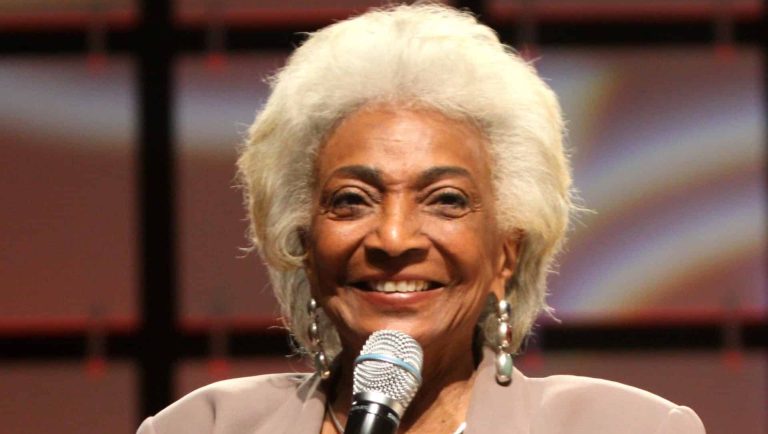

A wrong dose or bad medical decision was all it took for these hospital visits to become a lot deadlier for some famous faces.
A powerful anesthetic at home
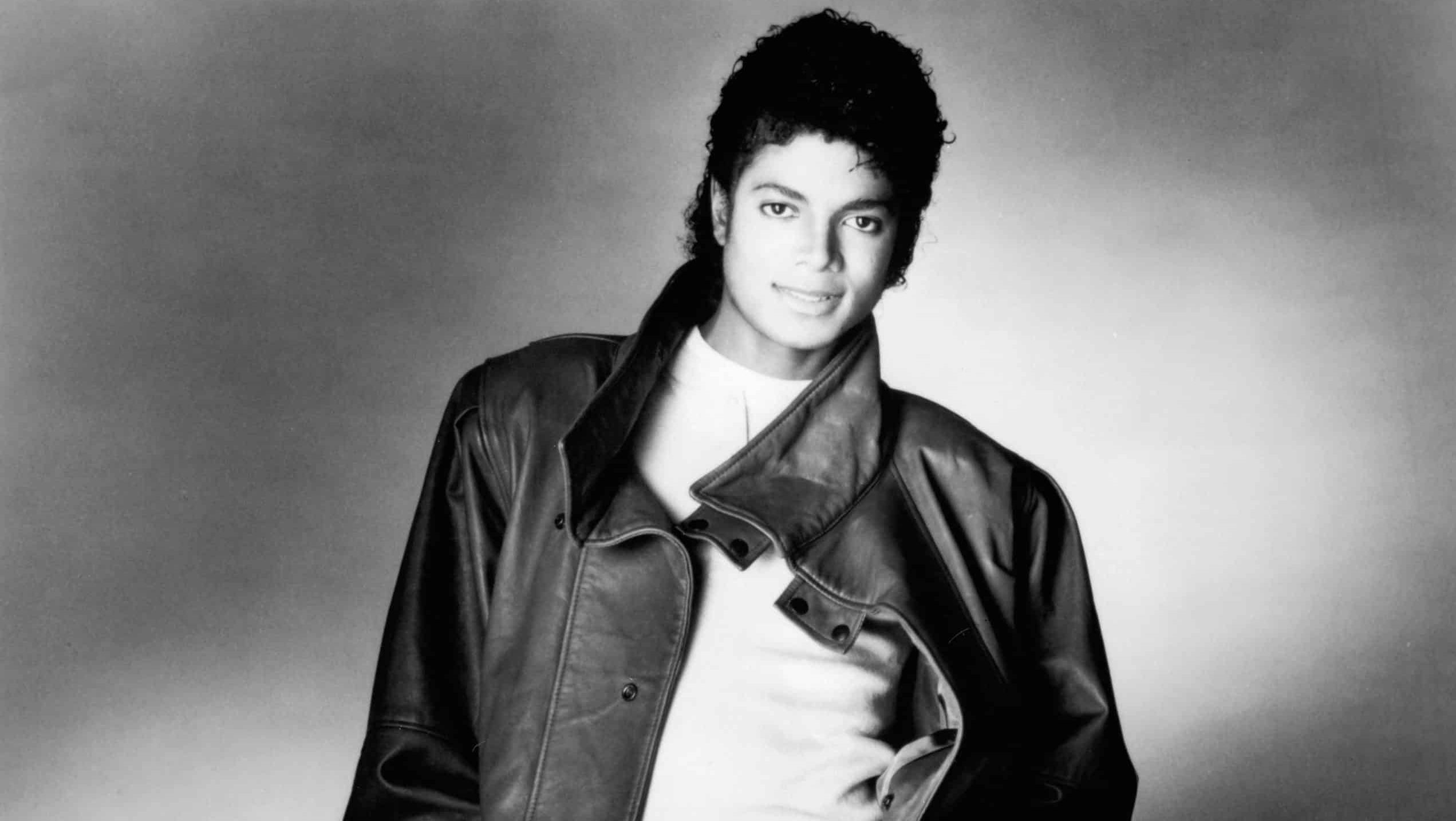
Everything went wrong for Michael Jackson on June 25, 2009. He was preparing for his This Is It concerts and was suffering from insomnia. So, his doctor, Conrad Murray, had been administering propofol to him at home to help him sleep, despite the fact that the drug’s usually used as an anesthetic for surgery.
Jackson died later from acute propofol intoxication. The coroner officially ruled it a homicide, and Murray was convicted of involuntary manslaughter. It’s not hard to see why, as it was clear that Murray’s care had crossed a very serious line that ended with Jackson losing his life.
Four days of the wrong dose
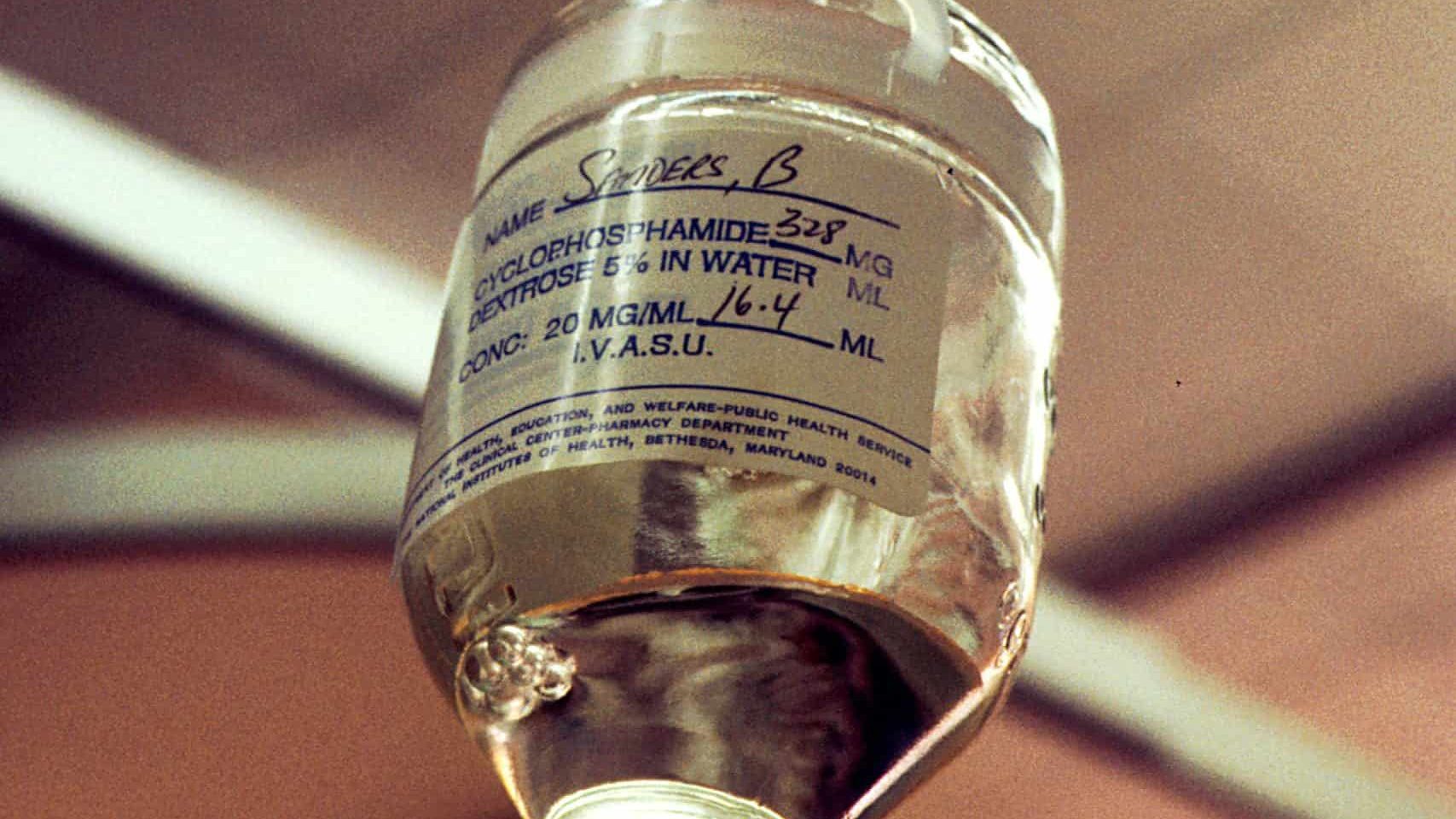
You wouldn’t think that a health columnist like Betsy Lehman could suffer from hospital malpractice. But that’s exactly what happened. The Boston Globe writer was going through breast cancer treatment at the Dana-Farber Cancer Institute in 1994 and was prescribed a chemotherapy drug called cyclophosphamide.
Except, there was a problem. She was prescribed four times the intended daily dose of it for four straight days, without anybody realizing it. It caused major heart damage, and she died on December 3. It wasn’t until a records review, roughly two months after her death, that the truth came out.
A routine procedure that went badly wrong
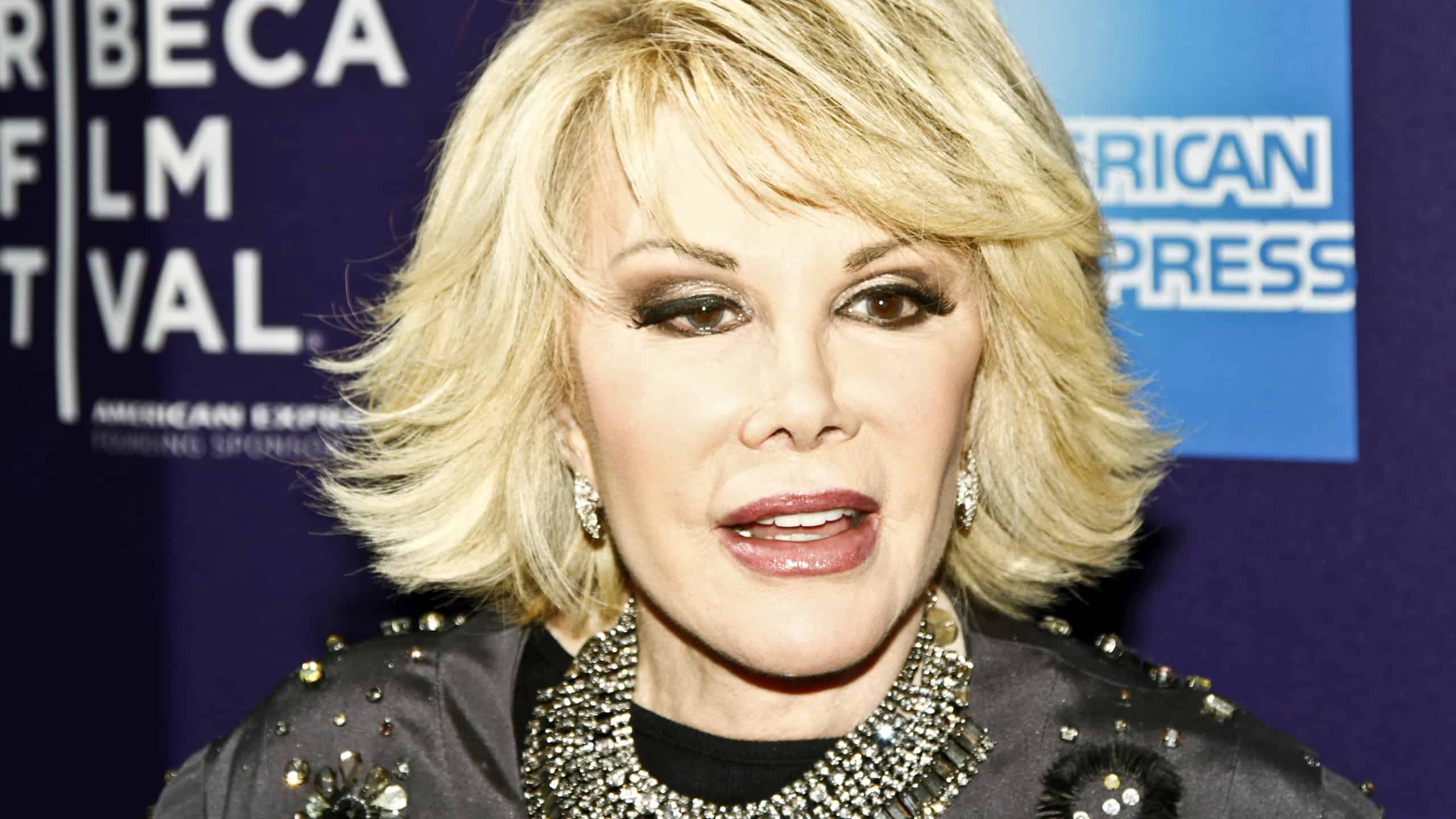
Joan Rivers went into a Manhattan clinic in 2014 for what was meant to be a routine procedure. It ended up killing her. The 81-year-old comedian suffered cardiac arrest and later died. The cause was brain damage due to a lack of oxygen, and it didn’t take long for an official investigation to be launched.
There were numerous problems with her care. For one, the documentation was very poor, and there were also numerous questions about whether she’d consented to a laryngoscopy. Medical staff allegedly failed to respond quickly when her vital signs worsened. Eventually, Rivers’s daughter Melissa launched a malpractice lawsuit against the clinic.
The warning on an X-ray
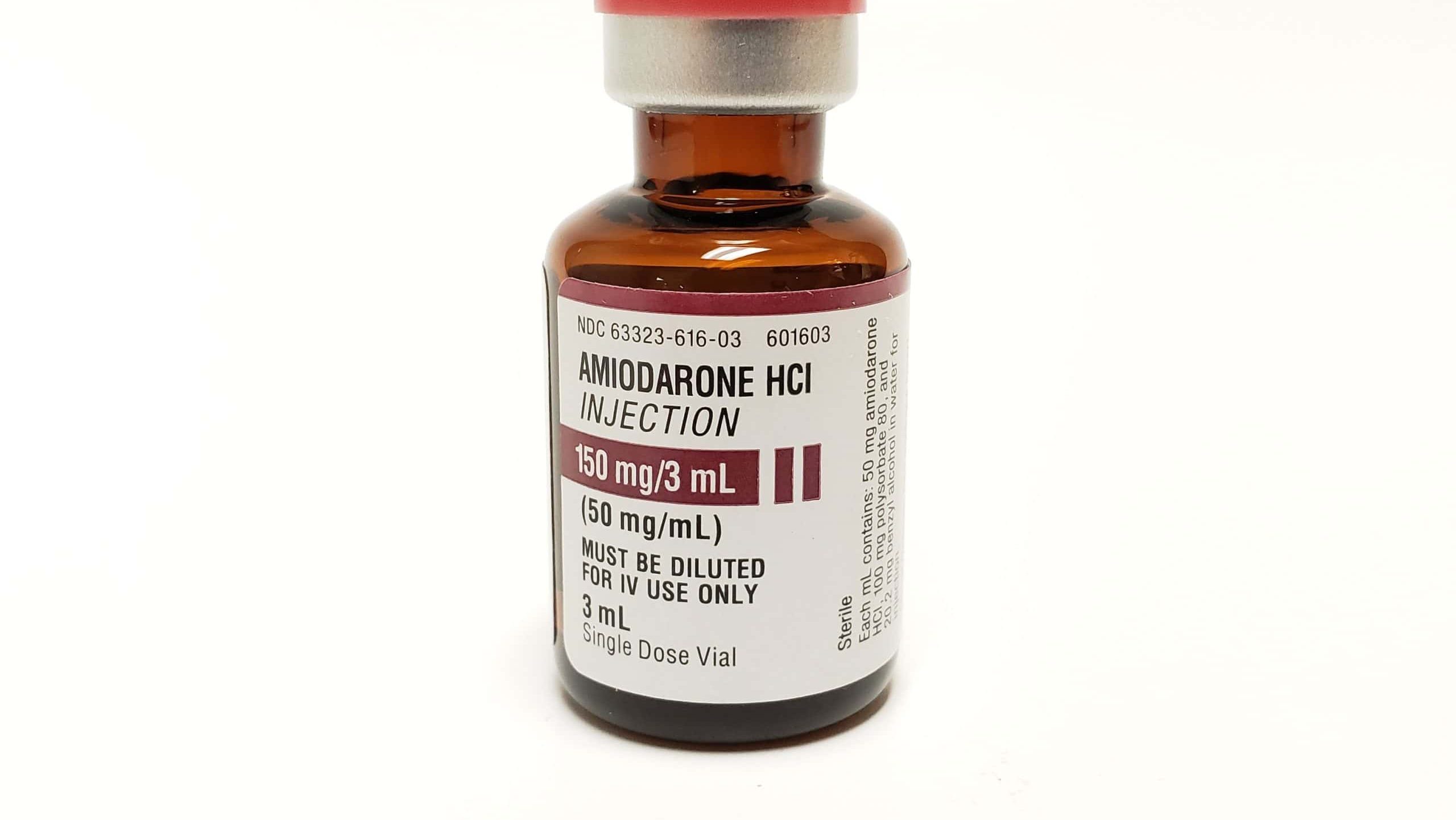
Longtime ESPN journalist and host of The Sports Reporters Dick Schaap went through a hip replacement surgery in 2001. But even before that, there seemed to be something quite worrying on his chest X-ray. He’d been taking the heart drug amiodarone for a while, and one of the known side effects is that it can damage the lungs. That’s exactly what happened.
Schaap developed serious breathing problems after surgery and died three months after the surgery. Three doctors were found negligent in the following court case, and a jury ruled that this led to his death. His family was awarded $1.95 million.
Questions after gallbladder surgery

Andy Warhol hated hospitals. He hated them so much, in fact, that he delayed gallbladder surgery for many years, and that only makes what happened to him even sadder. He decided to eventually have the operation in February 1987, but died soon after. Warhol’s estate claimed doctors had misdiagnosed him as dehydrated and had given him too much intravenous fluid.
This, they claimed, led to heart failure. But the hospital disputed that and argued his death was caused by an abnormal heart rhythm instead. The case ended in a multimillion-dollar settlement without any admission that the hospital had caused his death. The question still remains.
A heart attack diagnosis that wasn’t right
Actor John Ritter collapsed on the set of 8 Simple Rules in September 2003. It was initially believed by doctors that he was having a heart attack, although it turned out that he was actually suffering from an aortic dissection. That’s essentially a tear in the body’s main artery. He died that night.
His family sued the doctors over the misdiagnosis and their supposed failure to treat him. But it’s not a clear-cut case. No, a jury cleared the two doctors who went to trial, and the jury also accepted that it was unlikely they’d have been able to save his life, anyway.
Trouble after bypass surgery

Neil Armstrong had accomplished a lot in his life. He was the very first human on the moon, after all, but he ended up losing his life on terra firma. The 82-year-old underwent heart bypass surgery in Ohio in 2012, but began suffering internal bleeding after the surgery.
This allegedly happened after doctors removed temporary pacing wires, and Armstrong’s family claimed it led to his death. The hospital eventually paid the family $6 million to settle the dispute. They didn’t publicly admit to any wrongdoing, though, so you’ll have to make that conclusion yourself.
A disputed surgical approach

Major heart surgery is always risky, but the doctor who treated Bill Paxton only made it worse. The actor went into Cedars-Sinai Medical Center in February 2017 and had a valve replacement. They also worked on his aorta. He died from a stroke 11 days later.
His family claimed that the surgeon involved had used an unnecessarily risky and unconventional technique, which they claimed caused Paxton to bleed. They also alleged that it severely damaged his coronary artery. The lawsuit against medical officials dragged on for years, but was privately settled in 2022 under confidential terms.
A head injury mistaken for drunkenness

New York Times reporter David Rosenbaum looked, by all accounts, drunk. He wasn’t. Turns out, he’d been attacked during a robbery, and the thieves had struck him in the head with a metal pipe. But the emergency workers treating him didn’t realize that. They just assumed he was drunk and missed basic warning signs.
They decided to take him to a faraway hospital, and the staff there treated him like he was drunk. They failed to recognize that he’d suffered a major head injury. At least, they didn’t recognize it at first, and by the time that they did, it was too late. He died two days later.
Two drugs that shouldn’t have met

Libby Zion was only 18 years old when she arrived at New York Hospital in 1984 with a high fever. She died just a few hours later. Sadly, it was her death that made her famous, as it helped to change standards over work-hour limits and medical residency training. Zion had been taking an antidepressant known as Nardil, but the hospital decided to give her Demerol. Bad idea.
That sort of drug combination tends to cause serotonin levels to rise way beyond normal. Zion became agitated and developed an extremely high fever. She died at the hospital. A court case was later launched, and a malpractice jury later found that the doctors were partly responsible for her death.
Questions around an emergency operation

The Bee Gees singer Maurice Gibb collapsed in January 2003 after complaining of severe abdominal pain. So, he was rushed to a Miami hospital, where doctors found he was suffering from an intestinal blockage. He suffered cardiac arrest before the procedure, and doctors performed emergency surgery on him. He died.
But Gibb’s family blamed the hospital for his death, claiming the doctors should never have operated because he was in such poor condition. They also argued that the treatment had come too late. Those claims were never officially established, however.
A case that remained in court for years

Glenn Frey, the Eagles co-founder, may have died in 2016, but the court case over his death is still ongoing. Yes, really. He had been suffering from ulcerative colitis and other serious bowel problems when he died at Mount Sinai Hospital. Frey’s widow blamed the hospital for it.
According to her, the hospital staff, including a gastroenterologist, hadn’t dealt with his condition properly. She argued that the surgery happened way too late for it to be useful. The most recent update to the court case against Mount Sinai came in 2026, when an appeals court let it continue. That’s right, the argument over why he died is still going on. How sad.
A jury verdict decades after Star Trek

Another lengthy medical court case involves Star Trek actress Nichelle Nichols. Her case has been settled, though, thankfully. She passed away after doctors diagnosed her with congestive heart failure. But her estate claims that the staff had failed to notice that she had actually been suffering a heart attack.
They argue that, had the doctors done proper testing, they would’ve spotted it, and they could’ve given her the treatment that she actually needed. The case continued for many years, right up to June 2026. That was when jurors ruled that Gila Regional Medical Center and one doctor had been negligent. They awarded Nichols’ estate $13 million.
Sources: Please see here for a complete listing of all sources that were consulted in the preparation of this article.
The 15 most hated actors in Hollywood history

Some actors receive hate after criminal cases, some receive it after the things they’ve said, and as for others, it’s because they took on a role that went very badly.

