

Some of history’s sharpest minds were women who solved equations and worked with atoms, yet they weren’t always remembered.
Emmy Noether
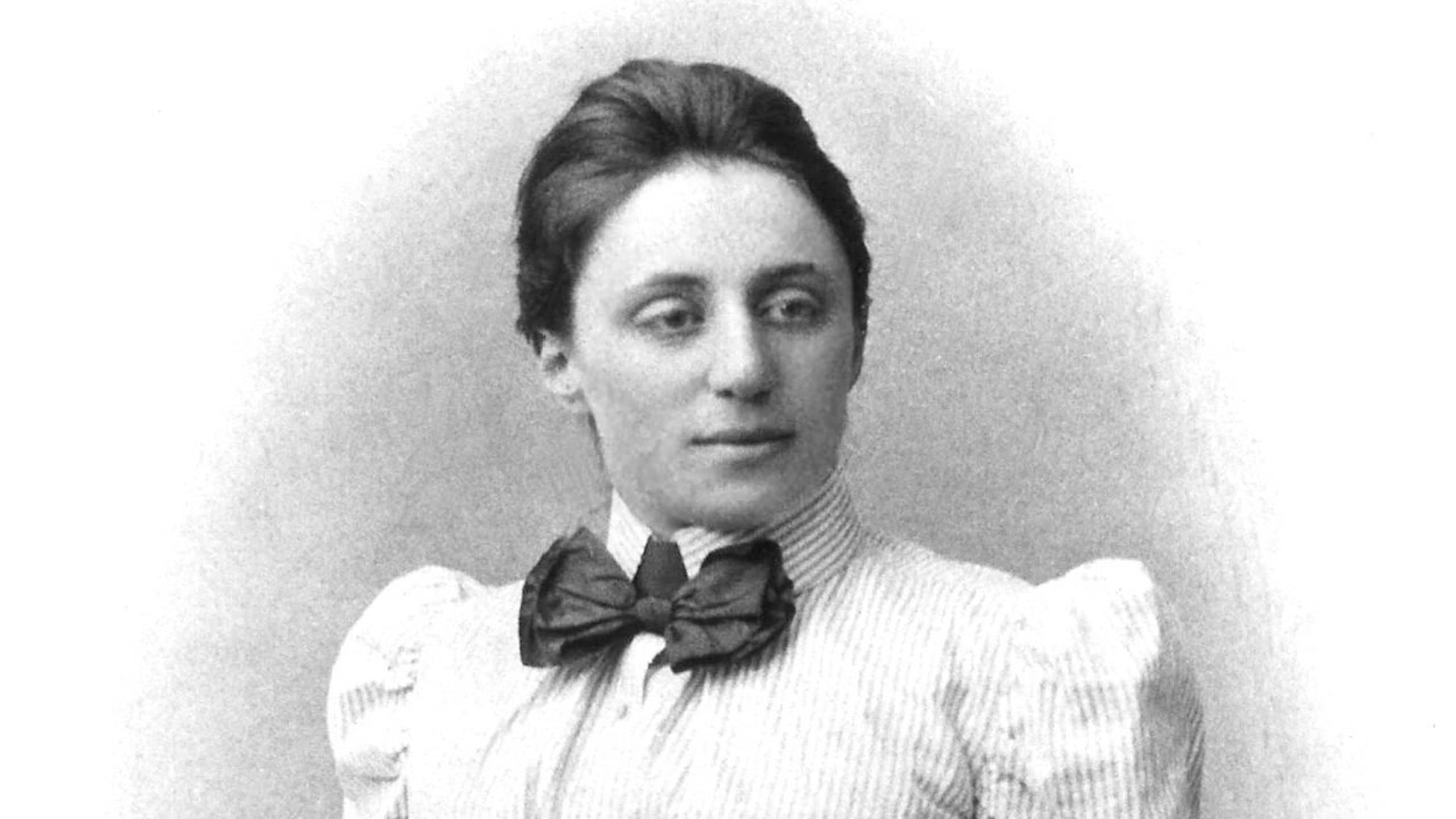
Emmy Noether did a lot more than simply solve hard math problems, as she actually changed the rules people used to study them. Noether was born in Germany in 1882. She went on to completely change abstract algebra and develop something called Noether’s theorem.
It sounds complicated, and that’s because it was. But in plain English, it helped explain why things such as energy remain constant under certain conditions. She was so smart that the biggest genius of them all, Albert Einstein, actually admired her work. Now that’s some praise.
Marie Curie
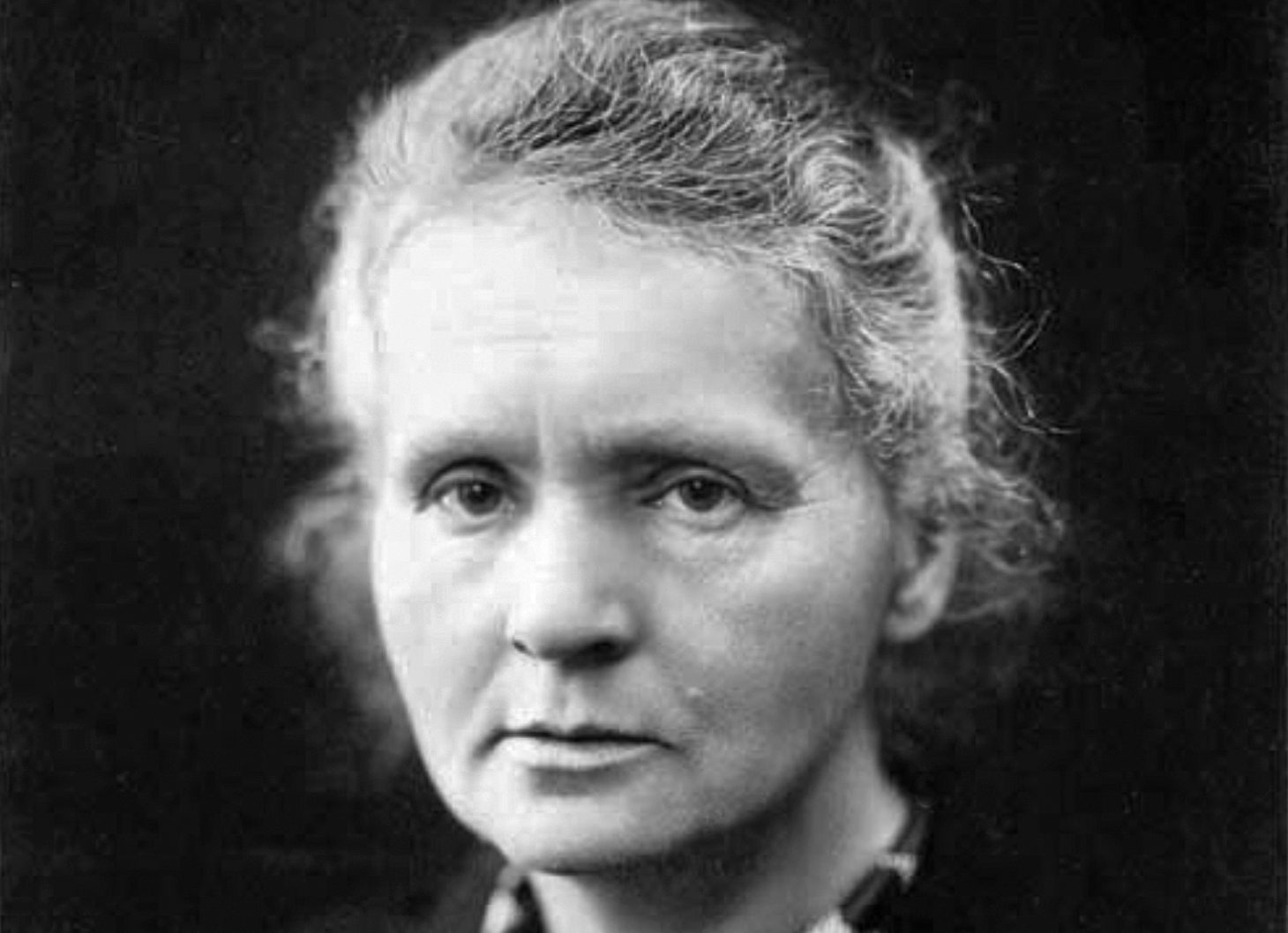
With a list of achievements like Marie Curie’s, you’d think her life was made up. But it wasn’t. She studied physics and mathematics while at university, later going on to discover things like polonium and radium. She received a Nobel Prize in Physics in 1903.
Then, she got another in Chemistry in 1911, and to this day, she’s still the only person awarded Nobels in two separate scientific fields. Curie handled radioactive materials long before anyone properly understood how dangerous that could be. That would be the cause of her death.
Ada Lovelace
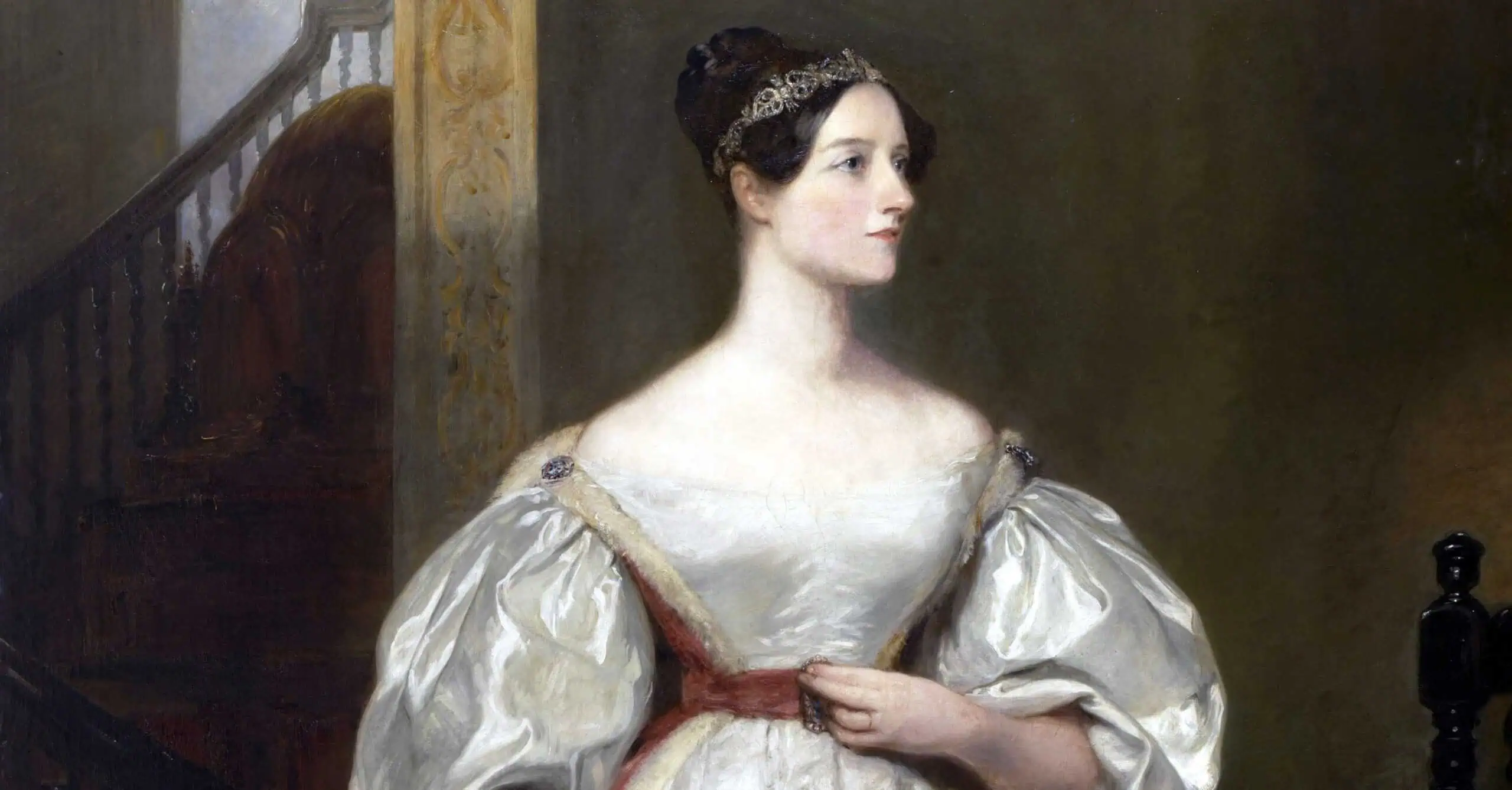
Computers hadn’t even been built yet. But still, somehow, way back in the 1800s, Ada Lovelace wrote detailed notes about Charles Babbage’s planned Analytical Engine. That’s something most historians call the first published computer program.
Lovelace took it one step further by saying that machines might eventually handle music and symbols, rather than simply arithmetic. Computers didn’t exist yet, and she was already wondering what people might do with them. Clearly, she was pretty clever.
Hypatia
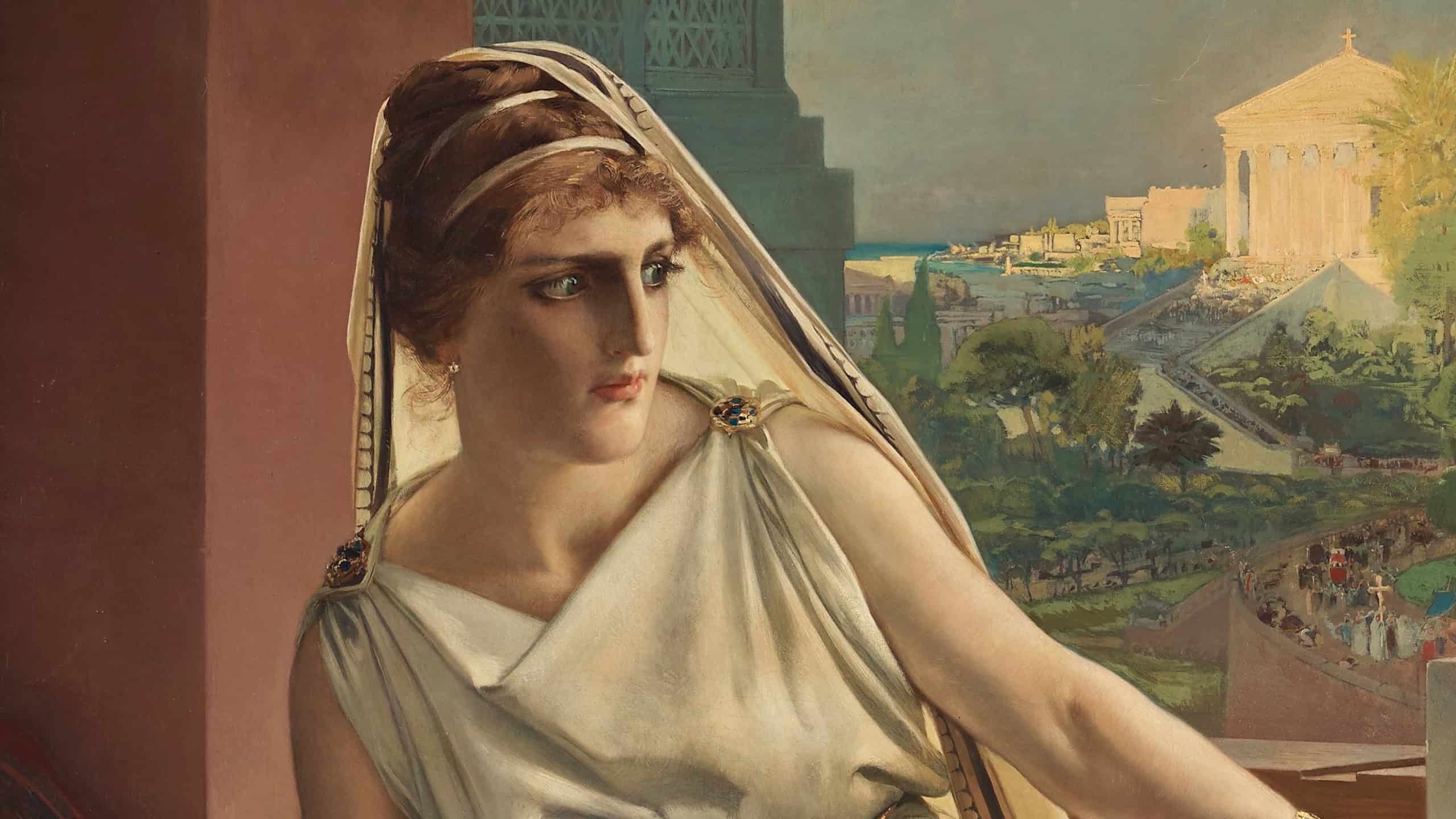
Let’s wind the clock back to the late fourth and early fifth centuries. That was when a woman named Hypatia was teaching in Alexandria, and she’d become well-known for her smarts. Mathematics, astronomy, and philosophy, she could teach them all.
Students actually traveled to hear her, and powerful officials asked for her advice. She worked with some pretty demanding Greek mathematical and astronomical texts. None of Hypatia’s own books survives in full, unfortunately, but the records we have show how incredible she was.
Maryam Mirzakhani

The thing that really helped Maryam Mirzakhani with mathematical problems was how she thought of them. She imagined them like stories, with different routes and characters. The Iranian genius actually won two gold medals at the International Mathematical Olympiad.
She was that good. Mirzakhani went on to explore curved surfaces and the strange spaces mathematicians use to classify them. She also became the first woman to receive the prestigious Fields Medal in 2014. Mirzakhani died in 2017 from cancer.
Sophie Germain

Sophie Germain was just a teenager during the French Revolution, hardly a time to be a genius in the open. She had to be secretive about learning mathematics. So much so that she would actually study at night, even when her family was trying to stop her.
Germain wrote under the male name ‘M. LeBlanc’ to submit her work to the École Polytechnique because women weren’t allowed to enroll back then. She made some incredible advances in number theory, and she won a French Academy of Sciences prize in 1816.
Émilie du Châtelet

She had wealth. She had social status and access to French court life, yet what really interested Émilie du Châtelet was equations. Much more than polite conversation, actually. She was born in Paris in 1706 and studied both mathematics and physics for years.
Later, du Châtelet translated Newton’s Principia into French. It’s not exactly light reading. She actually went beyond swapping out the words by adding calculations and explanations. Her version was published after her death. To this day, it’s the standard French translation.
Dorothy Crowfoot Hodgkin
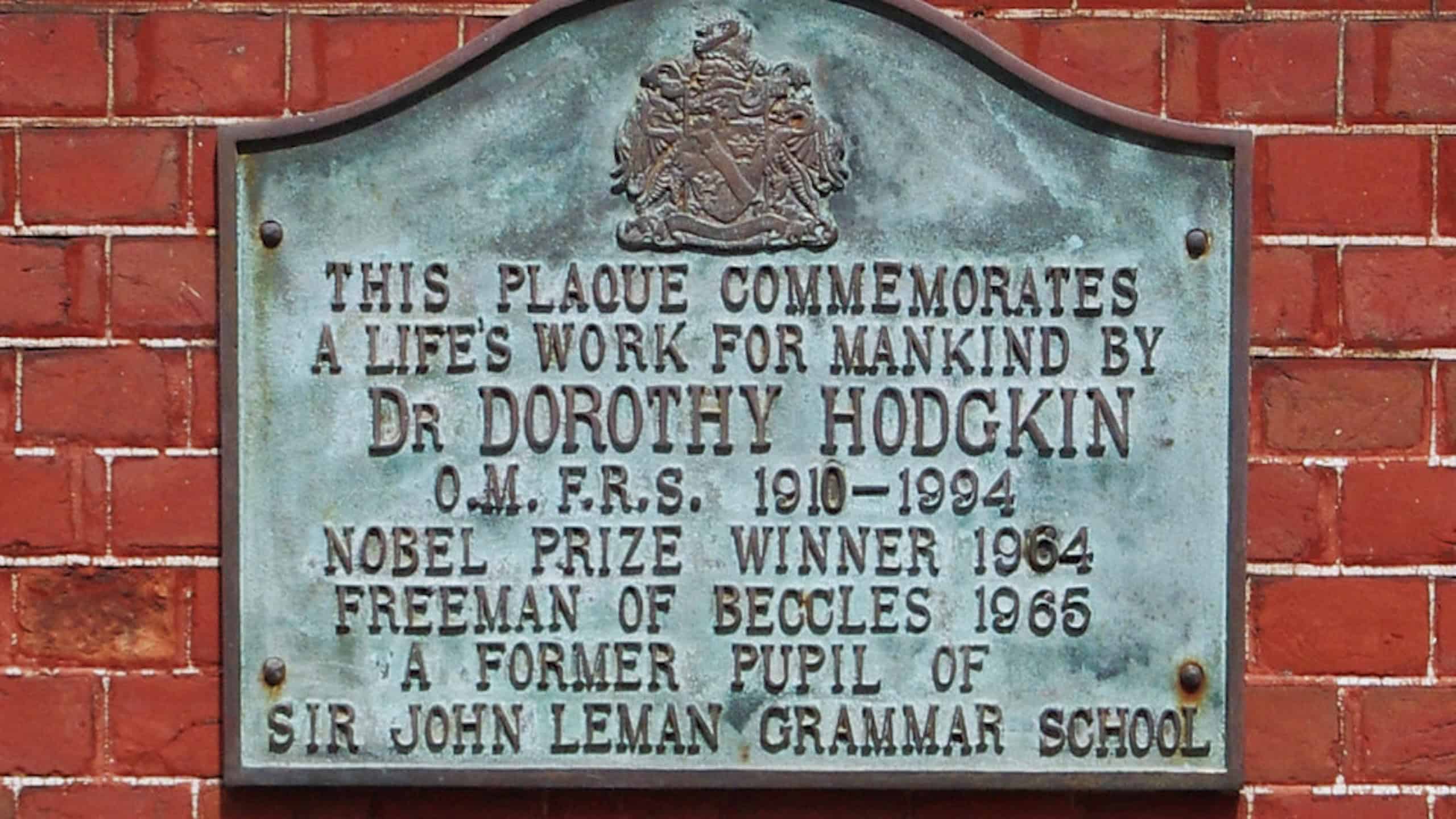
It’s incredible that Dorothy Crowfoot Hodgkin was able to figure out what molecules looked like. She never actually saw them directly, after all, but she used X-rays to ‘see’ them. She used the X-ray patterns to calculate the structures of things like penicillin and vitamin B12.
Yes, it was slow. Yes, it was technical. But still, she did it, and Hodgkin received the Nobel Prize in Chemistry in 1964 for how she managed to determine the structures of major biological substances. A genius who did it all without seeing what she was studying. How incredible.
Sofia Kovalevskaya
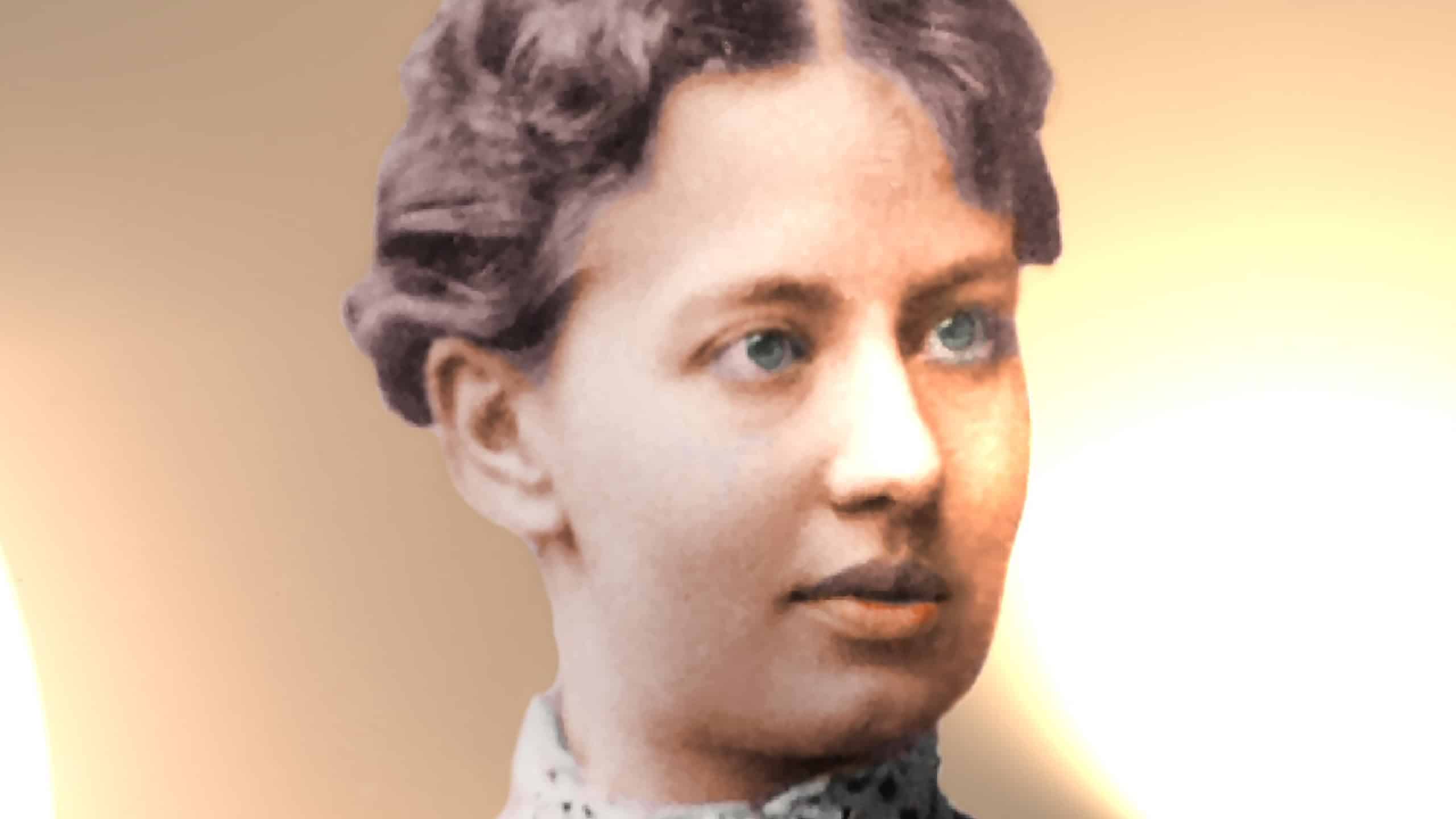
Sofia Kovalevskaya lived during a time when rules said women couldn’t study. She didn’t let them stop her. Kovalevskaya was born in Moscow and studied privately in Berlin, earning a doctorate from Göttingen after submitting three research papers.
She managed to do many incredible things, including contributing to something called the Cauchy-Kovalevskaya theorem. It’s as difficult as it sounds. Kovalevskaya went to Stockholm later and became one of Europe’s earliest female mathematics professors.
Mary Somerville
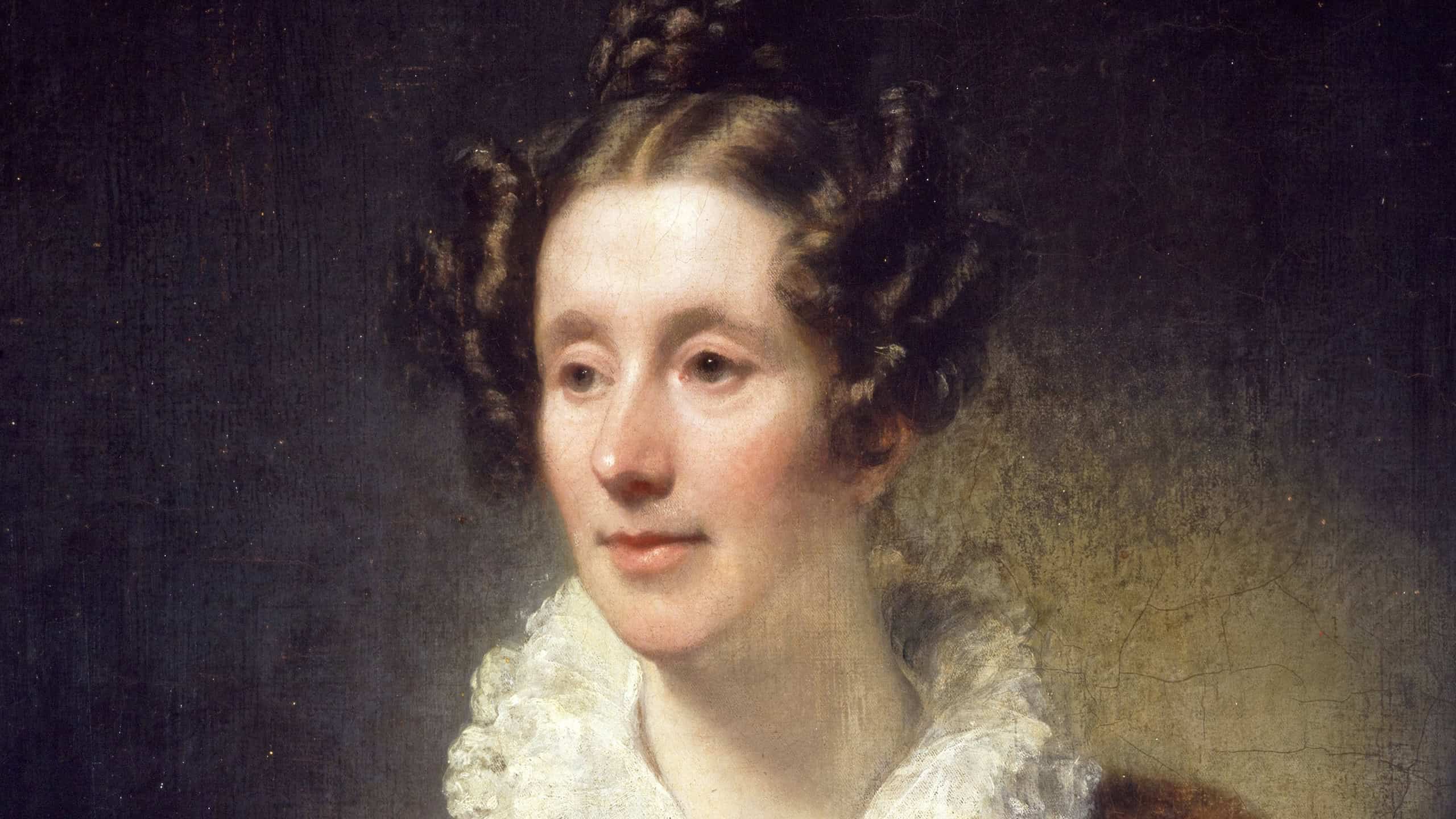
A magazine puzzle. That’s how it all started for Mary Somerville, just a magazine puzzle where she saw some algebraic symbols and wanted to know what they meant. So she began teaching herself to understand them.
Somerville eventually wrote about challenging topics like mathematics and astronomy, among other things, in her 1834 book, On the Connexion of the Physical Sciences. It’s actually thanks to that book we have the word ‘scientist.’
Rosalind Franklin
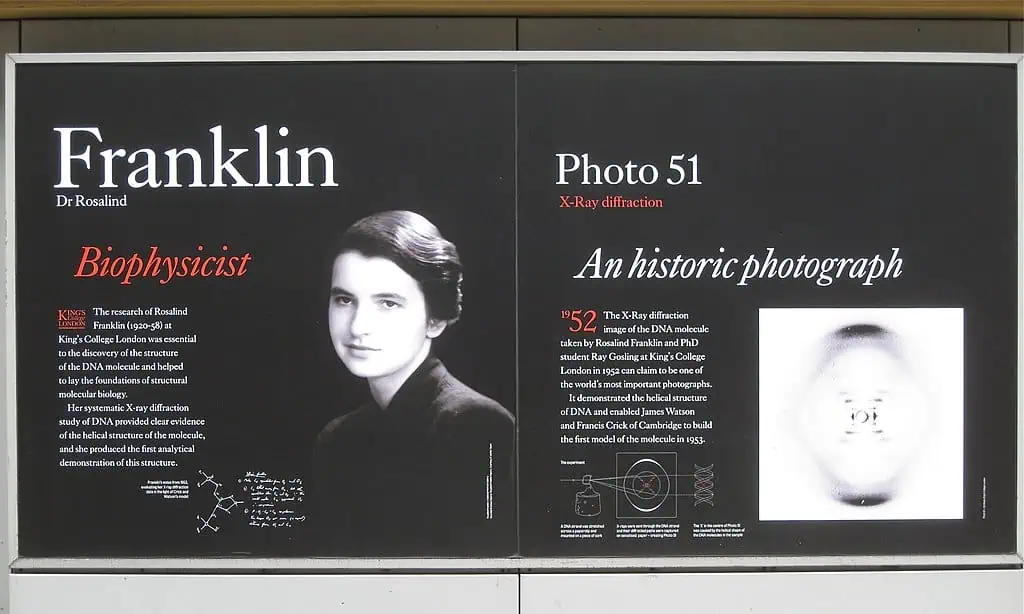
It’s all thanks to Rosalind Franklin that we know so much about DNA. She was studying at King’s College London in 1952 and exposed a DNA sample to X-rays for 62 hours. She studied the pattern that came back. That’s how we got Photograph 51.
You know, the one with the famous cross shape pointed toward a helix. It’s because of her we have that. Franklin went on to pin down DNA’s size and arrangement, although she never received the thanks she deserved when she was alive.
Chien-Shiung Wu
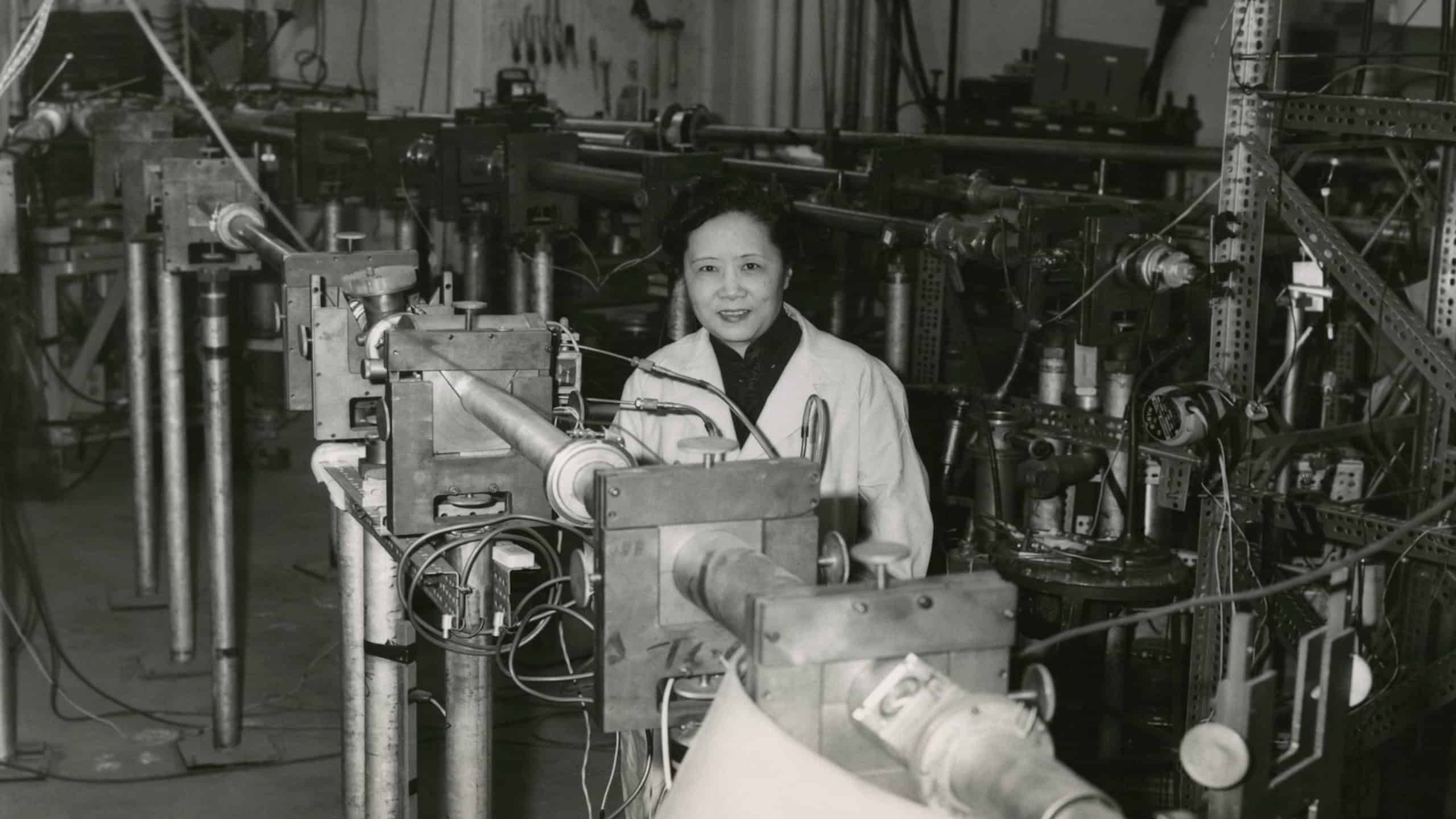
Physics had a mirror problem before Chien-Shiung Wu came along. Most scientists didn’t think it was a problem at all, though, and they assumed certain nuclear events would behave the same way when you flipped them. Chien-Shiung Wu put that idea to a real test.
Turns out, the mirrored behavior didn’t match, and everything scientists thought they knew about it was wrong. Wu earned her doctorate at Berkeley and became known as ‘the Chinese Marie Curie.’ What a title.
Sources: Please see here for a complete listing of all sources that were consulted in the preparation of this article.
11 of the most dangerous women in history
Some famous names come from battlefields, and some famous names come from incidents that you really don’t want to be a part of.

