

Beyond the castles and candlelight, there were some pretty brutal sides to living in medieval times that we’re grateful don’t exist today.
Always in sight
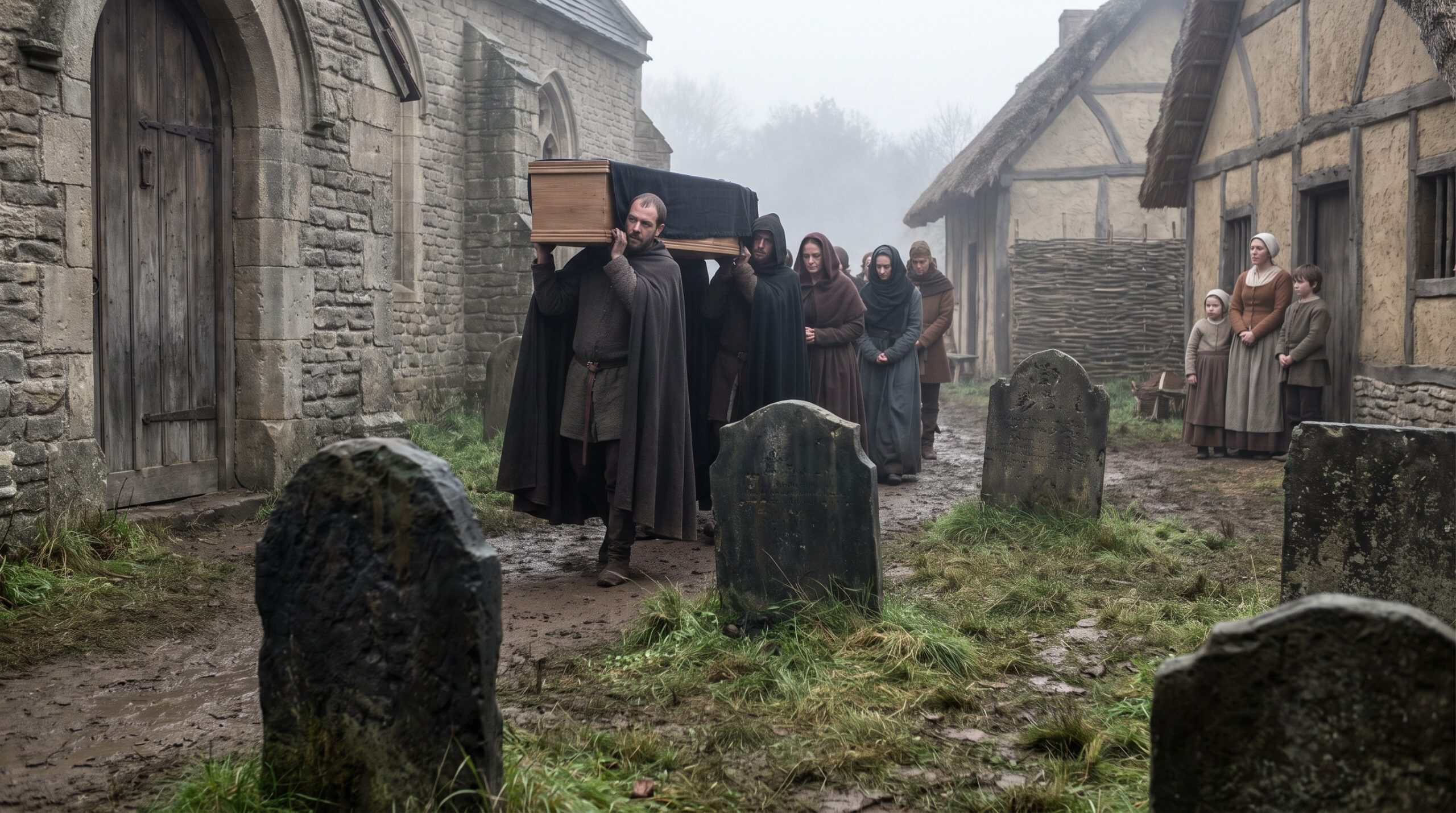
By far the harshest reality was that death was always very close. The churchyard was close, and funerals were almost public. You walked near graves whenever you went to pray, reminding you that death was constantly within reach.
It’s not like the plague made it any easier. It just made death even more of a presence in people’s lives, and you had to accept that it could be your time before you knew it. Or maybe your loved ones’ time, that could happen, too.
A tiny opening
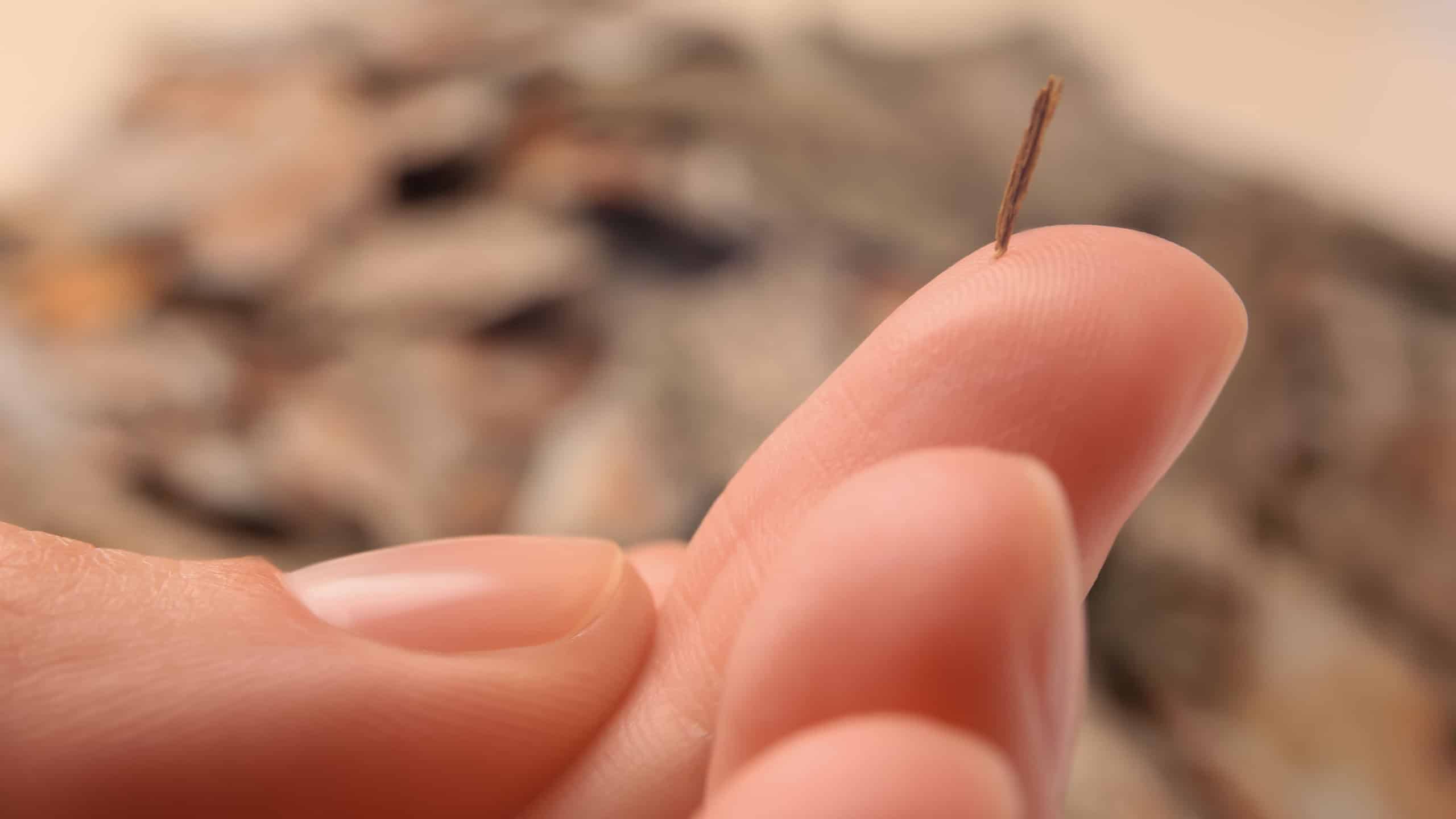
It’s not like injuries had to look big to become a serious problem. It could be a cut from a farm tool, maybe a little splinter or something similar. The cause doesn’t really matter. People tried to treat wounds, and not always badly, but this didn’t always work.
It was a major issue as soon as any dirt got stuck inside. It’d make your skin get hot, swollen, and, yes, nasty. You couldn’t exactly rely on antibiotics to help you. The sad truth is, a little cut or injury could’ve been enough to kill you back then.
At the bedside
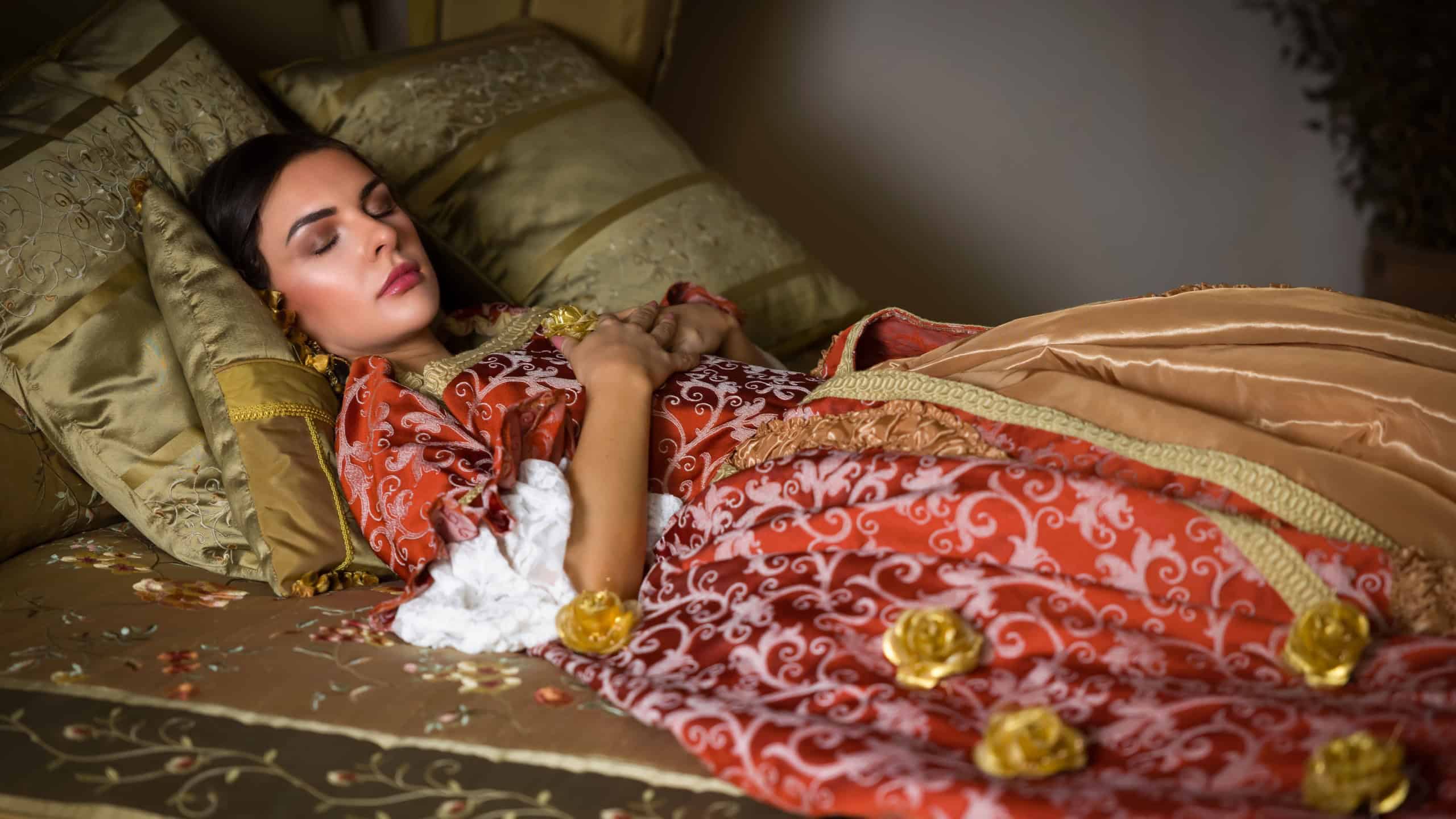
Let’s get one thing straight, childbirth has always been dangerous. It’s not exactly a walk in the park these days, either. The difference is that women in medieval times gave birth at home, surrounded by other women and charms. Medical care was basically non-existent.
Many women had to accept that death during childbirth was a very real and very possible risk. Even if you survived the actual childbirth part, there was also the chance of bleeding and fever later on. Don’t forget about infection, too.
Small graves

Children didn’t have it much easier. Not every baptized baby made it to walking age, and there were so many families who knew that fact from personal experience. Families had to recognize that just because the birth went okay, it didn’t mean everything was going to be plain sailing.
Disease and fatal accidents were far more common in those days. If you survived childhood, you were probably okay, yes. But that was a pretty big ‘if.’
That deep ache
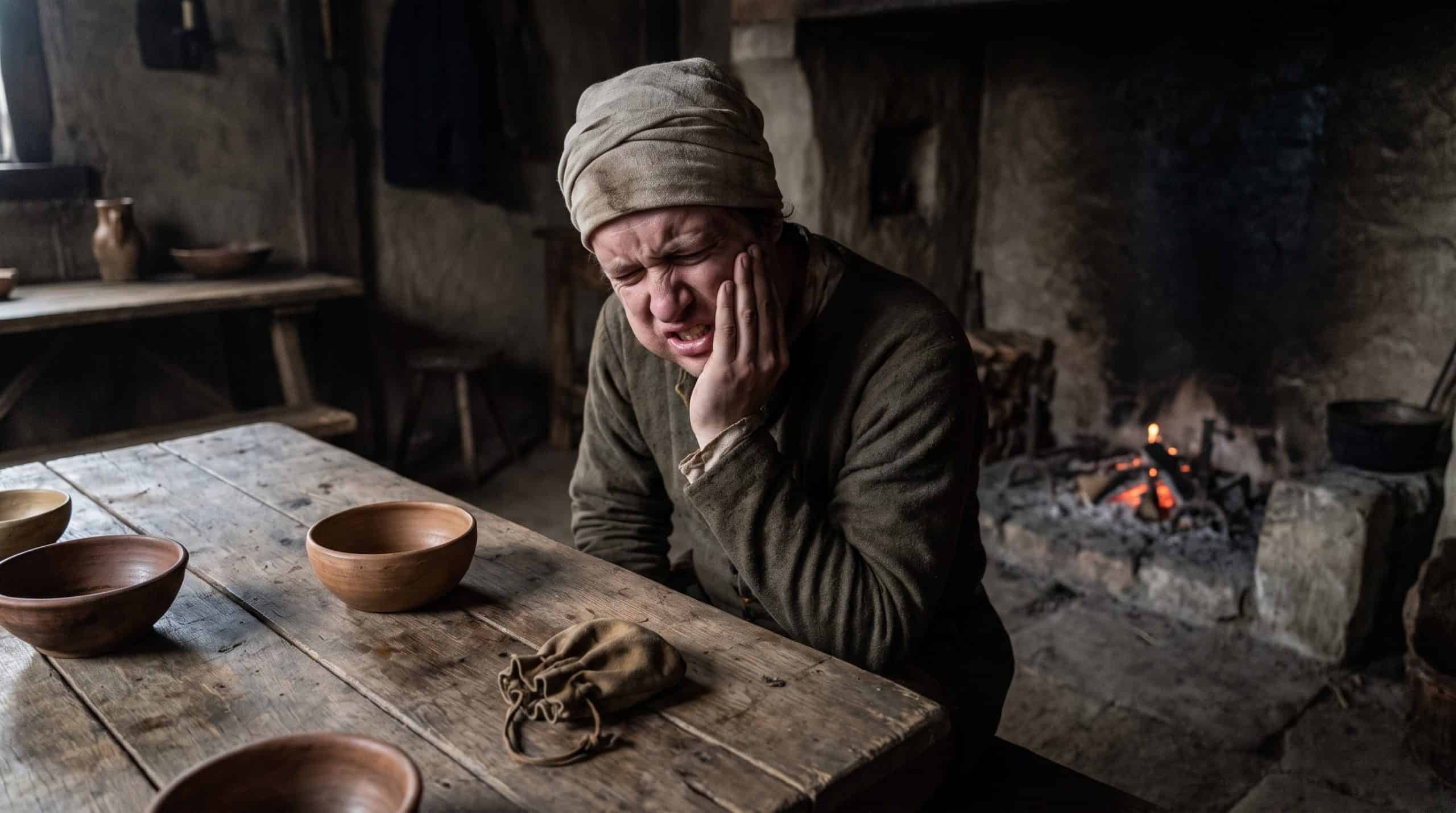
Toothaches. Nobody likes them, not today, not in medieval times. The thing is, a simple problem like that could take over your whole face because there were no dentists to fix them. It was also pretty easy to get a toothache in those days.
Tiny bits from milling stones could end up in flour, and that ended up in your food. It wore down teeth over time, leading to cavities, broken teeth, the whole lot. People did try to pull teeth back then. It just often came a little too late.
When the field said no
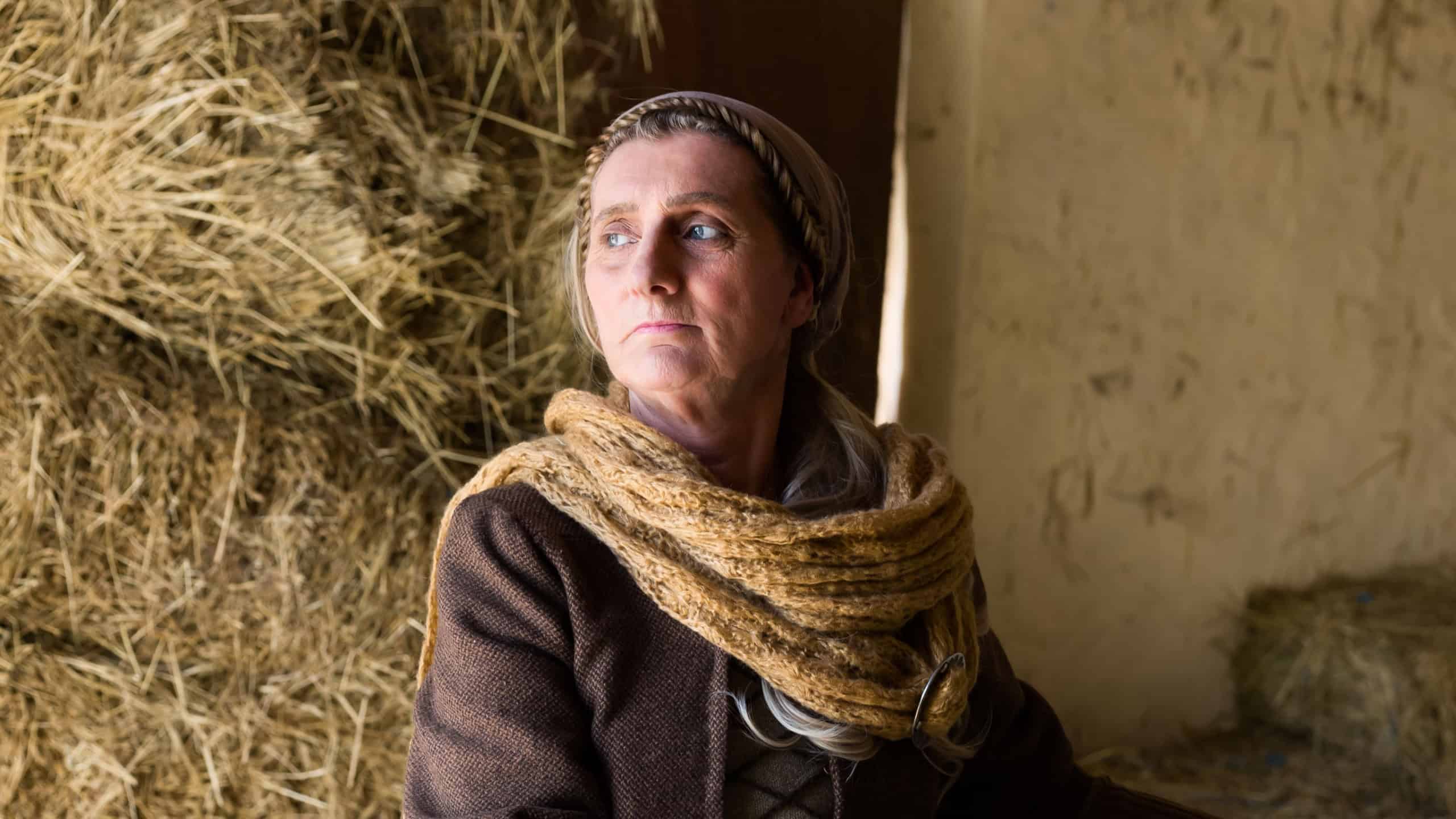
Nobody had to do anything wrong. That was one of the hardest things to accept. You could work hard, spend all summer long on your crops, and they could still fail. Crop diseases were very common in the past, and droughts didn’t exactly make things easier.
We still have these issues today, of course we do. It’s just that people aren’t usually relying on one crop to help them get through the year, and those that do usually have a pantry of food to count on, too. Families living close to the edge didn’t have a chance.
A risky cup

Water could look fine, it could even taste fine, but that didn’t mean it was okay. Quite a few medieval towns had streams and rivers that people used for drinking and washing. They’d also dye cloth, clean tools, dump waste, wash animals, and so much more in them.
Dirty water was a much more frequent issue in those days. There were efforts to fix things, as places like Normandy did have rules about polluted water. But it’s not like that made the water magically cleaner or anything. You just had to take the risk that you were drinking dirty water.
Past the strong years
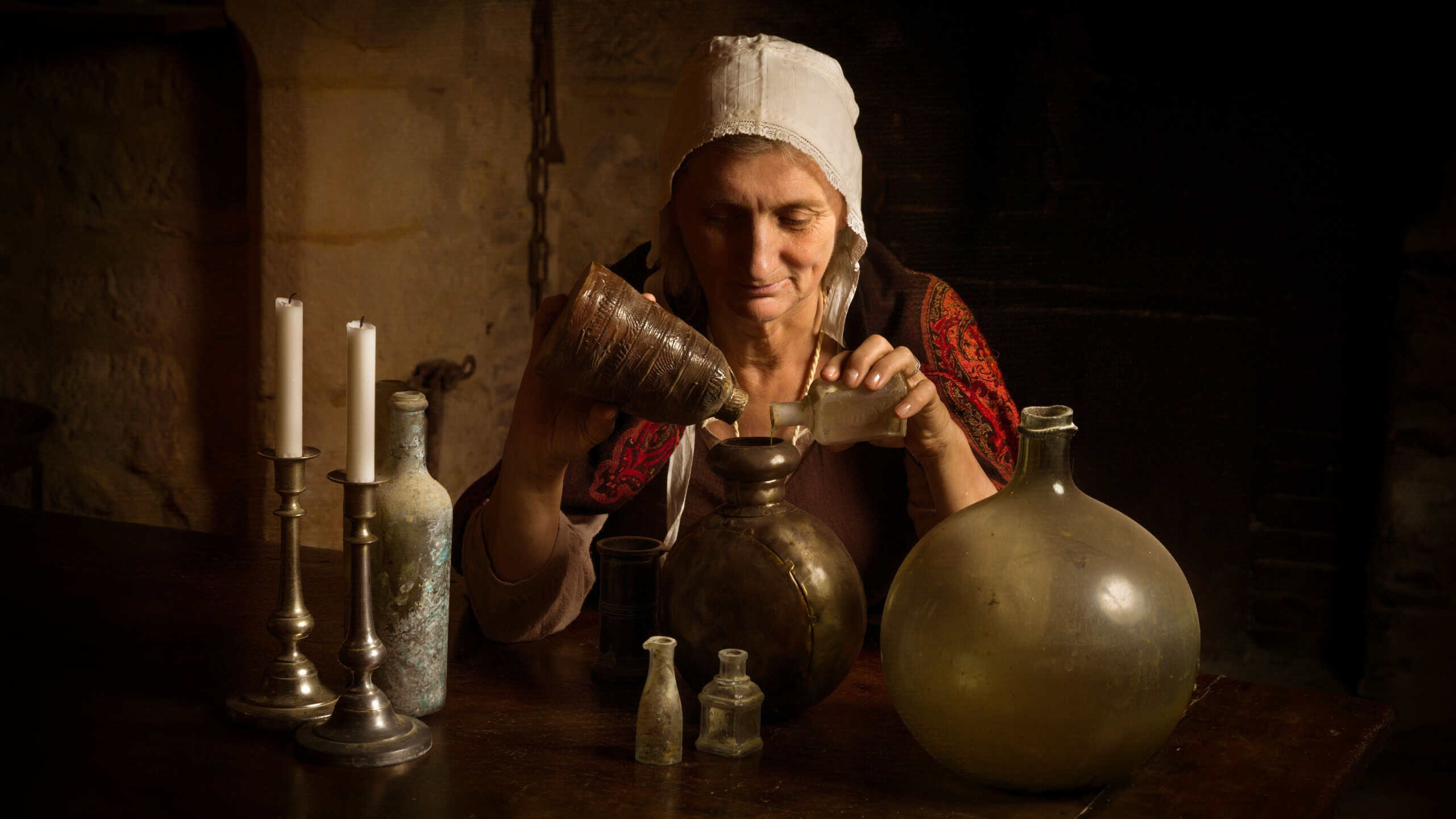
Old age meant something completely different in those days than it does today. It’s not like there was a retirement party or pension plan, for example. As long as your body could still move, you could still do something useful, and you had no option to do it.
Things would get way too hard, way too quickly, otherwise. The chances of you reaching ‘retirement age’ were a lot lower in those days, but you’d be expected to keep working until the end either way.
Hands on the rules
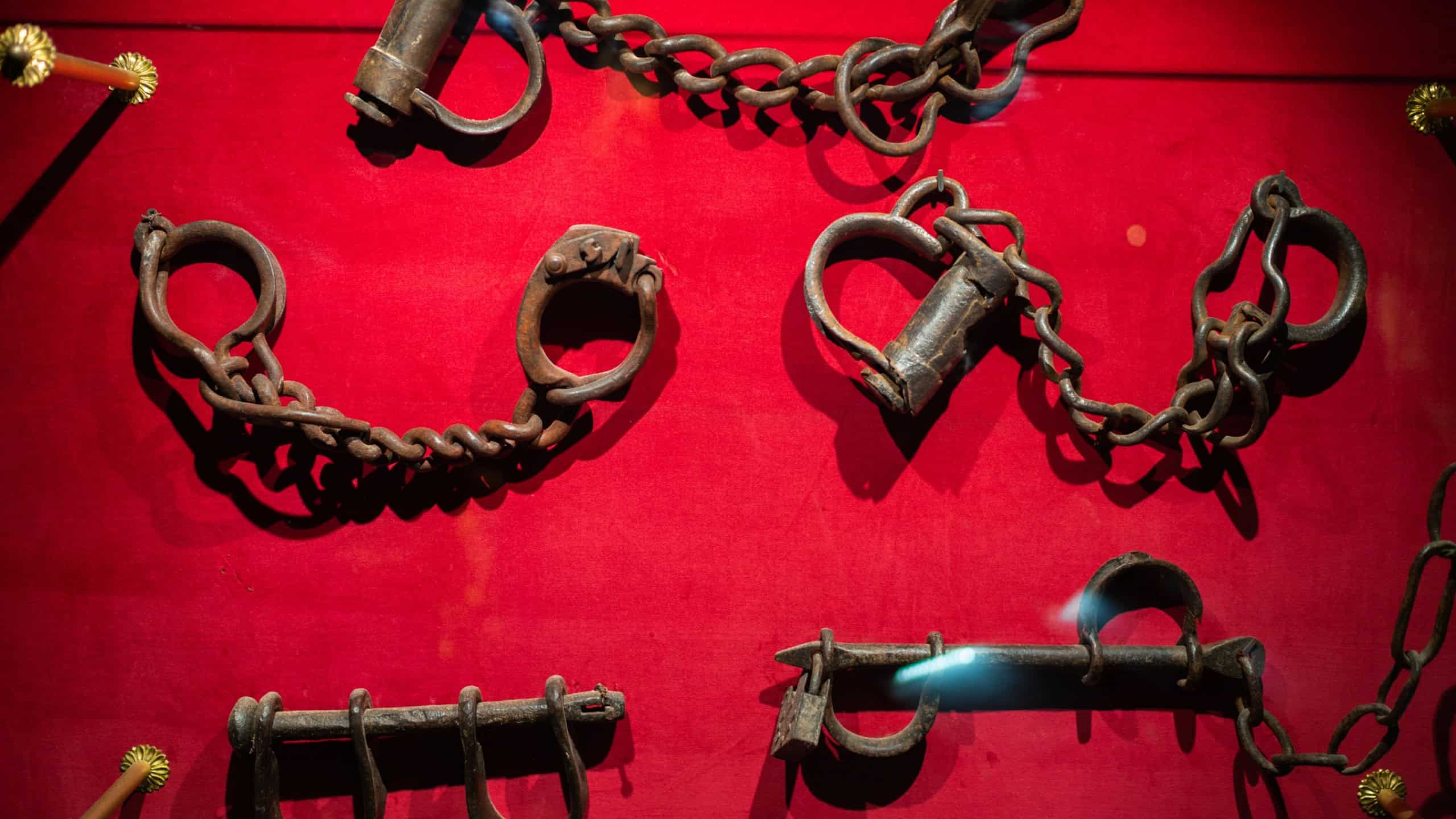
Violence was something you had to kind of accept in those days. Maybe a sheriff would chase a suspect, maybe a lord’s officials could haul someone into court. It was just generally accepted that, yes, violence was an appropriate way to deal with things.
Punishments were just as harsh, too. Whipping and branding were the tip of the iceberg, and things like mutilation or execution were a harsh reality. It all depended on the place and offense.
Out where people watched
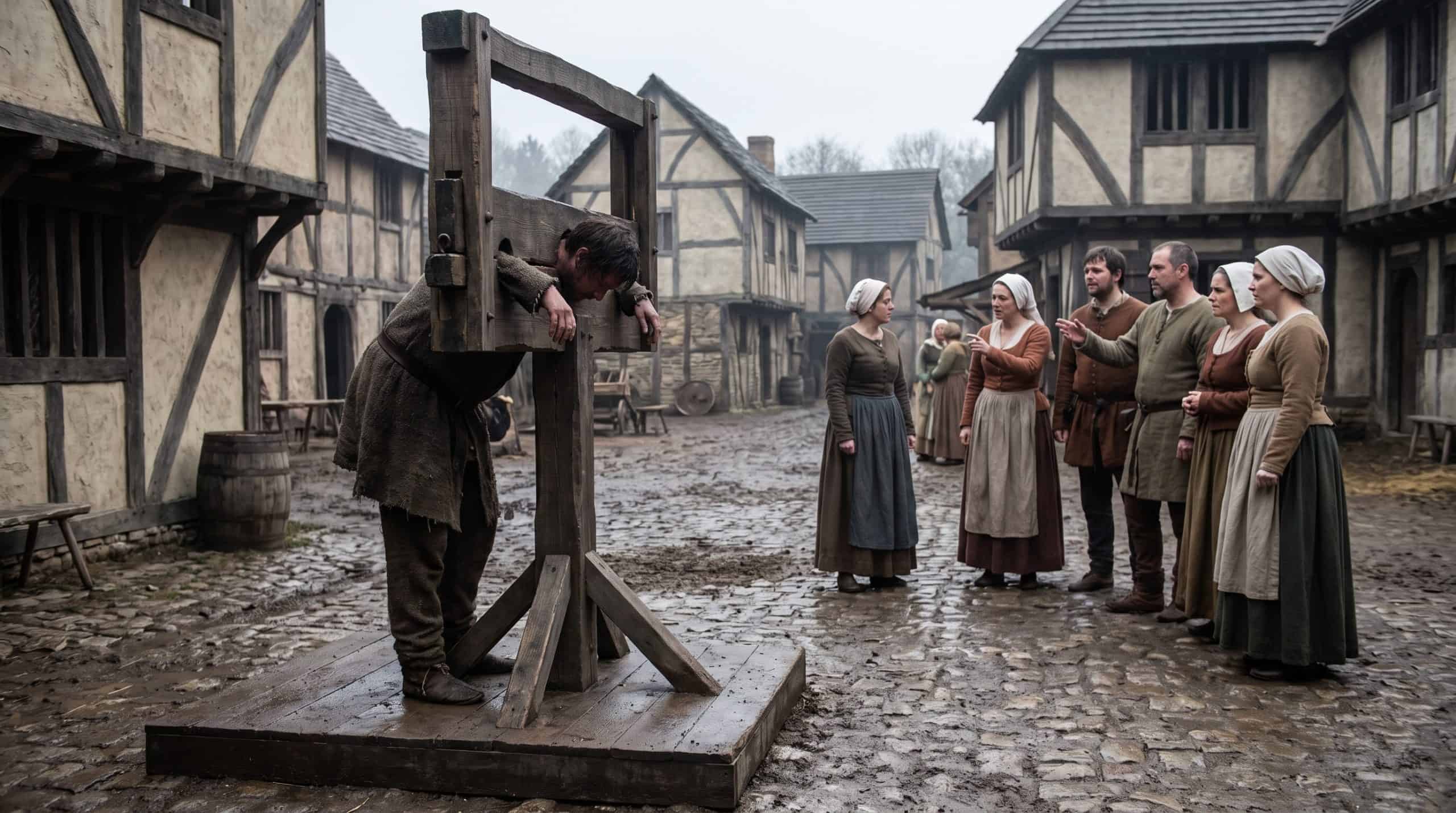
You had no privacy when you were being punished, and that was kind of the point. People wanted to see it happening. It’s why stocks were in practically every medieval village, along with pillories to lock people in.
You could be stuck in one of those for hours while your neighbors passed by. It was definitely awkward, but it was also absolutely humiliating. Everyone knew what you’d done wrong.
No safe place to land
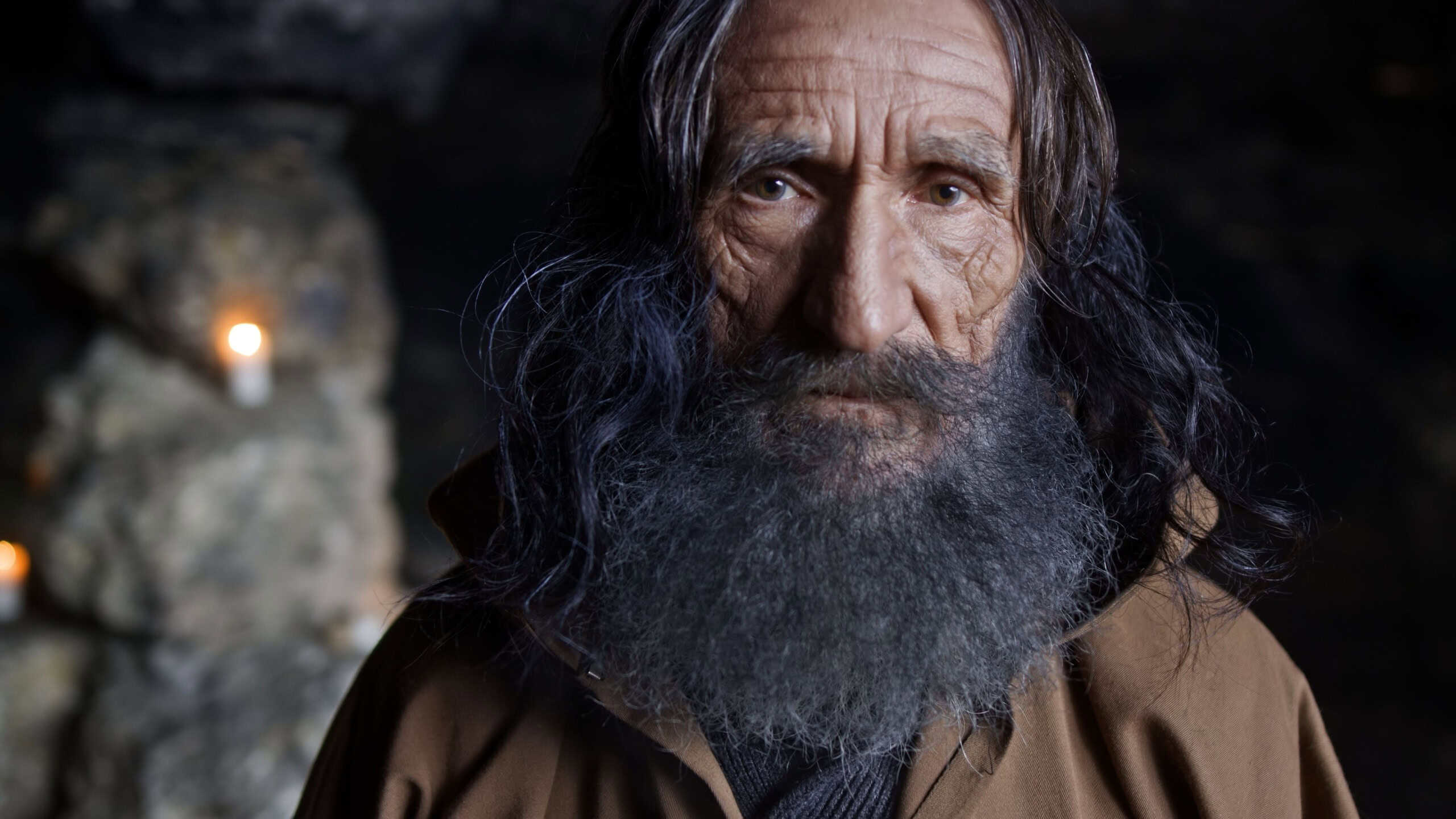
It’s not like people really had any understanding of mental illness in those days. There certainly wasn’t a public health system waiting to step in with any issues. No, most families carried the burden of dealing with it, and the state took no responsibility at all.
It was normal to blame these issues on supernatural causes, or even blame the mentally ill themselves. Hearing voices was a sign you were a witch, for example. Suffering from a mental illness could get you sent straight to an asylum, which was a place that was more like a prison.
Paths already marked
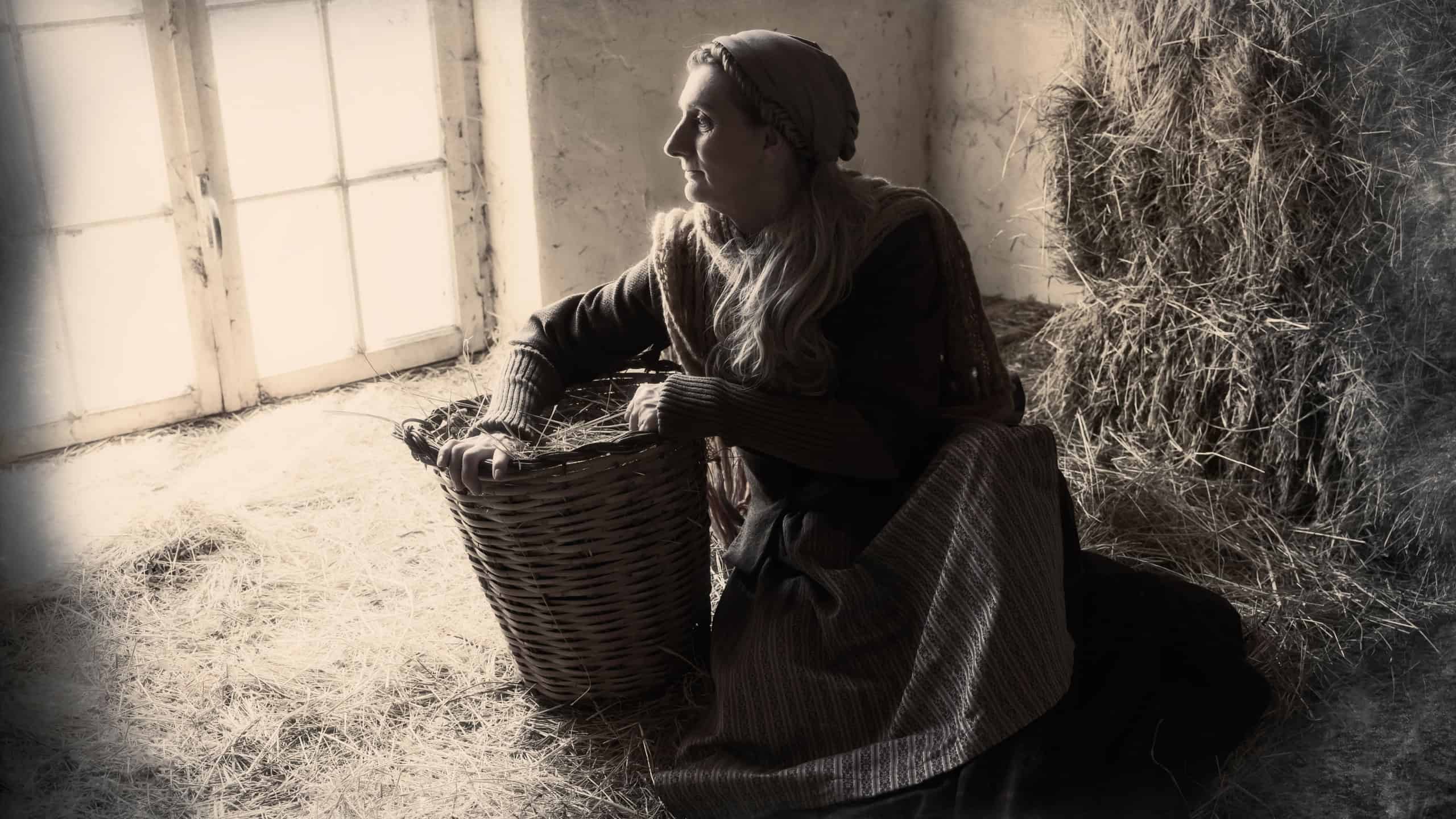
You didn’t have to understand the rules. You just had to play by them. Everything about you, including your status and occupation, was decided the moment you were born. Social mobility was basically non-existent.
If you were born into a peasant family, you’d probably have to work on the land. There was no other choice. Most peasants were bound to an estate or manor and had to work there until the day they died.
The quick turn
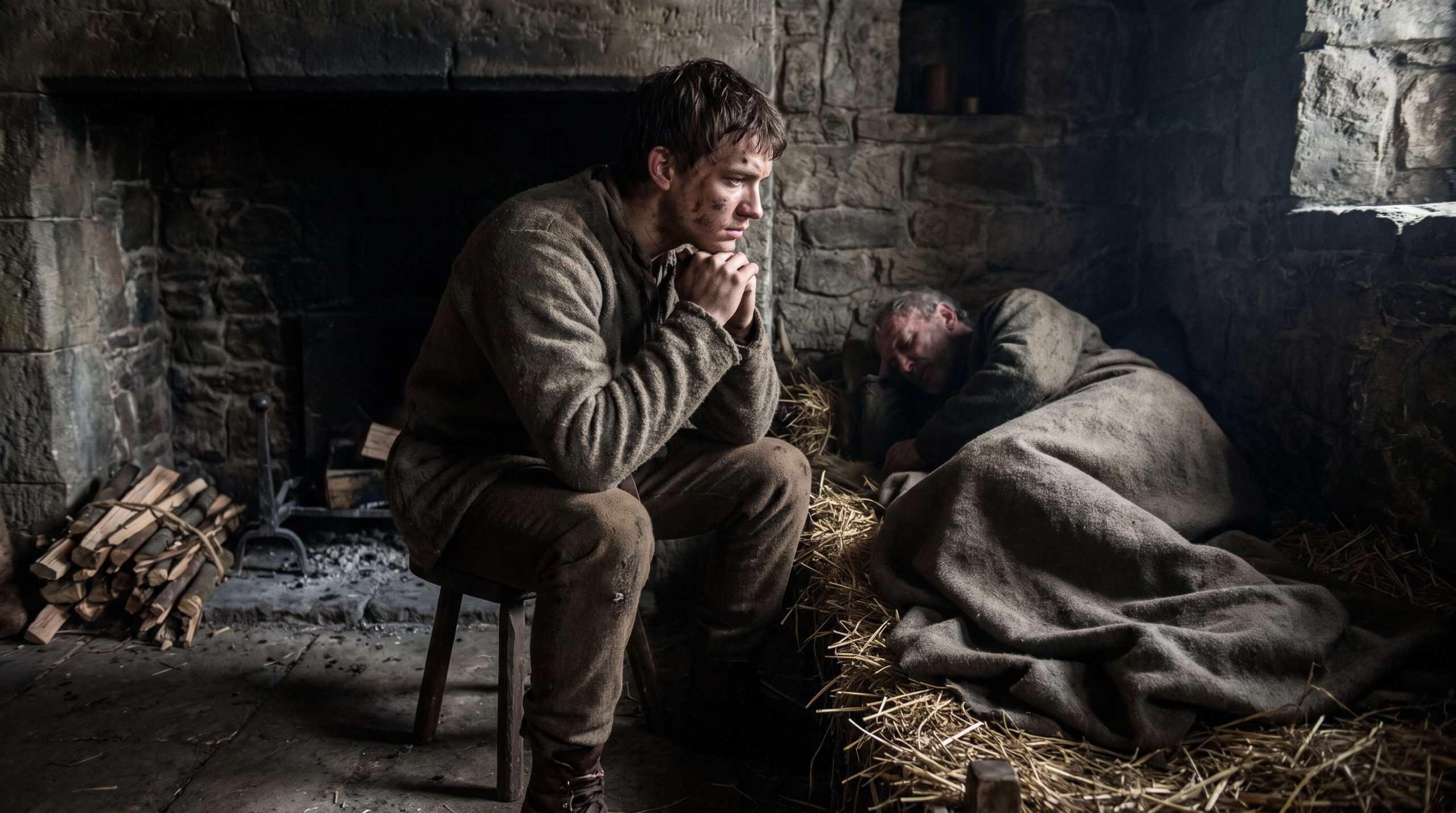
Being young and strong meant that you could do chores like hauling wood or plowing fields. But that was no guarantee of safety, far from it, in fact. Disease affected people of any age, and sicknesses like the Black Death didn’t care how old you were.
You could be young and still die fast, much faster than you might today. There was no healthcare to protect you, and there wasn’t always an older generation to look after you, either.
Past the boundary
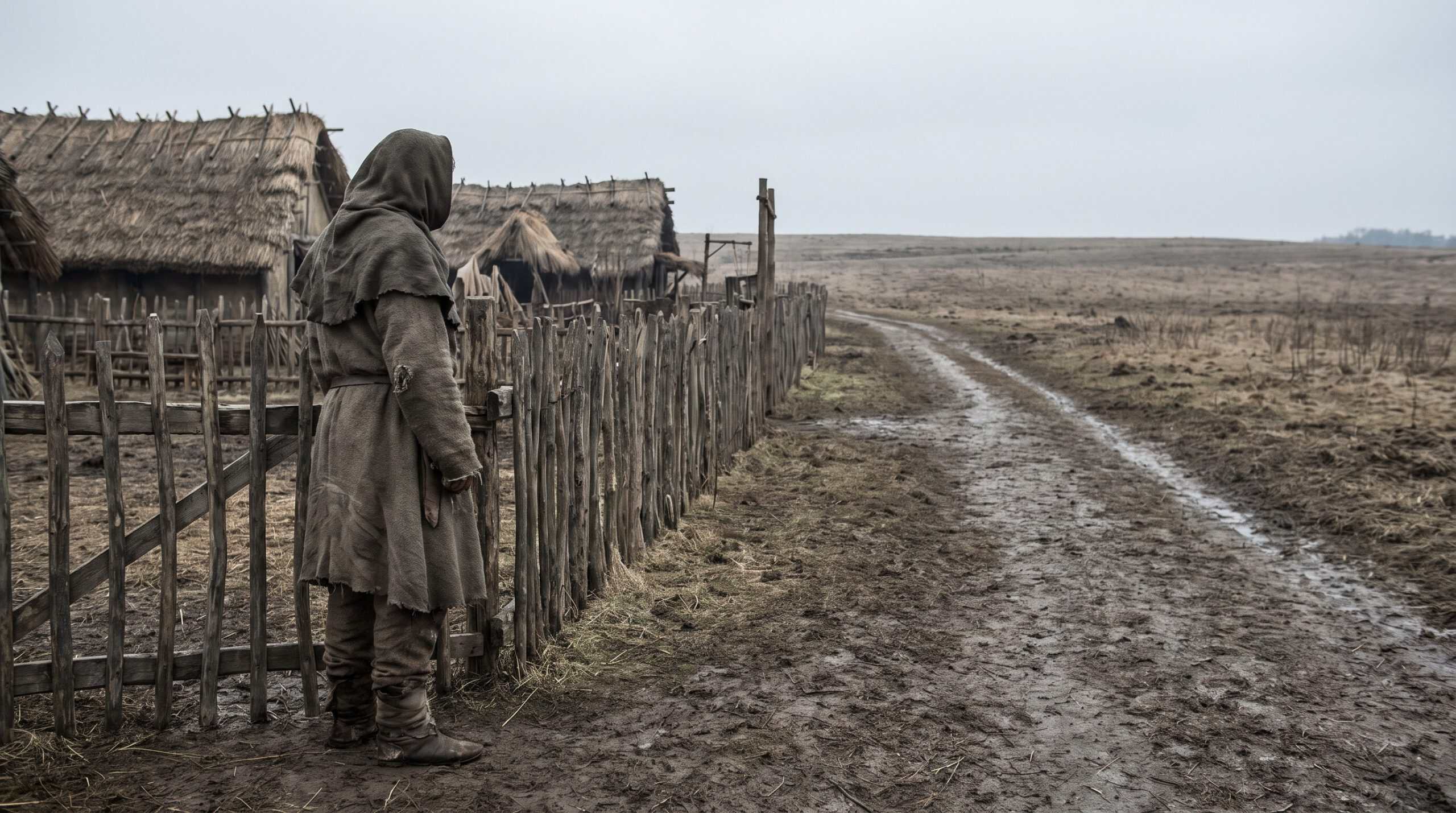
With all those problems, you might think you could just run away and not have to deal with them. You’d be wrong. A lot of peasants were serfs, a kind of agricultural worker, and they’d owe things to a lord. Things like work, rent, or services had to be paid off, sometimes to the estate.
You couldn’t exactly run away from that. Besides, where would you go, anyway? Down the road meant going somewhere with no food and no safe bed. There was no guarantee the next village wanted a stranger hanging around.
Close walls
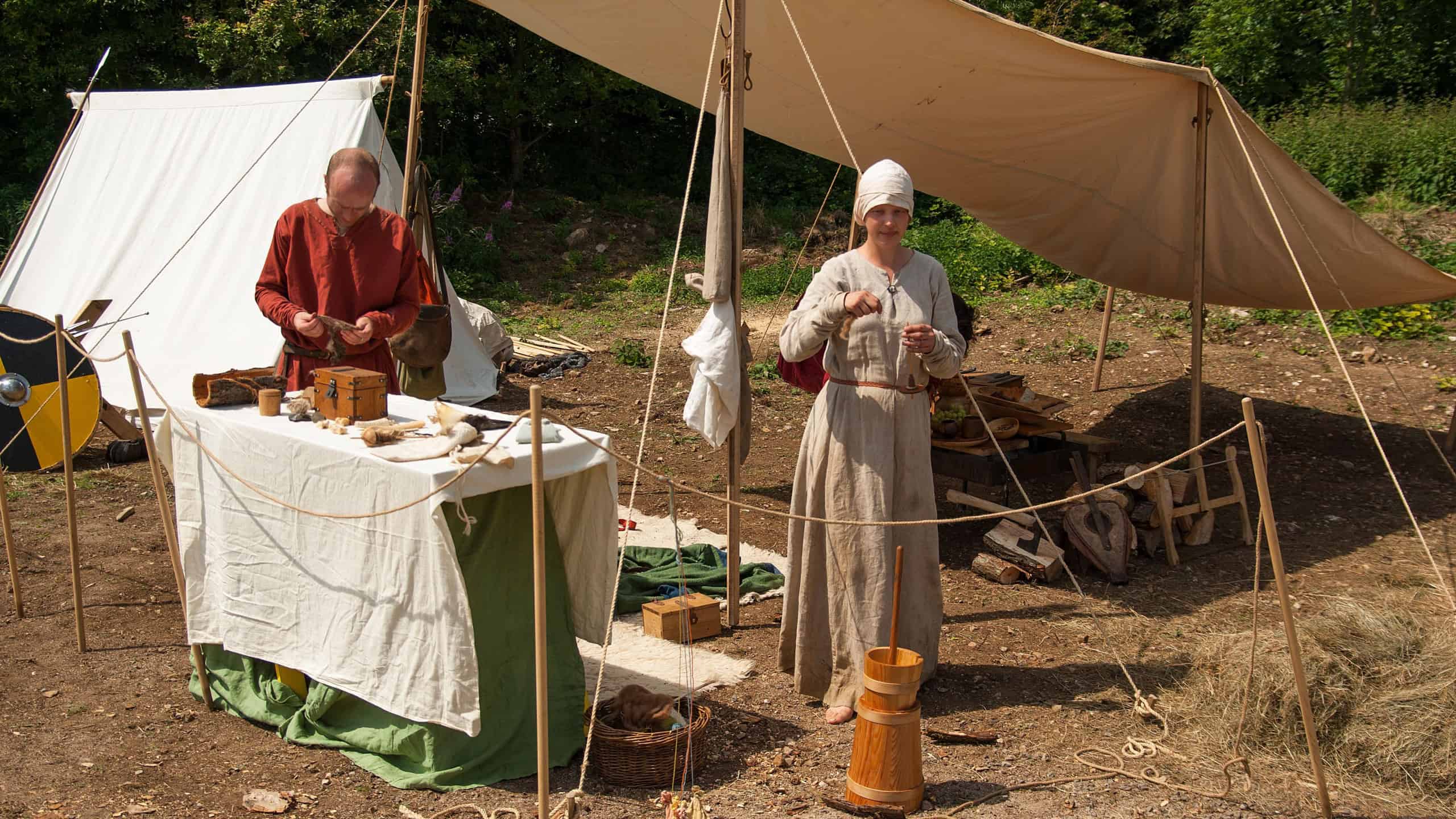
We think about ‘home’ today, and we think about things like comfy beds and hot showers. Medieval people didn’t think that way. For them, a home was just a place to keep out the worst rain, and hold a bit of heat. You had to pray it didn’t fall down yet.
Many village homes used wattle and daub, both of which could fall down way too easily. A hearth could help you keep warm. However, smoke would sit in the room before drifting out. Hard floors, thin bedding, and winter air would be comfortable for five minutes, nothing more.
Sources: Please see here for a complete listing of all sources that were consulted in the preparation of this article.
10 odd punishments handed out in medieval courts
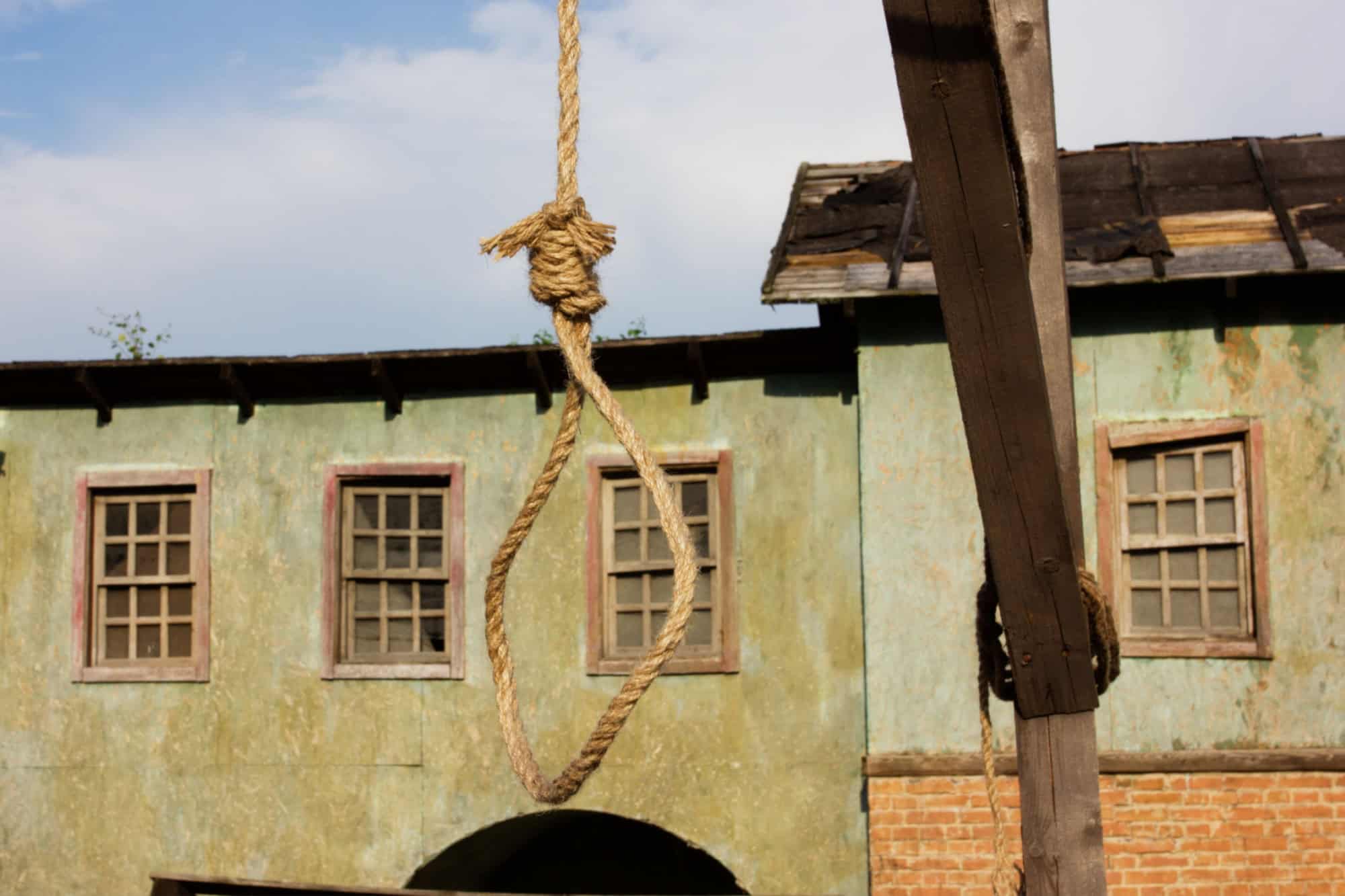
Medieval courts used whips & the gallows quite freely. But they also took things further by handing down punishments that, sometimes, were crimes themselves. Here are ten odd punishments handed out in medieval courts.


