

Forget what you’ve heard about medieval life because the truth is, it was a lot cleaner and funnier than a lot of history books make you believe.
Someone had to heat the water
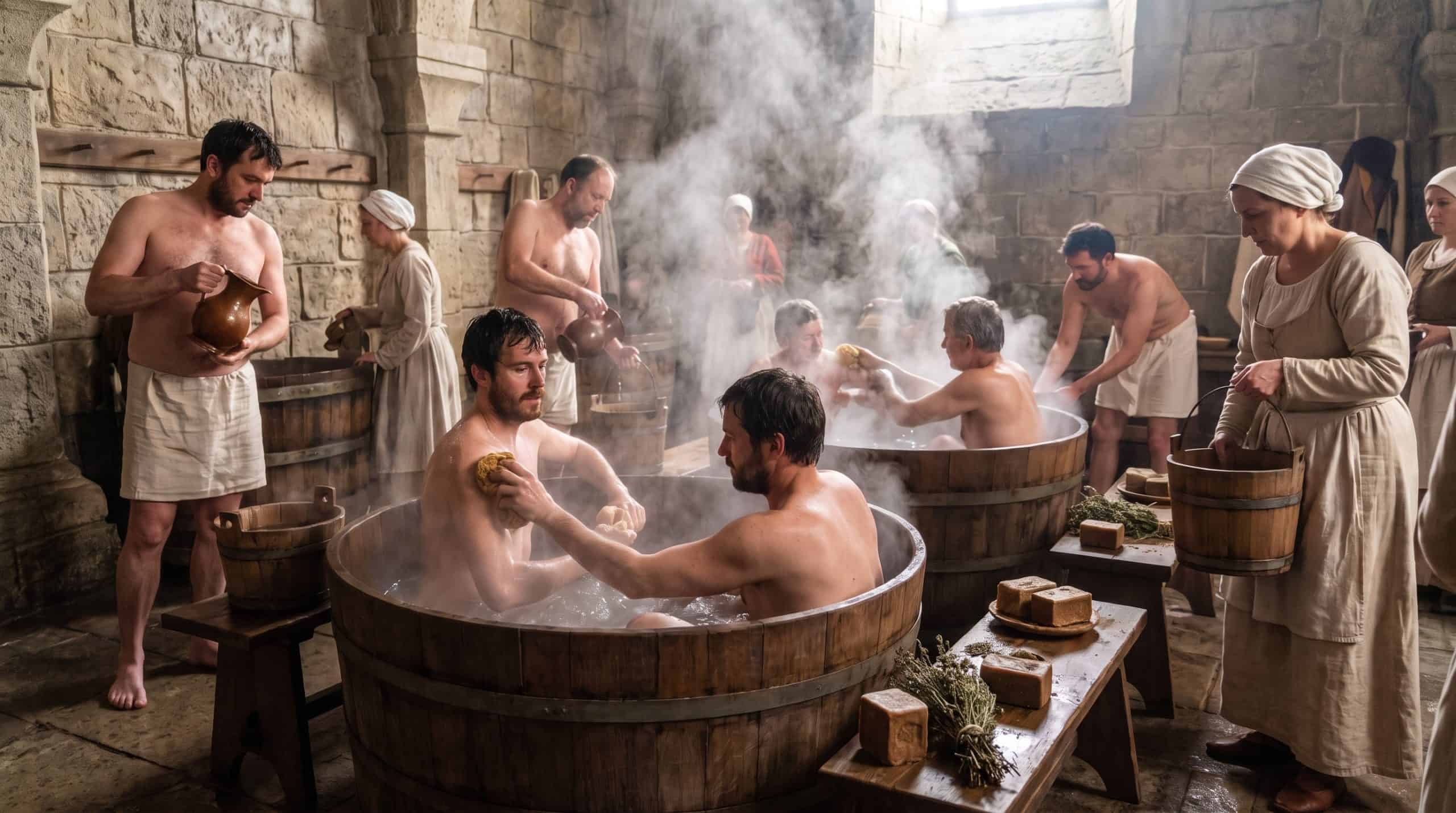
‘Medieval people didn’t bathe,’ that’s a myth that’s somehow survived forever, even though it’s not true. It’s not like they were wandering around feeling proud to smell bad or anything, certainly not. They still used tubs, they still used sewers, they even had soap.
Warm baths were a little more work than they are today, but that doesn’t mean everyone was stinky back then. Some cities even had public bathhouses because bathing was so common. It was hardly a time when everyone feared water.
A smell with paperwork

The image people have of the streets isn’t quite right, either, although that’s not to say all medieval towns smelled great. Some of them did indeed smell awful. But the idea that they were nothing more than open sewers with houses attached, that’s not quite right.
Town councils made rules about things like waste, butchers, blocked rivers, and dung in the wrong places. It mattered to the people back then as much as it mattered to us. Parts of their towns were messy, but there were still rules; both things can be true.
More than the crusts
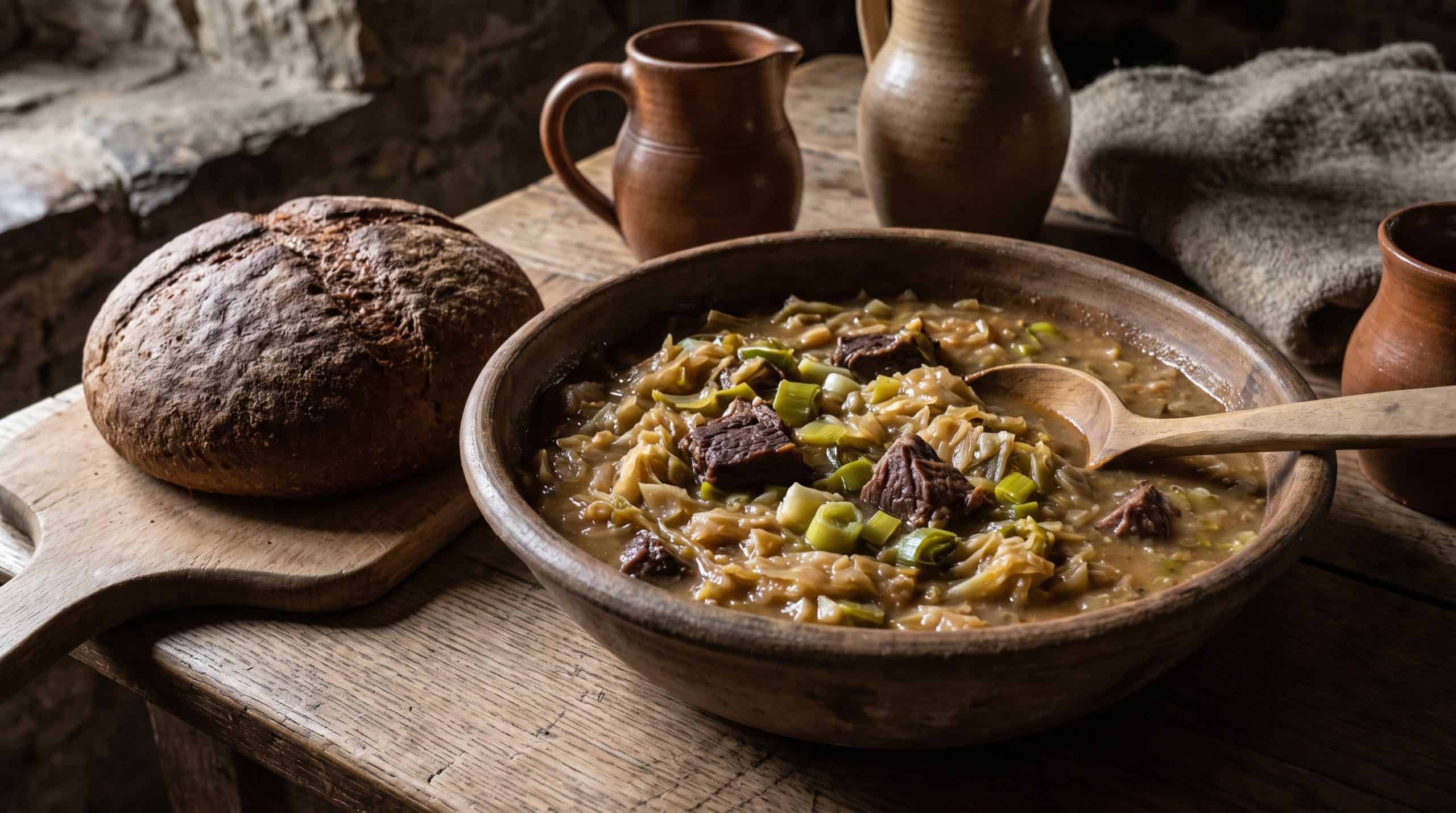
It’s true that bread mattered a lot to medieval peasants, it’s not true they only ate a bit of crust and drank a bowl of gray water. Food traces left in pottery show they had things like pottages with beef or mutton, cabbage, and leeks; slightly more adventurous food than you might think.
This sort of food has body to it, and dairy only made them even better. They had green cheeses in some meals, for example, and while it wasn’t fancy, definitely not, it wasn’t your normal cartoon bowl of stuff, either.
Roads didn’t sit empty

Here’s the thing, medieval people were a lot closer to home than we are, they didn’t really have much of a choice. But the idea that most people were born and later died in the same village, without ever going anywhere? Just not true, not even in the slightest.
Records from the time show that many serfs, special kinds of agricultural workers, left their land without permission to look for work, to look for something new, to look for anything, really. They weren’t just stuck in the same place all the time.
A seal on the page
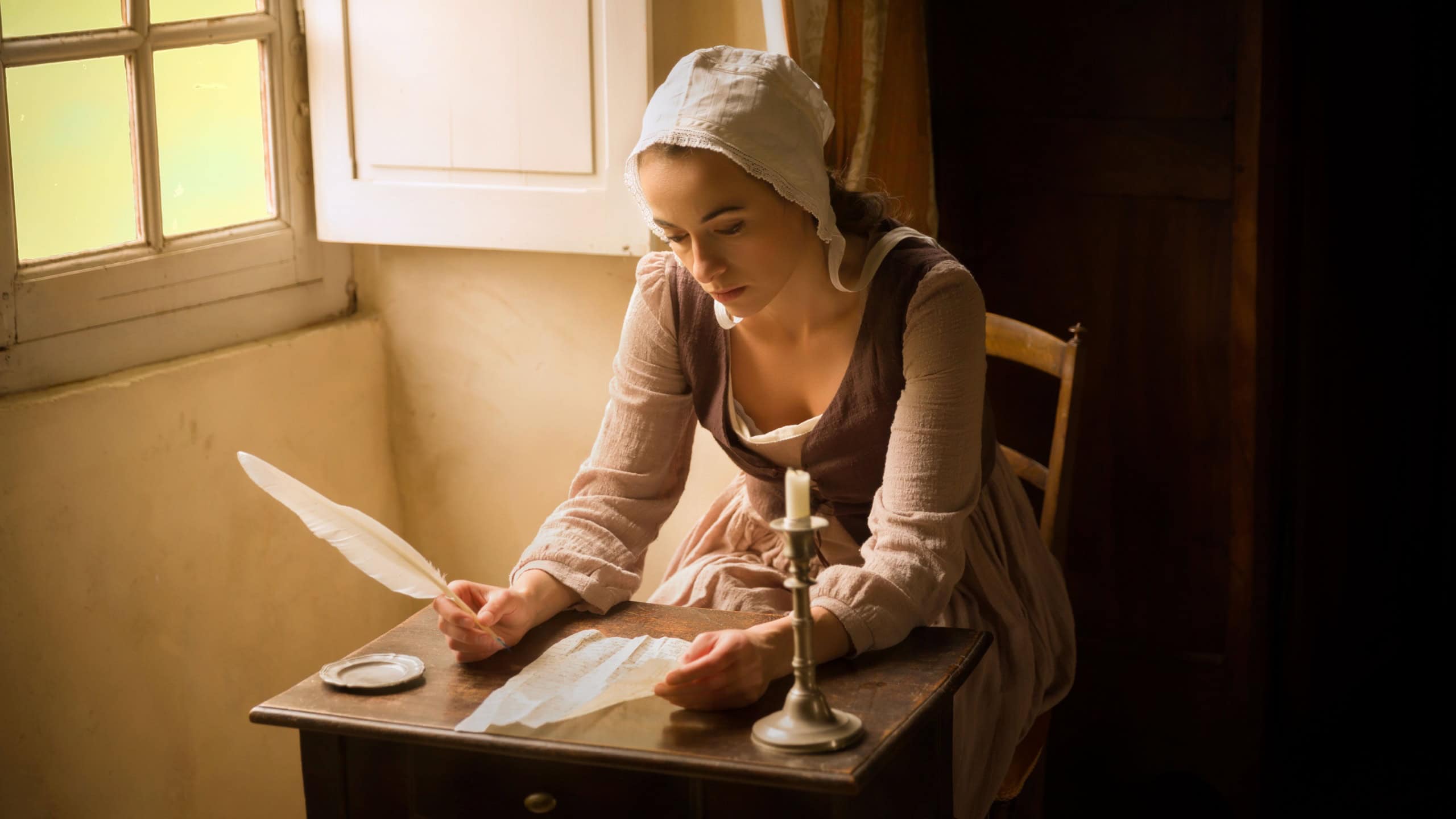
There’s no denying that women’s lives were restricted back then, yet the idea that they were locked away with no role doesn’t hold up. We know from old land deeds that some women did actually own land in medieval England.
They could sometimes inherit land and pass it on to their relatives. That’s not all, some women wrote, healed, ruled, traded, they did all sorts; it’s just that they didn’t have as many freedoms as women today.
Recipes, hands, and knives
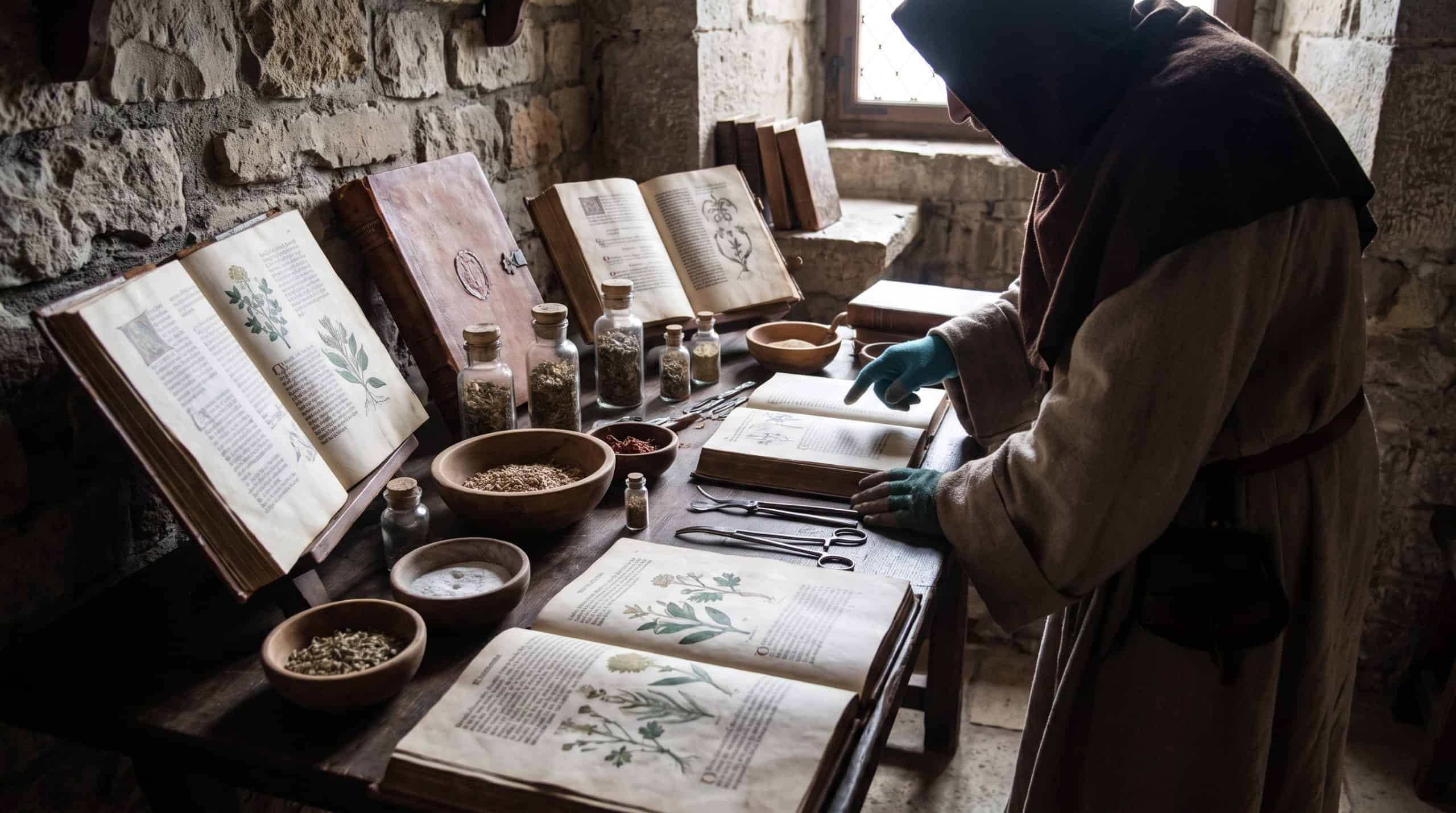
No, medieval medicine didn’t simply involve monks saying prayers over sicknesses. There was some of that, yes, but there were also several medieval medical books that had recipes and herbs. They had notes on surgery and how to live healthily, as well as women’s health material.
That’s not to say all their methods worked, some of them were pretty out there. They were still trying, though, and they were using all the tools they had to treat sicknesses.
A sky mapped in brass
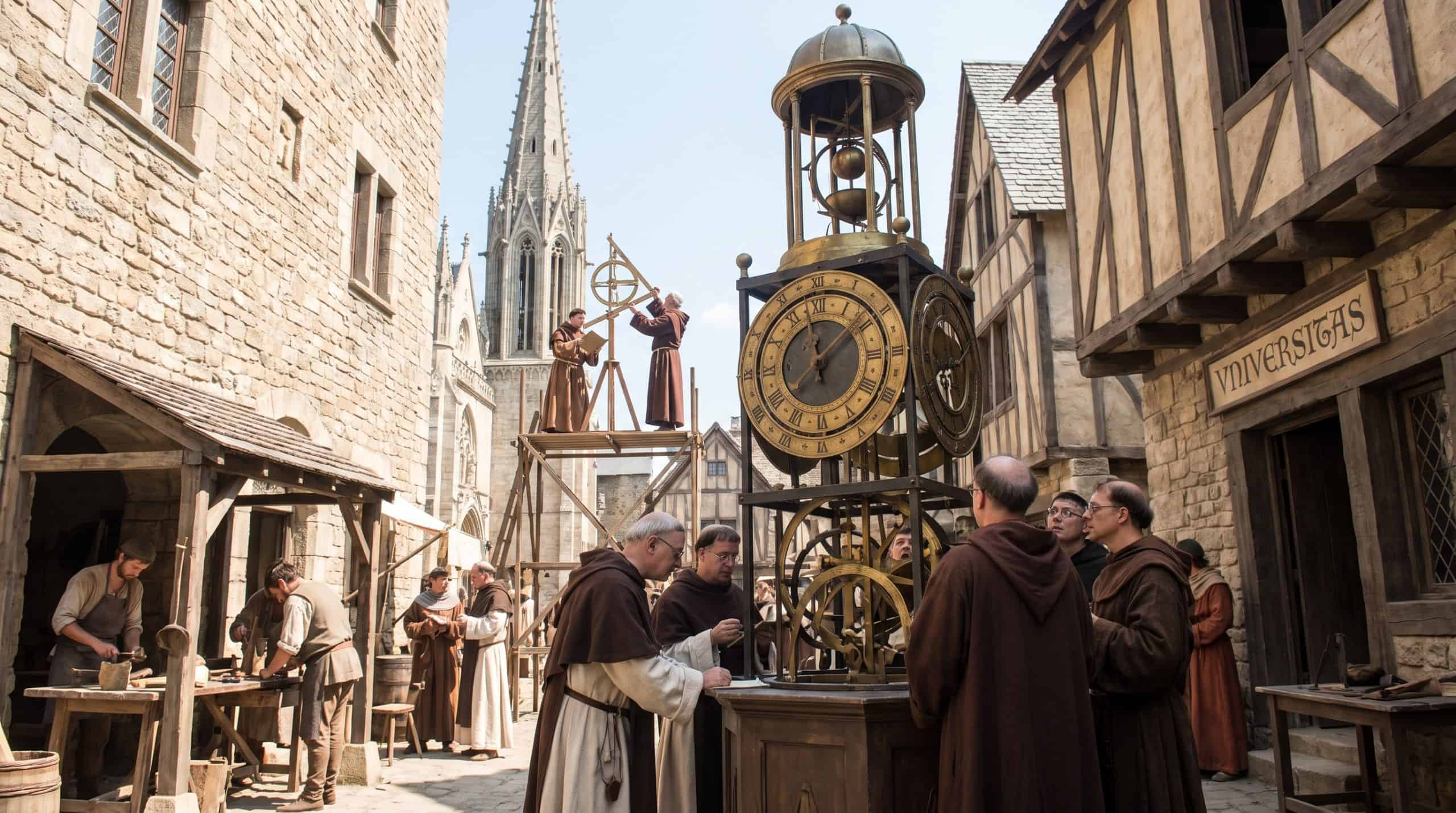
The Middle Ages. There’s a version of it where people act like nothing happened for a thousand years, people just sat there doing nothing, not advancing. Not true. People back then were working on things like telling the time and measuring the height of things, for example.
They were understanding the world around them, and beyond the planet, too. This period of ignorance happened at the same time that people had universities, eyeglasses, and mechanical clocks; not exactly backward, is it?
Not stuck in tin
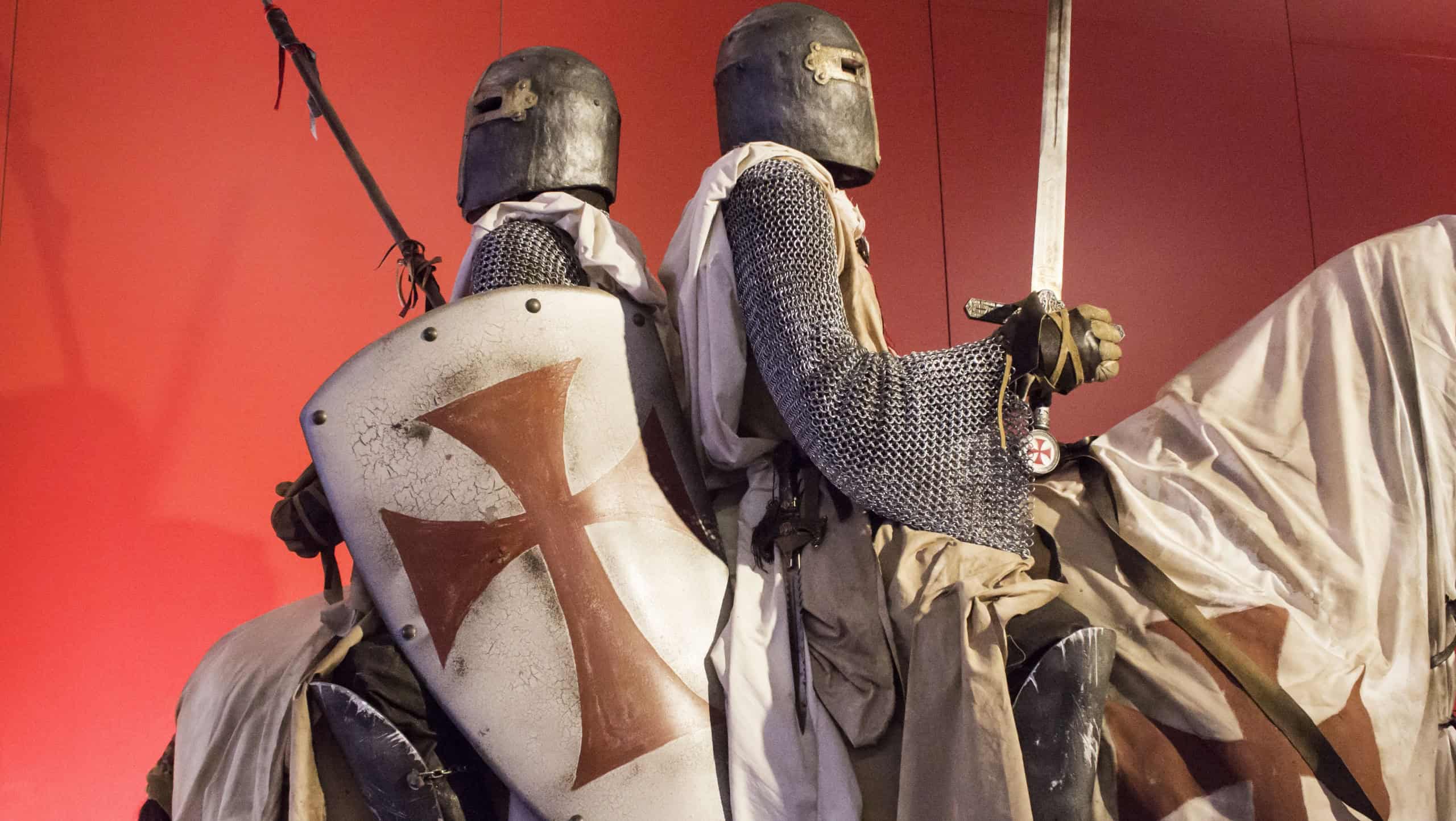
A knight’s armor had to be flexible. That sounds kind of obvious when you think about it, but some people seem to believe that their armor was really hard to get into, like it weighed a thousand pounds. Why would they even bother wearing something like that?
Field armor had to let a man ride, walk, kneel, swing, do all kinds of things after being knocked around. It’s true that a full battlefield suit was usually about 50 to 60 pounds, but we can’t ignore how that sat across the body, it wasn’t just heavy in one part. It couldn’t be.
Not just torture
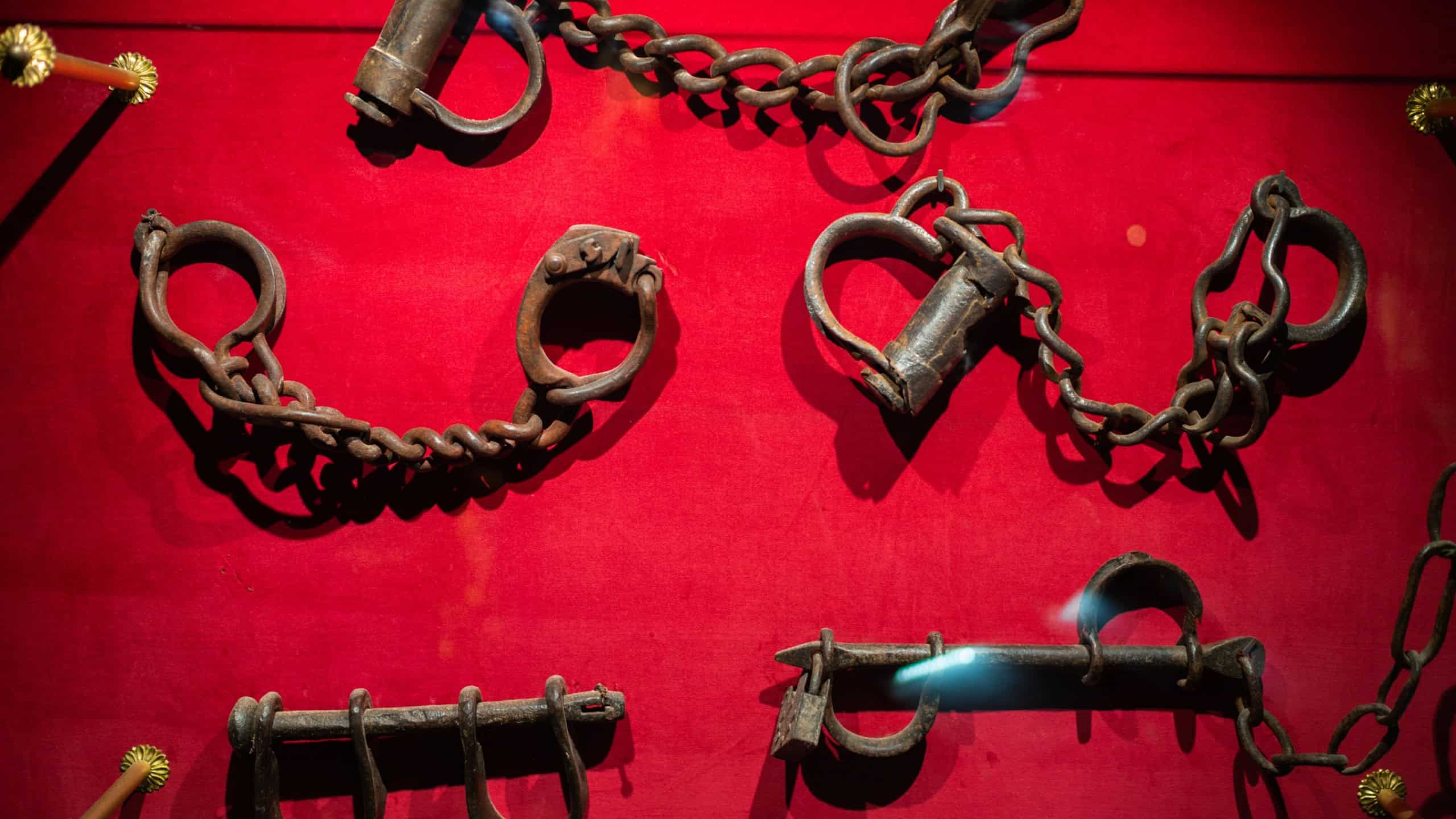
The history books probably make you believe that medieval courtrooms were dark rooms, where somebody tortured a confession out of a prisoner. Real life wasn’t like that. It was actually a lot more dull, in fact, and many court cases were about who owed money or could own land.
They had to deal with a lot of paperwork, just like today, and torture was way less common than you might expect. Legal procedures mattered a lot in those days, too, even if they were a little different from ours today.
Snails came armed

It doesn’t take long for the myth of the humorless medieval robot to fall apart, just look at manuscript margins. The main text is serious, naturally, but the margins have all kinds of funny details. Rabbits playing instruments? Men fighting snails?
Medieval people had a weird sense of humor and found the funny side to life like the rest of us. Doesn’t matter how serious the text was, they were still trying to find a laugh somehow.
Sources: Please see here for a complete listing of all sources that were consulted in the preparation of this article.
10 historical figures who took secrets to the grave

Unanswered questions are the worst, and it’s even more terrible when they continue to be unanswered because the people with the answers took them to their graves.

