

It’s easy to think of ancient civilizations’ rulers as geniuses; however, some of them weren’t always the brightest bulbs in the box.
Marcus Licinius Crassus
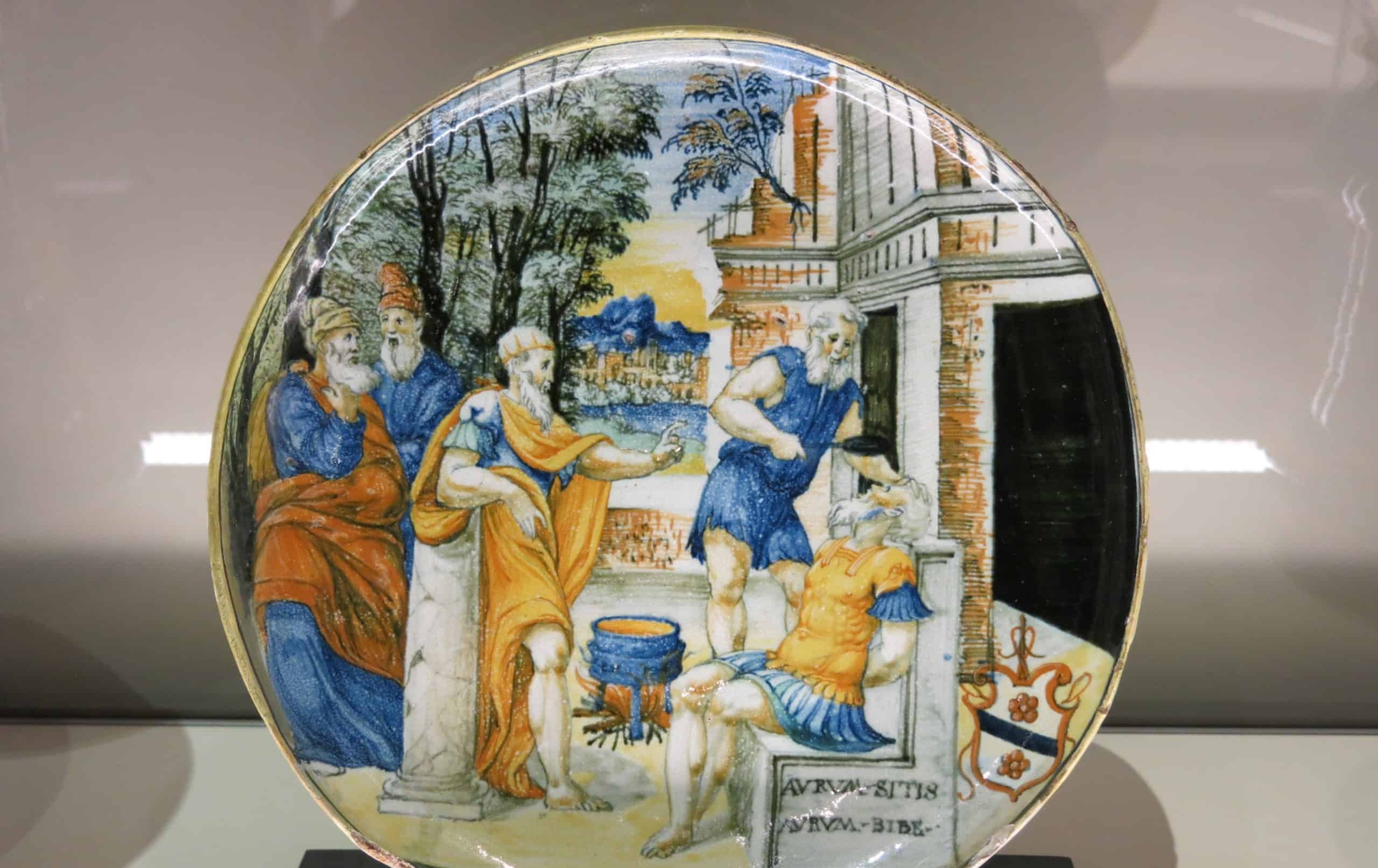
Crassus was the richest man in Rome but was hungry for the military glory that his peers Pompey and Julius Caesar were obtaining.
In 53 BCE, Crassus led a huge Roman army into the desert of Parthia (Iran). He failed to scout the territory and secure cavalry of his own and was ambushed by swarms of nimble Parthian horse archers at the Battle of Carrhae. They picked apart Crassus’s infantry with ease.
Roman historian Plutarch even claimed that Crassus’ dead head was stuck on a stake and the enemy general had molten gold poured into his mouth as a message to Crassus’ reputation for greed.
King John of England
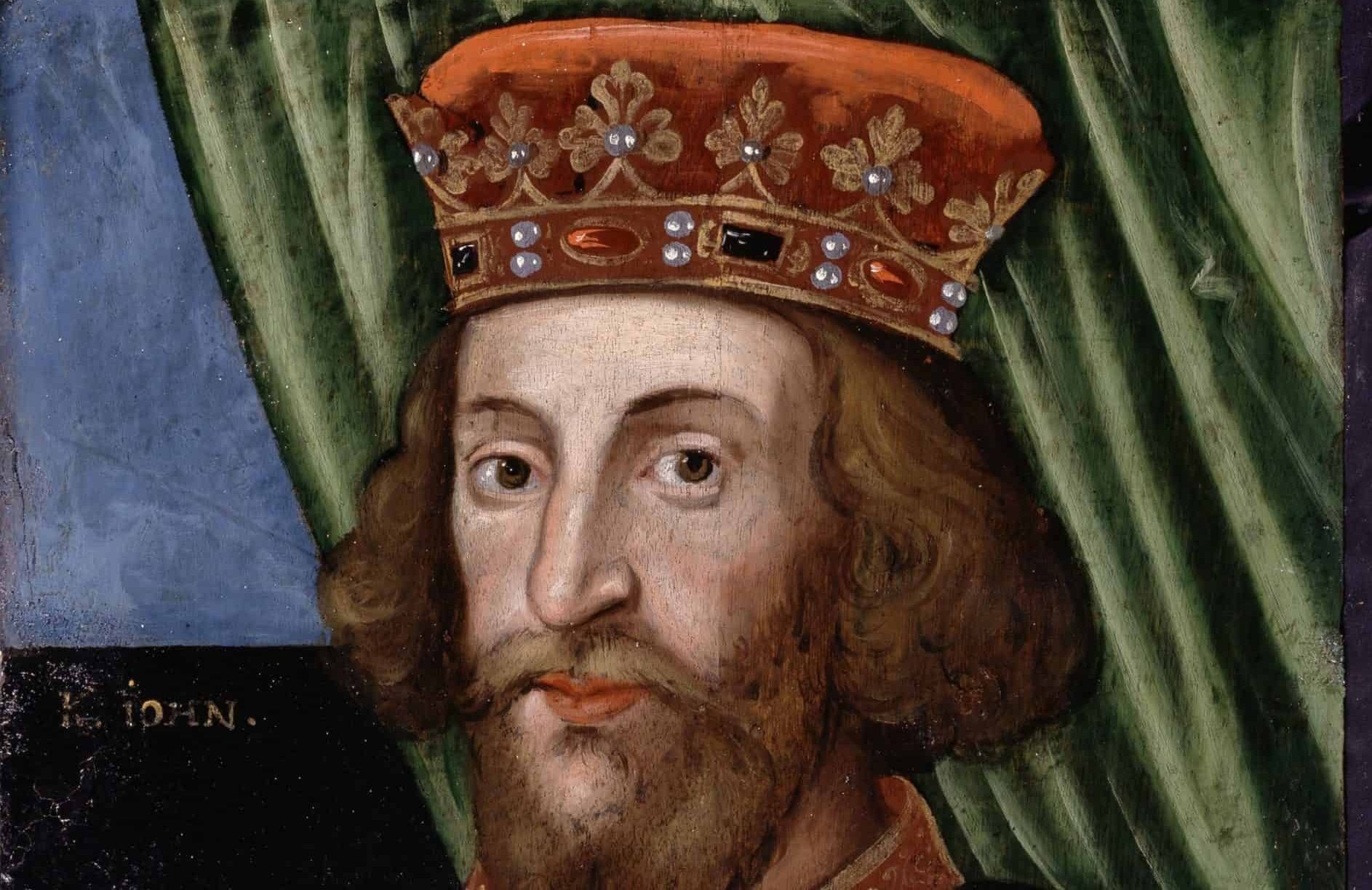
King John was already disliked due to losing most of his kingdom in France, but in late October of 1216, he managed to miserably fail at not just one but multiple aspects of logistics.
While John was marching his army across a tidal estuary known as The Wash in Lincolnshire his baggage train was taking a swim. He seriously miscalculated the tides that day.
His baggage train was filled with the Crown Jewels, tons of gold, and his personal wardrobe. Tragically everything was lost that day to the swirling waters. King John’s health failed soon after, and he succumbed to dysentery not long after the incident.
Qin Shi Huang
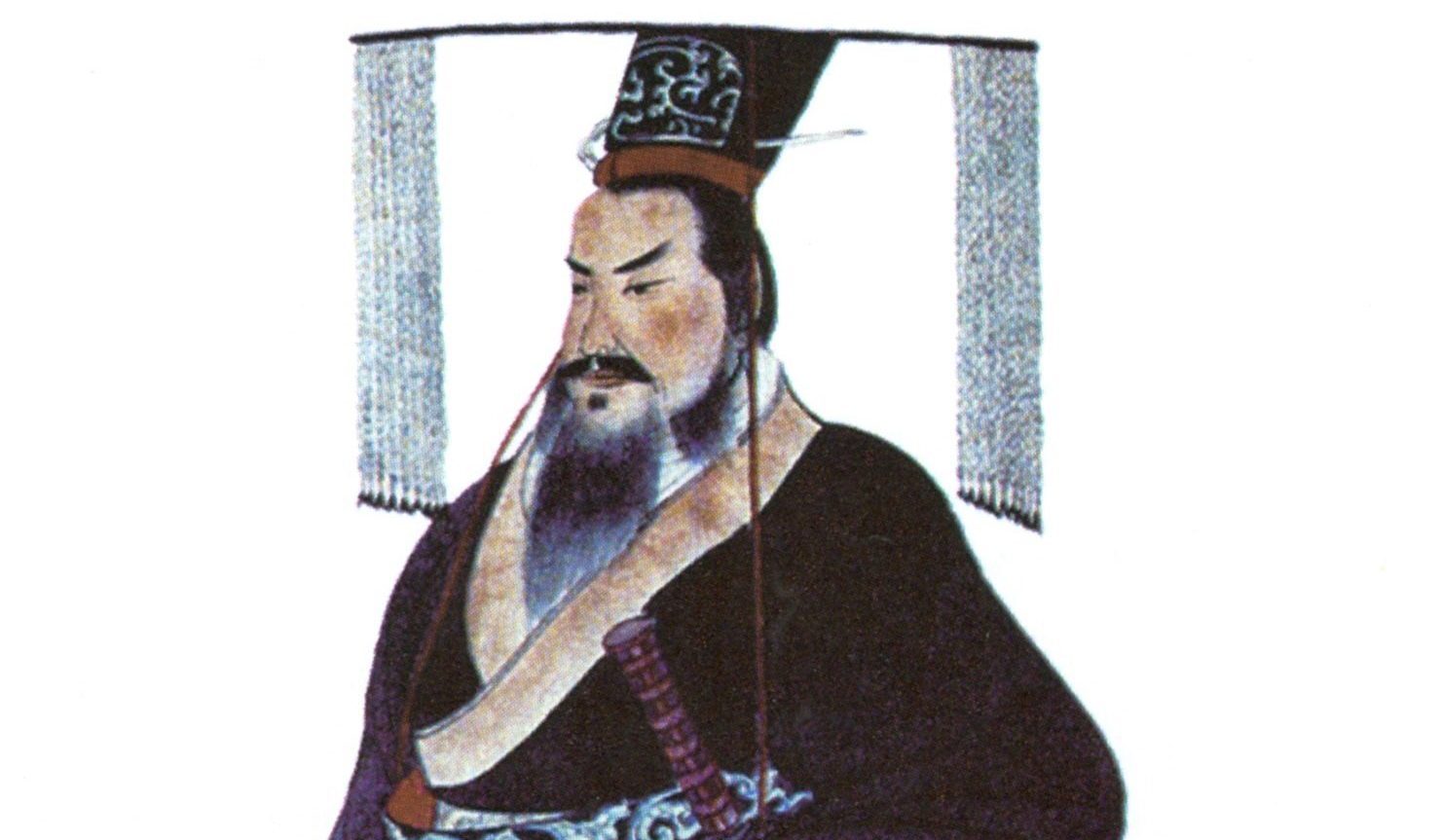
Obsessed with avoiding death, the first emperor of China went to great lengths to find the mythical elixir of life. Court alchemists promised him immortality with their mystical herbs and magical potions so he happily guzzled their experimental pills.
Little did Qin know that the special longevity pills he was taking were actually filled with a dangerous amount of mercury. The elixir didn’t make him live forever; it slowly killed him by rotting out his organs.
He died a painful death at age 49.
General George Washington (at Fort Necessity)
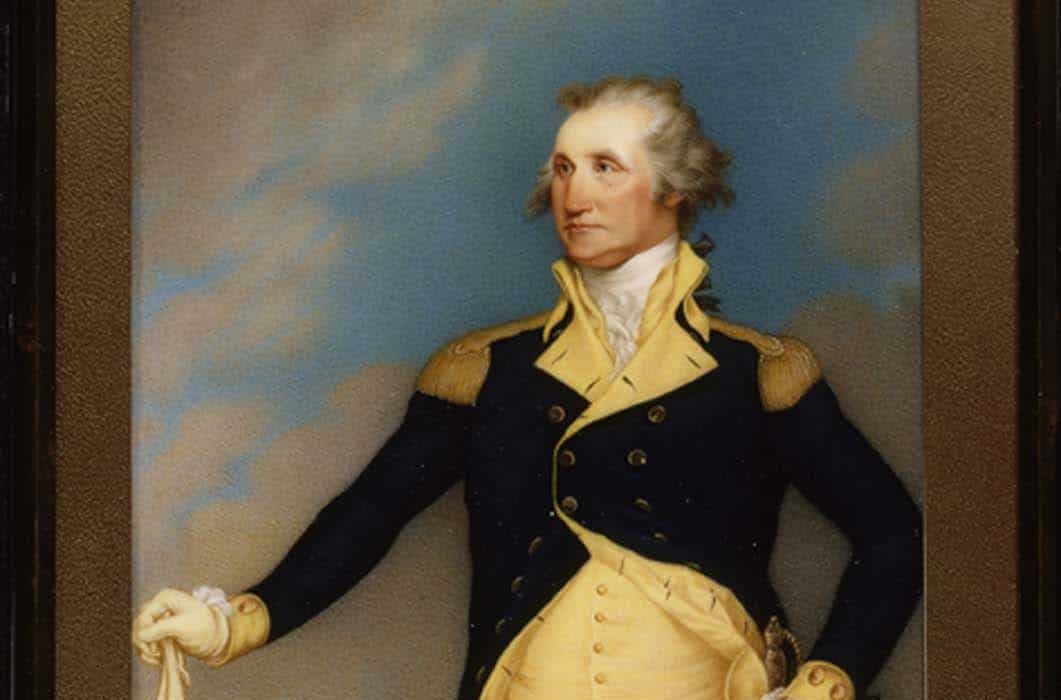
Before he was an American legend, George Washington was a young military rookie that majorly messed up during the French and Indian War.
In 1754, General Washington made a poor decision, ordering his troops to erect a wooden fort, known as Fort Necessity, right in a low-lying, marshy area encircled by hills.
When attacked by the French, his men got completely annihilated because the attackers literally just climbed the hill and shot at Washington’s troops. To top it all off, it started raining, soaking the soldiers and making Washington’s gunpowder useless. He was forced to surrender and go back home defeated.
King Charles VIII of France
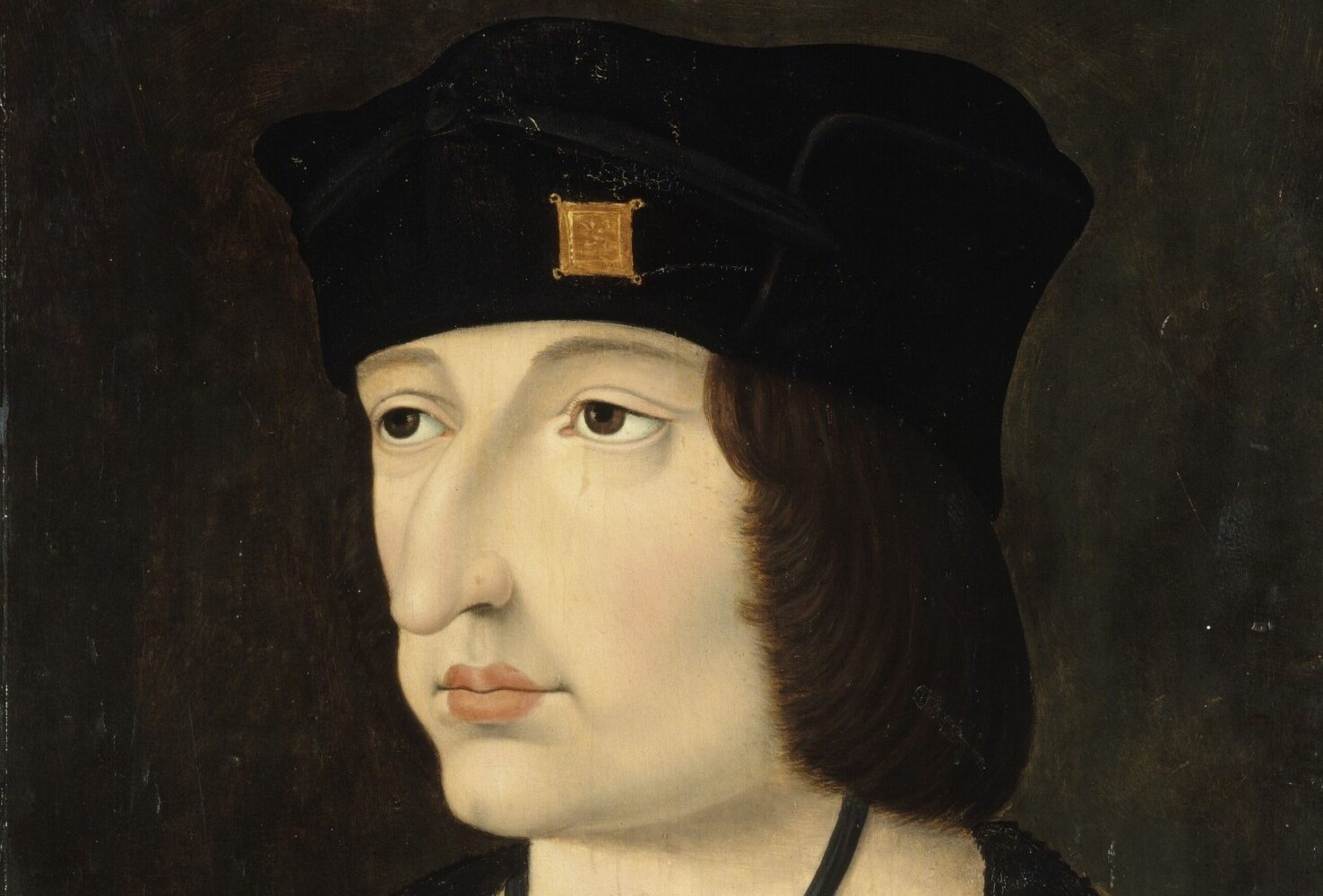
Charles spent his life as king of France leading expansionist campaigns in Italy in order to enforce his royal rights. He died from hitting his head on a door lintel while walking through his own castle.
In 1498, Charles wasn’t paying attention while dashing to catch a tennis game in a low-ceiled castle gallery at Amboise. He failed to duck and his head slammed into a stone door lintel, sending him tumbling to the ground.
He keeled over and went into a sudden coma. Charles’s life, and his dynasty, ended a mere few hours later at the tender age of 27, a victim of a truly unglamorous, fatal mishap.
Archduke Maximillian of Austria
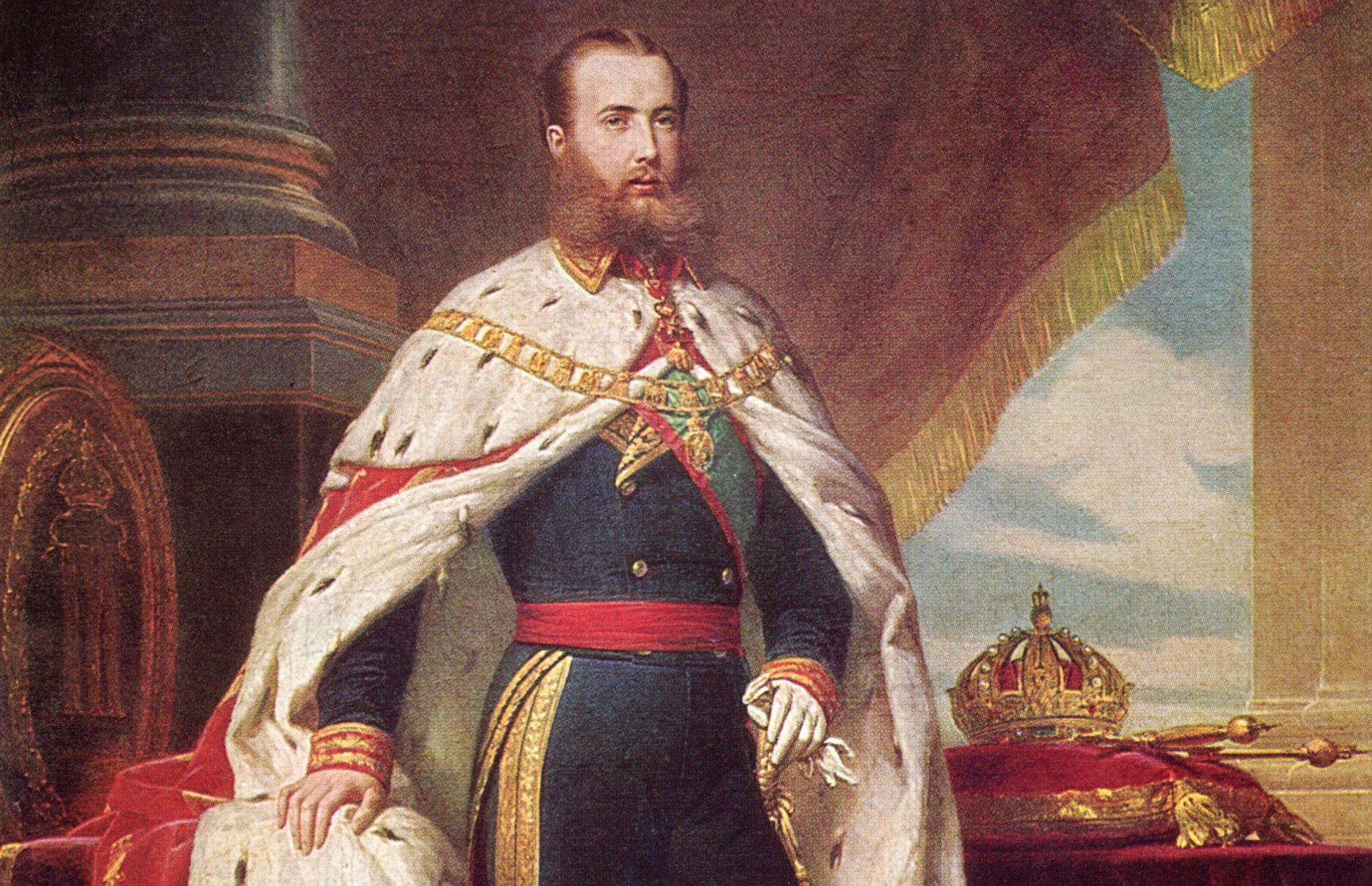
Seeking any opportunity to expand his influence worldwide, Austrian Archduke took an offer from Napoleon III of France to become Mexico’s new emperor in 1864.
Expecting the people of Mexico to adore having a cultured foreign king on their throne, Maximilian foolishly never anticipated Benito Juarez’s rebellion. Once French protection was gone with the removal of their army, Maximilian’s rule was quickly overthrown.
Shortly after, he fell into the hands of republicans, faced a trial, and was shot by a firing squad in 1867.
Thomas Midgley Jr.
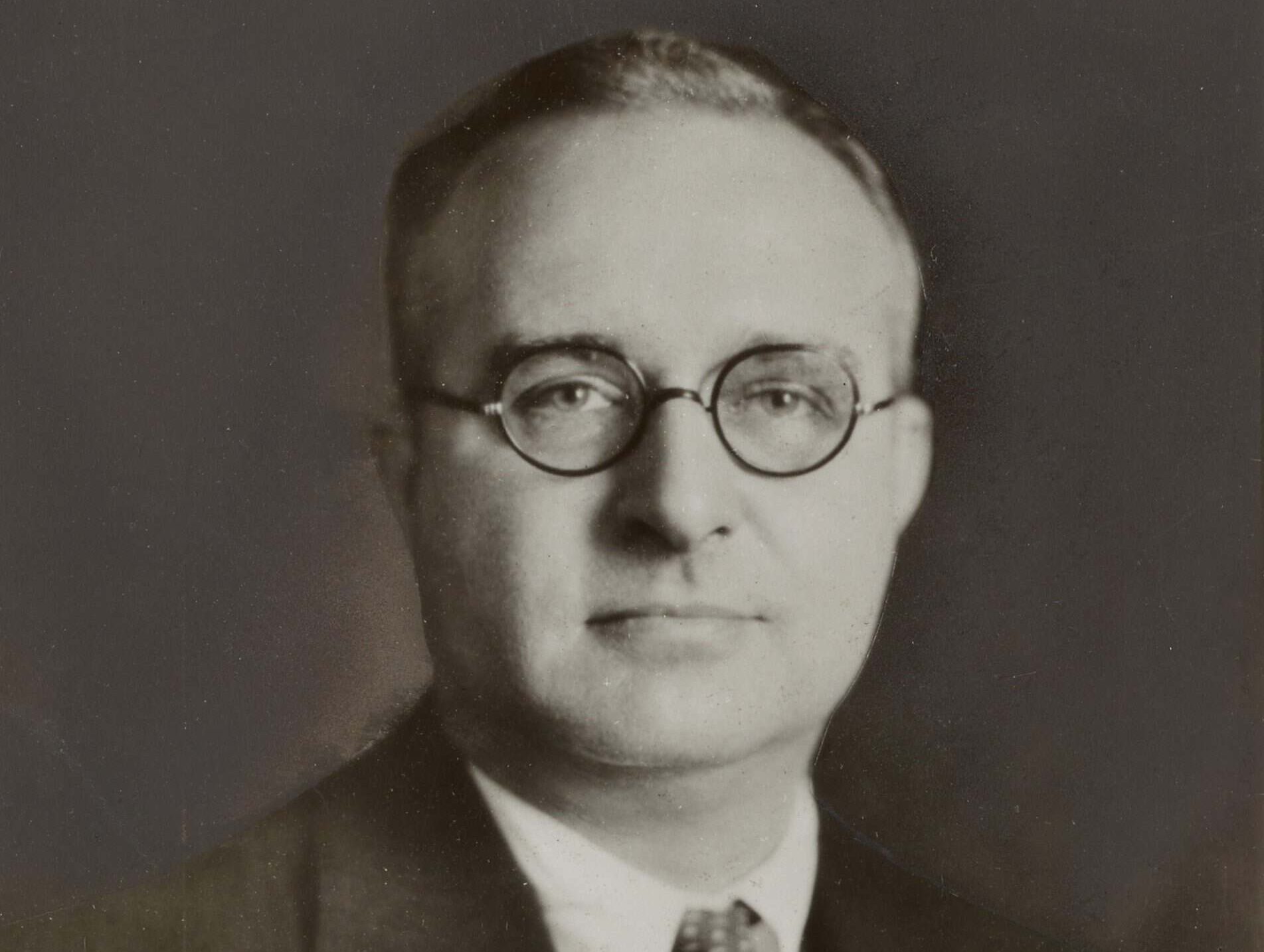
Thomas Midgley Jr., a mechanical engineer and chemist by training, embarked on a mission to resolve two significant industrial challenges. However, he ended up being one of the most destructive people ever.
Midgley invented leaded gasoline in the 1920s after finding that lead prevented engine knocking. He did not care at all that lead exposure is deadly to children. He then created Chlorofluorocarbons (CFCs) because he wanted to create a safer refrigerant.
What he actually did was create a hole in Earth’s ozone layer big enough to drive a spaceship through. Environmental historians often say Midgley successfully poisoned children for generations and destroyed Earth’s atmosphere with good intentions.
King Alexander of Greece
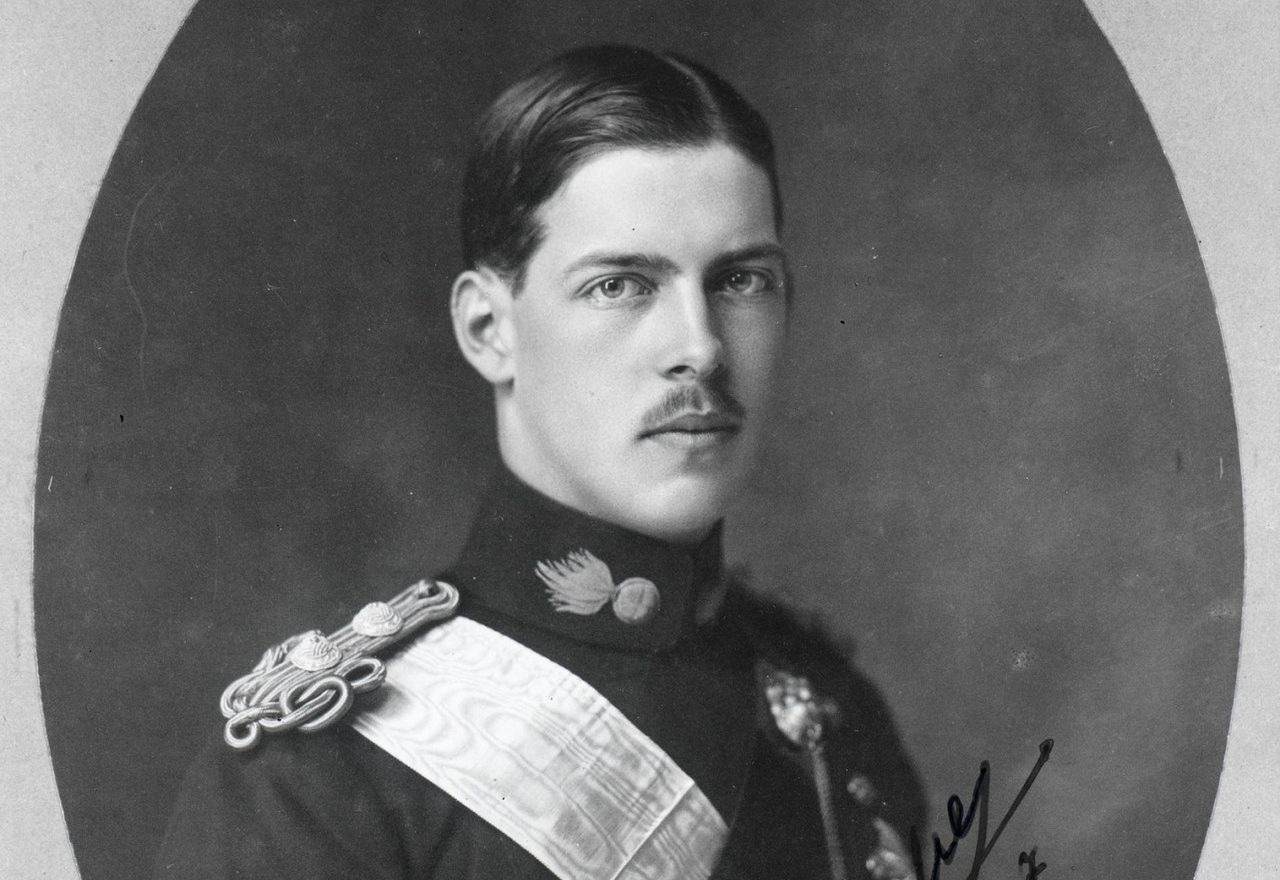
King Alexander was casually walking through the royal gardens of Athens in October 1920 when his pet German Shepherd began to aggressively roll around with a wild Barbary macaque.
The young King rushed to intervene but was bitten on the leg and torso when another monkey surprised him from behind. Alexander’s doctors treated the bite marks as insignificant scratches, allowing the young king to become fatally infected.
His royal physicians never sterilized or cleaned the puncture wounds properly. Mortifying sepsis took root in only a few days. King Alexander of Greece died of an infected monkey bite at the age of 27.
Governor-General Arthur Percival
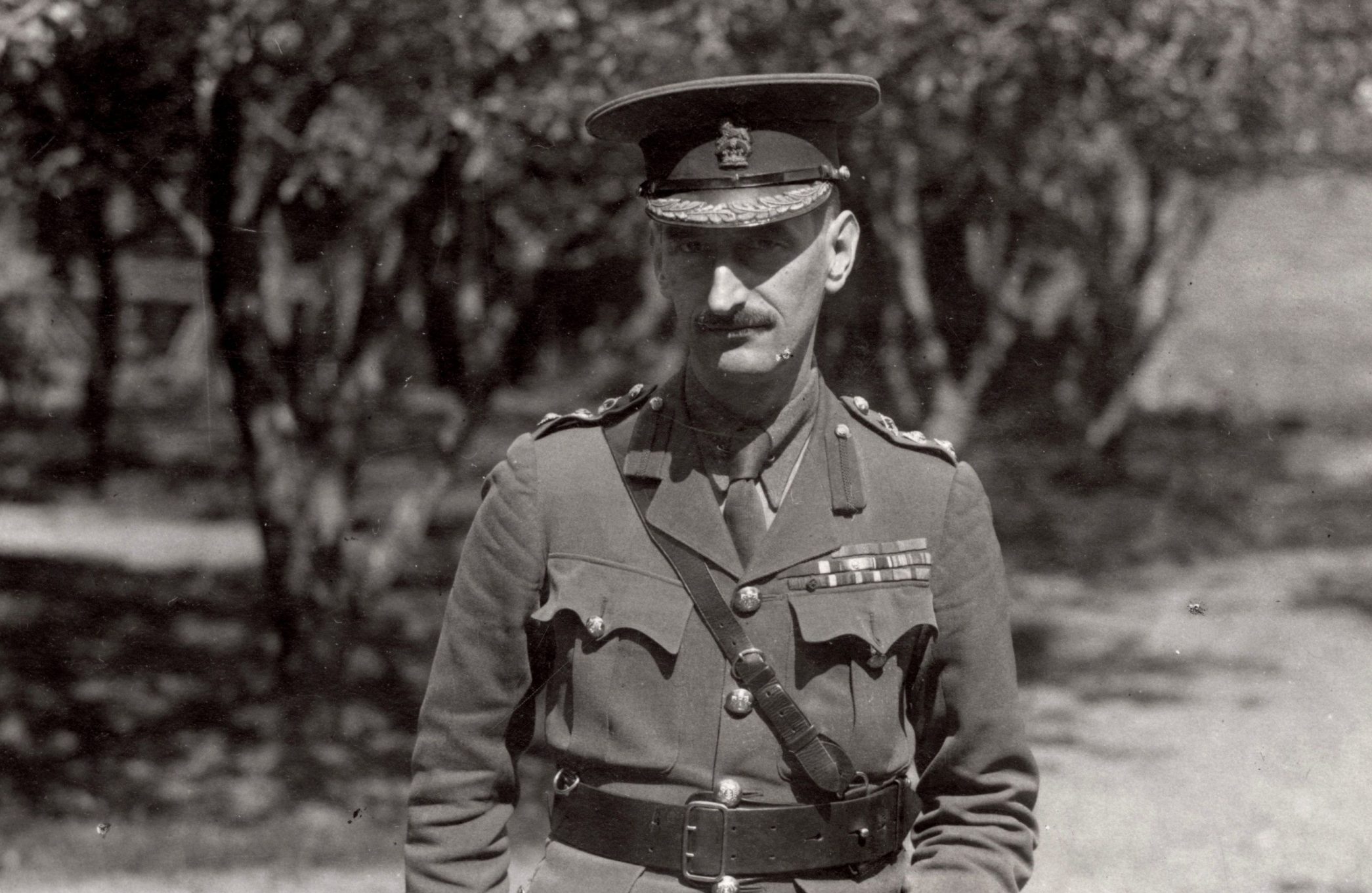
Sir Arthur Percival wrongly believed that Singapore could not be attacked from the north. Throughout the war, the British focused heavily on defending Singapore from a naval attack.
Percival placed the majority of his heaviest guns and concrete defenses along the southern coast of Singapore. The jungle-covered north was left wide open for invasion.
The Japanese Army’s 1942 invasion completely blindsided Percival and the global community by riding their bicycles through the Malayan jungle, a route believed to be impassable for a large army.
With his defenses facing seaward and the jungle flank exposed, Percival, caught completely by surprise from the north, had no choice but to yield over 80,000 men, marking Britain’s greatest capitulation.
Emperor Valens
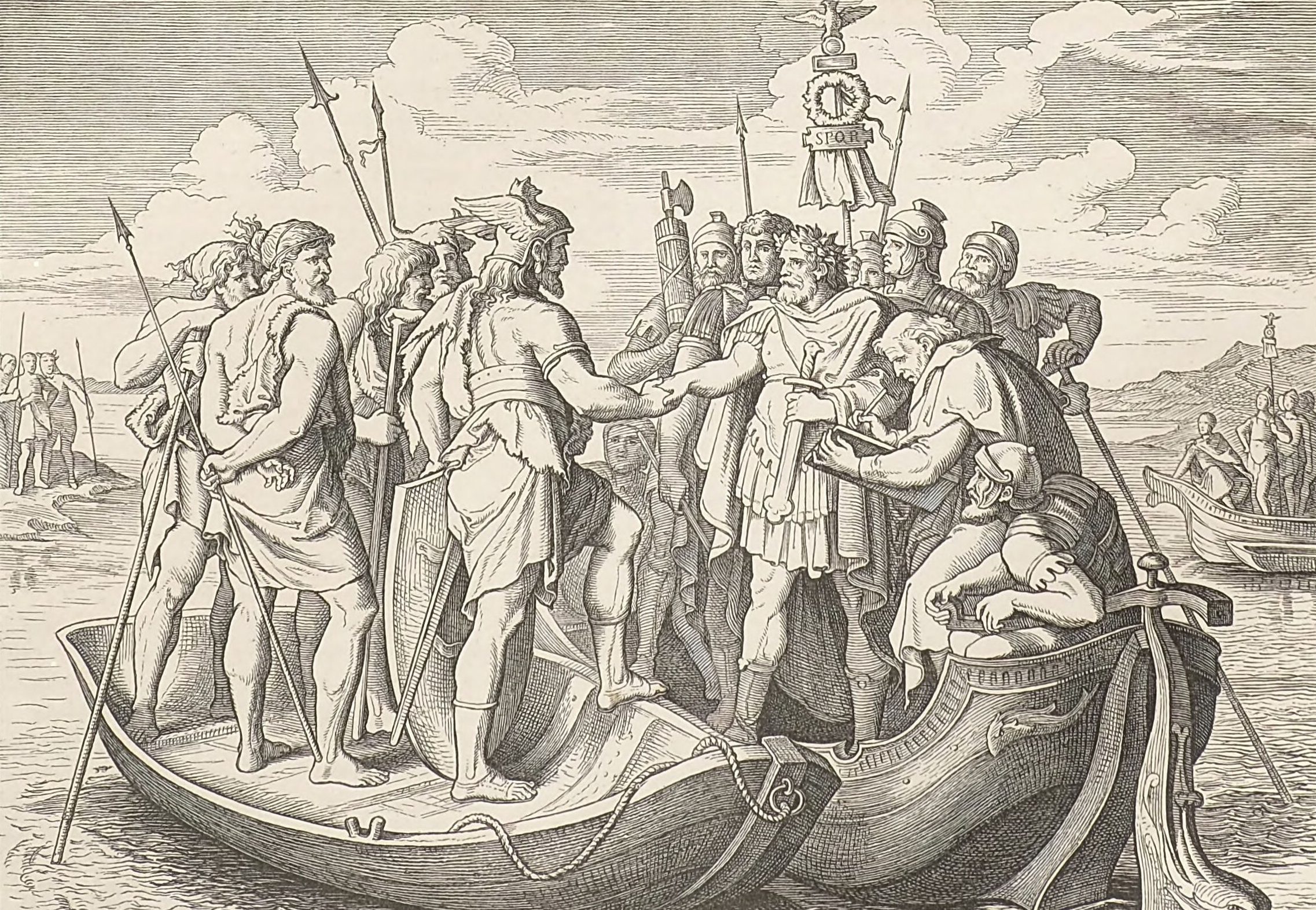
Wanting a military victory for himself rather than waiting for assistance from his nephew Gratian, Emperor Valens led his army into battle against the Goths near Adrianople in 378 CE.
Valens, misled by inaccurate reports that downplayed the Gothic numbers, launched his assault without delay, despite his soldiers having already endured lengthy marches under the summer blaze. The Gothic cavalry returned during battle and charged at the Roman flanks. Broken and demoralized, much of the Roman army was slaughtered.
During the clash, Valens met his end, and the Battle of Adrianople stood as one of Rome’s most catastrophic losses.
Sources: Please see here for a complete listing of all sources that were consulted in the preparation of this article.
Like our content? Be sure to follow us.
15 moments when miscommunication changed history

History books glamorize brilliant strategies, but the destiny of nations has often changed due to simple human error.


