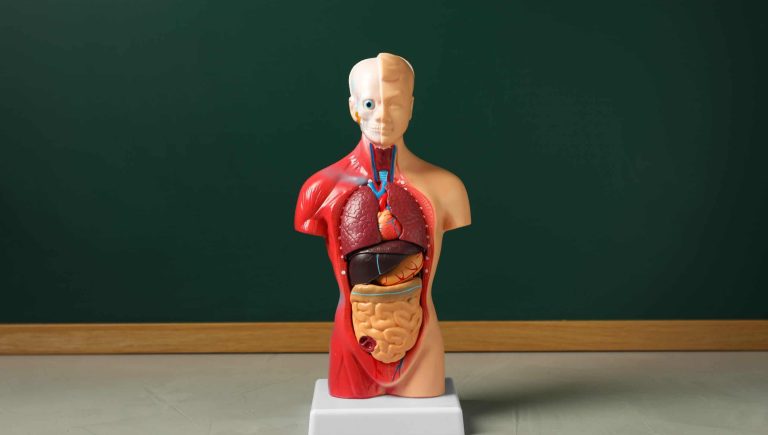

The human genetic code is capable of producing some absolutely astonishing and out-of-the-ordinary traits.
Tetrachromacy (a fourth color cone)
The retina of the typical human eye contains three classes of cone cells that interpret light allowing us to see approximately one million colors. However, some individuals have a fourth class of cone cells that are sensitive to different wavelengths of light.
Called functional tetrachromats, these people can see gradients that most people cannot detect, along with subtler shades of color. Tetrachromacy allows these individuals to see up to 100 million colors.
It is a condition which is passed on by a mutation on the X chromosome. Only women can have functional tetrachromacy, as studies conducted in vision laboratories and published in journal publications have proven. However, such cases are very rare.
Distichiasis (a double row of eyelashes)
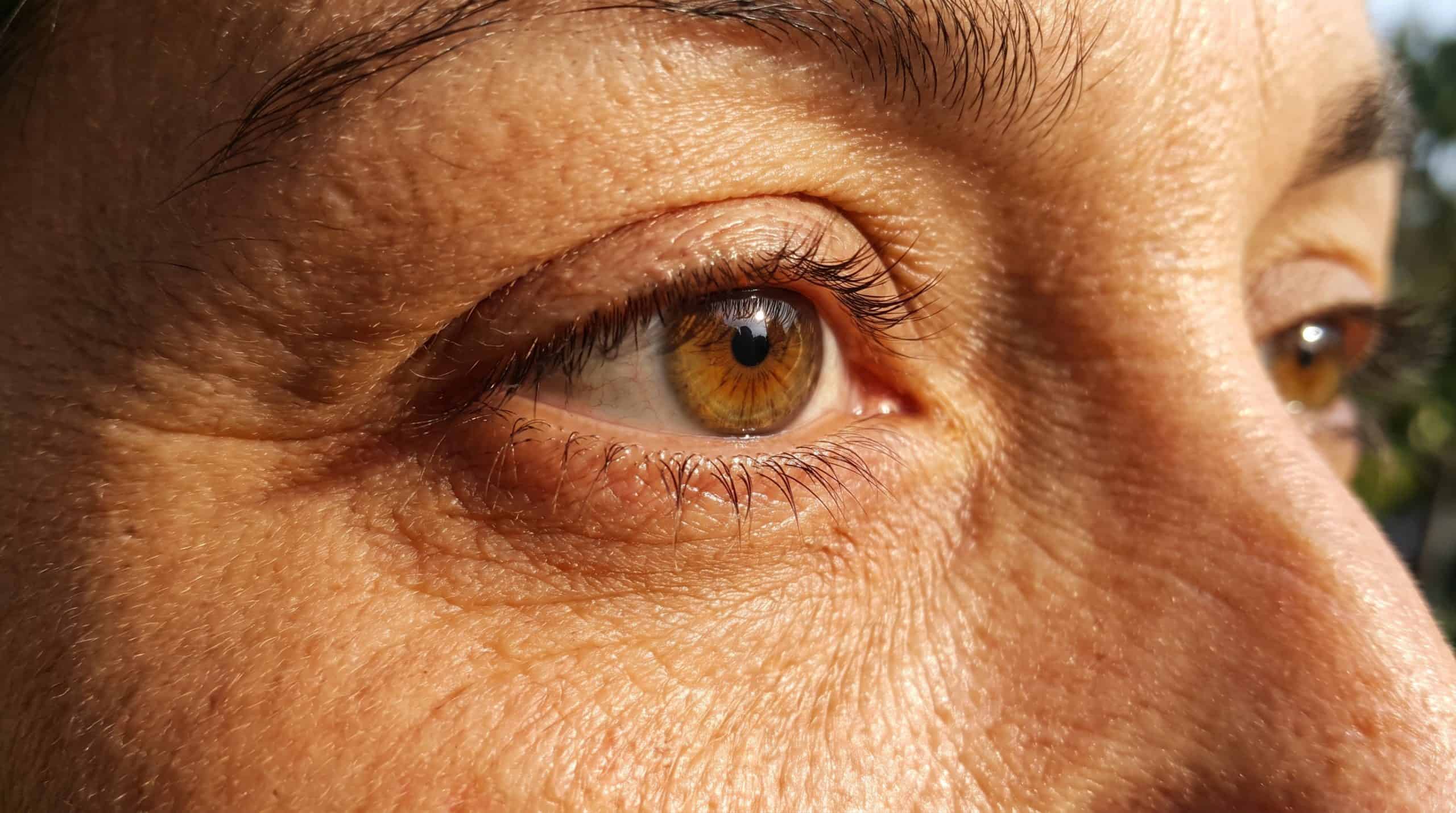
Triggered by a mutation in the FOXC2 gene, the additional row of eyelashes varies from fine vellus hairs to thick, full double eyelashes.
Rather than growing in one neat row along the eyelid margin, eyelashes with distichiasis sprout from openings of the meibomian glands directly behind the normal lash line.
Famous actress Elizabeth Taylor is noted to have had this very mutation allowing her eyes to appear naturally framed without the use of false eyelashes.
Ophthalmological publications have pointed out that while this condition results in gorgeous, full lashes, the inner row can occasionally turn inward, irritating the cornea, thus necessitating consistent checks with an eye specialist.
Absent palmaris longus tendon
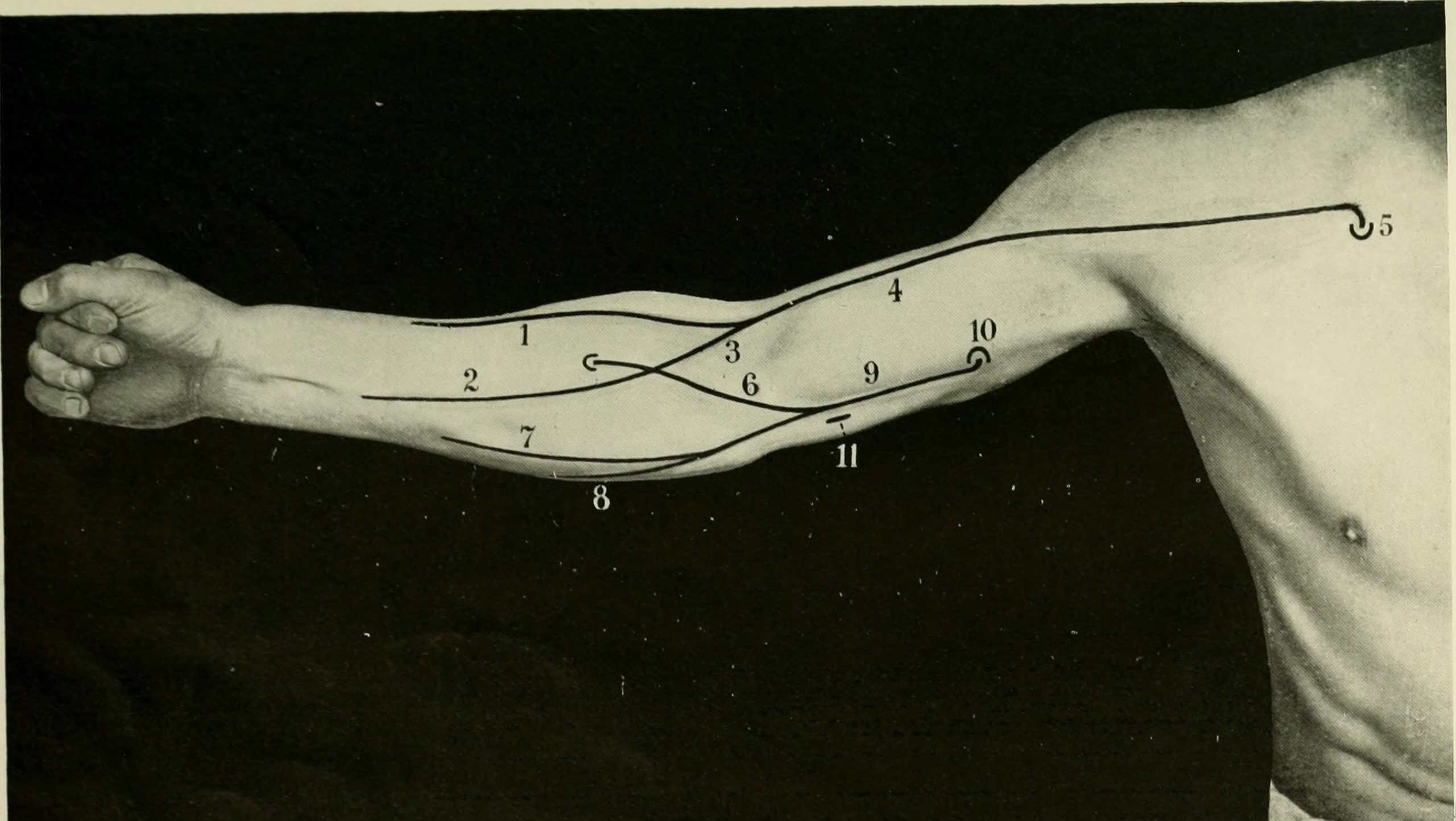
When you bring your thumb and pinky finger together and flex your wrist forward, you should feel a large raised tendon appear in the center of your forearm.
That strip is the palmaris longus muscle, an evolutionary leftover that was used very frequently by our primate ancestors to climb and swing trees.
About 10% to 15% of humans are missing this tendon on one or both wrists, as discovered through dissections and ultrasounds.
Since this tendon isn’t crucial for modern hand strength or grip, orthopedic surgeons often take it for grafts.
LRP5 gene mutation for ultra-dense bones

Under normal circumstances, human bones become less dense throughout life. However, when affected by a gain-of-function mutation of the LRP5 gene, bones become so dense that they cannot be fractured.
Geneticists first identified the mutation in a family of individuals who were involved in a major vehicular accident but did not suffer any fractures. Bones from these individuals have been found to have four times the density of an average skeleton.
This enhanced density doesn’t interfere with the natural height or general structure of the skeleton.
People with this mutation are noted to be resistant to bone degeneration diseases such as osteoporosis for their entire lives.
Chronic primordial golden blood (Rhnull type)

While regular blood types can have dozens of surface antigens present, the Rhnull blood group lacks all 61 of the antigens in the Rh system altogether.
Identified in a Native Australian woman back in 1961, this golden blood is so rare biologically that under 50 people have ever been known to possess it throughout the world.
Even though Rhnull’s lack of any Rh antigens makes it a universal donor for those with uncommon Rh blood, individuals with this rare type face an incredibly slim chance of finding a compatible donor for themselves anywhere in the world.
DEC2 gene mutation for short sleep

Contrary to the average human adult needing seven or eight hours of sleep per night to feel mentally and physically restored, people who possess a point mutation of DEC2 (SNHG15) can function perfectly well on only four or five hours of sleep every night.
Researchers at University of California studying sleep patterns found that this mutation changes the brain’s response to sleep homeostasis and tissue repair.
People with this mutation wake up feeling completely rested, exhibit no signs of mental degradation from sleeping less and possess greater physical stamina throughout the day.
They also show no typical metabolic or cardiovascular issues typically associated with insufficient sleep.
Dual spleen or accessory spleens
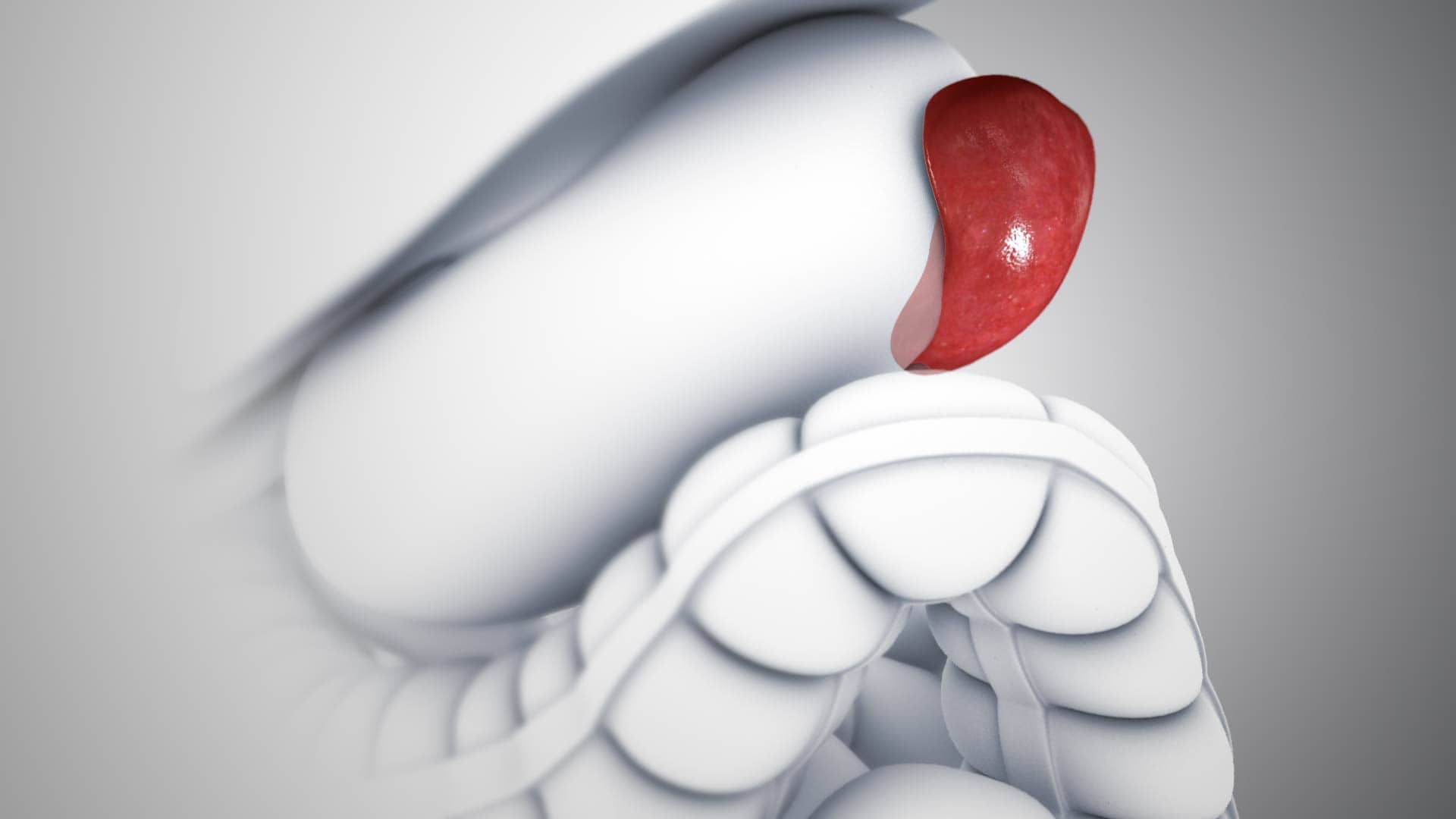
Sometimes tissue fragments that would normally join together to form one large spleen can remain separate and still form into little working mini-organs called splenules.
Imaging studies have shown that about 10% of us have accessory spleens. They are usually located near the spleen itself or tucked away in the connective tissue of the abdomen.
Accessory spleens have their own vascular supply and filter out worn red blood cells and help with immunity just like the main spleen.
Sometimes when the main spleen has to be removed because of injury or disease, accessory spleens will hypertrophy and continue the work of filtration.
Chimera mosaic skin patterns (Blaschko lines)

Some people who are chimera have two different sets of DNA. Essentially, if two fraternal twin eggs combine very early in their development, they’ll grow into one individual, but one carrying two entirely different DNA blueprints.
Chimeras are typically not noticeable on the outside but some display alternating patches of two tones or distinctive blade-like lines dividing their bodies right down the middle. These lines are called Blashkos lines.
Someone who is a chimera can have skin biopsies done on the two different colors or tones of skin and have two completely different genetic sequences coming from the same person. If you look at the skin closely you can see where the two DNA types meet.
Beyond skin patterns, these individuals might also present with uneven hair textures or eyes of varying colors.
Persistent umbilical vein
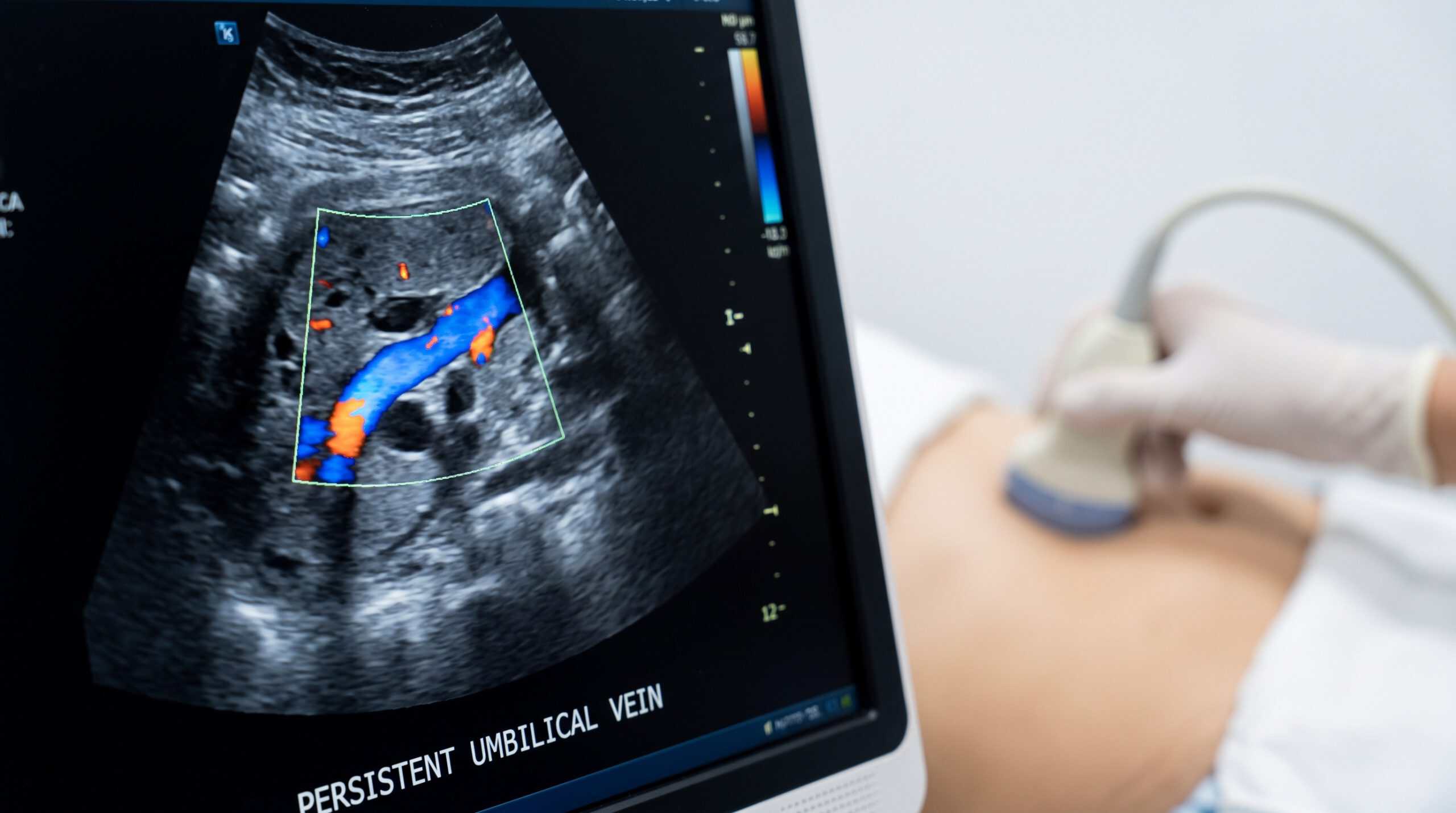
Normally during fetal circulation, blood flows through the umbilical vein from the placenta through the liver and into the right side of the heart. After birth, it normally obliterates.
In rare cases, this vein remains patent throughout adulthood without signs or symptoms of underlying vascular abnormalities.
On occasion, it’s found incidentally when abdominal vascular imaging shows an open pathway for blood through the vein within the liver.
Reports exist of adults maintaining a functional umbilical vein even when their liver health is otherwise good.
Dense hydroxyapatite variant

Regular enamel is susceptible to erosion from acidic foods/beverages and wear from abrasive use of teeth. In some extremely rare cases, mutations cause hyper-production of enamel to form an abnormally thick outer layer of ultra-processed enamel.
What happens in early tooth development is that signals prompt proteins like amelogenin and enamelin to orchestrate the linking of phosphate and calcium ions, resulting in extraordinarily dense formations of hydroxyapatite crystals.
Dentists can spot this rare, benign condition during routine X-ray examinations. When examining teeth that exhibit this trait, X-ray’s will show teeth with thick opaque white outer layers covering the dentin.
With this variant, the teeth’s unusually thick enamel provides superior than 99% defense against cavities, acidic wear, and general attrition for life.
Sources: Please see here for a complete listing of all sources that were consulted in the preparation of this article.
Like our content? Be sure to follow us.
15 historical figures known for their physical appeal

We aren’t kidding, these 15 historical figures were stunning, and diaries and historical records prove it.
