
We aren’t kidding, these 15 historical figures were stunning, and diaries and historical records prove it.
General Gao Changgong (The Lanling Wang)
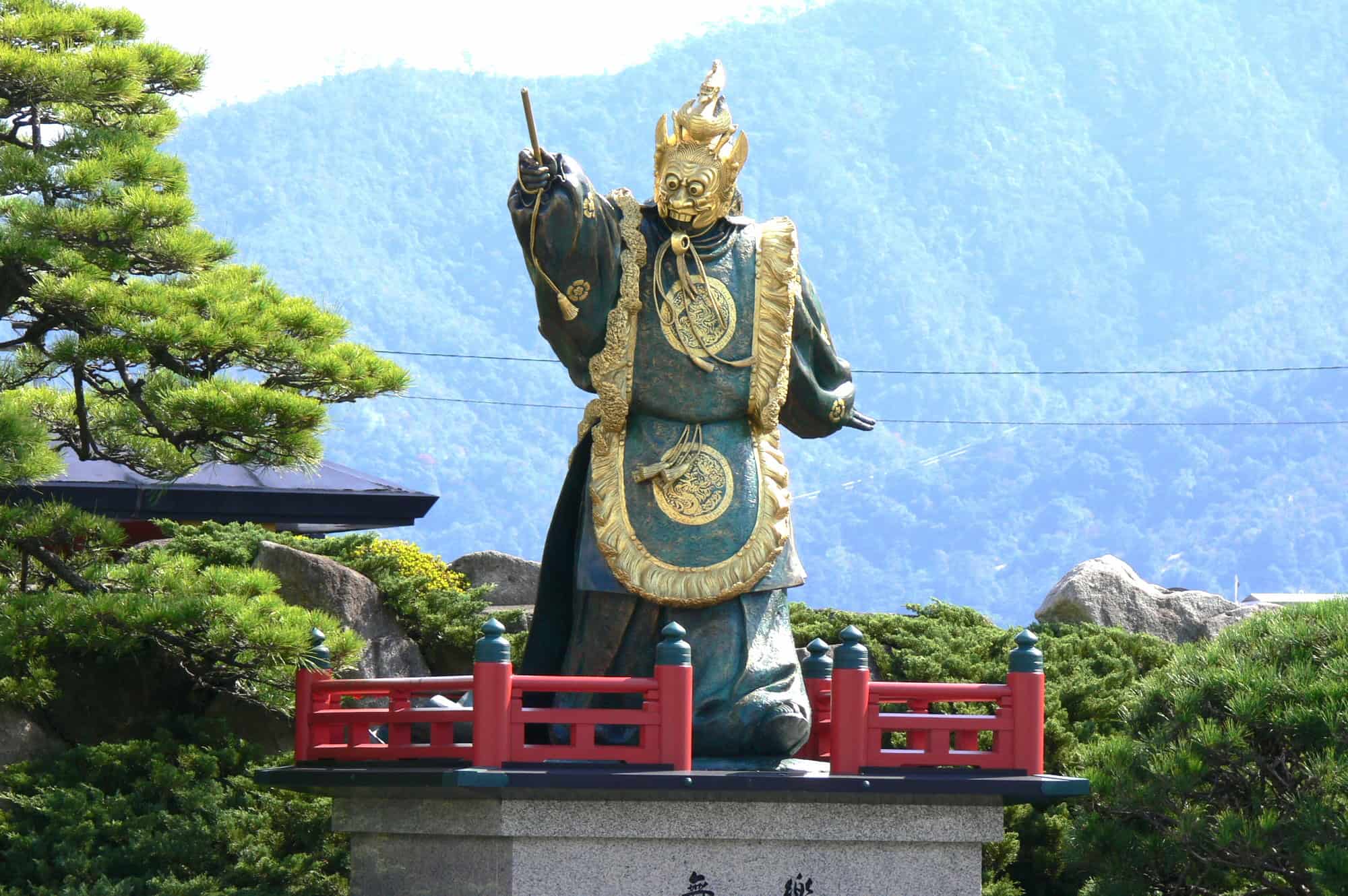
This sixth-century Chinese general had such refined and beautiful features that they were causing him problems in war.
Records from the Book of Northern Qi tell us that his handsome face and smooth skin made him appear soft. Enemies were less intimidated by his youthful facial features. So, Gao put on an iron mask to make himself look scarier in battle.
His valor inspired his soldiers to compose a song and dance in his honor, known as “The Prince of Lanling in Battle.”
Dr. Hermann Rorschach
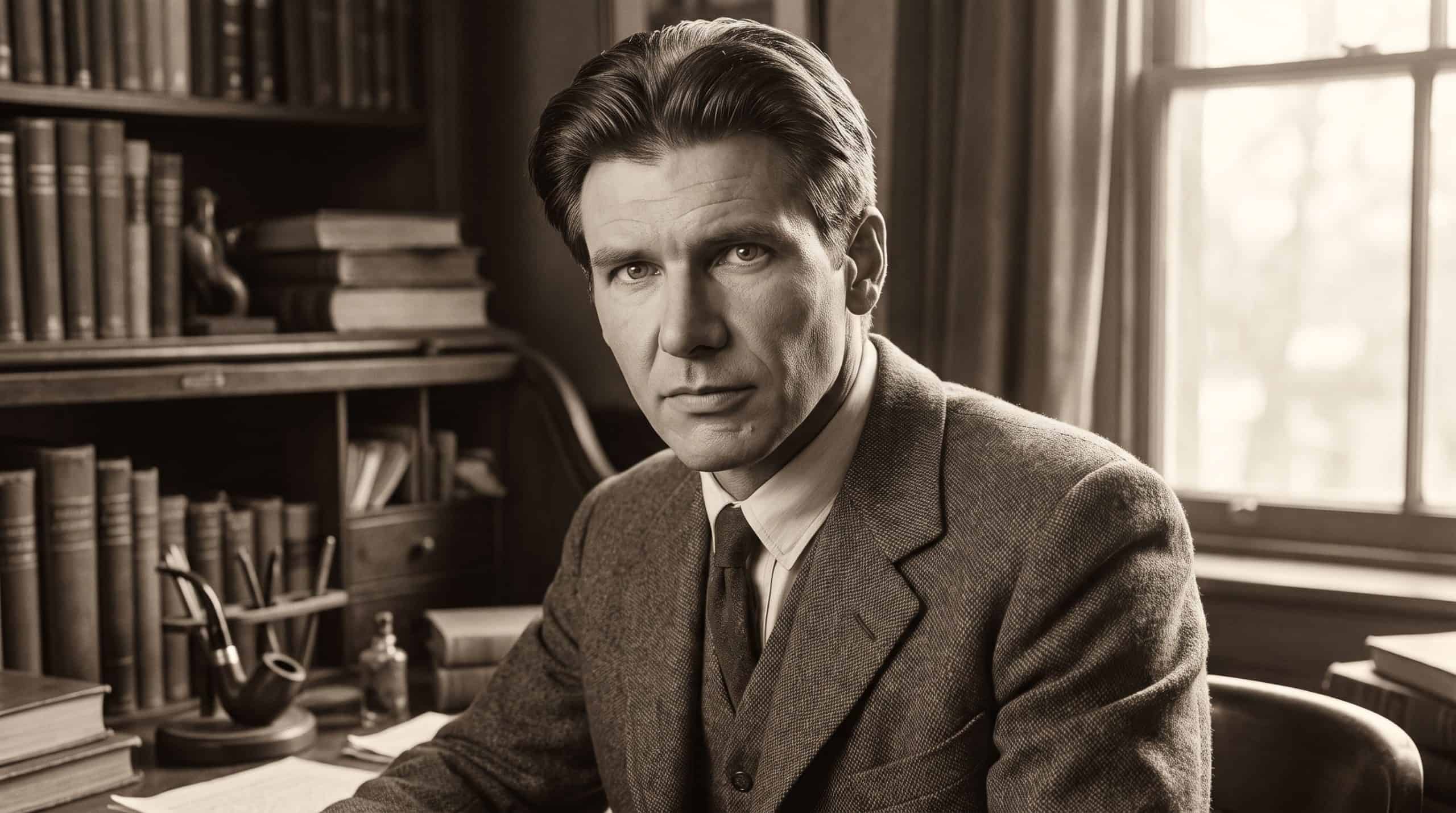
Long before his name was tied to inkblot tests, the Swiss psychiatrist Hermann Rorschach, in the early 1900s, already had a striking resemblance to actors like Harrison Ford.
Photographs that have survived from his years as a student at the University of Zurich reveal handsome features that wouldn’t look out of place on a Hollywood leading man today: a sharp jaw, thick hair combed back from his high brow, and arresting pale eyes.
His captivating looks were apparently known long before Rorschach himself entered a lecture hall.
Empress Elizabeth of Austria (Sisi)
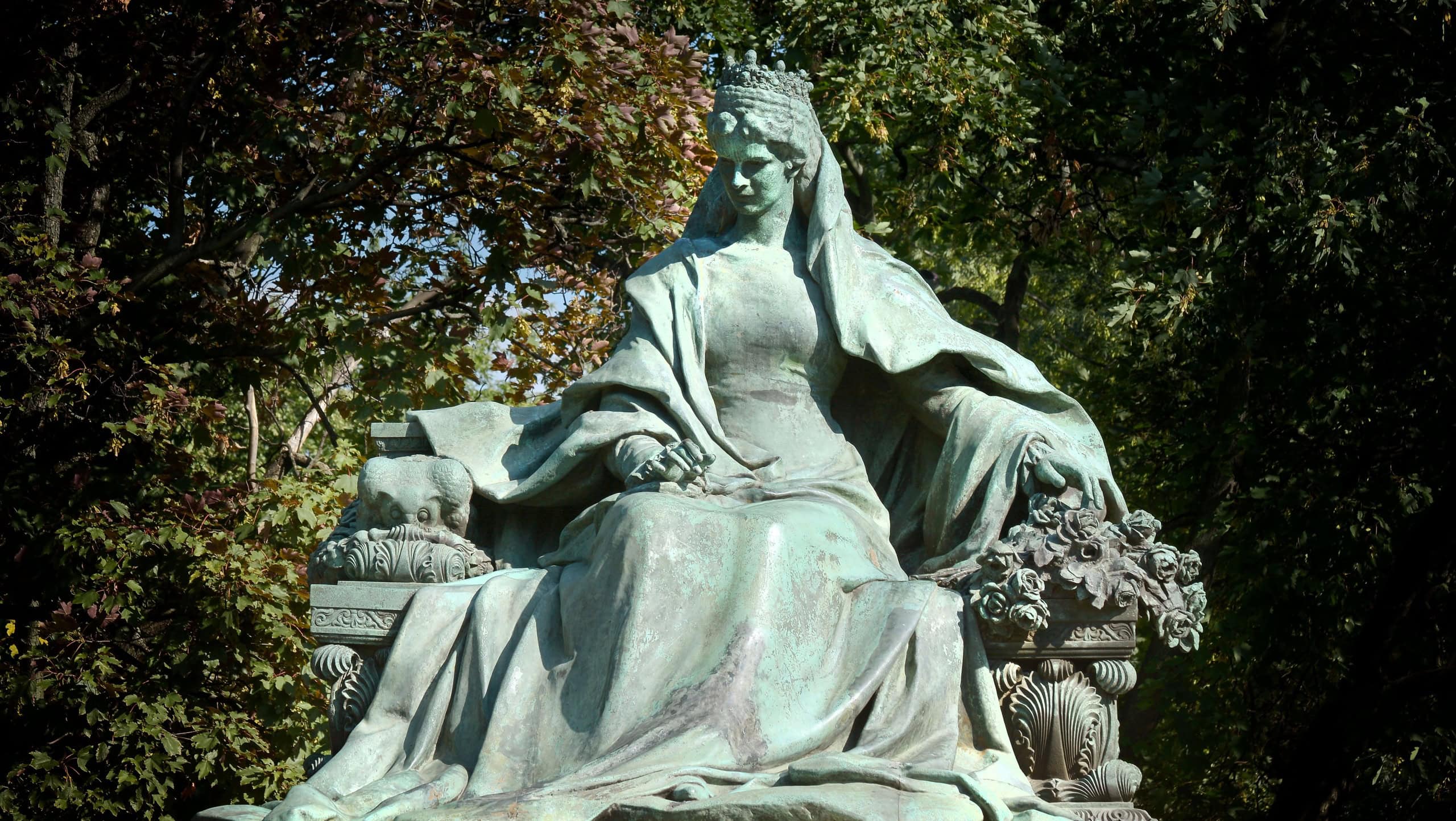
It’s common for the beauty of royals to be exaggerated by court painters. This nineteenth-century queen kept such an extreme fitness schedule that court physicians recorded it as an obsession.
She was five feet eight inches tall and measured sixteen to nineteen inches around the waist without ever breaking her waistline. This figure she achieved through torture inducing fasting and an in-house gymnasium of gymnastics equipment.
However, her most striking physical feature was undoubtedly her voluminous brown hair, which cascaded down to her ankles. It took three hours every day to brush her hair and a personal maid to keep track of every strand that fell out.
Thomas Edison (in his 30s)
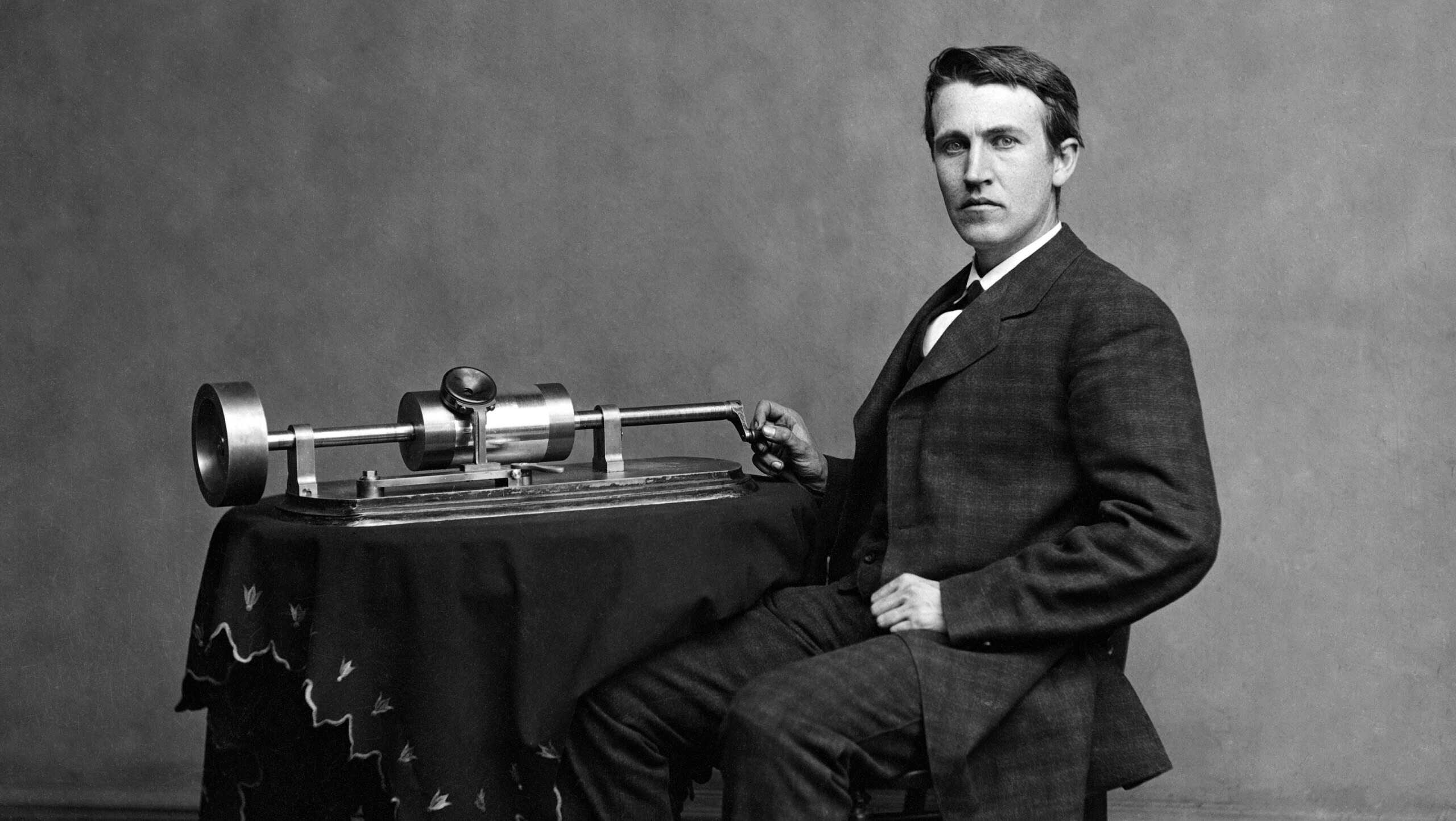
Don’t let the popular textbook version of Edison fool you. You never see him without gray hair (and a sour expression) peeking out from amidst clunky laboratory gadgets.
Yet, behind that image lurks a remarkably attractive young fellow. You should see these photos of Edison from about 1877. You will immediately notice his smoldering good looks.
Edison possessed strikingly attractive features; large, dramatic eyes; a strong defined nose; and full waves of stylized hair. Journalists who visited Edison’s Menlo Park laboratory during his peak described him as having a brooding and powerful romantic allure.
Joan, Fair Maid of Kent
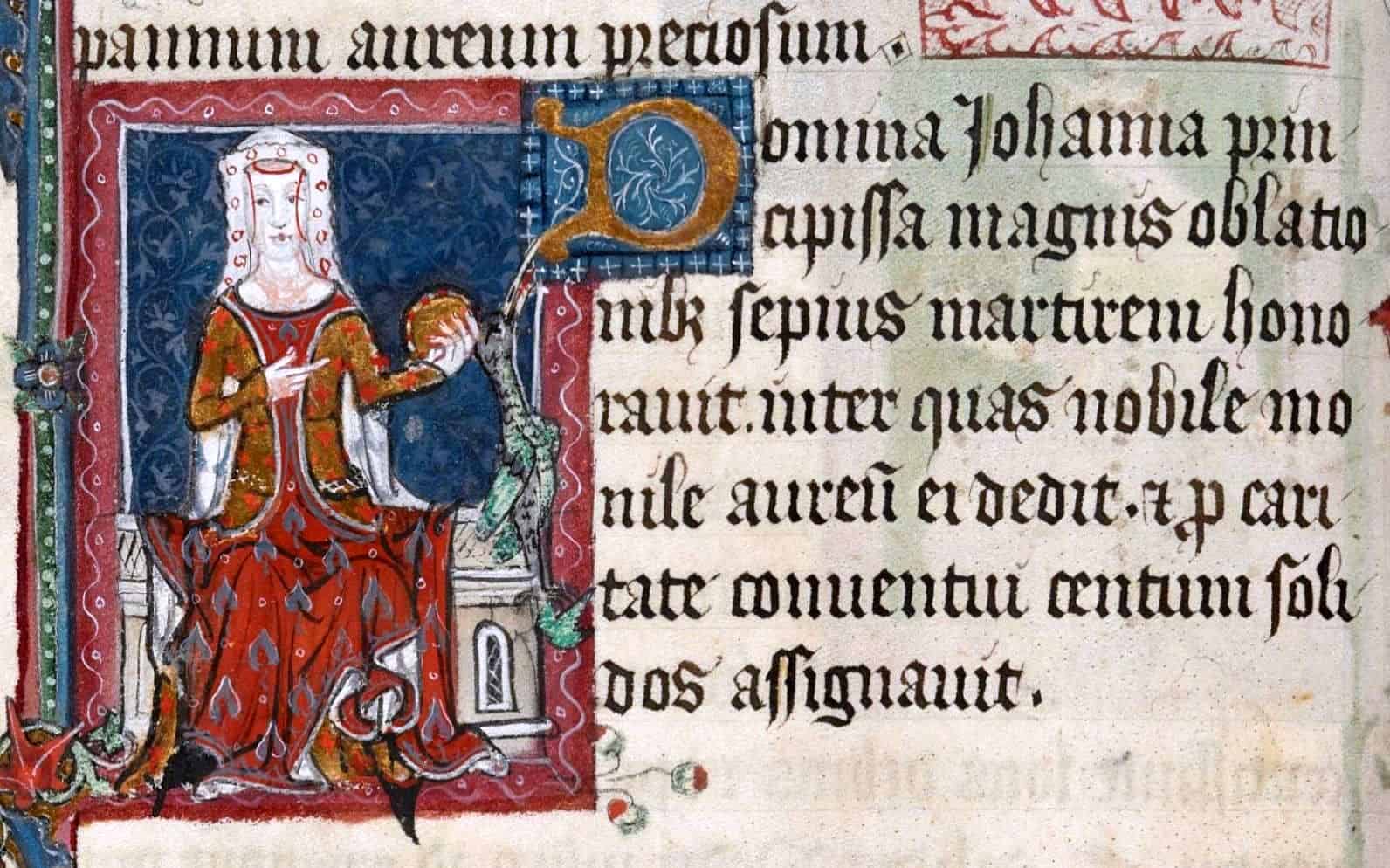
Joan was the fourteenth century’s first Princess of Wales.
Joan’s striking appearance was so remarkable that even those who opposed her politically noted her seductive charm in their medieval writings. It is written in The Chronicle of Lanercost that she was “the fairest woman of England.”
Joan was able to use her physicality to cause a stir in the palace. Her figure was perfectly symmetrical, she had an even skin tone, and her tall stature commanded authority.
Her numerous illicit and deeply scandalous unions were managed solely on the sheer infatuation her partners felt.
Rupert Brooke
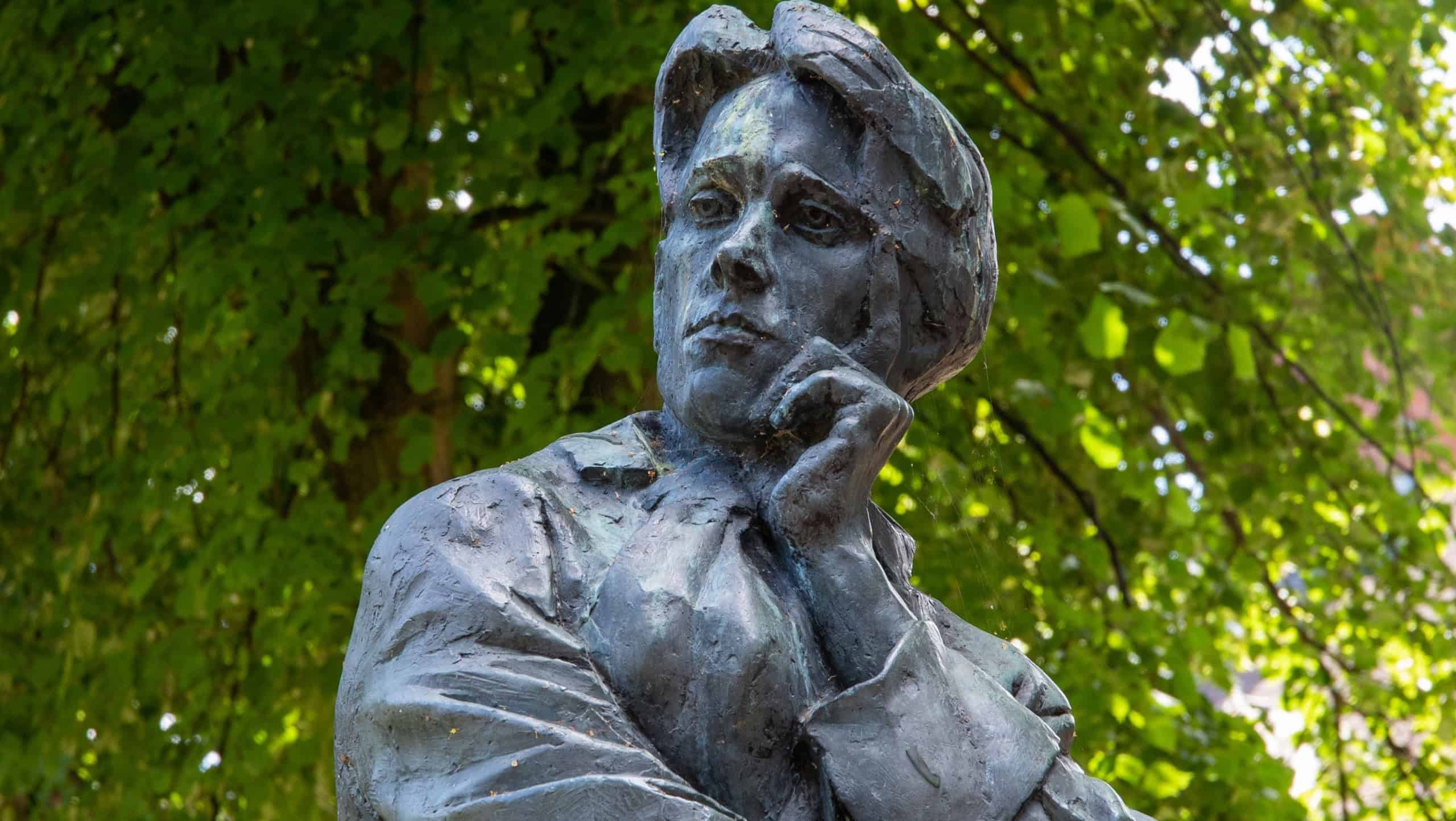
This early 20th-century English war poet was said to be so remarkably attractive that his looks frequently overshadowed his poetry to his contemporaries.
In his private letters, Yeats declared Rupert Brooke to be “the handsomest young man in England.”
Brooke had a classical, Greek face and was photographed often as muse to many artists during the Edwardian period until he unexpectedly died in World War I.
Maharani Gayatri Devi
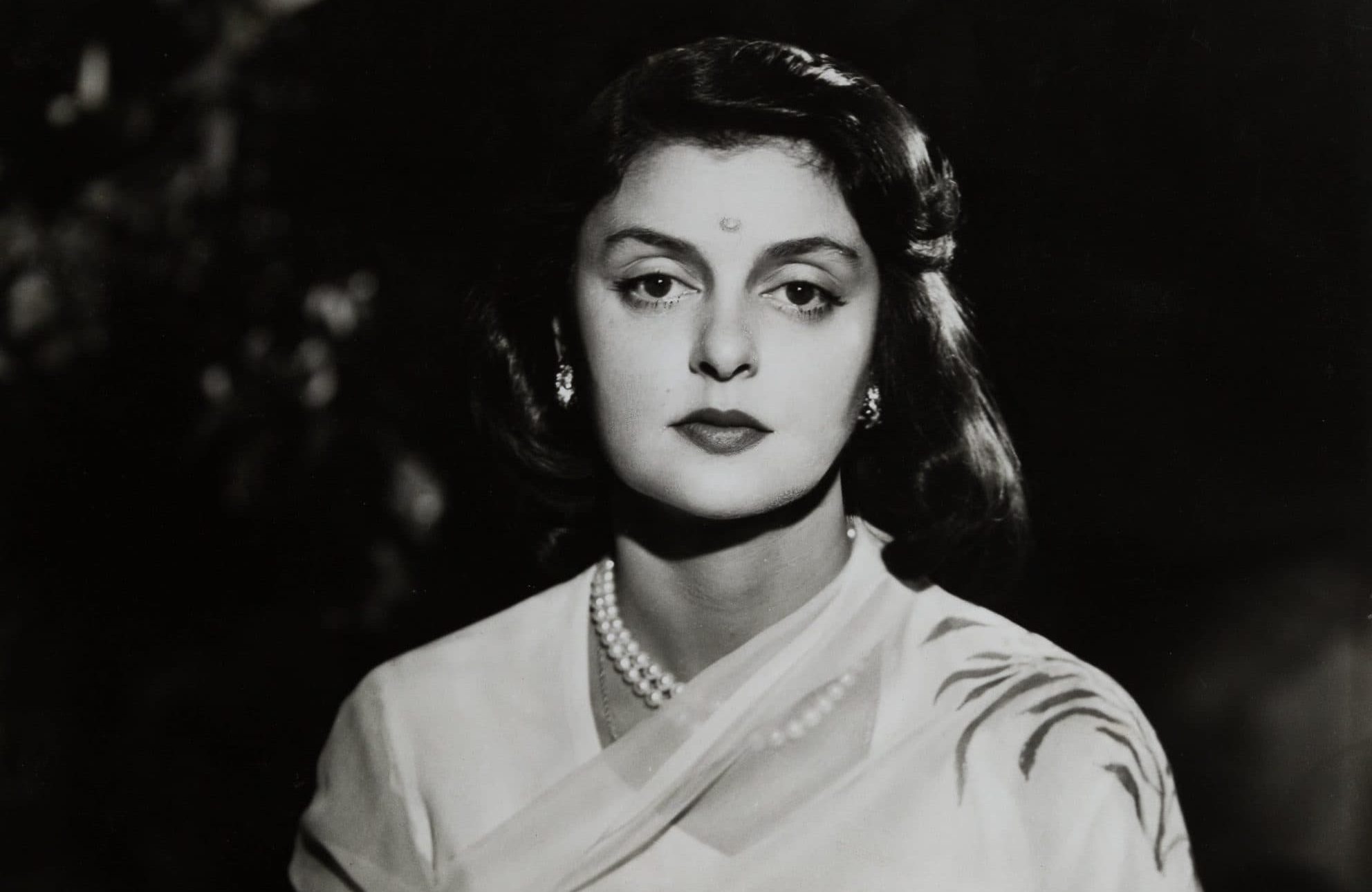
Internationally known as the Jaipur princess, Gayatri Devi had famously aristocratic features that didn’t conform to typical mid-century elegance.
Cited by Vogue in the 1940s as being among the ten most beautiful women in the world, she was praised for her pristine bone structure, expressive eyes, and effortless charm.
Photographed frequently in plain sarees and little makeup, her symmetrical face and stunning figure made her a global style idol.
King Edward IV of England
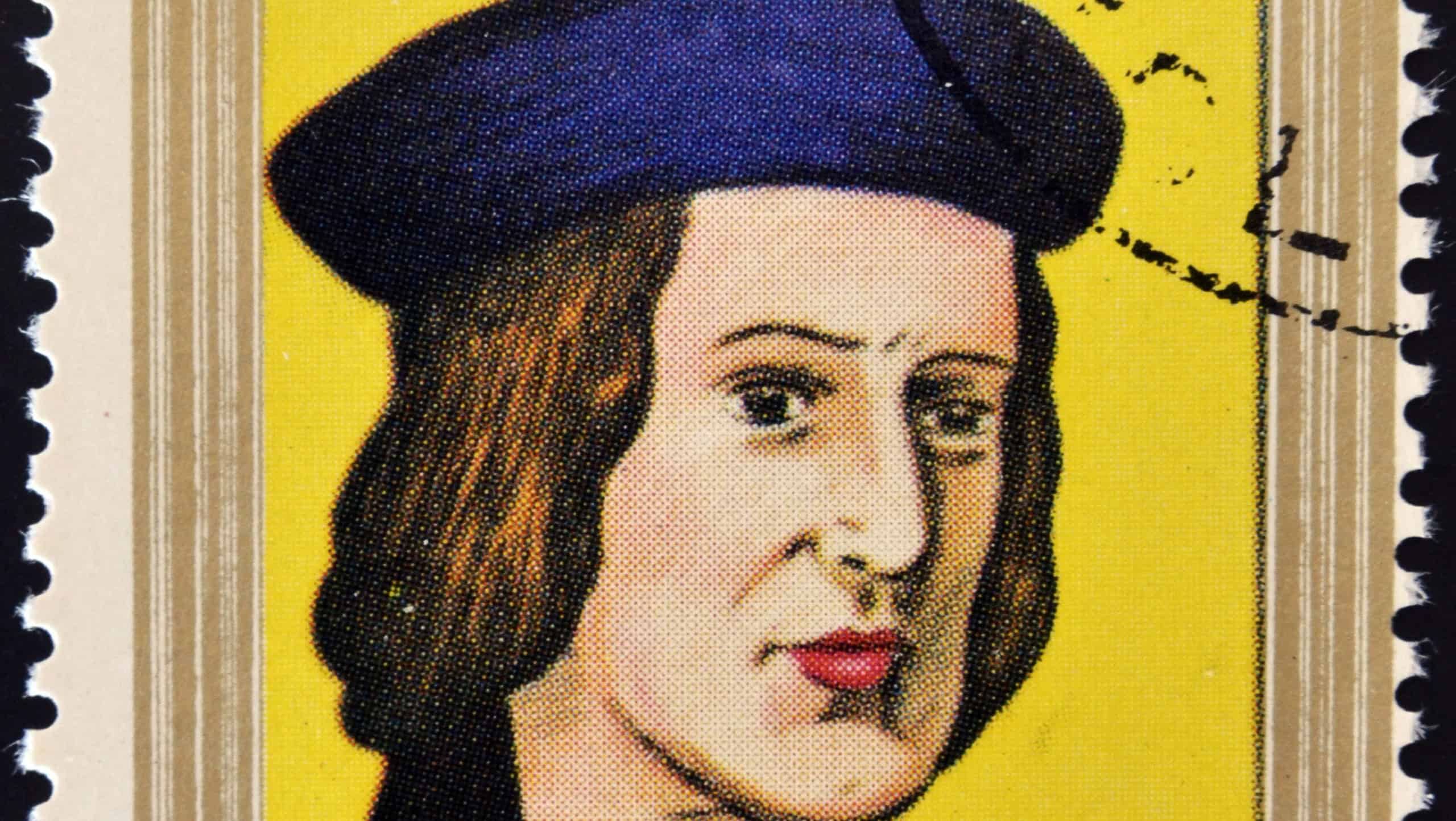
Far from having small stature or looking sickly like many kings did in the fifteenth century, this Yorkist king was a literal giant of a man and much has been written about his good looks by visiting ambassadors.
Known to stand six feet and four inches tall, one contemporary author Dominic Mancini even wrote that, “the enormous size of his body, together with his handsome face, rendered him almost irresistible.”
His square shoulders, pale skin, and good overall physical presence allowed him to gain the throne in the Wars of the Roses.
Princess Fawzia Fuad of Egypt
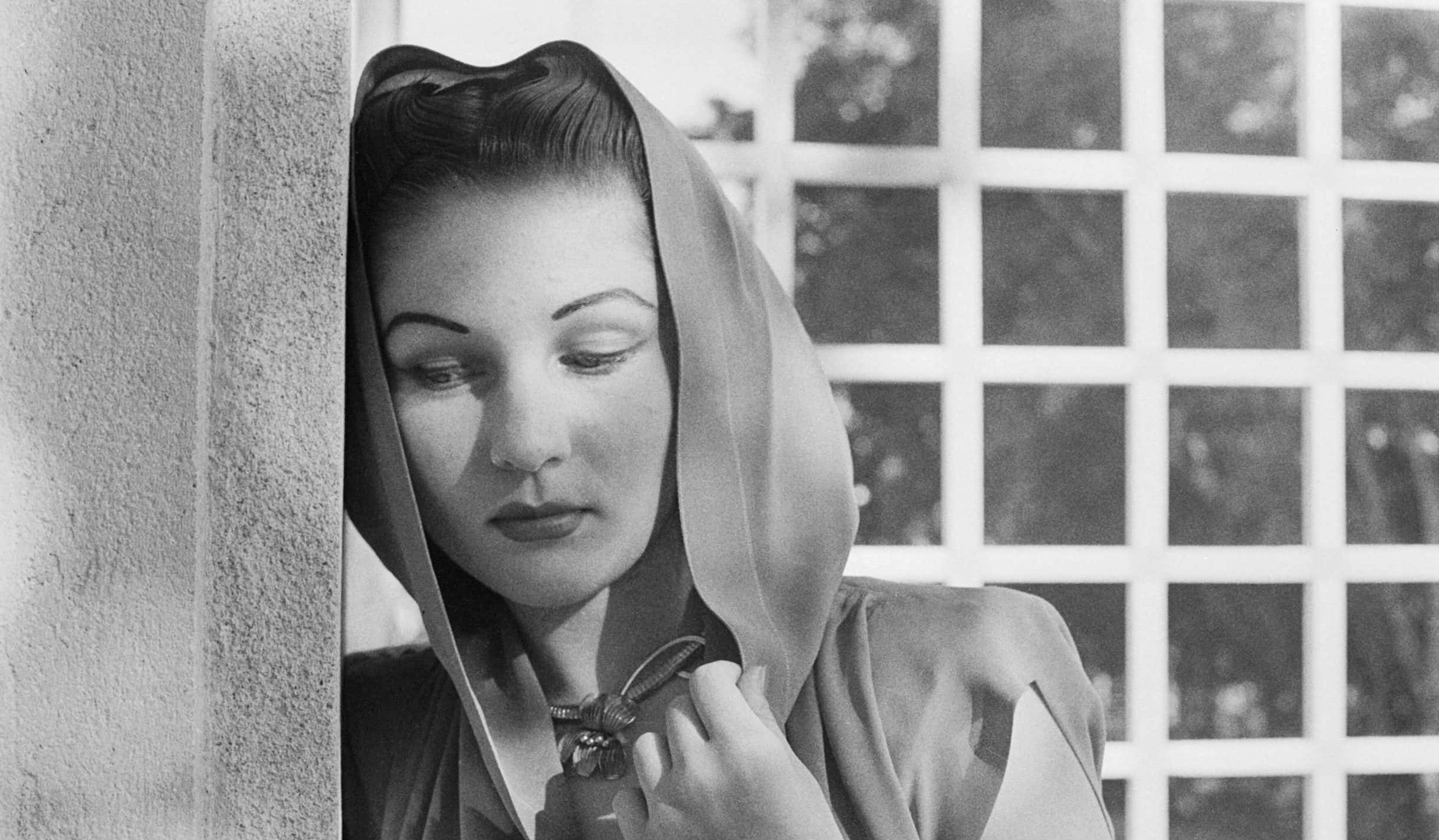
This mid-century Egyptian princess (and former Queen of Iran) had a glamorous Hollywood-worthy face that was often talked about by the west.
Cecil Beaton, a celebrated photographer, captured her image for Life magazine back in 1942. He referred to her as his “Asian Venus,” complimenting her big blue eyes and smooth ivory skin.
Reporters from around the world compared her beauty to actresses such as Vivien Leigh and Hedy Lamarr because of her hourglass figure and nearly flawless features.
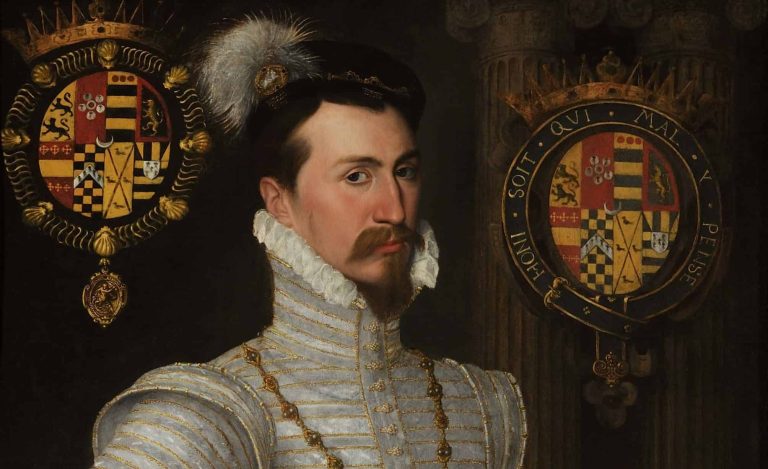
Robert Dudley, 1st Earl of Leicester
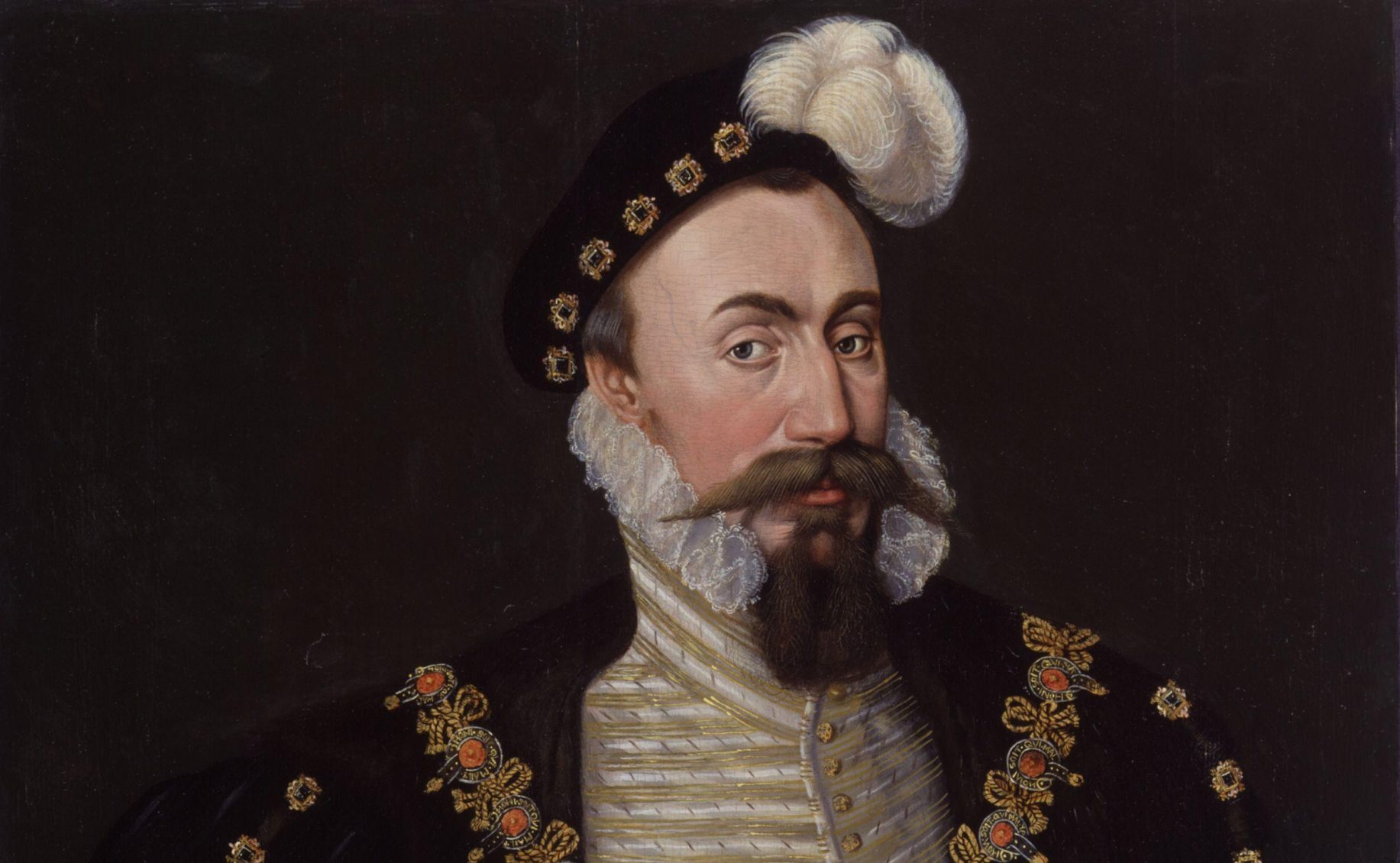
Elizabeth I’s longtime favorite, Dudley managed to keep his place at court primarily through an enviable physical perfection that his jealous rivals record for us in detail.
He was famously tall from a young age, extraordinarily well-built, with dark lively eyes and an imposingly handsome face.
Court records indicate that Dudley’s skill in tournaments and his ideal build were instrumental in his long tenure as the Queen’s main romantic companion.
Pauline Bonaparte
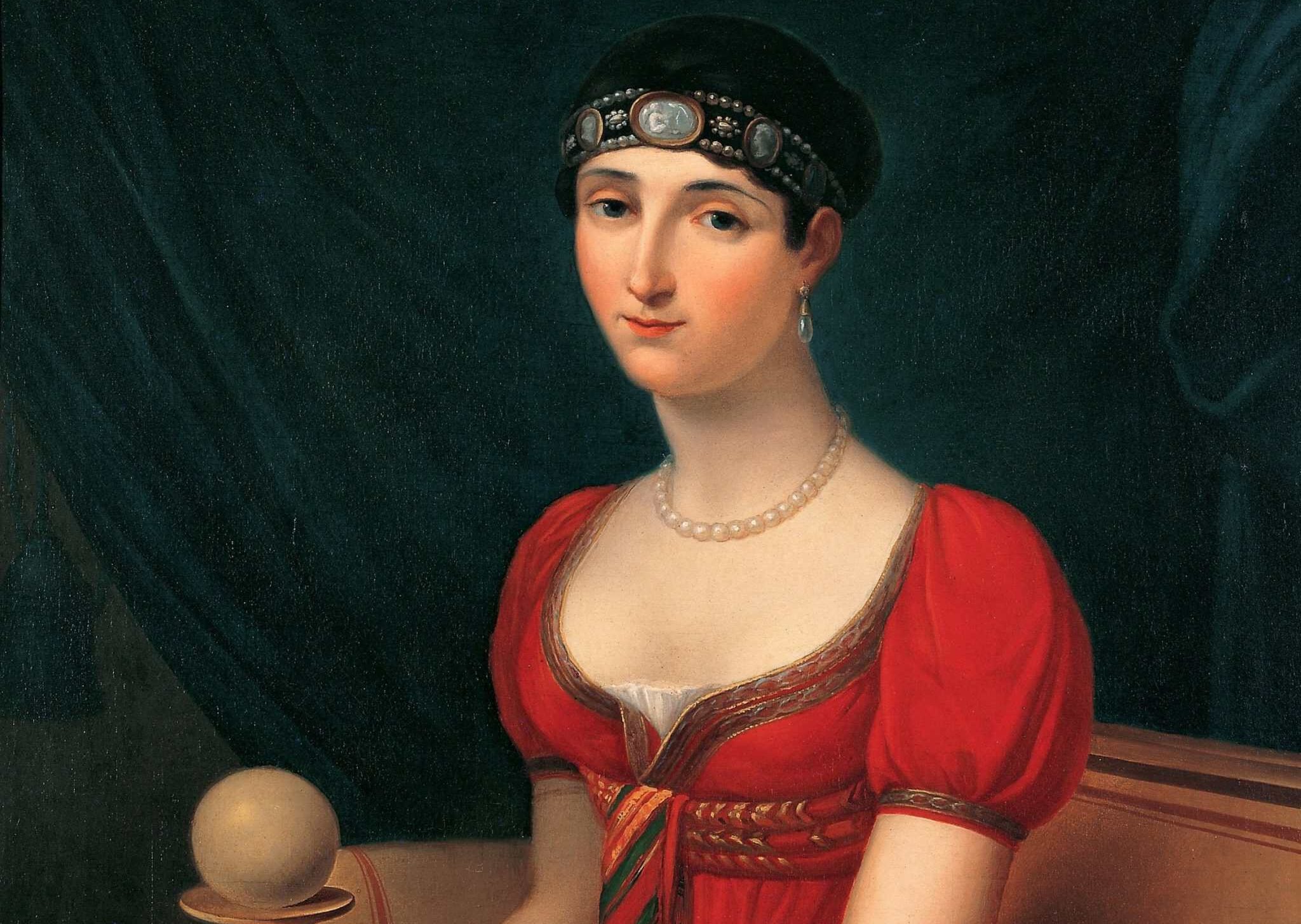
The younger sister of Napoleon Bonaparte was considered by many the height of imperial French beauty, a fact confirmed by the sculptor, Antonio Canova.
He was impressed enough with her perfect classical beauty and ideal physical proportions that he persuaded her to model for his pièce de résistance marble sculpture, Venus Victrix.
It was considered highly scandalous when the statue was revealed, as it featured Pauline almost completely nude.
King Philip IV of France
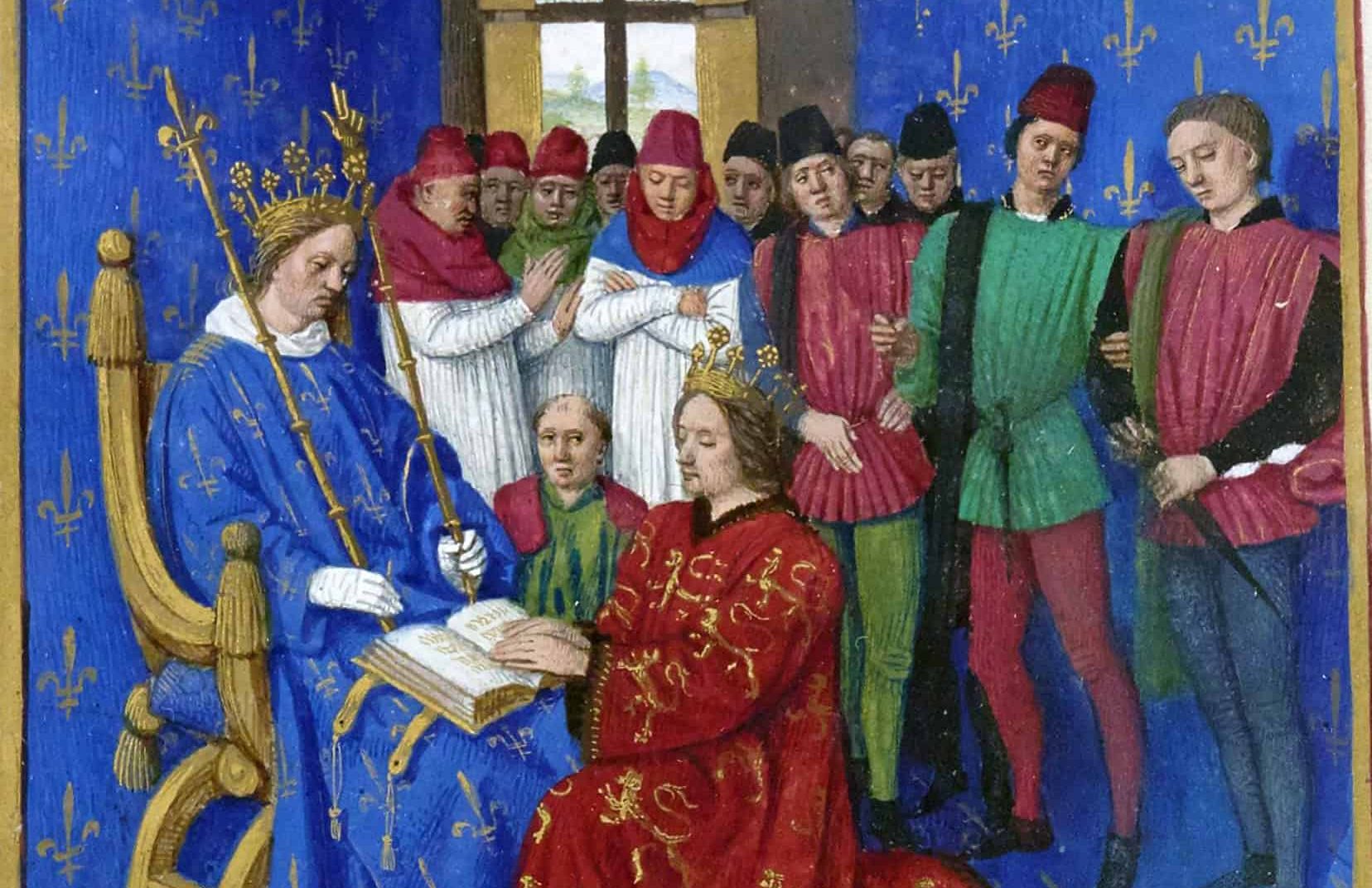
Reigning over France during the late thirteenth and early fourteenth centuries, this king was so good-looking that he was officially renamed “Philip the Fair” (Philippe le Bel).
Bernard Saisset, a historian living during his rule, once wrote of him: “The King is neither man nor beast but a statue most beautiful to behold.”
His face was a study in perfect symmetry, and he carried himself with a tall, unbending dignity. His handsome features and regal bearing gave him an air of authority which he employed to centralize power.
Lady Godiva (Godgifu)
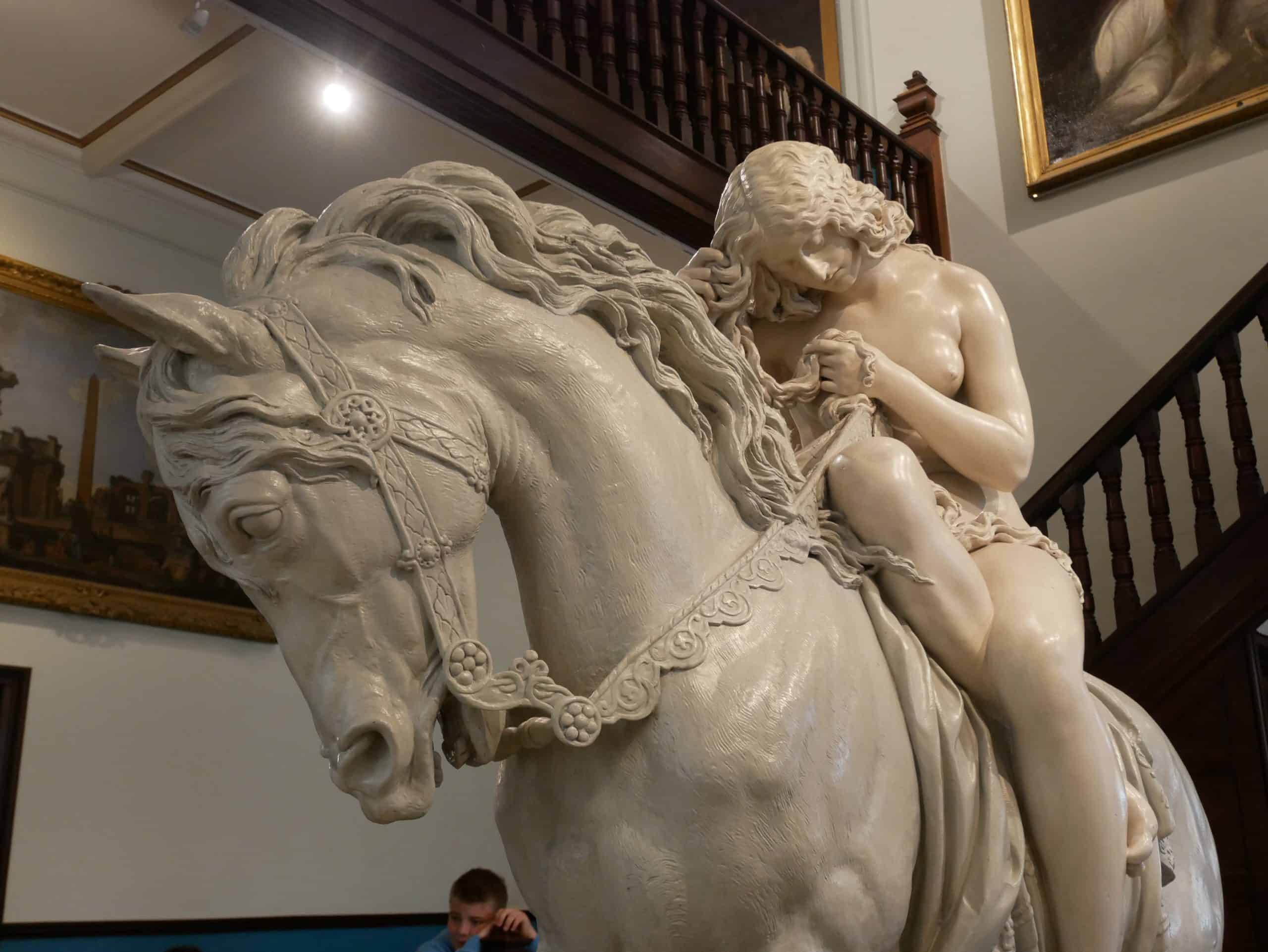
Though her tale of riding naked through the streets has been attached to her name centuries after her death, eleventh-century Anglo- Saxon Lady Godiva was known in her own lifetime for being extraordinarily beautiful.
References to Lady Godiva’s striking looks and youthful figure can be found in some of the oldest texts compiled by monks, as well as local Coventry history books.
Described as incredibly fair of face and lovely of form, she used her stunning beauty and great riches to become one of the most talked about and physically spectacular women in England before the Norman invasion.
Augustus Caesar
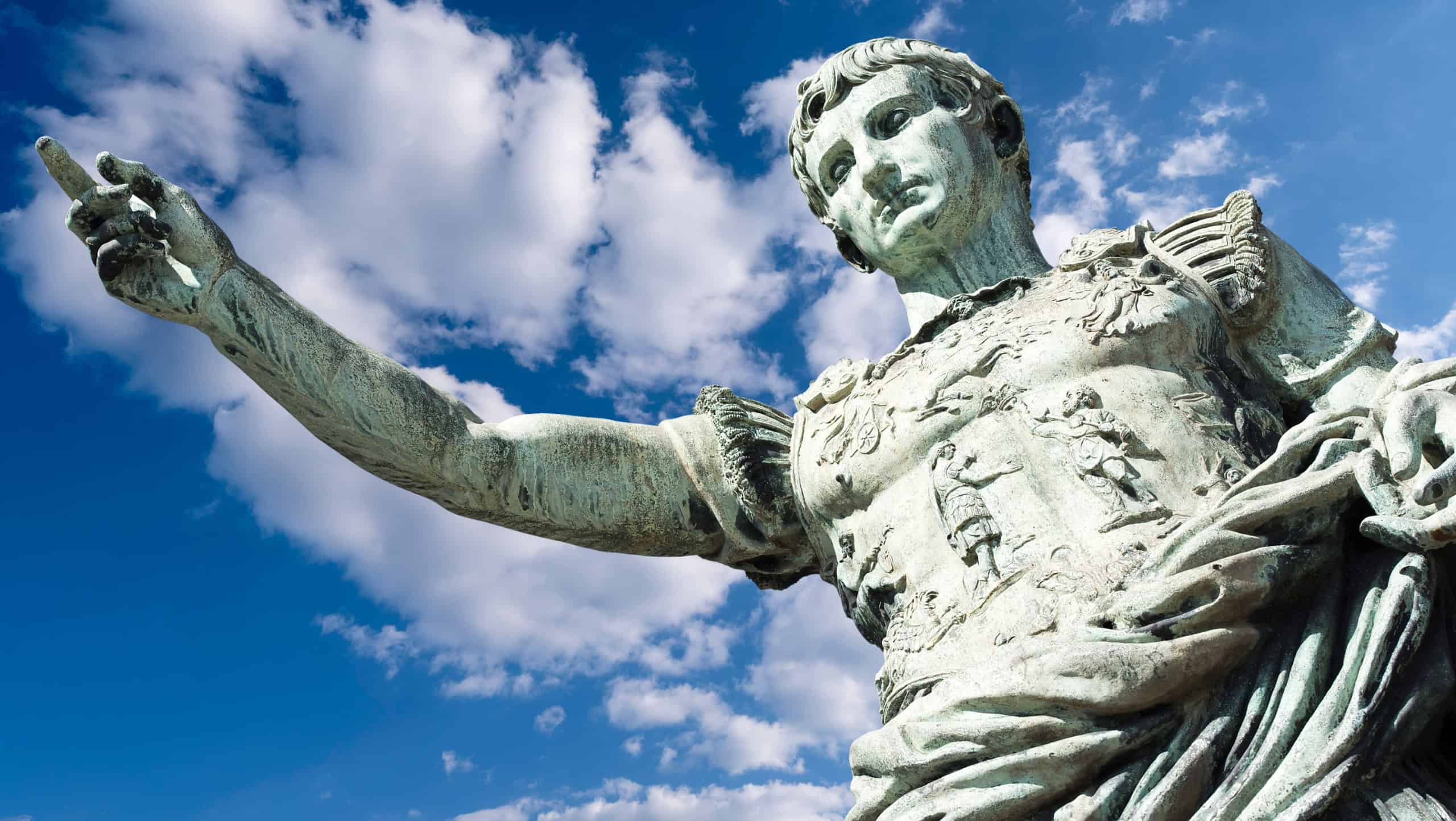
The Roman empire’s first emperor certainly knew how to politicize his handsome looks. His symmetrical and flawless features were used heavily for propaganda purposes throughout the Mediterranean region.
Roman author, Suetonius, noted in The Twelve Caesars that Augustus had light eyes and a “classical profile that was strong and attractive throughout his life, although he took little care of his hair or skin.”
Sculptors across Rome were instructed to carve his flawless, youthful likeness into thousands of busts for distribution.
Arthur Rimbaud
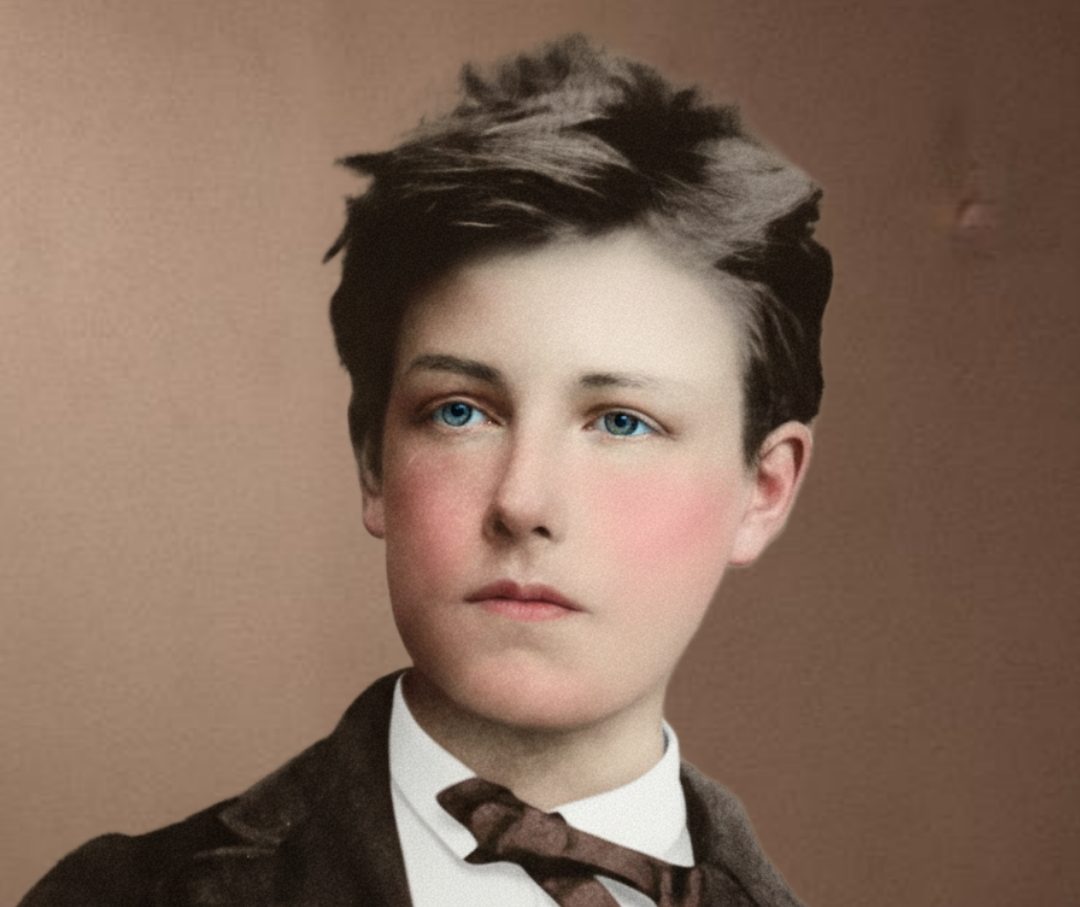
The eccentric looks of this nineteenth-century French poet held immediate sway over Parisian avant-garde literati.
Portraits and sketches of him, especially the famous 1871 photograph by Étienne Carjat show a striking teenager with pale skin, piercing blue eyes, thick dark hair, and an expression that seemed both innocent and defiant.
Rimbaud’s iconic look was only outmatched by his writing. Along with his iconoclastic attitude and undeniable genius, it drew him into the Parisian poetry scene and earned him the passionate devotion of other poets, especially Paul Verlaine.
Sources: Please see here for a complete listing of all sources that were consulted in the preparation of this article.
Like our content? Be sure to follow us.

