

Modern Christian belief treats the commandments as a foundation for values, not a strict legal code.
The three types of rules

Throughout the Old Testament, God gave hundreds of rules to the Israelites, 613 to be exact. So, how are Christians supposed to still read the Ten Commandments but not stress when they wear a polyester/cotton shirt? Well, theologians divide the law into three categories, or “buckets.”
Ceremonial Laws are rules about sacrifices and religious rituals. Christians believe that Jesus was the “ultimate sacrifice,” therefore, they don’t need to follow these old rituals.
Civil Laws were essentially the “government” laws for ancient Israel (i.e., laws about lawsuits over property). Christians today don’t live in Israel, so they aren’t required to follow these laws literally.
Moral Laws are the Ten Commandments. These were based on God’s nature, which does not change. Killing and stealing were offensive 4 millennia ago, and they’re offensive now because they damage the soul and community.
Jesus and the “Higher Standard”

Many people believe that Jesus abolished the old laws, but he actually reinforced them.
Jesus said, “I didn’t come to abolish the Law, I came to fulfill it.” Think of when you plant a seed in the ground. The seed isn’t “gone” when the flower sprouts up from the ground; it has merely reached its intended purpose.
Jesus expanded on the idea of the Commandments by explaining that they’re not just about what you do, but why you do it.
He used the example of “Thou shalt not murder,” explaining that if you hate someone in your heart, you are breaking the law, even if you don’t physically harm them. Jesus called us to a higher standard than simply “don’t get caught.”
The “Law of Love” Shortcut
When asked, “What is the most important commandment?”, Jesus didn’t pick one. He consolidated the entire law into these two commands: Love God, Love your neighbor.
Love God, and you won’t need to make idols or curse His name (Commandments 1–4). Love your neighbor, and you won’t steal from them, lie to them, or covet their things (Commandments 5–10).
These two “Great Commandments” can act as a guide for the Christian. If you are following these out of true love, you will inadvertently be keeping the Ten Commandments without needing to whip out a stone slab everywhere you go.
Grace: following rules because you want to

This is where Christianity differs from other religions. Many religions believe that you follow certain rules and earn the favor of God.
Christianity is built on the belief that God already loves you, and you’ve been forgiven through Jesus (this is called “Grace”).
Think about your spouse. You aren’t faithful to them because there is a governing rule that says you should. You are faithful because you love them and want to honor the relationship.
Christians view the Ten Commandments less as a staircase to reach God and more as a lifestyle to show God “Thanks for loving us.”
The Sabbath debate
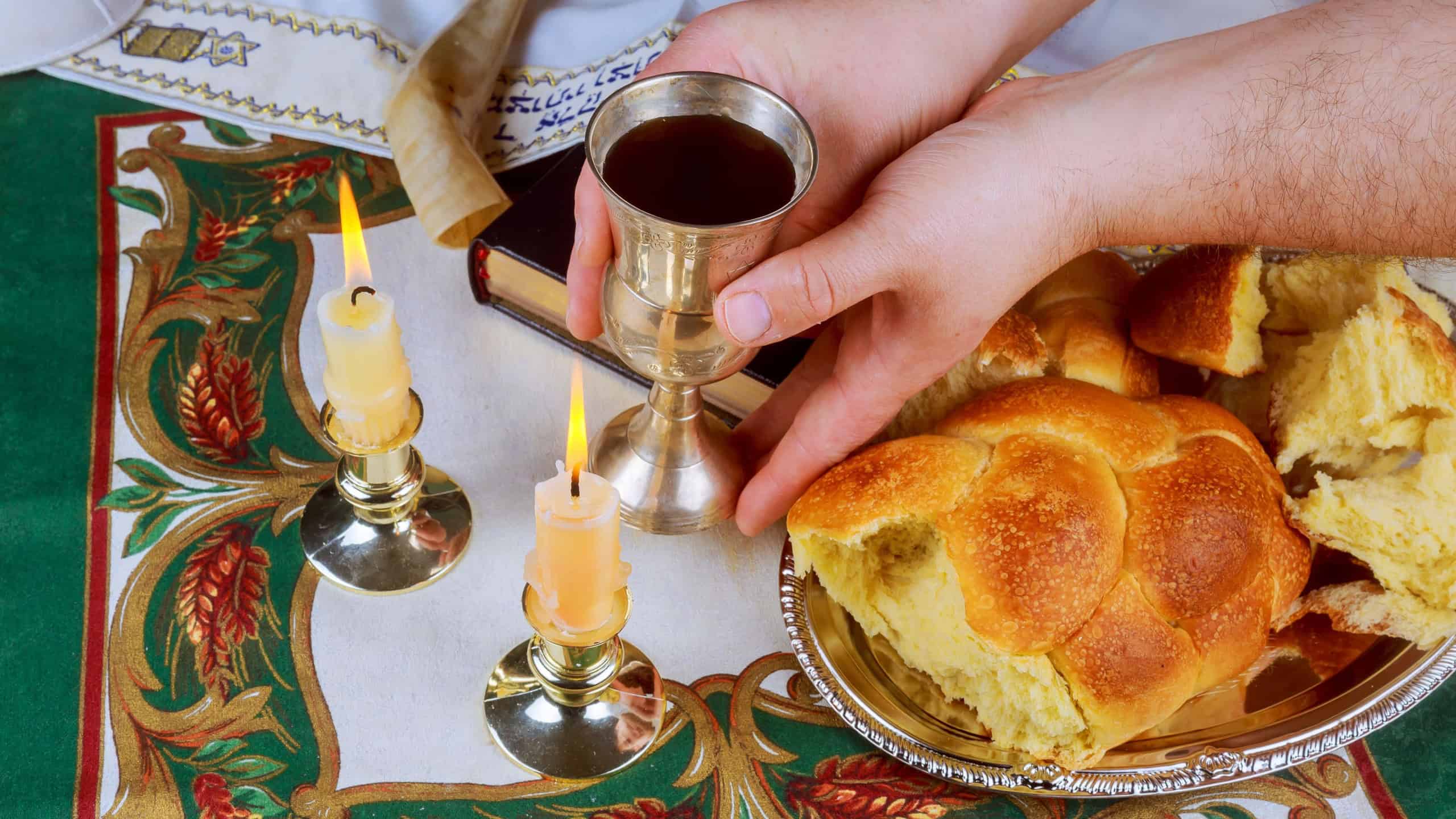
The biggest debate among Christians when it comes to the Ten Commandments is observing the Sabbath.
Some Christians believe we are obligated to rigidly observe one day a week (usually Sunday) as a day of rest, as the old law instructed.
Others believe that Jesus made every day “special.” They interpret the “day of rest” as not literally resting on a couch every Sunday but having peace in your heart every day.
While many Christians will attend church on Sundays, they view it more as an option than following a legalistic decree.
So do the Ten Commandments apply to Christians today?

Christians today are still under the Ten Commandments. It’s not some impersonal legalistic set of dos and don’ts that we strive to keep in order to be saved.
Jesus transformed the “letter of the law” into the “law of love.” They are less about checking lists and more about transforming hearts.
The ceremonial aspects of the Old Testament died with Jesus’ crucifixion, but the moral code of the Decalogue is the standard by which people are created to interact with God and each other.
Sources: Please see here for a complete listing of all sources that were consulted in the preparation of this article.
Everyday things that are forbidden by the Bible

Living according to the Bible means paying attention to both major sins and simple everyday actions.

