
The summer solstice is the longest day of the year—but not everything we hear about it is true. Some people think it’s the hottest day, some believe you can balance eggs, and some even think ancient people worshipped the sun. While the solstice is a real astronomical event, not everything we hear about it is true. Here are some of the most common summer solstice myths and the facts behind them.
Featured Image Credit: PTZ_Pictures /Depositphotos.com.
The Solstice Is the Hottest Day of the Year

Lots of people think the solstice must be the hottest day of the year because it has the most daylight. But it doesn’t work like that —as the Earth needs time to warm up. So the hottest days tend to be a few weeks later in July or August.
The Sun Stops Moving on the Solstice

“Solstice” means “sun stands still,” but the sun doesn’t actually stop. It just reaches the furthest point in the sky, and then slowly starts moving back the other way the next day. It’s like the turning point of the sun’s journey across the sky each year — not a freeze frame.
The Solstice Lasts All Day

The word “solstice” makes it sound like it’s an all-day event, but it’s just one quick moment. It’s the time the sun reaches its highest point in the sky at noon. That moment might happen in the morning, afternoon, or evening depending on where you live, but the long daylight makes the whole day feel extra special.
You Can Only Balance an Egg on the Solstice
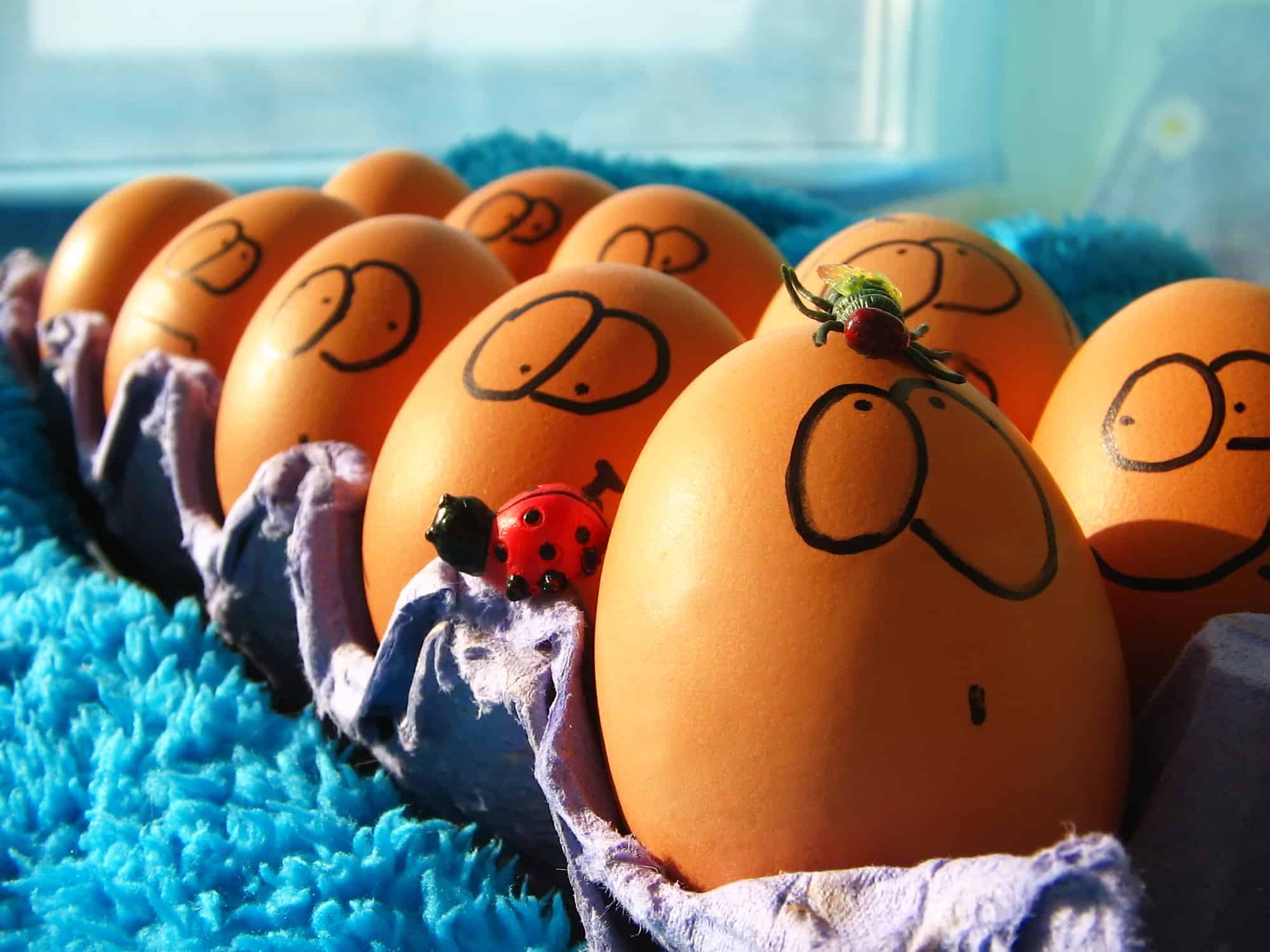
This myth says gravity works differently on the solstice and lets you balance an egg upright. Sounds cool, right? But it’s not true. You can balance an egg any day of the year, if you’re patient and have a steady hand. It’s just easier to believe when someone tells you, “It only works today!”
Bonfires Keep Evil Spirits Away

In ancient times, people lit big bonfires during the solstice. Some thought the fires chased away bad luck or evil spirits. Others thought the flames brought good fortune, love, or helped crops grow. So while the fire had meaning, it wasn’t always about ghosts — it was often just a happy tradition that brought people together.
The Sun Marries the Moon on Solstice Night

This is an ancient myth found in some pagan traditions. People imagined that on the solstice, the Sun and Moon “got married” in the sky. It’s a beautiful image, but there’s no real science behind it. It’s just symbolic — a way of expressing balance between light and dark.
Everyone Gets the Midnight Sun on the Solstice

The “midnight sun” is a thing you can only see in very far north places, like Norway, Alaska, or northern Canada. But if you live farther south, you don’t get a midnight sun. Instead, you get the longest day —but not a sunrise at midnight. For most of us, it’s the longest day, and the sun sets sooner or later.
The Solstice Doesn’t Really Matter
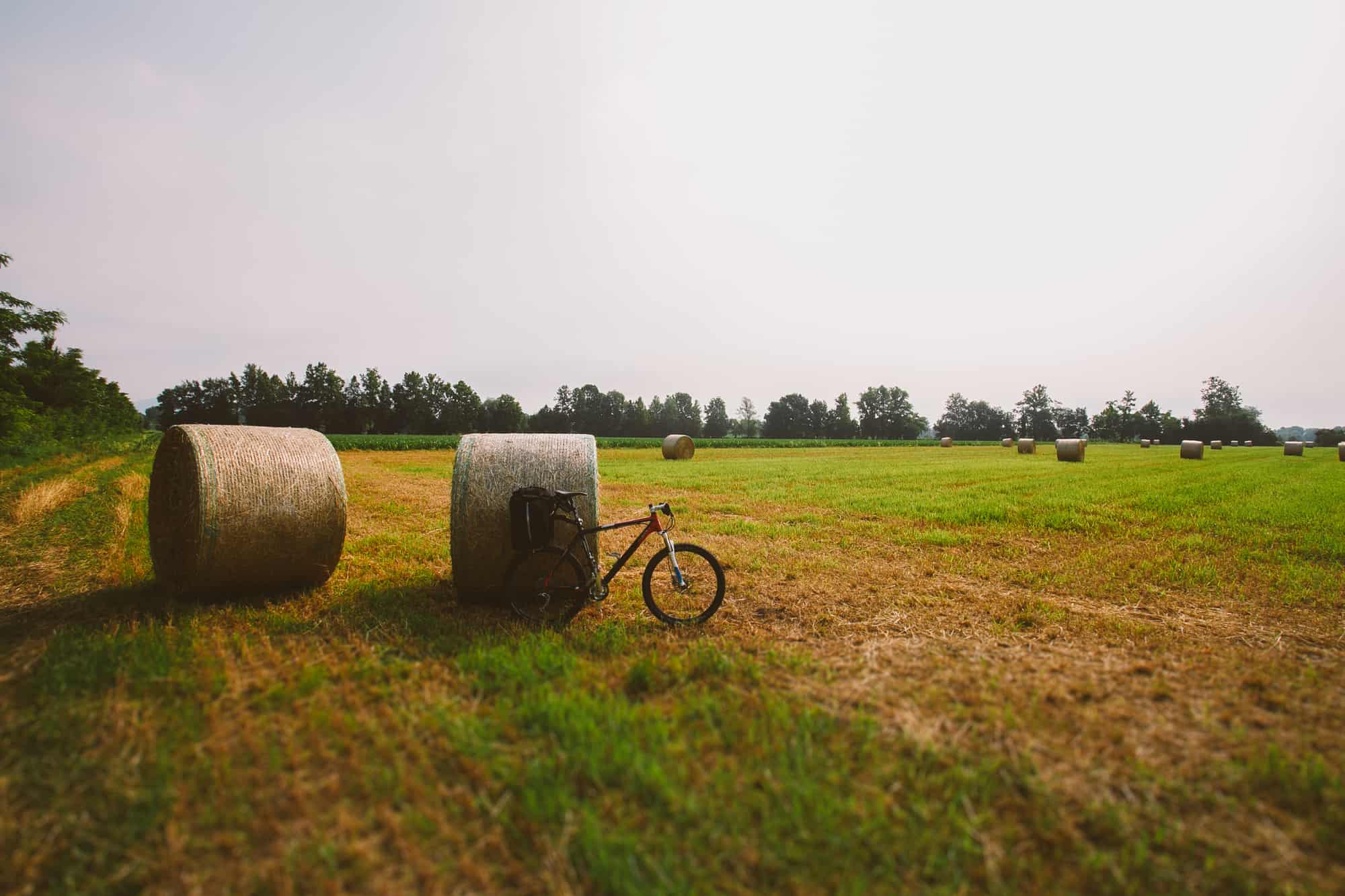
Actually, it’s really important. The solstice tells us when summer starts in the Northern Hemisphere. Ancient people used it to track time, plant crops and plan rituals. For farmers, astronomers, and nature itself, the solstice is a major turning point in the year.
The Earliest Sunrise and Latest Sunset Happen on the Solstice

It makes sense that the summer solstice would be the day with the earliest sunrise and latest sunset, but it’s not quite that simple. Depending on where you live, the earliest sunrise may occur a few days before the solstice, and the latest sunset a few days after. That’s because of the way the Earth’s orbit and tilt influence time.
The Solstice Confuses Our Sleep

Lots of people say they sleep poorly around the solstice, and it’s not just imagination. You get an extra-long day in the evening, and it makes your brain want to stay up late. It’s not a special effect of the solstice—it’s just that your body clock is out of whack. You can fight back with blackout curtains and a bedtime routine.
Stonehenge Gatherings Are Ancient Traditions

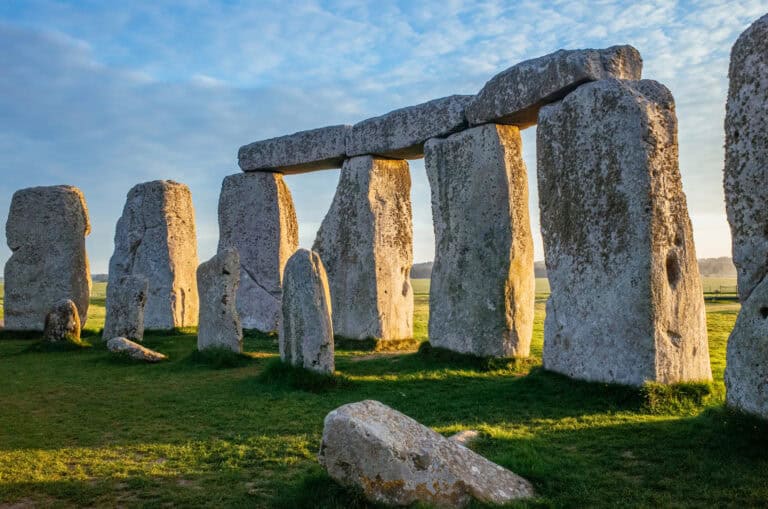
Every year, thousands of people show up at Stonehenge to watch the sun rise on the solstice. This ritual feels ancient—but big public gatherings only started in the 1800s, when trains made it easy to get there. The ancient builders probably didn’t host solstice parties like we do today.
The Tropic of Cancer Lines Up with the Cancer Constellation
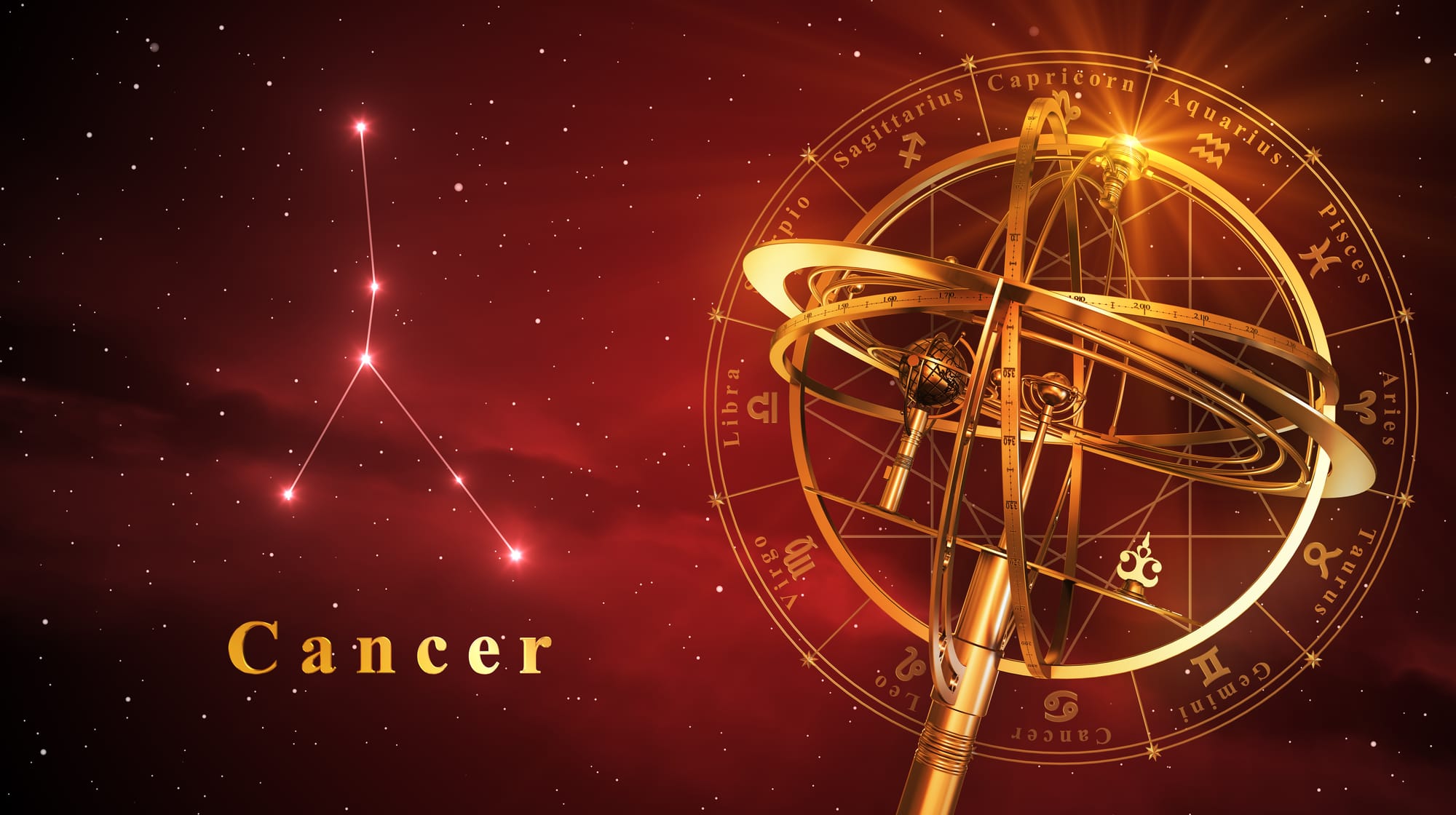
When astronomers were first naming things, the Tropic of Cancer was actually aligned with the Cancer constellation. But the Earth’s axis wobbles very slowly over time (it’s called axial precession), so it’s now actually aligned with Gemini. It’s an example of how space can change over thousands of years.
Disclaimer: This list is solely the author’s opinion based on research and publicly available information.
Like our content? Be sure to follow us.
Read More: