

Modern fashion rules are harsh. But they’re nothing compared to the historical rules. These legally told people what they could or couldn’t wear. Here are some strange laws from the past that controlled how people could dress. Which of these old clothing rules would you have found the hardest to follow?
Featured Image Credit: Shutterstock.
Silk reserved for nobles in Edo Japan

In Edo-period Japan, shoguns set rules saying only the upper classes could wear silk, especially samurai families. Regular townsfolk had to stick to cotton or hemp. Anytime someone lower down the ladder wore silk, officials could confiscate the clothing, and sometimes even arrest repeat offenders. The only loophole was weddings.
Medieval color bans for commoners

Anyone wearing bright scarlet tunics & shiny fabrics in medieval Italy was loaded. Or, at least, they were pretending to be. Town rules in places like Florence completely banned average people from wearing flashy colors in public, with inspectors fining offenders. They would even take the garments on the spot because public humiliation was part of the point.
Colonial New England limits on lace and embroidery

In 17th-century Massachusetts, lawmakers really didn’t want everyday people wearing fancy trims like lace or ribbons. They were also against commoners wearing decorative embroidery, unless they had the bank account to match. In fact, the local court set actual shilling fines for each offense, and wearing a single line of forbidden lace could end with you paying up.
Sixteenth-century caps on velvet
Some German cities in the 1500s had rules on who was allowed to wear velvet. Nuremberg’s rules limited velvet to the nobility & those of high status, as it showed their wealth. Anybody from merchant families simply wasn’t allowed to wear such fancy clothes. Failing to follow the law could lead to officials seizing the clothes and fining the household.
Ancient Rome’s togas tied to rank and citizenship
Sure, today, we think of all ancient Romans wearing togas, but it wasn’t that simple. Citizens wore plain white togas and magistrates had a purple stripe, while some boys wore special versions before adulthood. Anyone wearing the “wrong” toga was seen as trying to fake their status. They’d be fined & face social disgrace for doing so.
Trousers bans for women in France and U.S. cities

Paris police passed a rule in 1800 that essentially said women needed permission slips to wear pants. The law existed for over 200 years, although it technically stopped being enforced. Across the Atlantic, cities like San Francisco arrested women for wearing trousers as late as the 19th century, as this was seen as cross-dressing.
Religious rules on hats and veils

Many religious institutions have had their own fashion codes. These include medieval Europe because Jewish communities were legally required to wear distinct hats. This was so others could identify them. It was a similar story centuries later, with Catholic women being expected to wear veils in church.
Nineteenth-century bans on bathing suits above the knee
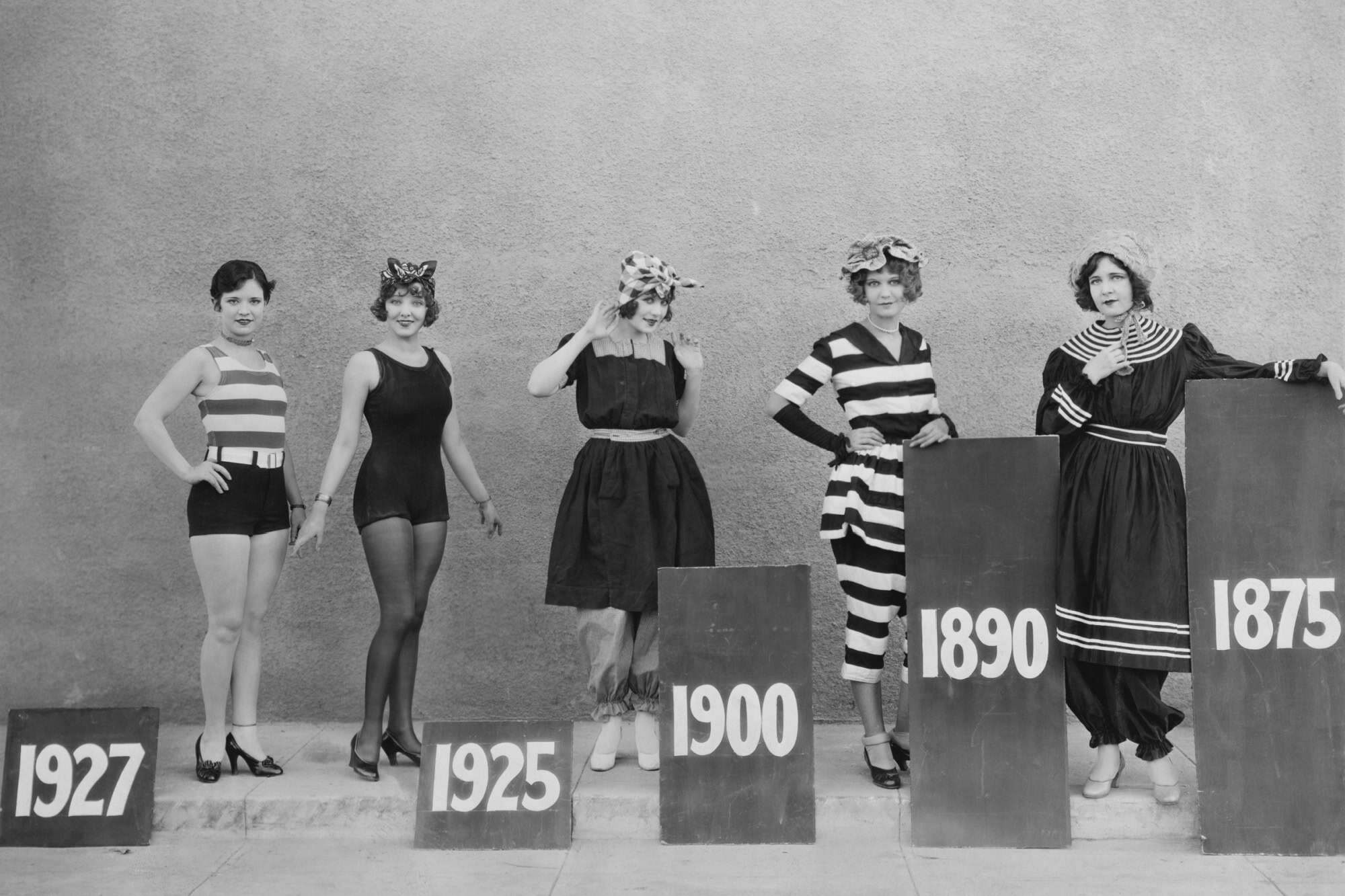
Beachwear wasn’t as simple as bikinis & boardshorts. In the late 1800s, cities in the U.S. required neck-to-knee swimsuits, especially for women, with inspectors literally bringing rulers to measure hemlines. You’d be fined or even arrested for wearing a suit that was too far above the knee, and lifeguards sometimes doubled as fashion police.
Military-style uniform restrictions for civilians

The government in Victorian Britain was rather picky about who wore military clothing. Civilian men who walked around in real uniforms without permission would face fines under the Uniforms Act of 1894. The rule was focused on people pretending to be soldiers, but also any use that might bring contempt on the armed forces was punishable.
Spanish ban on cloaks & wide-brimmed hats

In 1766, Madrid’s leaders rolled out a dress rule that banned long cloaks & those big, round-brimmed hats that were popular with men. They said it was because people were using them to hide weapons & their faces. As a result, street enforcers cut hat brims right then & there, and seized cloaks on the spot.
Turkey’s hat law & the fez ban

To start modernizing, Turkey once had a law that forced everyone to wear European-style hats & outlawed the fez. It started with civil servants. But then it spread everywhere, and judges took it so seriously that people could be charged in court for breaking it.
Sources: Please see here for a complete listing of all sources that were consulted in the preparation of this article.
Like our content? Be sure to follow us.
