

Whenever your electric bill shows up, it might make you do a double-take because even though you’ve turned off lights and avoided using the AC, the numbers aren’t changing much. However, there are a bunch of things that you probably haven’t tried yet, but they actually help reduce your bills. Here are twelve smart tricks to lower your electric bills. No complicated upgrades—just some things that people often ignore, yet could save you some money.
Featured Image Credit: HighwayStarz /Depositphotos.com.
Use Your Dishwasher’s Air-Dry Function
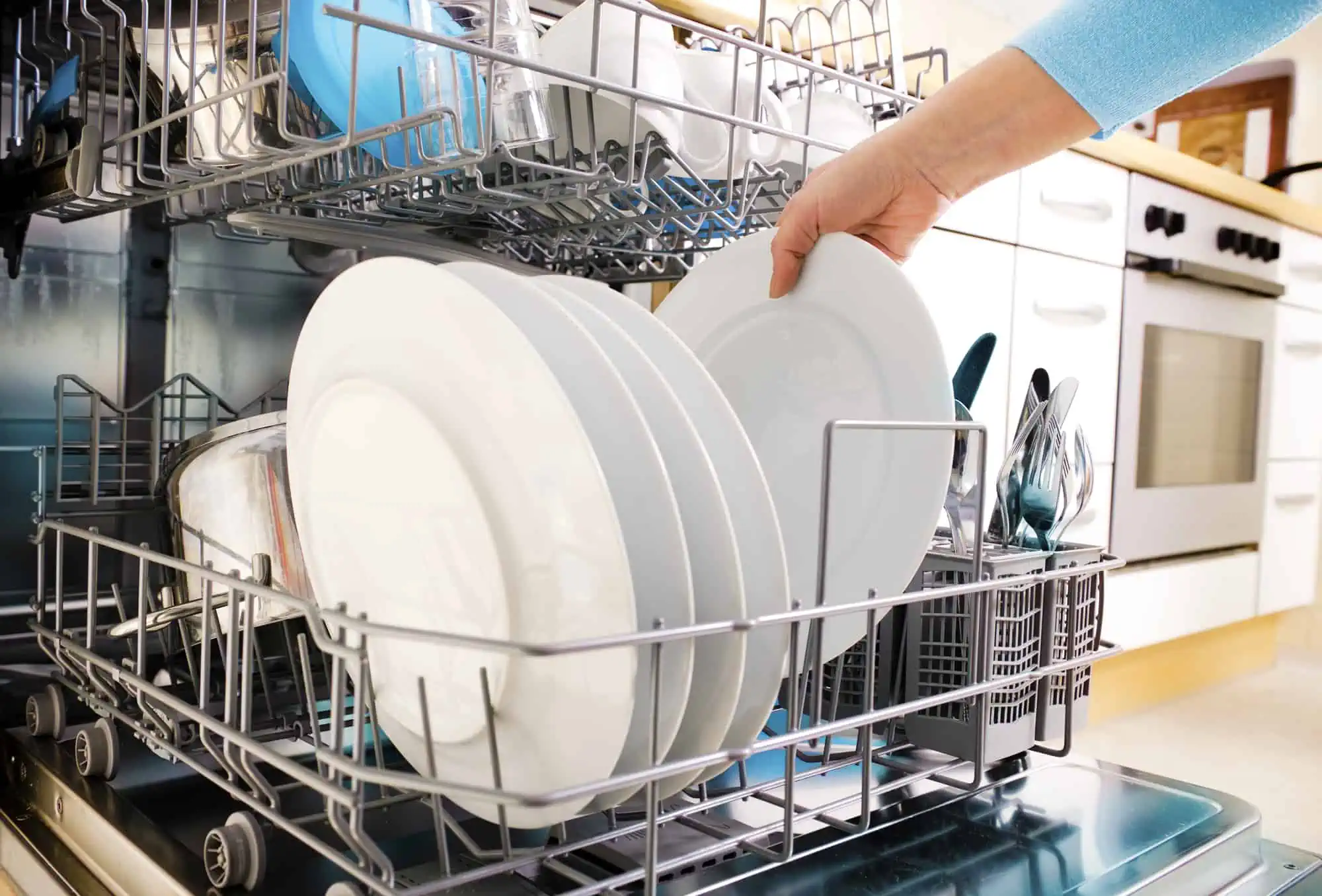
Rather than letting your dishwasher blast your plates with hot air, flip it to “air dry” because this skips the heating coil and allows your dishes to cool down naturally. You’ll still have the same clean plates while using much less electricity—the heated dry feature could use an extra 15% or more energy per cycle. Running it daily could end up costing you quite a bit. If yours doesn’t pop open the door automatically when it finishes, just do it yourself.
Swap Your Dryer’s Lint Screen With Mesh

The basic lint screens that come with dryers aren’t always the best at airflow, while a high-efficiency mesh screen allows more air to pass through. As such, your dryer doesn’t have to huff & puff for 40 minutes straight, so it’ll cut down on dry time without you even touching the machine settings. It also lowers the risk of overheating or fire, and you can find one online for under $20, which should just snap in like the original.
Adjust Your Fridge’s Temperature By a Single Degree
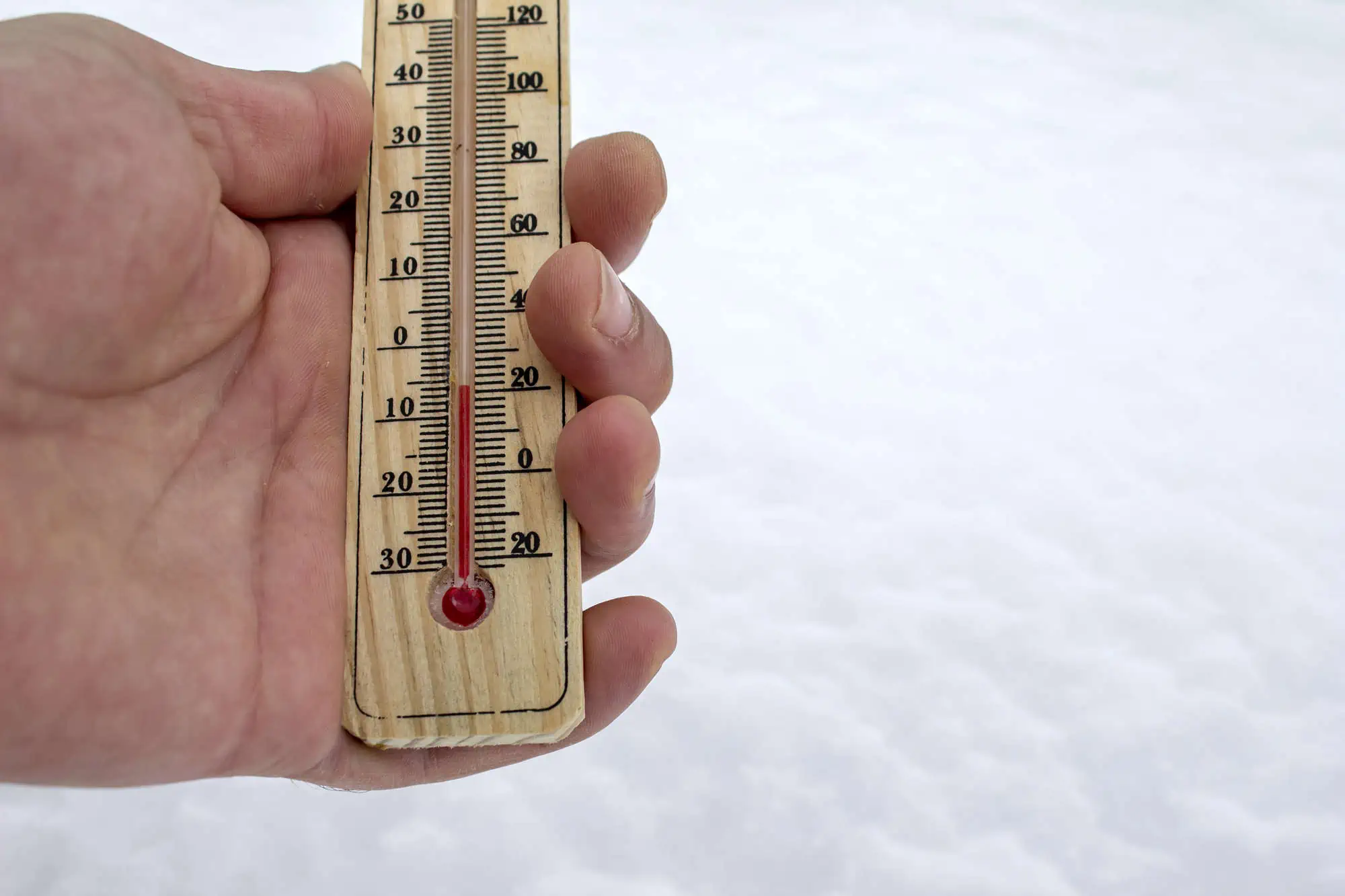
Fridges don’t need to feel like the Arctic tundra, and if yours is set below 37°F, it’s doing much more work than it needs to—just bump it up one degree. That tiny change could reduce your energy use without affecting your food, and you can do the same for your freezer by sticking with 0°F. Most people don’t even realize their dials are set too cold, yet less overcooling means less power down the drain.
Wrap Your Water Heater in an Insulation Blanket

Water heaters lose heat if they’re not wrapped up, and for older models, putting an insulation jacket over them could help keep the warmth in. This stops the heat slipping out, and it means that the machine doesn’t have to reheat water every five minutes. These blankets cost just around $30 and take less than an hour to install, so if your water heater feels warm to the touch, it’s definitely worth doing. You don’t want the heater to keep running nonstop.
Move Your Furniture Away From Vents and Radiators

A sofa that’s directly in front of a vent essentially means that your heater’s pushing warm air into a cushion, which isn’t exactly helpful. Shifting stuff around just a little—even just a few inches—could get the air flowing better and stop your HVAC from going into overdrive. Simple things like rugs over floor vents may also affect the airflow more than you’d expect, and you need the air to actually move around the room for it to work.
Install Outlet Gaskets Behind Light Switches

Whenever you walk by a light switch on an outside wall, you might feel a little draft—it’s not your imagination because air leaks in through there. This is where foam outlet gaskets come in handy because you just pop them on once, then forget about them, and all you need is a screwdriver & maybe ten minutes. These things cost about a dollar each and come in packs, so you can do your whole house for under ten bucks.
Match Your Pot Size to the Stove Burner

A big burner with a small pot is a waste of electricity, as it essentially means you’re heating up your kitchen instead of your dinner, with the extra heat that spills over the sides just increasing your electric use. Lining up the pot with the burner size helps food cook faster with less energy—if your pot’s smaller than the burner, around 30% of that heat never touches it. Instead, you should use the smaller burners for small pots and save the big ones for soups & big batches.
Unplug Cable Boxes When Not In Use

Cable boxes just keep using energy, even when they’re not doing anything, particularly things like DVRs. You should try unplugging them at night or when you’re out for the weekend because it’ll save more than you’d think—you could even put them on a power strip with a switch for easy shutdown. Some models draw 20 to 30 watts even when they’re “off,” which adds up to over $40 a year, and if you have multiple boxes or streaming devices, it’ll be a lot more.
Keep Your Freezer Full, Even With Water Jugs

An empty freezer is a bad freezer because it has to work harder to stay cold, as there’s nothing inside to help keep the temperature stable. If you don’t have food to fill it, put in a few water jugs—they’ll freeze up and help to keep things consistently cold with less effort. A full freezer also helps keep food frozen longer during power outages, and these ice jugs double as cold packs.
Vacuum Your Fridge Coils Every Six Months

You probably don’t think about your fridge’s back coils unless you’re moving it, but when they’re caked in dust, the fridge must work way harder to stay cool. As such, you should get a vacuum and give those coils a once-over—it could knock off up to a third of their usual energy use. It’s especially important if your fridge is older or shoved into a tight spot with little airflow, so pull it out, unplug it, and vacuum around the coils & vents. Try to do this around twice a year.
Close the Damper on Your Fireplace When It’s Not in Use

While it’s nice to have a wood-burning fireplace, the cost of having one isn’t so great, but you can reduce that by not leaving the damper open. Keeping it open is like having a small window cracked all year, with cold air getting in during winter and warm air escaping during summer, so your heating & cooling system work harder. The damper should always be closed unless you’re actively burning wood. You may want to buy an inflatable chimney balloon to block airflow when you’re not using it, too.
Reduce the Brightness on Your TV

New TVs are usually set to high brightness for showroom floors, not living rooms, and dropping the brightness level down just a bit could lower your energy use by up to 20%. Most people won’t even notice the difference after a few minutes, so go into your settings and adjust the “backlight” or “brightness” slider. You could try using the TV’s “eco” or “energy saver” mode, which lowers the brightness automatically based on the room lighting.
Disclaimer: This list is solely the author’s opinion based on research and publicly available information.
Like our content? Be sure to follow us on MSN.


