It’s natural to want to feed your pet the best of everything – But it’s easy to overdo it without realizing the harm it could be causing. Even though giving them extra treats or filling their bowl does not seem damaging, it can cause serious health issues. The symptoms of overfeeding often remain hidden until they develop into something serious.
Knowing the difference between a safe and dangerous food ratio is very important to keeping your pet healthy and happy. These 10 warnings reveal you are feeding your pet too much.
Featured Image Credit: Maksim Goncharenok /Pexels.com.
Rapid Weight Gain

Perhaps the most visible sign of overfeeding is excess weight gain. If your pet is putting on weight rapidly, it shows that they’re eating too much for their activity level. What may appear to be a little extra weight at a first glance could cause joint problems, diabetes and heart disease in the long term.
Lethargy

If your pet is acting more sluggish than before, it might be because of overfeeding. Overfed pets also feel bloated and lethargic, which makes them unlikely to exercise. The extra weight can make it difficult for your pet to move around. Your pet will not only lack energy but become very weak.
Like our content? Be sure to follow us.
Difficulty Breathing

An overfed pet might have problems with walking or running. If your pet begins to pant heavily from just a short walk or even at rest, it’s a sign that their extra body weight is putting pressure on their lungs and heart. This can cause serious breathing problems and affect their heart.
Joint Problems
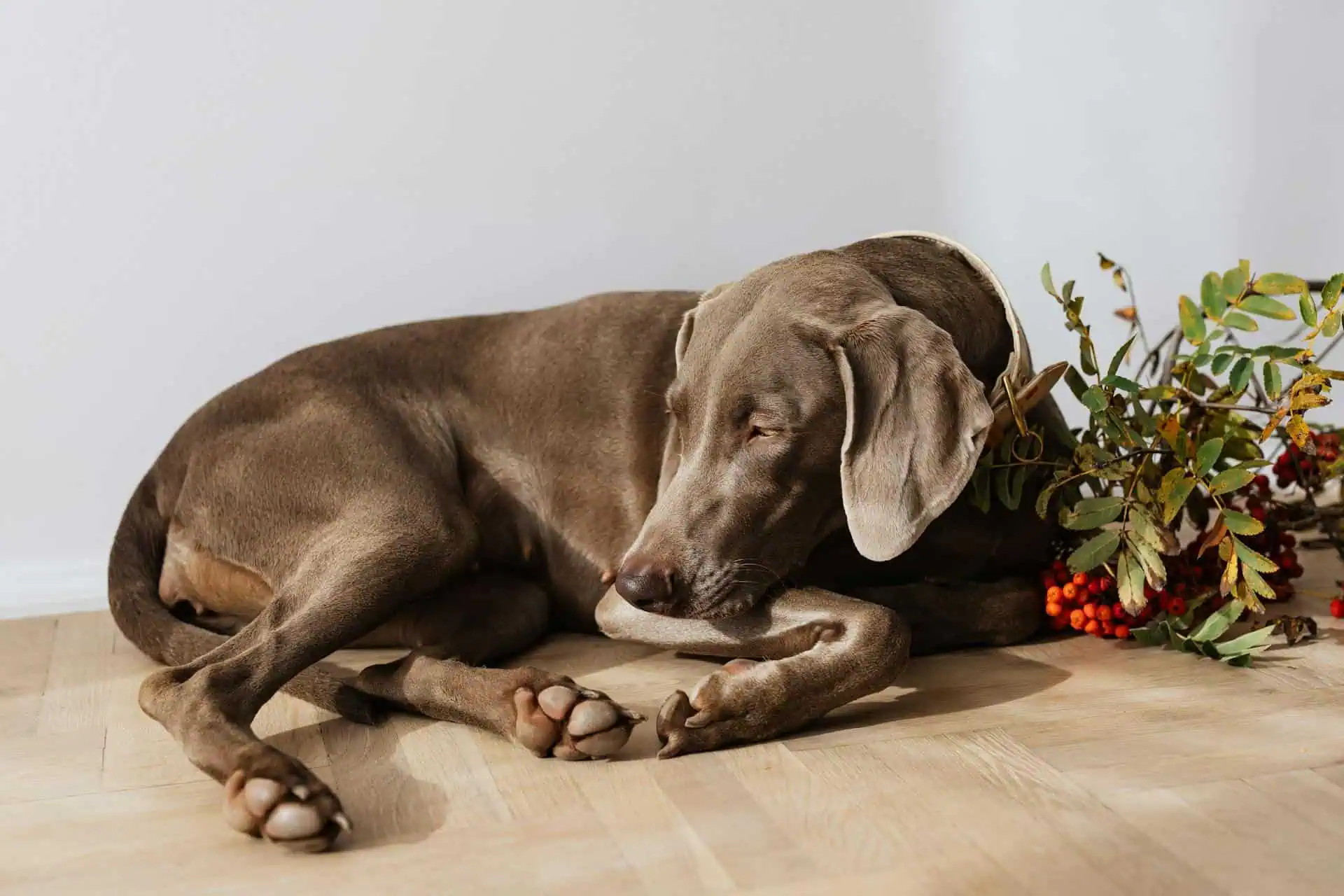
Overfeeding can cause joint issues in pets, especially in big dogs. Extra weight pets gain from eating too much can place added pressure on joints. This can lead to arthritis or other mobility problems.
Frequent Digestive Issues
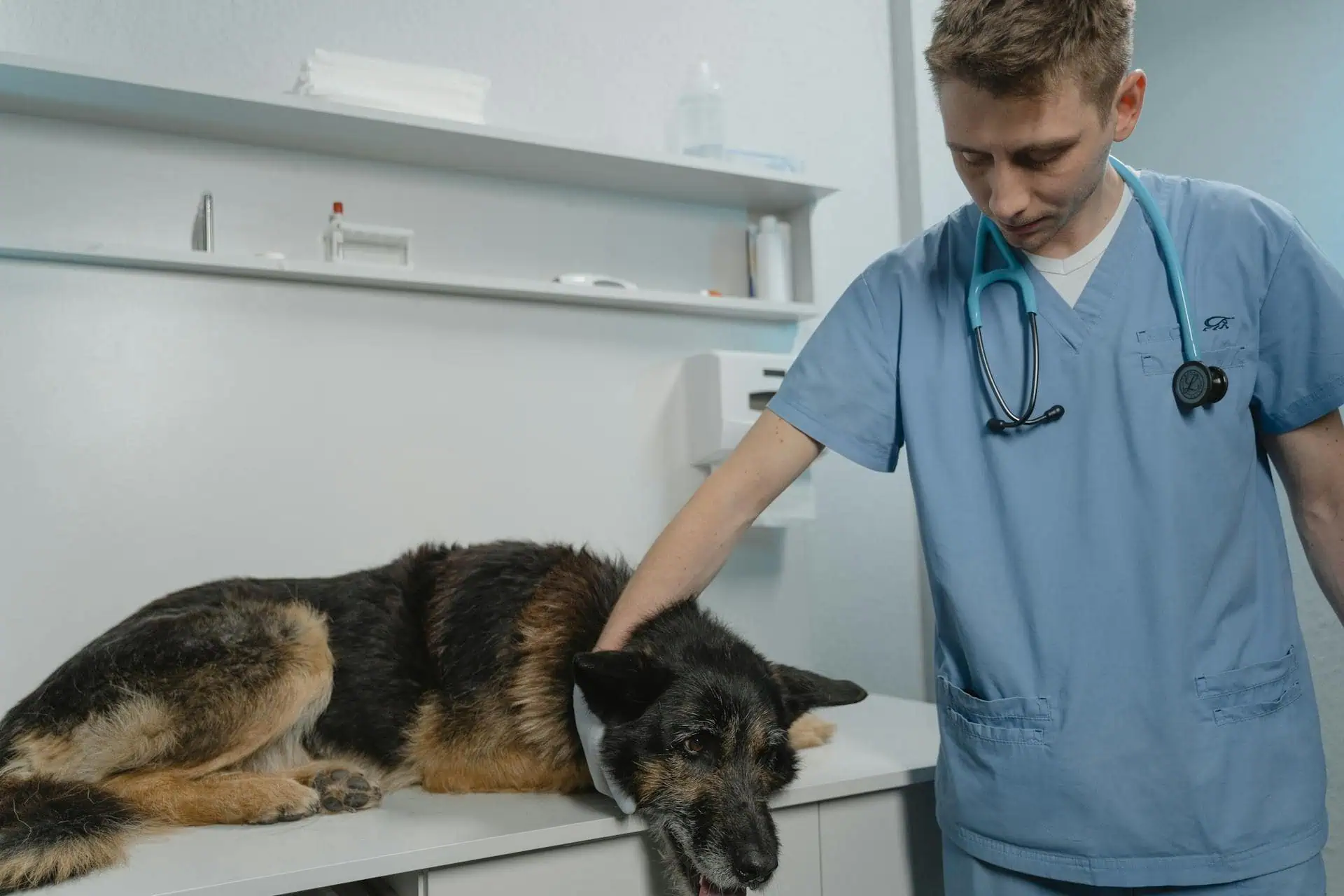
Sometimes, you might notice frequent digestive problems like vomiting, diarrhea or bloating in your pet. These can be quite shocking— but chances are these digestive illnesses might simply be a result of overfeeding. Like humans, a pet that is overfed may not be able to digest all of the food they’re taking. This results in discomfort and digestive problems.
Decreased Interest in Exercise

Overweight pets may lose interest in playtime or physical activity. This is simply because they feel sluggish and carrying extra weight can be uncomfortable. They may no longer beg to play with you or chase their favorite toy like they used to – they will settle for much shorter walks or not seem to enjoy the activities they once loved.
Bulging Belly or Fat Rolls

If you can see visible fat rolls or notice your pet’s belly sagging, this means they’re overweight from overfeeding. Pets that are fed too much often develop fat deposits around their abdomen, neck and sides, which can be easily seen or felt. That extra pudge may be adorable – But it is a sign that their health is in danger.
Difficulty Grooming
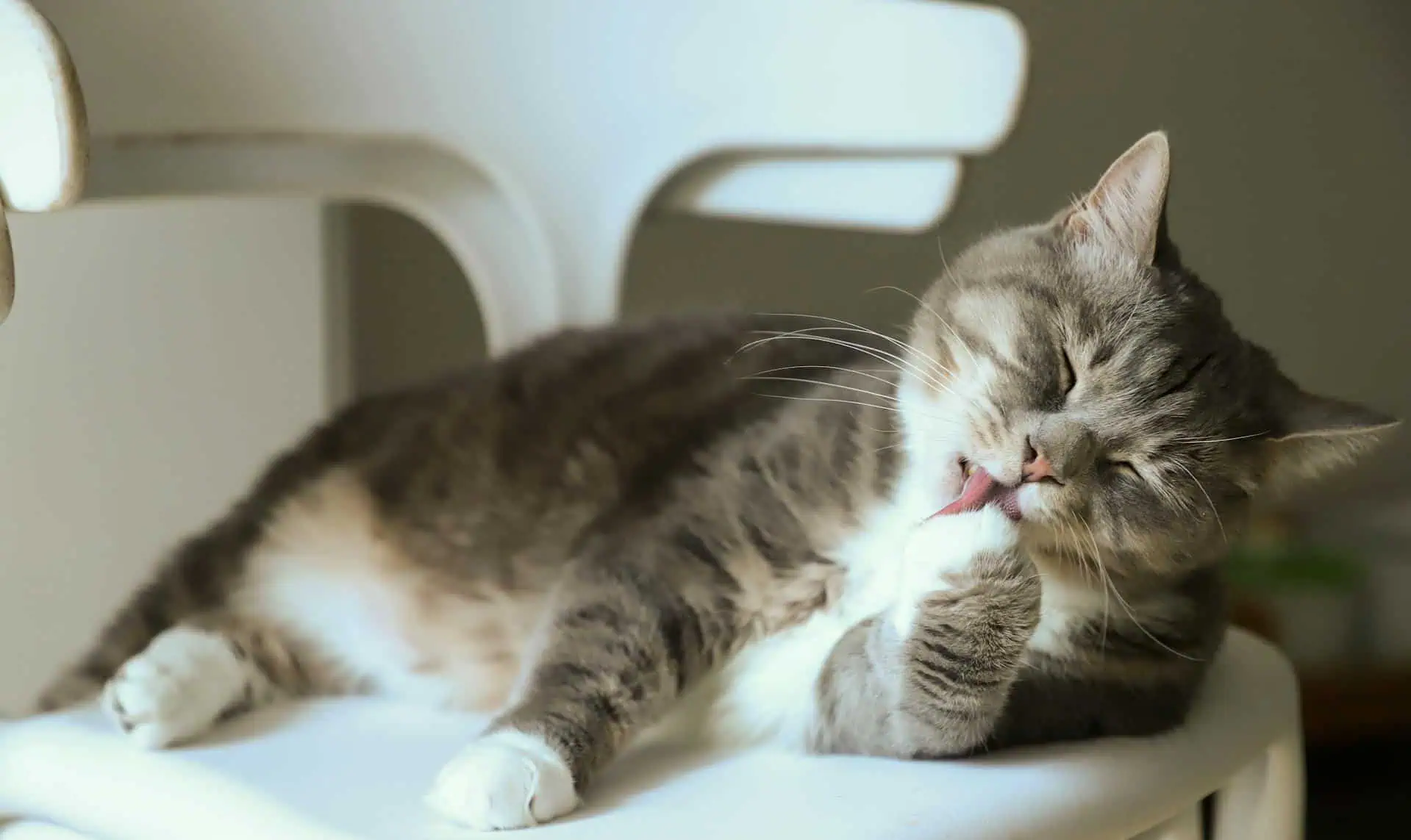
Overweight pets often struggle to groom themselves properly due to their size. If your pet has matted fur in spots or can’t reach certain areas they once could, it is a sign that their weight gain is making it hard for them to even clean themselves. This can lead to hygiene problems, skin infections and discomfort.
Increased Thirst
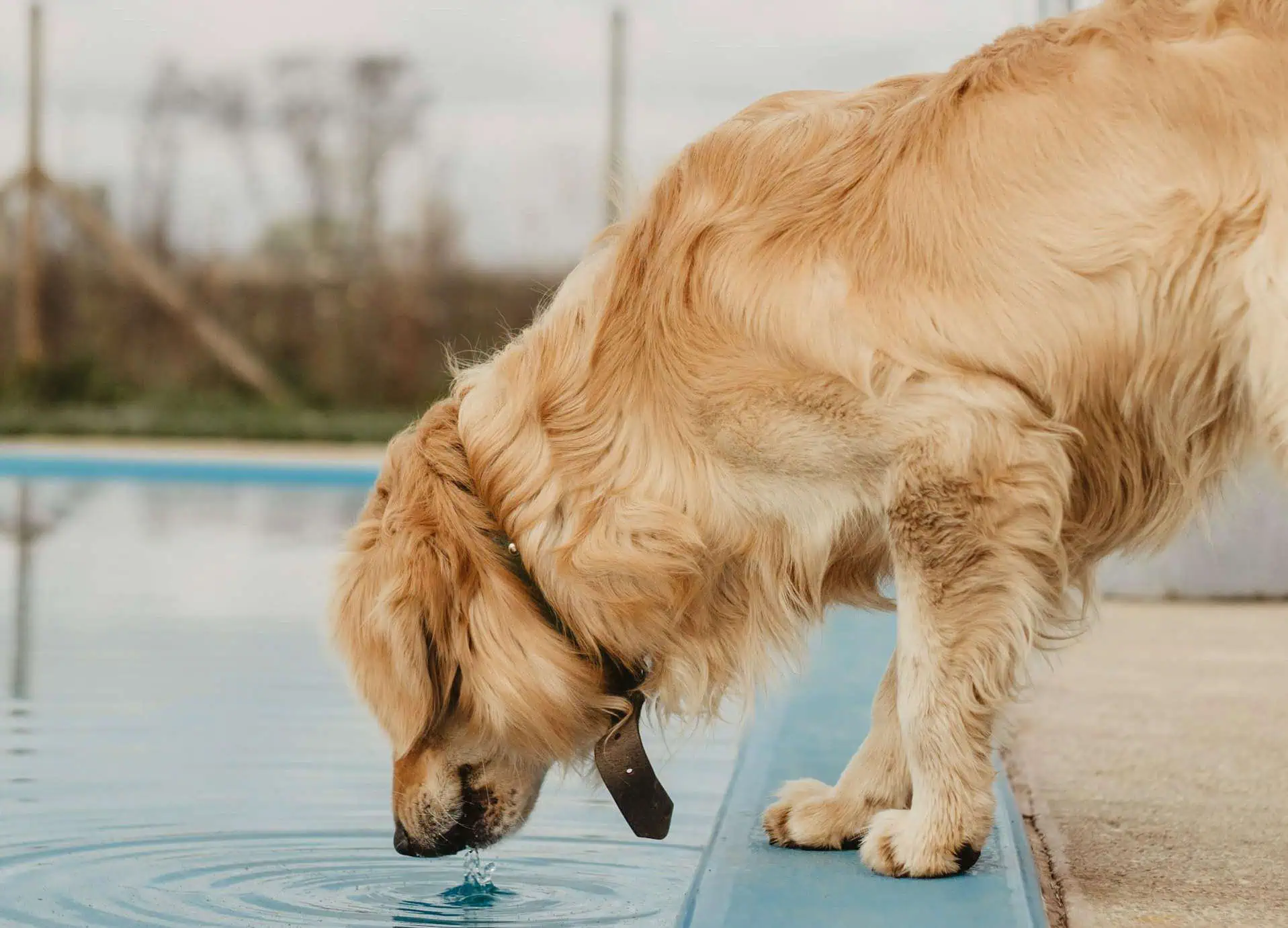
Too much food, especially a high-carbohydrate or fatty diet, causes your pet to be thirsty. Often, this is due to their systems working overtime in order to process the increased amounts of food – which causes dehydration. If you see your pet drinking more water than normal or they are constantly at the water bowl lapping up water – these are signs of being overfed.
Shorter Lifespan

Ultimately, overfeeding can cut down your pet’s potential lifespan. Extra weight puts stress on their entire body, from their heart and joints to their respiratory system and organs. Obesity puts your pets at risk for diabetes, heart disease and cancer — all of which have life-threatening results.
Disclaimer: This list is solely the author’s opinion based on research and publicly available information.
Like our content? Be sure to follow us.
Read More: