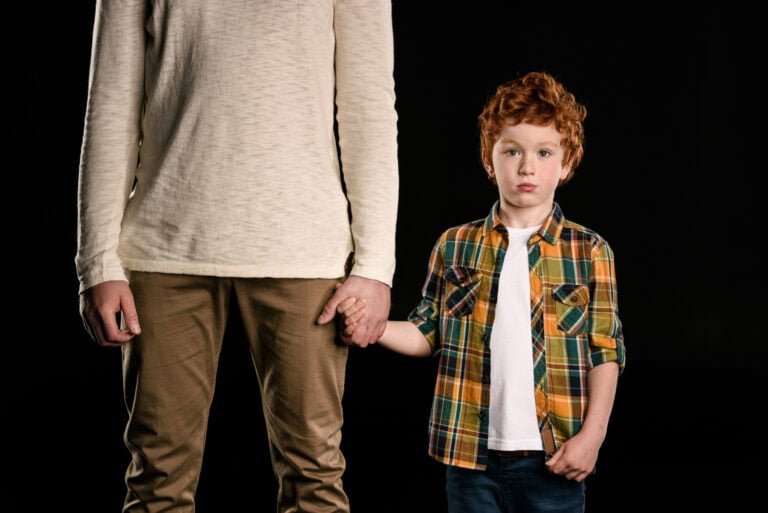

Not every toxic parent screams, hits, or slams doors. Sometimes the damage is quieter. You grow up and start noticing patterns in how you think, feel, or react—but they don’t always make sense until you trace them back. A lot of people carry invisible weight from a childhood where emotional safety just didn’t exist. These rare signs point to a kind of parenting that may have left more scars than anyone could see.
Featured Image Credit: IgorTishenko /Depositphotos.com.
You Apologize for Simply Existing
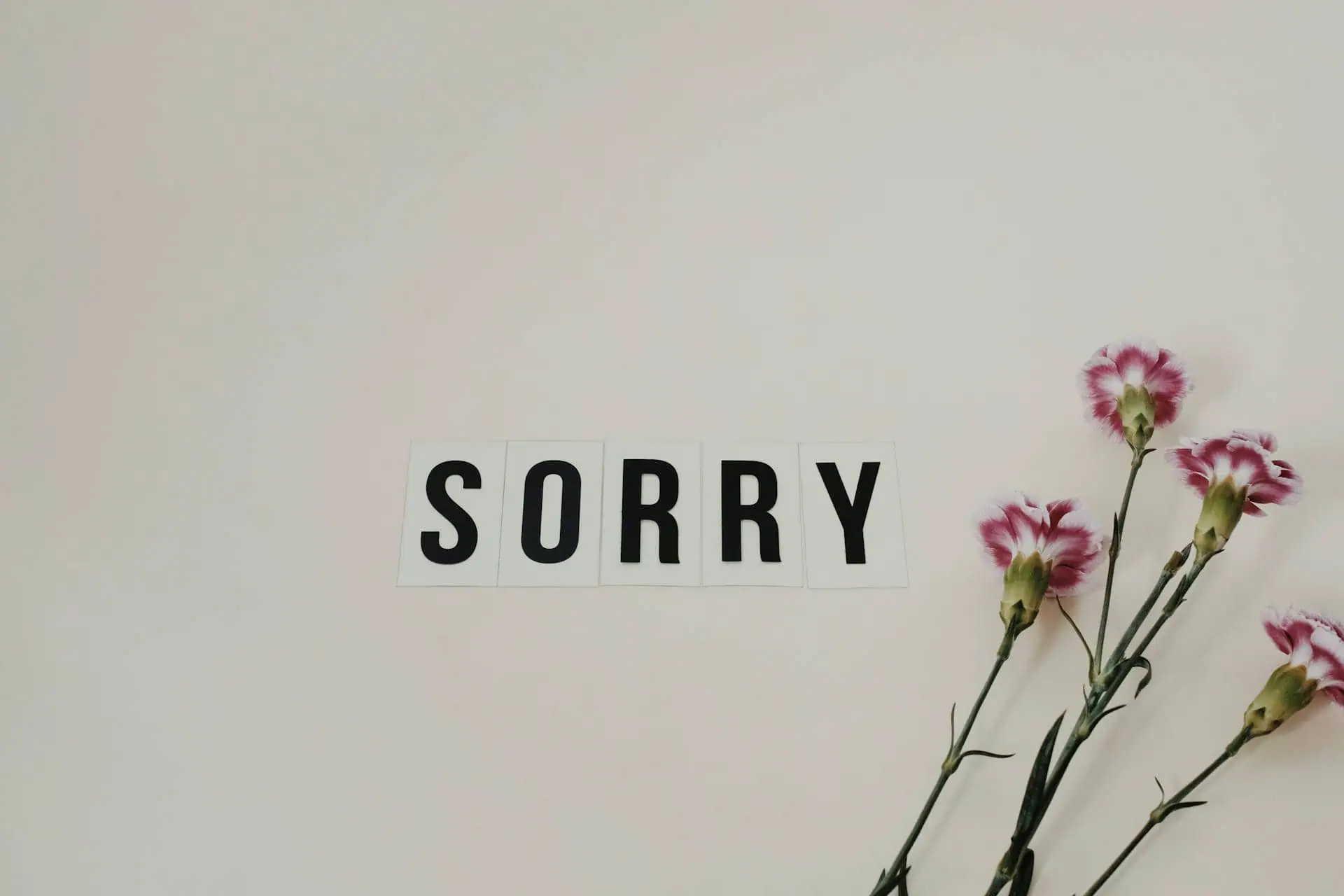
You automatically apologize with “sorry” whenever someone accidentally bumps into you. You apologize because you’ve grown accustomed to the idea that you are the source of problems. Your presence becomes something you believe you should feel guilty about when your parents treat you as an inconvenience.
You Feel Guilty When You’re Happy

Even in good moments, something inside you tenses—like joy is something to be ashamed of. If your parents acted cold or annoyed when you were enjoying yourself, your brain learned to treat happiness like a red flag. Happiness just doesn’t sit right.
You Struggle to Set Boundaries Without Feeling Mean

You’d rather make yourself uncomfortable than risk upsetting someone else. That habit usually starts in homes where your boundaries didn’t matter—where saying “no” led to guilt, pushback, or being shut out. So now, keeping the peace feels safer than protecting your own.
You Fear Calm Moments Because They Feel “Too Quiet”

Stillness makes your skin crawl. It doesn’t feel safe—it feels like something bad is about to hit. That’s what happens when you grow up in chaos. You lose faith in calm because you know it is not going to last.
You Play the Peacemaker, Even When You’re Hurting

You take care of everyone else’s emotions, even when yours are a mess. It’s not that you don’t feel things deeply—it’s just that keeping the peace has always been your job. Especially, if you had to manage your parent’s moods just to survive the day.
You Over-Explain Everything

You explain your choices, then explain your explanations—just in case. This isn’t about being thorough. You try to protect yourself from misunderstandings, judgments, and shutdowns through this behavior. As a child you often found yourself having to justify your actions to prevent negative reactions.
You Secretly Wait for People to Leave You

Even in close relationships, you hold your breath. You’re not sure “when” they’ll leave—just that they will. If love didn’t feel stable growing up, you start to expect people to disappear, even when they say they won’t.
You Take Criticism as a Personal Attack

Whenever someone gives you feedback, it can feel like a hit to your confidence. When people question your choices, it might feel like they’re rejecting you. This feeling of never being good enough likely comes from how your parents reacted—like nothing you did was ever enough.
You Struggle to Know What You Actually Want

You don’t always know what you like or need because you weren’t given the space to explore it. When someone else always made your decisions, you stopped learning how to trust your own voice. You’re not indecisive (you’re just disconnected).
You’re Overly Independent to a Fault

When you grew up with a parent who didn’t show up for you during the moments that mattered most, you learned to see depending on others as risky. Even now, asking for help feels uncomfortable—because deep down, you don’t expect people to really be there for you.
You Feel More Comfortable Giving Than Receiving
You’re always quick to be there for others. But when someone tries to show up for you? It feels off. You might even pull away without meaning to. That’s pretty common if you grew up feeling like your worth came from being helpful—not just from being yourself.
You Blame Yourself for Other People’s Emotions

Your brain automatically starts scanning for what you might’ve done wrong the moment someone seems upset. Even when their emotions have nothing to do with you, you still feel responsible. That’s because, growing up, you learned to carry the weight of a parent’s mood swings (like it was your job to fix things).
You Second-Guess Even Simple Decisions

Your mind races over small decisions like texts & outfits because you believe you’ll mess up. When you’re constantly criticized or corrected growing up, making your own choices can feel like walking through a minefield—and every step feels like a risk.
Disclaimer: This list is solely the author’s opinion based on research and publicly available information.
Like our content? Be sure to follow us on MSN.
Read More: