When you think about the U.S. prison system, you don’t realize how much is actually going on behind those walls. The system is huge, expensive—and full of surprises that don’t make it to the evening news. Here are eleven shocking facts about the US prison system. Whether it’s who’s in there or the challenges prisoners have to deal with after getting out, you’ll see incarceration in an entirely new way.
Featured Image Credit: ArturVerkhovetskiy/Depositphotos.com.
The United States Leads the World in Incarceration Rates
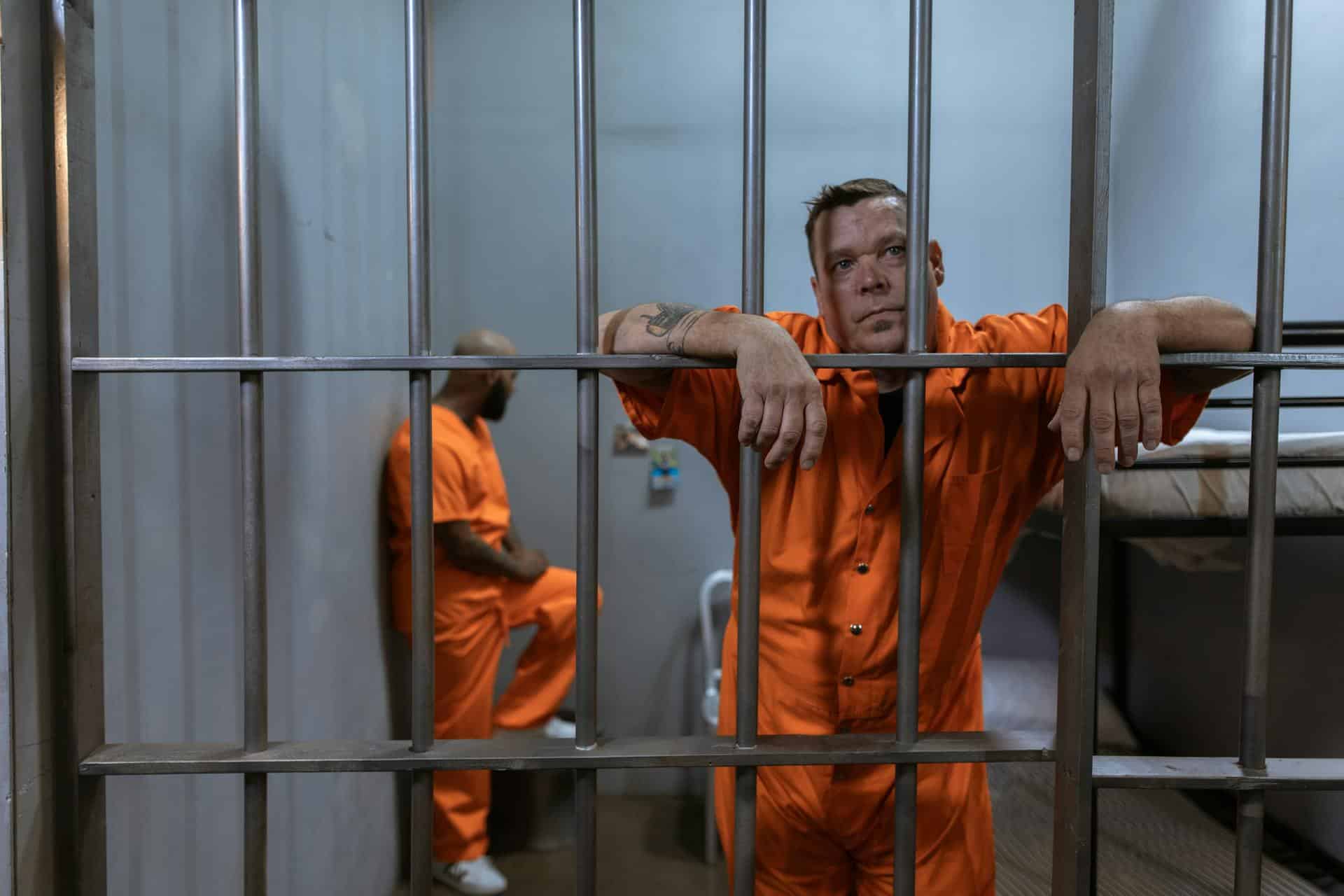
The US has less than 5% of the world’s population, yet it has nearly a quarter of the world’s prisoners and has the highest rates of incarceration. That’s a lot of people behind bars! Clearly, the land of the free leans a lot more heavily on incarceration compared to other countries, for better or for worse.
Significant Racial Disparities Persist

African Americans are incarcerated at more than 5 times the rate of white Americans and it comes from many structural issues. These include how justice is served & who it’s served to. Whatever the cause, it’s an example of inequality within the system that affects both communities & families.
Like our content? Be sure to follow us.
The Cost of Incarceration is Astronomical

Running prisons isn’t cheap—it costs around $40,000 a year to house an inmate in a federal prison. When you add up all the inmates across the country, the total cost is more than most of us can even process. That’s a lot of taxpayer money going into keeping people locked up. Just imagine how else we could use that money.
A High Percentage of Inmates are Nonviolent Offenders
Nearly half of the people in federal prisons are there for nonviolent drug offenses which has led to many people questioning the war on drugs. They argue that long sentences for nonviolent crimes aren’t the best way to handle drug-related issues. Instead, they believe we should reform laws to find more effective solutions that deal with the crimes properly.
Solitary Confinement is Widely Used

Thousands of prisoners across America are locked in a small room for 23 hours a day—all by themselves. This is solitary confinement and it’s a controversial practice due to its impact on mental health. Of course, sometimes it’s used for the prisoner’s own safety. Yet the debate continues on whether solitary confinement does more harm than good on the whole.
Many Inmates Lack Access to Educational Programs

Education seriously helps inmates because it gives them the tools to build a new life post-release. However, not everyone in prison gets a chance to learn. Limited access to educational programs means many inmates miss out on this opportunity for growth, which could also reduce the chances of them returning to prison.
The Aging Prison Population

Prisons are seeing larger populations of older inmates as those aged 55 & older have become a fast-growing group. Such a trend brings new challenges, including higher healthcare costs and the need for special care. They have to deal with Issues like mobility, chronic illnesses & dementia on a daily basis—and that’s another expense.
Mental Health Issues are Prevalent

A significant number of inmates struggle with mental health conditions, with around 43-44% having a diagnosed condition. Unfortunately, prisons are often the default facility for people with severe mental health issues, even though they’re the least therapeutic environment for such conditions. We need to do a lot better with addressing mental health needs within prisons.
The Revolving Door Phenomenon

Getting out of prison doesn’t always mean staying out. About 68% of released prisoners are back behind bars within three years, showing how we need to create better support systems to help former inmates stay out for good. After all, going from prison back to society involves struggling to be employed, finding adequate housing & so much more.
Private Prisons Play a Significant Role

Around 8% of U.S. prison facilities are operated by private companies and this raises a lot of questions about the role of profit in the prison system. Some critics are concerned that cost-cutting measures could compromise inmates’ care. What are the ethics of profiting from punishment?
Overcrowding Remains a Critical Issue

Most of our prisons are packed way beyond their intended capacity, making overcrowding one of the biggest problems for the system. Instead of living space meant for one, prisoners are sharing it with two or three others. It’s a serious safety & health issue. Overcrowded conditions create increased tensions among inmates, making it harder for staff to manage the population.
Disclaimer: This list is solely the author’s opinion based on research and publicly available information.
Like our content? Be sure to follow us.
Read More: