

You probably don’t realize that many fast food corporations have a bunch of secrets to keep under the radar—customers order burgers & fries each day without knowing what goes on behind the counter! Whether it’s how long they use their oil for or what some workers are actually doing, you’d be surprised at some of these scandals. Here are eleven secrets that fast-food chains don’t want you to know. These might change how you see those drive-thrus forever!
Featured Image Credit: AsierRomeroCarballo/Depositphotos.com.
Some Chains Keep Cooking Oil Longer Than Expected
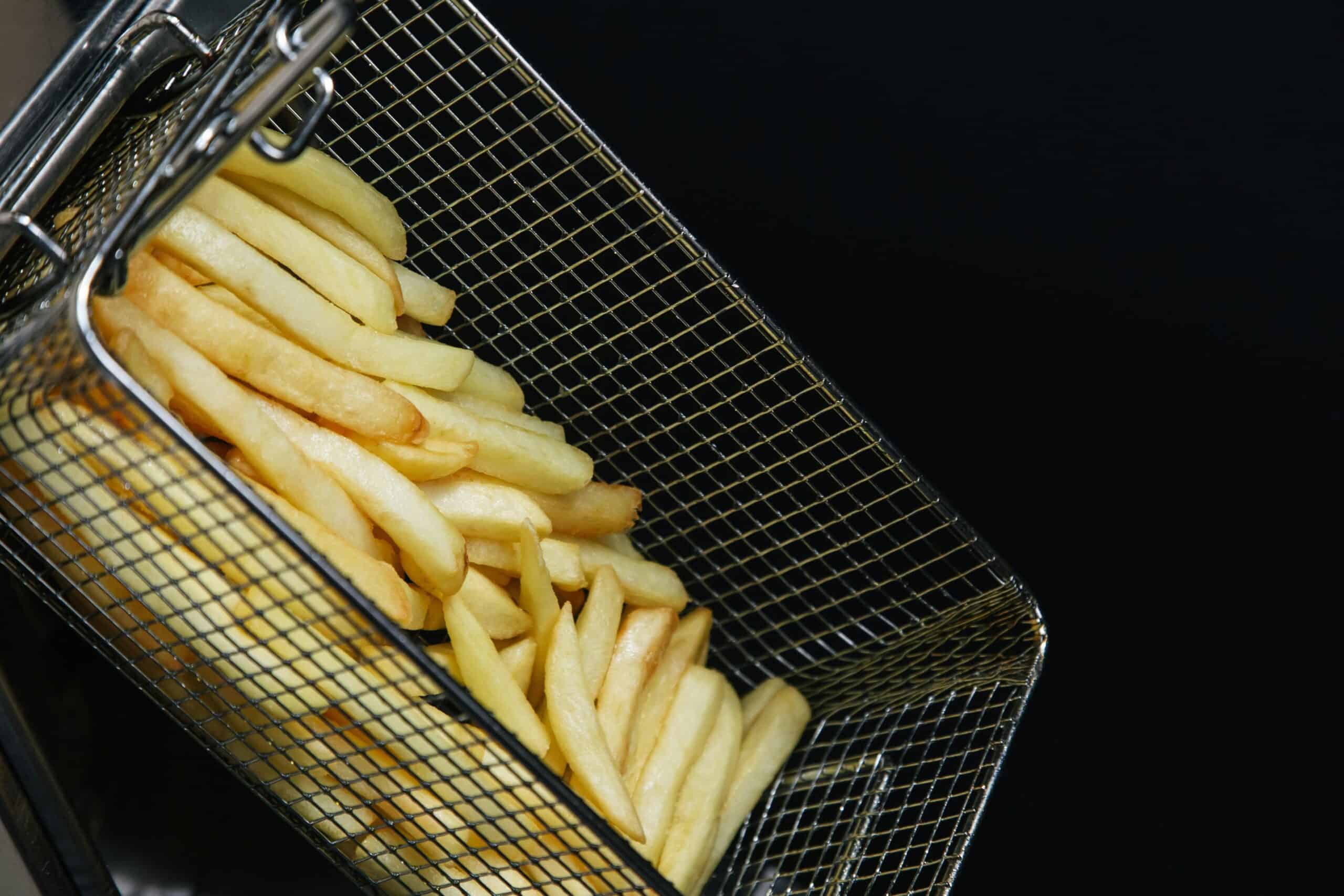
At some burger joints, they’ll use the same oil for multiple shifts and employees have shared that managers often delay oil changes beyond the recommended guidelines. It’s a way of keeping expenses low—and most customers don’t notice any difference in taste but it’s still kinda gross! Those golden fries may have something special to them.
Chicken and Burgers Sometimes Pre-Cooked in Bulk
Those chicken patties & burgers might have been cooked hours before you walked in—staff sometimes grill large batches ahead of peak times. They’ll keep them warm under heat lamps to serve lines quickly and this method saves time, even if it means the texture isn’t as fresh as made-to-order. Speed is the name of the game and the majority of people never realize their meal was prepped in advance!
Ice Machines Can Have Hidden Build-Up

Anyone who loves a cold drink might want to rethink that extra ice because the ice machines aren’t always cleaned daily, creating residue and possible bacteria buildup. Crews sometimes skip cleaning the machine when things get busy, even though the dampness may become a breeding ground for germs. Be careful about what you put into your drinks!
Like our content? Be sure to follow us on MSN.
Salad Ingredients Aren’t Always Fresh Off the Truck

Pre-cut lettuce & toppings sometimes sit in refrigeration longer than you’d expect and while they usually still taste fine, the crispness does fade over time. Storing them in this way cuts down on daily prep and speeds up service so that staff may assemble orders quickly. As a result, your fresh-looking salad might’ve been waiting behind the scenes for a while.
Fountain Drinks May Contain Extra Syrup

You may have noticed your soda seems sweeter at some places and that’s completely intentional—self-serve soda stations often have more syrup in them because this encourages people to get refills. Some locations even adjust the carbonation levels to make them even fizzier so that people will keep drinking them. It’s all part of how fast-food places make you crave their stuff more and they do it without you realizing.
Sides and Drinks Carry Significant Profit Margins
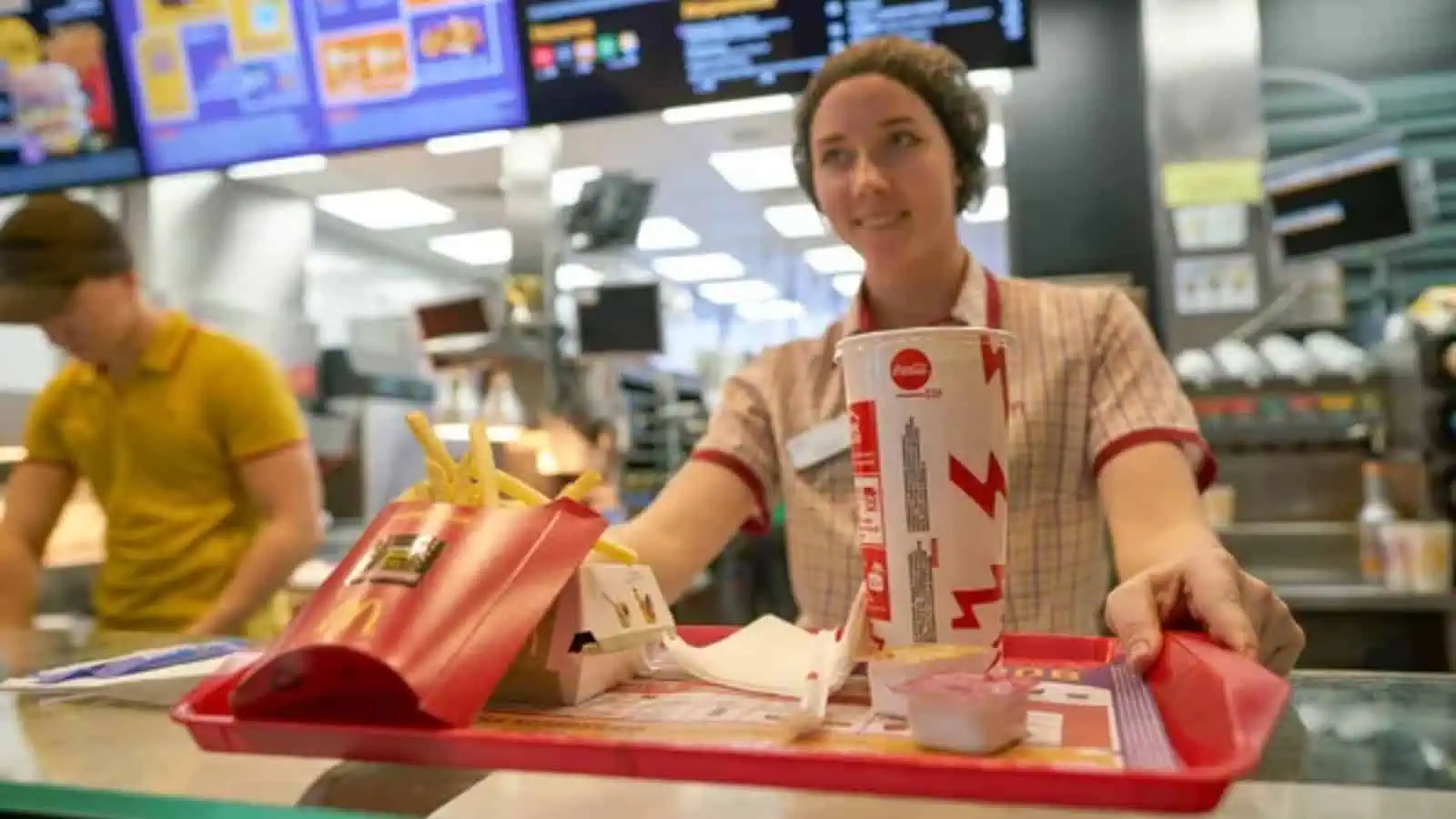
Speaking of drinks, you might’ve wondered why combo meals are so important and that’s because items like fries & soda cost only pennies but are sold at much higher prices. Chains capitalize on this by promoting meal deals that include both—a large soda might cost them a few cents, but you’ll pay a couple of dollars. As a result, each transaction becomes more expensive for the customer without much extra effort from the company.
Limited-Time Specials Often Serve as Testing Grounds
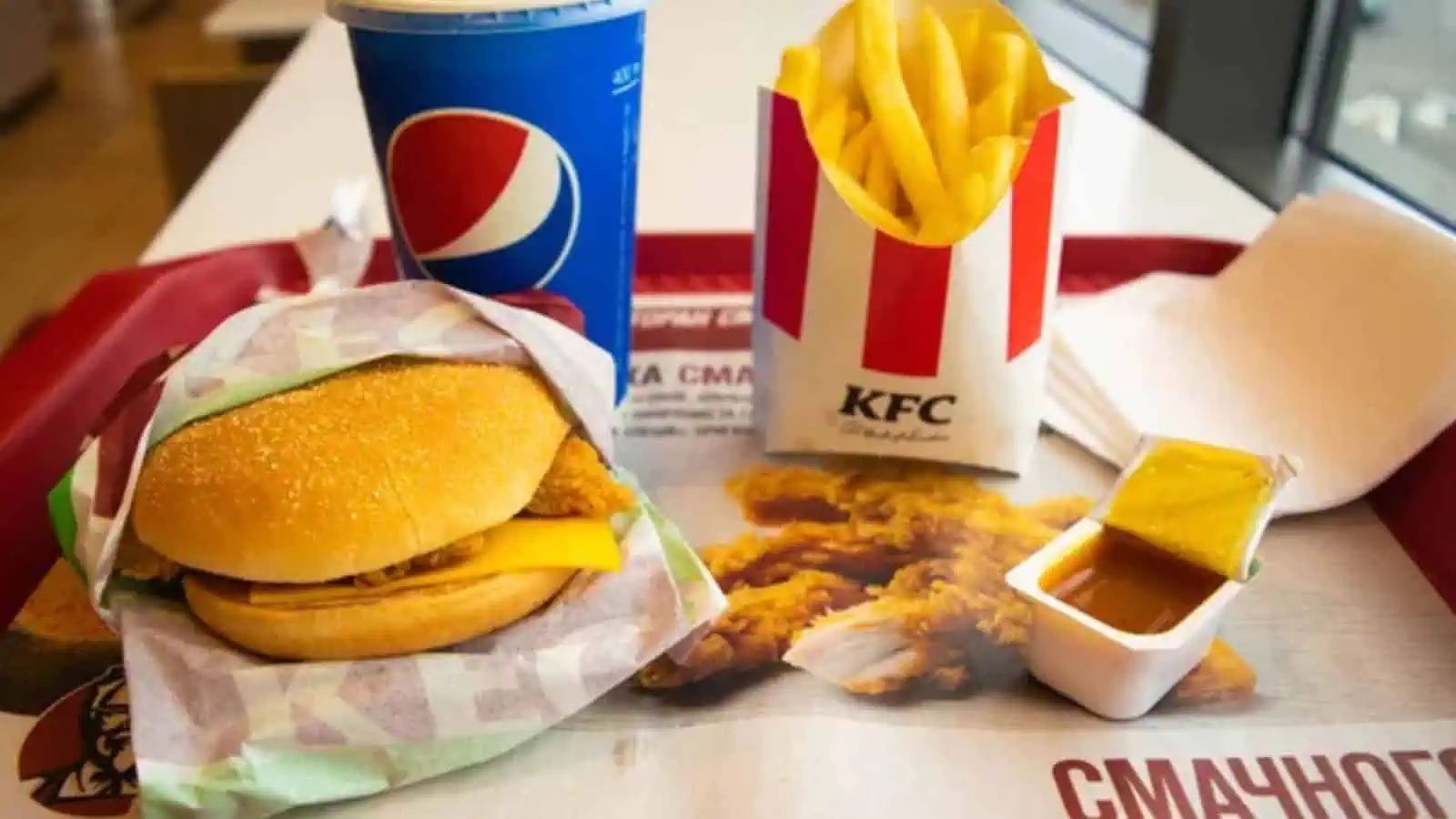
Those limited-time offers you get excited about often double as market tests and chains introduce these items to gauge customer interest—without making permanent menu changes. They’ll track sales & collect feedback, then decide if something deserves a longer stay or should quietly disappear. Essentially, those specials are a trial run and you’re the guinea pig testing them!
Some Chains Use ‘Meat Glue’ to Bind Scraps Together

Some restaurants use something called transglutaminase, nicknamed ‘meat glue,’ to bond smaller meat scraps into a uniform piece. Staff who’ve worked with it say it turns leftover bits of beef or chicken into what looks like a solid steak or fillet, making customers believe they’re getting a whole cut. They have no idea it’s actually been “glued” together using an enzyme.
Artificial Grill Marks Are Added to Frozen Patties
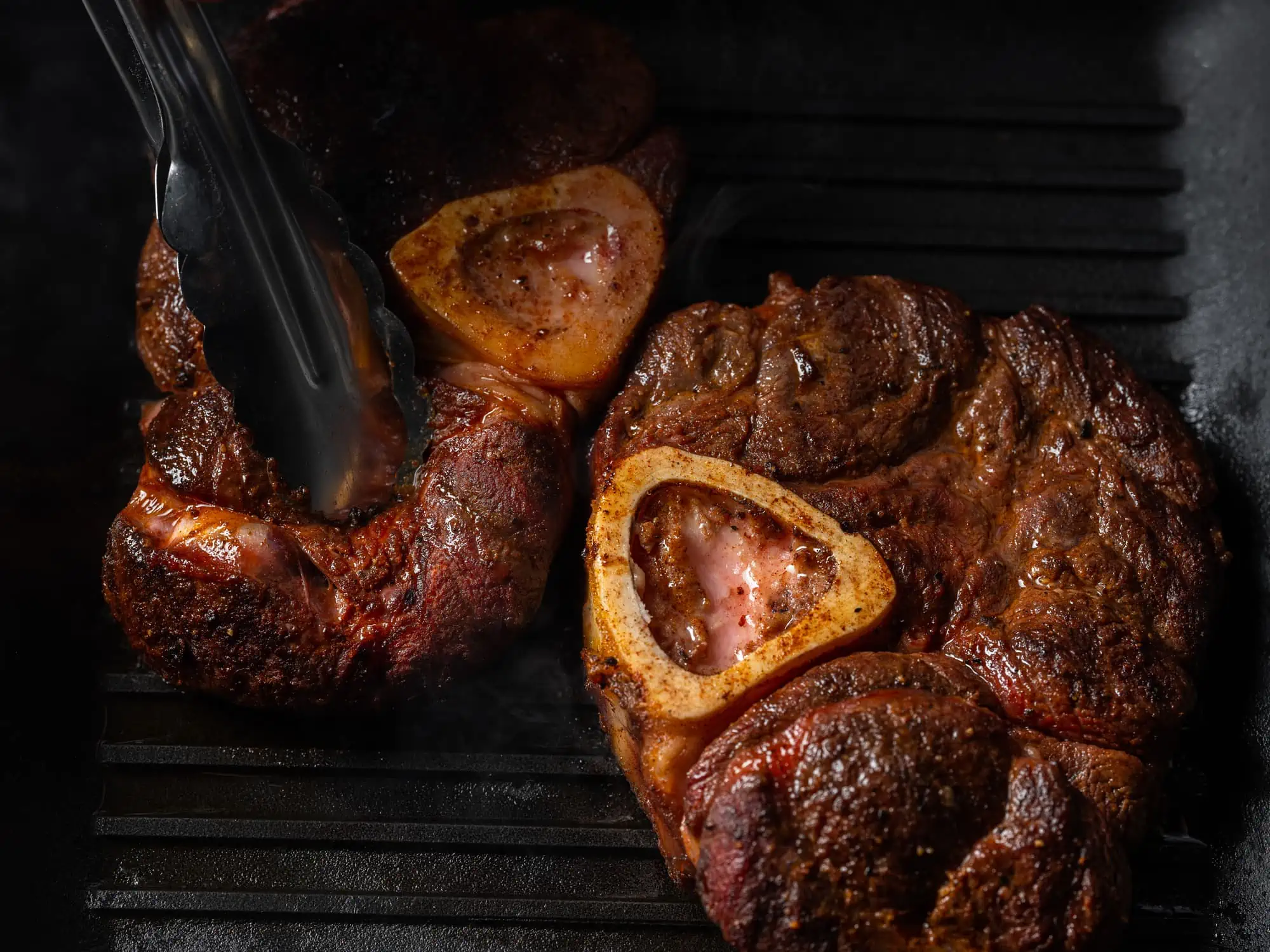
Any appetizing grill marks on your burger might not be from the kitchen because most fast-food chains receive meat products with fake grill lines already stamped on. Factories use special machines to add dark stripes that resemble char marks so that each patty looks freshly grilled. As a result, items go straight from freezer to fryer or griddle without developing real marks.
‘Healthy’ Options Aren’t Always So Healthy

Even salads and grilled items might seem like better choices, they’re often loaded with hidden sugars, fats & sodium. In fact, the meal may be just as calorie-heavy as a burger and fries, even though you think you’re making a healthier choice! You should always check the nutrition info before assuming it’s a lighter option because you never know what’s inside.
Unsold Food Isn’t Always Discarded as Required

Fast-food places are supposed to throw out unsold items at closing time to comply with health regulations—but that doesn’t always happen. Some managers tell staff to keep & reheat leftover food for the next day, meaning the breakfast sandwich you get could be from yesterday’s batch. On the plus side, it helps reduce waste.
Disclaimer: This list is solely the author’s opinion based on research and publicly available information.
Like our content? Be sure to follow us on MSN.


