

The choice to live without children is such a personal one—yet it continues to stir debates across the nation because people on both sides are quite passionate about their beliefs. Lots of us see starting a family as a milestone and those who opt out are often under scrutiny. Here are eleven reasons why deciding not to have kids is still so controversial. People should be free to do as they believe without fear of being judged by other people for their actions!
Featured Image Credit: iakovenko123 /Depositphotos.com.
Concerns About Population Trends

Some people worry that having too many people choosing not to have children could lead to a declining population, which will affect the workforce & create economic challenges in the future. We need young people to support public programs and they’ll struggle if there aren’t enough workers! As such, these points are an important part of the intense debates about personal choices & national policy.
Long-Standing Cultural Expectations

Many Americans have grown up with the idea that adulthood includes having children and such a long-standing belief means that someone who chooses a different path seems strange. People often assume that everyone aims to become a parent so they can’t understand someone who steps outside this norm. Why wouldn’t they want to do what everyone else is doing?
Family Hopes for the Next Generation
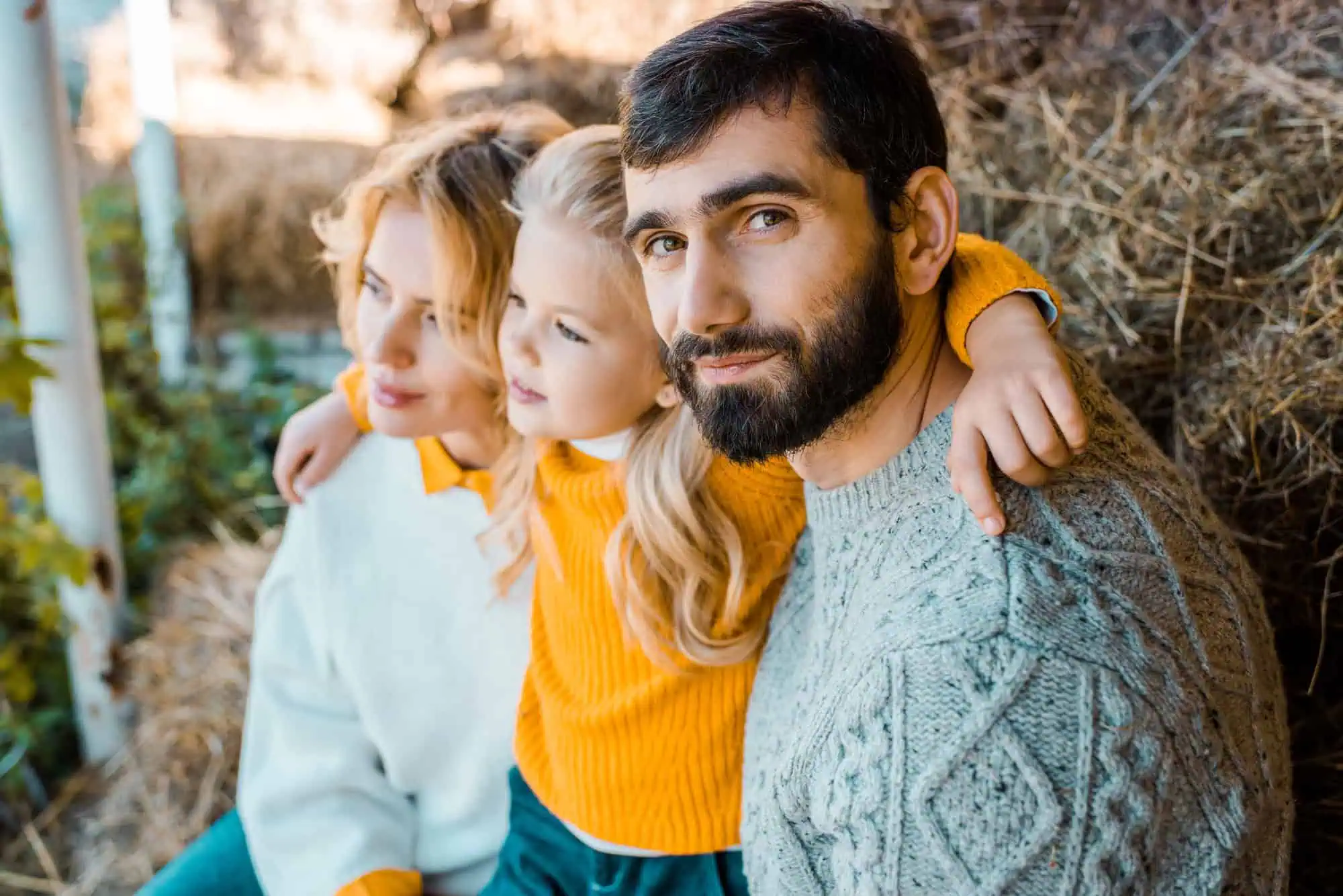
Most parents & grandparents eagerly await new additions to the family—so any person who chooses not to have kids comes across as a letdown for relatives. They’re hoping to see the family tree grow and their expectation makes gatherings a bit awkward. All those questions or gentle nudges about future plans are far too many for them to deal with.
Like our content? Be sure to follow us on MSN.
Influence of Religious Beliefs

Religious teachings focus on raising a family in some communities and choosing to be childfree may be seen as going against these teachings. These communities see having children as the ultimate goal. As such, not doing so creates tension for individuals who are part of these faith groups since they’re not following tradition, which is just not something people should do.
Misunderstandings About Personal Priorities

There’s a common misconception that people who don’t want children are selfish and some people think they’re putting their own needs above a supposed responsibility to raise a family. Some critics assume people without kids just want more money or free time—but that’s not always accurate. Sadly, these assumptions push friends & relatives away and that makes for some rather awkward conversations!
Emphasis on Parenthood as an Achievement
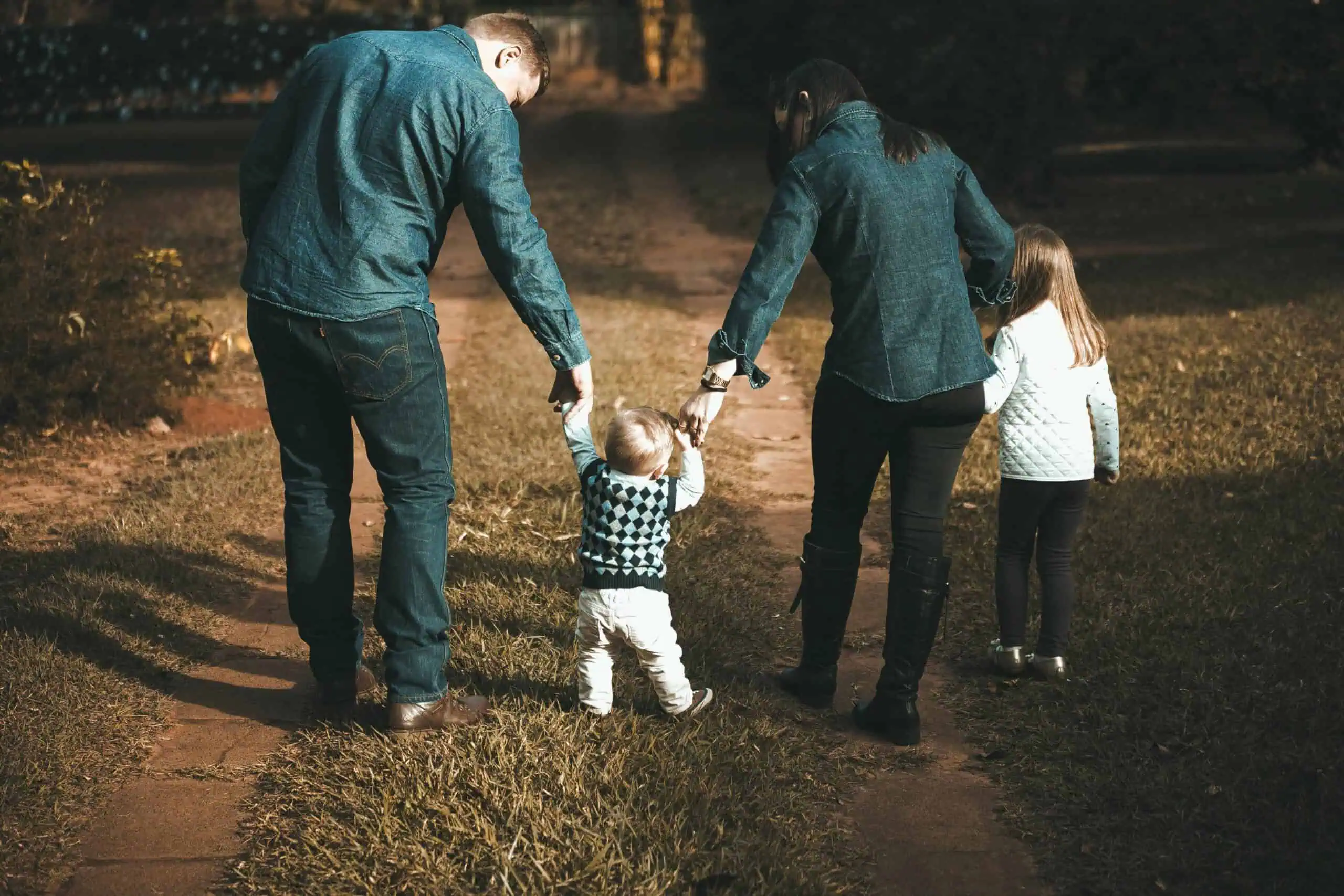
Society often celebrates milestones like weddings & births more than other accomplishments—those without children often feel their achievements aren’t recognized in the same way. It’s a focus on parenthood that makes people question any life choices that don’t include kids. Public attention often centers on parenthood and this creates frustration for those who opt out, even though their achievements should be seen in the same way.
Worries About Aging Alone

Many people are concerned about who will care for them in their later years and they believe that without children, they’ll be lonely or lack support when they need it the most. Then, they’ll project this worry onto those who choose not to have kids, even though it may not be right. Lots of older adults without kids use long-term care insurance or build strong social networks to make sure they have help later—they’re not completely isolated!
Gender Roles and Expectations

Women usually face extra pressure to become mothers because many people see motherhood as a natural & essential part of a woman’s life—any woman who decides against having children will have to deal with more criticism than her male counterparts. Some workplaces still ask women about children during interviews and that makes things more stressful. It’s just not right & women should be free to live their lives as they please!
Financial Systems Favoring Families

Tax breaks and workplace benefits often cater to families with children and this means that childfree people are often overlooked by these systems—they may even be disadvantaged. For example, parents receive child tax credits & may get more flexible hours at work but no parallel benefits exist for those who don’t want kids. Such a difference contributes to feelings of frustration and leads to more debates on the subject.
Media Depictions of the “Ideal” Life

Movies, TV shows & advertisements frequently show happiness as settling down and raising kids, which reinforces the idea that starting a family is the ultimate goal. Those who make different choices often feel there are few relatable role models in pop culture where they’re not shown in a bad way. In fact, these trends shape public perceptions & limit visibility for alternative lifestyles.
Lack of Open Conversations

There isn’t much conversation about why individuals choose to be childfree and without understanding personal reasons, others might fill in the gaps with their own assumptions. This lack of communication leads to misunderstandings and keeps the controversy alive. But really, people don’t owe anyone an explanation for a personal decision—it’s your personal life for a reason.
Disclaimer: This list is solely the author’s opinion based on research and publicly available information.
Like our content? Be sure to follow us on MSN.


