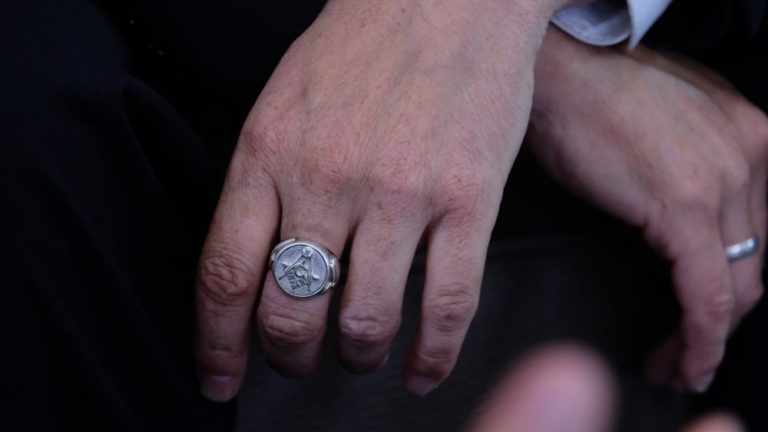

You might think that Freemasonry only involves secret dinners and strange old buildings, but there are some pretty strict rules they have to follow when they step inside a lodge.
Some recognition stays secret

Freemasons are fine to share some details about the organization with non-members. But there are quite a few things they’re not allowed to share, including the signs and words that Masons use to recognize one another. They have to stay private.
California’s Masonic rules specifically state that any Masonic tokens, words, steps, and signs are protected ritual material. A Mason who deliberately shares that material with others may face disciplinary action. Everyone knows Masonic signs exist, sure. You’re just not allowed to actually teach or demonstrate them to others.
Some things aren’t demonstrated

It’s a similar issue with a Freemason grip. Yes, while a Freemason can tell you grips exist, they’re not allowed to demonstrate them to outsiders. These special handshakes count as part of the private recognition system.
Jurisdictions in places like California treat it as protected ritual material, and Freemasons in Alberta see it the same way, too. It’s one of the traditional methods Masons use to recognize one another, so it can’t be shared.
Behind the closed door

Lodge meetings are just like any other private meeting. They’ve got to stay private. Yes, once the Masons have dealt with business inside a properly closed lodge, they expect other members to keep those details there.
The Freemasons in British Columbia and Yukon specifically warn against sharing private lodge business on public forums or with outsiders who might see it. Some places actually treat sharing private details as a Masonic offense. A Mason can tell his spouse he went to lodge, but he can’t say anything about what was discussed.
No campaign talk inside

Political arguments are completely barred during Masonic meetings. In places like Alberta, political discussion at meetings is forbidden, while in British Columbia and Yukon, members just aren’t allowed to push political or theological opinions while acting as Freemasons.
Manitoba takes things a step further by banning any topics that could cause division. It’s no surprise it counts politics as one of them. Anyone who breaks the rule can be reprimanded or censured. Politics has to wait until after the meeting, and really, that’s probably for the better.
When the notice arrives

A formal Masonic summons is a lot more than someone texting you to see if you’re going to a meeting. Quite a few jurisdictions treat a summons as something with actual authority. A Mason who has been properly warned to appear has to do so.
Failure could mean severe punishments. They’re allowed to avoid the meeting if they’ve got a legitimate reason, of course, but otherwise, disobeying Masonic authority is an offense. You can’t just say you don’t feel like going.
Good standing changes everything

Freemasonry takes suspended Masons seriously. Very seriously, in fact, as their friends in the lodge don’t get to shrug and carry on as though nothing happened. Anyone who is suspended loses their Masonic rights and privileges, along with any benefits.
Suspended Masons aren’t allowed to receive any information about lodge activities, and giving them juicy details is also an offense. It’s worse for expelled Masons. You’re still allowed to have a personal friendship with them, obviously, but the Masonic relationship has to stop. You’re only allowed to have that relationship with them if the man is formally restored.
The papers have boundaries

Private ritual material is another thing that, you guessed it, has to stay private. A Mason isn’t allowed to photocopy or reproduce it for outsiders. Some jurisdictions specifically list giving ‘the Work,’ or part of it, to a non-Mason as an offense.
The rules in California state that only approved forms of certain written material are allowed. Publishing a book about Freemasonry is okay, and so is having a website about the Masons. The difference is that you can’t give the general public any information meant for qualified members.
The ballot stays yours

Talking about a lodge ballot is a big no-no. Yes, Masonic study material in states like Florida says that a member has no right to announce his own vote. He’s also not allowed to demand to know somebody else’s.
They tend to treat violations of ballot secrecy as an offense. The whole point is that individual votes remain private, especially when they’re deciding whether or not a candidate should be admitted. Just trying to work out who cast a negative ballot causes trouble.
When a brother calls

Not all strict rules are negative. Take the one about helping other Masons, for example. A Mason who knows another Mason is genuinely in trouble is supposed to help them, but within reason. No, they don’t have to empty their bank account, and no, they don’t have to break the law.
They don’t need to put their own family in a bad situation, either. They just have to try and help where they reasonably can. That could involve giving money or making a call, maybe even just showing up in person. It all counts.
Not every ritual book is fair game

The rules about written rituals are quite specific. You’re usually only allowed to have an approved cipher ritual, which is a coded version that authorized Masons use. You’re forbidden to own, copy, or even share Masonic material that the Grand Lodge hasn’t approved.
What makes it so complicated is that another jurisdiction may draw the line somewhere else entirely. One Mason can legally have a particular ritual book sitting at home while another version could cause trouble. You’ve got to check what your jurisdiction allows.
Sources: Please see here for a complete listing of all sources that were consulted in the preparation of this article.
10 secret societies that control our world: Illuminati, Freemasons, and more

From the elusive Illuminati to the secretive Skull and Bones, we’ll explore the intriguing details, connections to U.S. politics, and the wildest conspiracy theories swirling around these clandestine groups.
10 secret societies that control our world: Illuminati, Freemasons, and more

