

Most of us go through life confident that we understand our rights and we usually think the Constitution covers us on everything. But the reality is that some of the rights we assume aren’t actually guaranteed. Here’s a closer look at 12 rights Americans commonly think they have—but actually don’t. You’ll be surprised to learn that you’re not as free as you might think & some of our apparent rights are more limited than we realize!
Featured Image Credit: BogdanPhoto /Depositphotos.com.
Right to Sue the Government Without Restrictions

Some people believe they can sue the government whenever they feel wronged. Sadly not! The concept of “sovereign immunity” means the government is protected from certain lawsuits, although laws like the Federal Tort Claims Act allow some suits against the government. Not all kinds of claims are allowed.
Absolute Freedom of Speech

Despite what you might’ve heard, the First Amendment doesn’t protect speech involving threats, defamation—or inciting immediate unlawful actions. For example, you can’t make violent threats against someone or shout “Fire!” in a crowded theater when there’s no fire. That’d cause panic. Plus, private companies & employers set their own rules about what’s acceptable.
Like our content? Be sure to follow us.
Privacy in Public Spaces

Many people assume they have a right to privacy, no matter where they are—that’s not the case when you’re out in public. There’s no reasonable expectation of privacy on streets or in parks, so people can photograph or record you without asking permission. But only if they’re not harassing you! Security cameras in stores or on sidewalks are generally legal too.
Using Public Spaces Without Restrictions

Speaking of public spaces, you can’t simply use them however you like. They have rules. For example, camping overnight without a permit is not allowed nor is drinking alcohol openly in some places. Enjoying public spaces means following the guidelines set for them. You have to be aware of the restrictions and understand that you’re not entitled to do whatever you like.
Recording Police Without Limitations

Some people believe they can film police officers whenever they want but there are some limits to this. You’re generally allowed to record law enforcement in public places as long as you’re not interfering with their duties. If you get too close or ignore an officer’s lawful orders to step back, they might arrest you for obstruction. Recording in secure areas without permission is also off-limits. This includes inside a police station.
Protesting Anywhere, Anytime
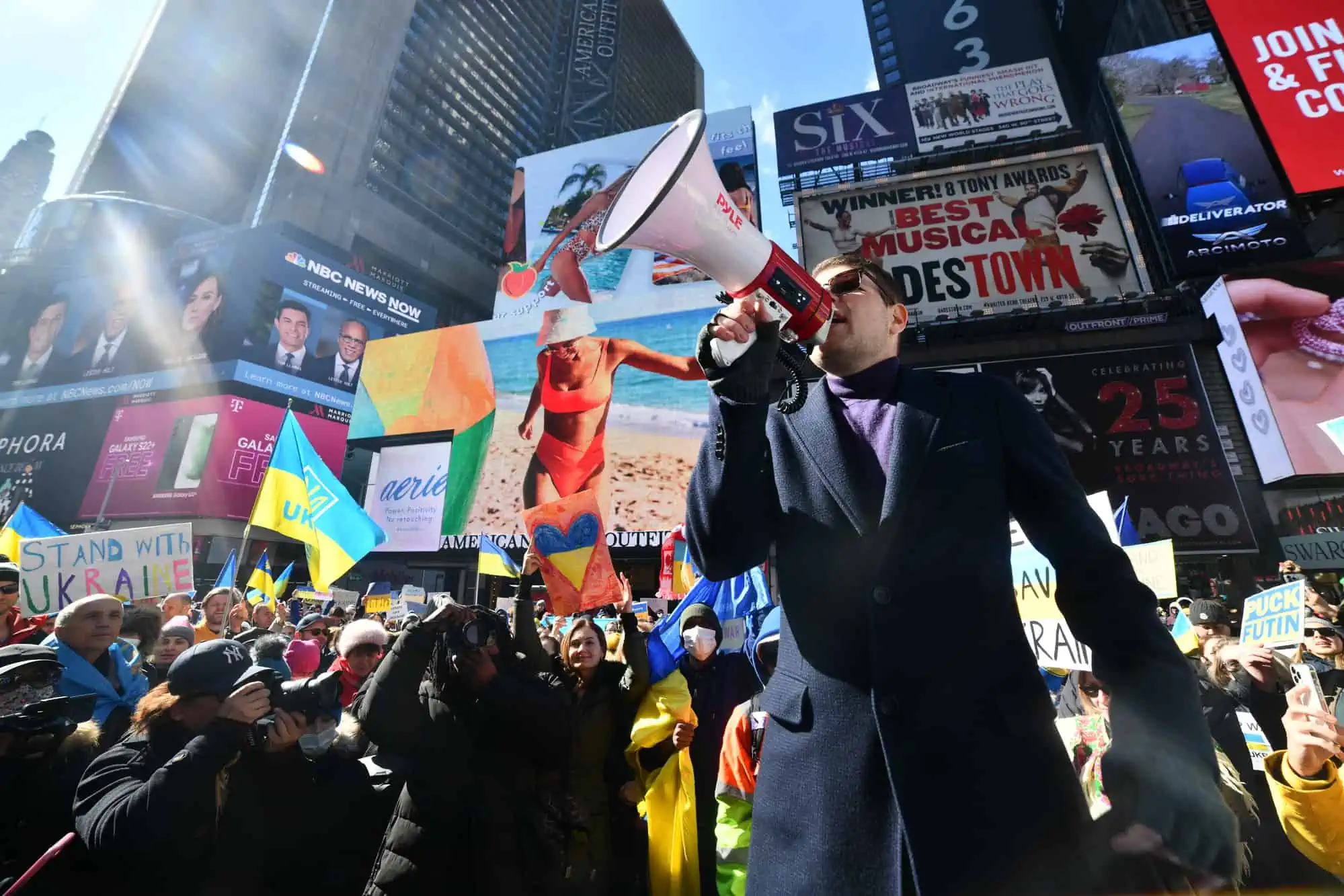
Though you have the right to assemble, there are rules to follow so you can’t hold a protest wherever and whenever you like. You might need a permit for large gatherings or to use certain public spaces. Also, protesting on private property without the owner’s permission is trespassing. Planning a protest involves more than just showing up!
Refusing to Show ID to Police

Many people believe they can refuse to identify themselves to the police. That’s not true! In many states with “stop and identify” laws, if an officer has reasonable suspicion that you’re involved in criminal activity, you must provide your name or ID. There are no exceptions. Refusing to show your ID may lead to detention or even arrest.
Freedom from All Searches and Seizures
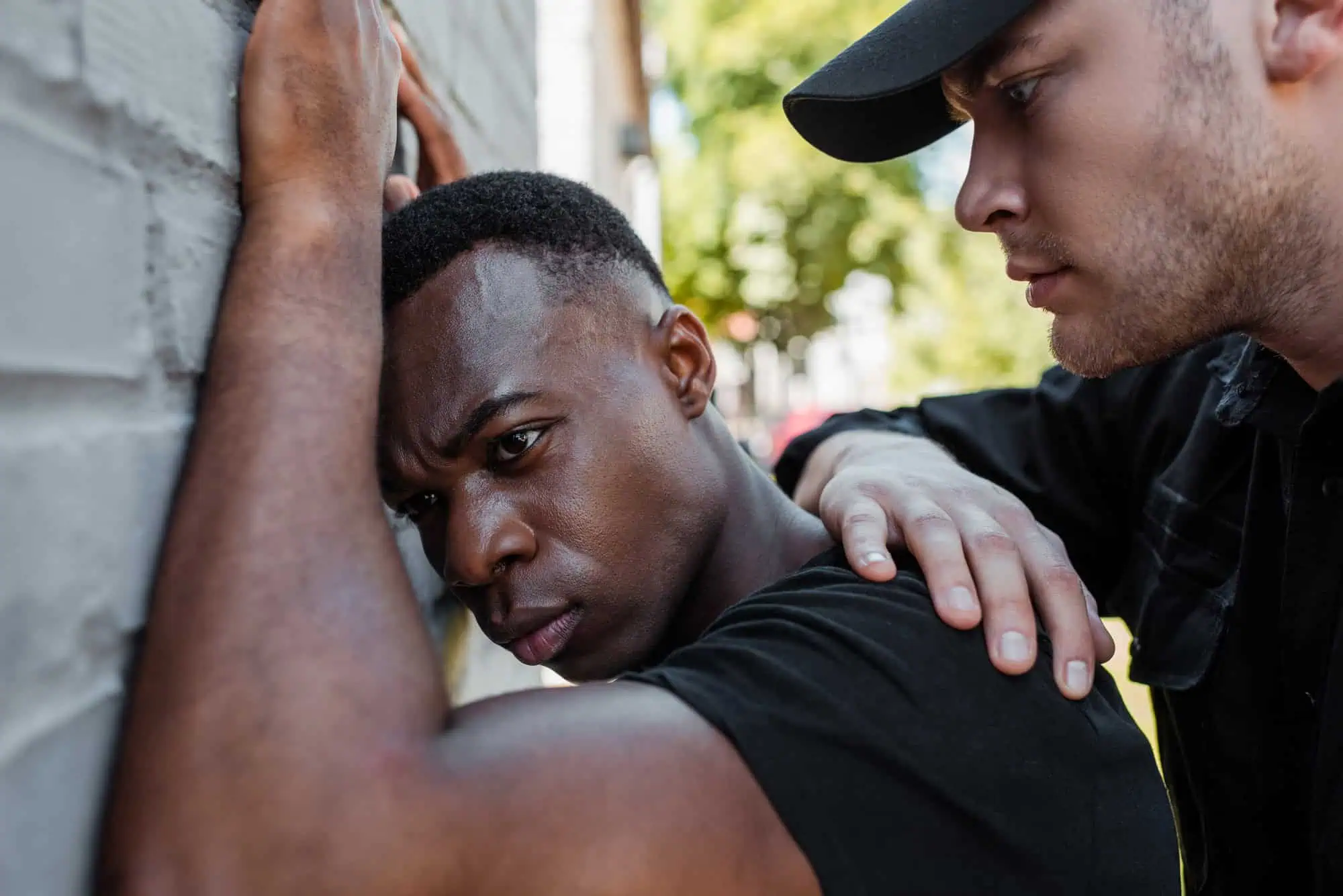
Likewise, lots of people think the police always need a warrant to search you or your property due to the Fourth Amendment. However, there are exceptions. If you give consent, officers may search without a warrant & they can also search without one if they have probable cause. For example, if they see illegal items in plain view or if they are related to an arrest. In urgent situations involving immediate danger, they’re also able to conduct searches without prior approval.
Assuming Job Security Without Contracts

While it might seem unfair, you can be fired without a good reason under “at-will” employment laws. As such, an employer may let you go at any time, for almost any reason—or no reason at all—as long as it’s not discriminatory. Of course, some contracts state otherwise. But you have to remember that job security isn’t guaranteed.
Using Self-Defense Laws Without Limits

Self-defense laws have specific criteria that limit the amount of force you may use so you can’t simply retaliate how you see fit. For example, the level of force used must be reasonable and proportionate to the threat you’re facing. In some states, there’s a duty to retreat if possible before doing so. It’s not a free-for-all.
Assuming the Right to a Phone Call Upon Arrest

Lots of us seem to think we’re entitled to a phone call immediately after being arrested. Not true. There’s no federal law ensuring an instant phone call, although many police departments allow it as part of their procedures or due to state laws. However, it’s not a constitutional right. Depending on the situation, you might not get to contact anyone right away.
Right to Free Legal Representation in All Cases

Speaking of the law, TV shows get it wrong—you’re not entitled to a free attorney in every legal situation. The right to a court-appointed lawyer only applies to criminal cases where you could face jail time. If you’re dealing with a civil lawsuit, you usually have to hire your own attorney or represent yourself. This includes things like an eviction or contract dispute.
Disclaimer: This list is solely the author’s opinion based on research and publicly available information.
Like our content? Be sure to follow us.
Read More: