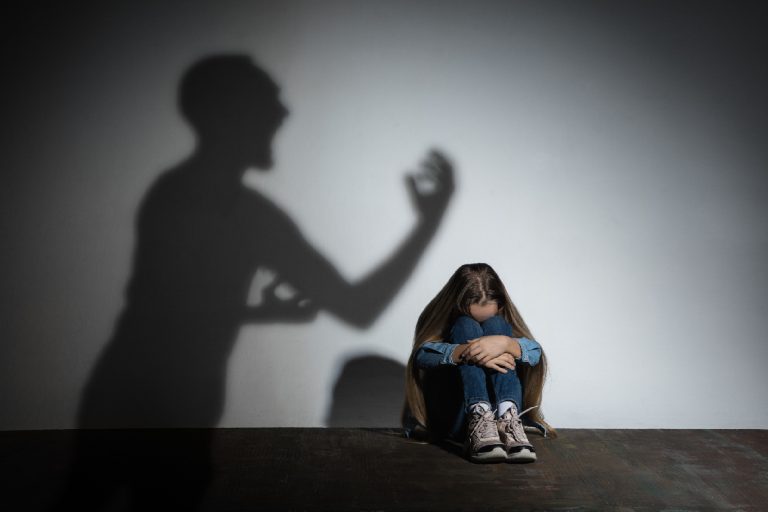

The big stuff rattles kids. But those sudden, unpredictable moments also really scare them, especially when they’re out of nowhere. Most parents don’t even mean to do so. But according to research (see the end), there are some things parents do that terrify kids, and here are twelve of them. Have you seen any of these happen when you grew up?
Saying they’ll leave in the middle of a fight

Tempers flare all the time in families. That’s usually when parents say they’ll walk out, and these comments hit kids hard. It doesn’t matter that the parent is simply being dramatic. Kids don’t know that, and their brains start fearing that their parent’s going to pack their bags. They see the front door clicking shut. For good.
Slamming doors and breaking things nearby

A slammed door shakes the walls in more ways than one. It’s even worse when it happens alongside the sound of something shattering, like a mug or a TV remote. Kids hear it. They also feel it. For a second, the whole room changes shape, even if nothing hits them. The noise alone terrifies them. How are they supposed to forget that?
Switching to a hard, menacing voice or stare

Some parents have a switch that they flick without realizing. Usually, it means they change into a completely different tone & look, often without warning. This could be a low, slow voice or that locked-in stare. Either way, it’s a sign that things have become serious, and that scares kids. They’re afraid before another word is even said.
Going silent for days as a way to control

Not all parents yell, though. Some parents would rather press pause for days. No talking & no eye contact. Instead, there’s just a cold gap where normal life used to be. That’s pretty confusing for kids. Why? Because they don’t know when the end is coming, and then they start wondering what invisible line they crossed. It’s pretty rough.
Using scary cautionary tales to steer behavior

Plenty of parents lean on fear to teach their kids lessons. They might tell them that wandering off means someone will grab them, or that the police will take them if they don’t listen. It might be meant to protect them. But kids have vivid imaginations. Soon enough, the pictures in their heads become real, and there are dangers around every corner.
Late-night yelling through walls and ceilings

Nighttime arguments hurt a lot more than daytime ones because most kids are left lying in bed with the lights out. All they hear are muffled voices & heavy footsteps. There might be an occasional thud. Sadly, they can’t tell how bad it is or when it’ll stop, which scares them the most. The not-knowing part is worse than anything they may actually see.
Driving fast or weaving right after an argument

Sure, it might feel good to get in the car right after a heated moment. But that’s when you’ll probably hit the gas a little too hard & freak out your kids in the back seat. They take notice. They see the speedometer climb, and they might catch your eyes flicking to the rearview. The whole ride is a lot more tense now. They’re terrified. Can you blame them?
Lining up belts or spoons as a warning

It’s not always the action that scares them. Sometimes, it’s the setup. Leaving a belt on the table or a wooden spoon on the counter “just in case” tells kids a lot. But without saying a word. Kids see where it is & who’s near it. They’ll notice whether it’s moved closer or if it’s untouched. It changes everything about them.
Changing rules mid-argument without warning

Telling your kids that they can explain, then telling them not to talk back, is scary for them. They don’t know how to deal with that kind of midstream rule change. In fact, it destroys the whole playbook & leaves them guessing. They don’t know what’s safe to say. They don’t know what’s not. Now, every conversation involves walking on eggshells.
Acting differently around kids after drinking

Small changes after drinking stand out to kids. These could involve slower speech & tripping over words, perhaps laughing at nothing. They know what you normally sound like. They know what you move like. So when that changes, everything feels so unpredictable, and that scares them.
Talking about family problems in front of kids without explaining

It’s not unusual for kids to overhear conversations about bills & arguments with relatives. You might think they have no idea. And that’s mostly true. But the difficult part is that your kids only catch pieces of it, such as phrases about “owing money” or “court dates”. That sticks in their heads. Their imagination runs on whatever they hear.
Locking themselves in a room during a disagreement

Some parents will step away from an argument by going into a bedroom or office. Then, they’ll turn the lock. It makes things quiet for a while. However, kids don’t usually know whether they should wait or walk away. It scares them to leave things hanging there.
Sources
-
- Longitudinal Links between Fathers’ and Mothers’ Harsh Verbal Discipline and Adolescents’ Conduct Problems and Depressive Symptoms
- Frightened, threatening, and dissociative parental behavior in low-risk samples: description, discussion, and interpretations
- Developmental variations in the impact of intimate partner violence exposure during childhood


