

Ask people about their childhood, and they’re likely to tell you about sibling rivalries, borrowed clothes, and whispered secrets. But what about those that grew up without any siblings?
Many of those who grow up without brothers and sisters find that habits that are formed in childhood can last a lifetime and can affect the way that they view both themselves and those around them. Based on real-life experience we heard from a bunch of “only children” we interviewed, here are 13 habits that seem to appear again and again in their lives.
Featured Image Credit: Shutterstock.
Mastering the art of self-entertainment
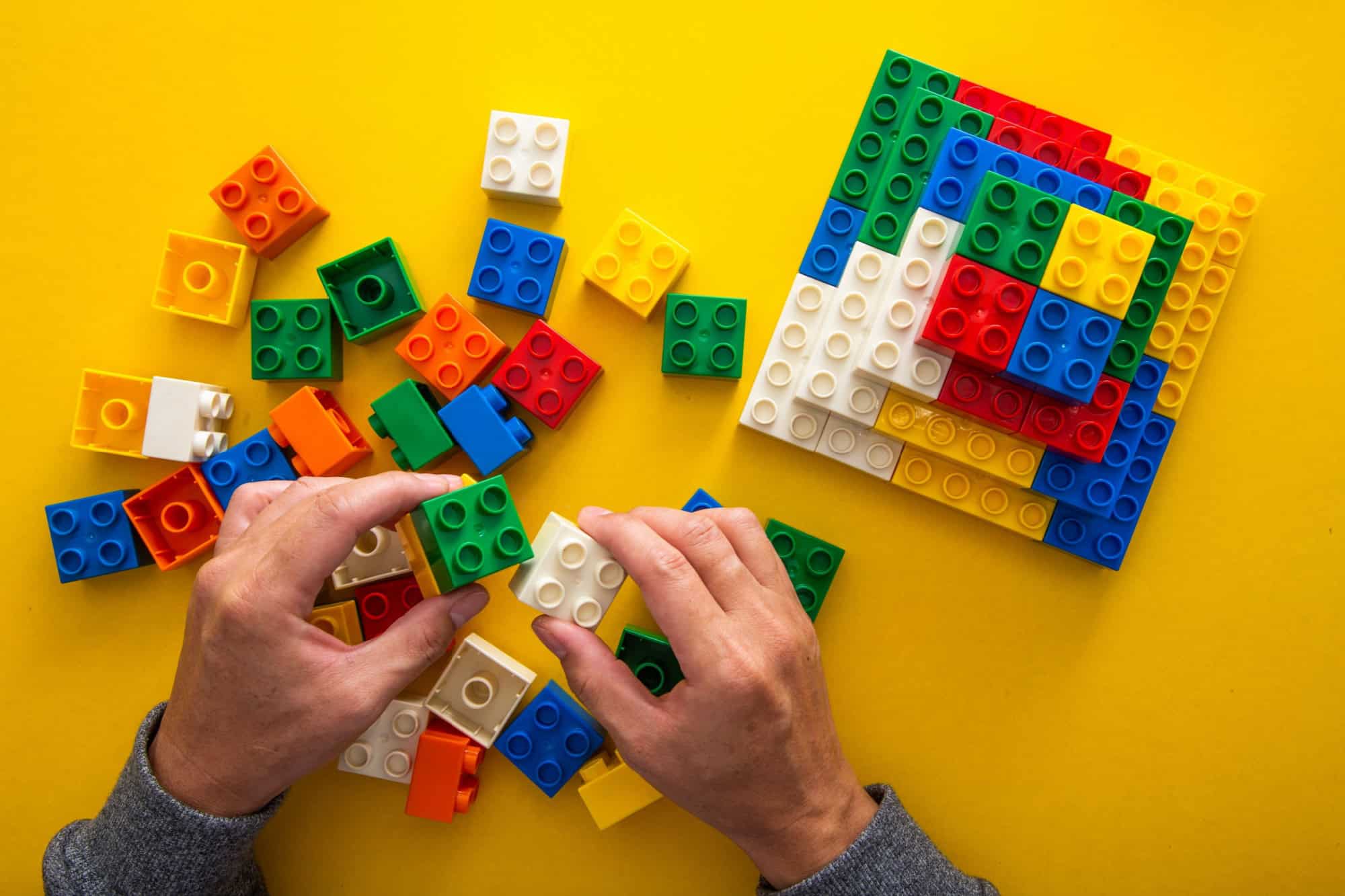
I remember how one woman described afternoons after school where it was just them, a snack and whatever hobby they were into that week. She also told us she could spend an entire Saturday as a kid building elaborate Lego worlds by herself. No brothers, no sisters, just her imagination. She laughed and said that even now, she’s never bored at home.
Being very selective about their friends

When they don’t have any siblings, people tend to be much more family-oriented with their friends. A few only children told us their friends felt more like sisters and brothers than just people they hung out with. In the long term, they also became more selective with who they let into their life.
Being comfortable with silence

Having spent a lot of time in silence when they were younger, people without siblings usually get used to the lack of noise. They’ve spent years in peaceful spaces, so they handle silence without a second thought.
Being more observant of social dynamics

An only child we spoke with said they became a kind of “social detective” growing up, studying how people behaved because they didn’t have siblings to distract them. That kind of awareness makes them cautious but also thoughtful around others.
Being highly resourceful at a young age

You don’t have siblings to fall back on for help or assistance, so you figure out how to do things on your own (like fixing broken items or managing your own time). This independence helps you develop practical skills and builds a strong sense of confidence from an early age.
Learning to deal with conflict

Since they didn’t grow up with siblings to hash things out with, many only children become cautious about starting any kind of disagreement. Sometimes they just stay quiet, other times they replay conversations over and over in their head.
Becoming their own harshest critic

As a few told us, without brothers or sisters, they turned inward and judged themselves more strictly. Their expectations were high, and they didn’t always go easy on themselves.
Finding value in one-on-one connections

Some only children mentioned to us that they found one-on-ones to be the most comfortable setting. Raised as an only child, they enjoyed getting deeper connections and at times would shy away from noisy group settings that made them feel unseen.
Making their own celebrations

A few “only children” commented that they learned to make everyday days special. Since there was no one to share birthdays or other milestones, they created small celebrations for themselves: baking something, having a movie night, beginning unusual personal traditions. This carried on with them, and they became good at enjoying the small things in life.
Finding comfort in routine

Some shared that they like having things planned and in order (it helps them feel safe). When surprises pop up, it can make them uncomfortable, even upset. But that also means change doesn’t come easy.
Taking solitude as a chance to reflect

Some people said that being an only child gave them lots of time to themselves to reflect and think. They usually dealt with their emotions on their own-in silence-even if it were through journaling or meditation. It was a healthy behavior that made them very in touch with their emotions and thus very self-aware.
Developing a strong sense of personal space

As there was no one else to argue with about clutter/decorations, many only children found they enjoyed having their things just the way they liked it. This developed a strong attachment to their space and inherent need to protect it.
A family’s natural peacemaker

Since they only have their parents at home, they try to avoid fights and stay calm. They often act as the middle person between their parents or other family members because, being independent, they can see both sides clearly.
Like our content? Be sure to follow us.


