

Most of us know that many of the objects we touch every day are hosting invisible colonies of bacteria and viruses, but research says these 11 are the worst ones.
Money

Cash is probably the dirtiest thing you will touch. Coins and dollar bills can go years without being cleaned and pass through thousands of people and places.
Every person who touches money leaves behind dead skin cells, food particles, saliva, sweat, and various bacteria from pockets, wallets, and dirty cash registers.
Since money is never washed or sanitized, it spreads germs far and wide, so be sure to wash your hands after receiving change or paying for dinner with cash.
Pens

You never know who has coughed or sneezed into their hands before grabbing the pen at the bank, dentist’s office, or hotel lobby. Some people even have nervous habits such as chewing on the pen or touching their face while writing, which can smear saliva or mucus on the surface.
Pens are also rarely sanitized by employees, which means they are covered in germs from every sick person who signed your receipt.
Handrails

Think about how many people grab onto the same handrail when they board a city bus, train, or simply walk down the stairs. Countless strangers hold these bars for balance after coughing into their hands or wiping their noses.
Cold and flu viruses can live on metal and plastic surfaces for hours, so holding on to keep your balance during your morning commute can gift your palms with a generous serving of someone else’s bacteria.
Menus

Plates and silverware at a restaurant are typically well taken care of, but menus don’t get a deep clean often. During a busy lunch period, menus can be touched by dozens of hungry patrons as they sit down to order.
Because menus are usually placed back in holders or stacked with others, they aren’t allowed to dry between uses. So always wash your hands after you’ve finished browsing the menu.
Touchscreens
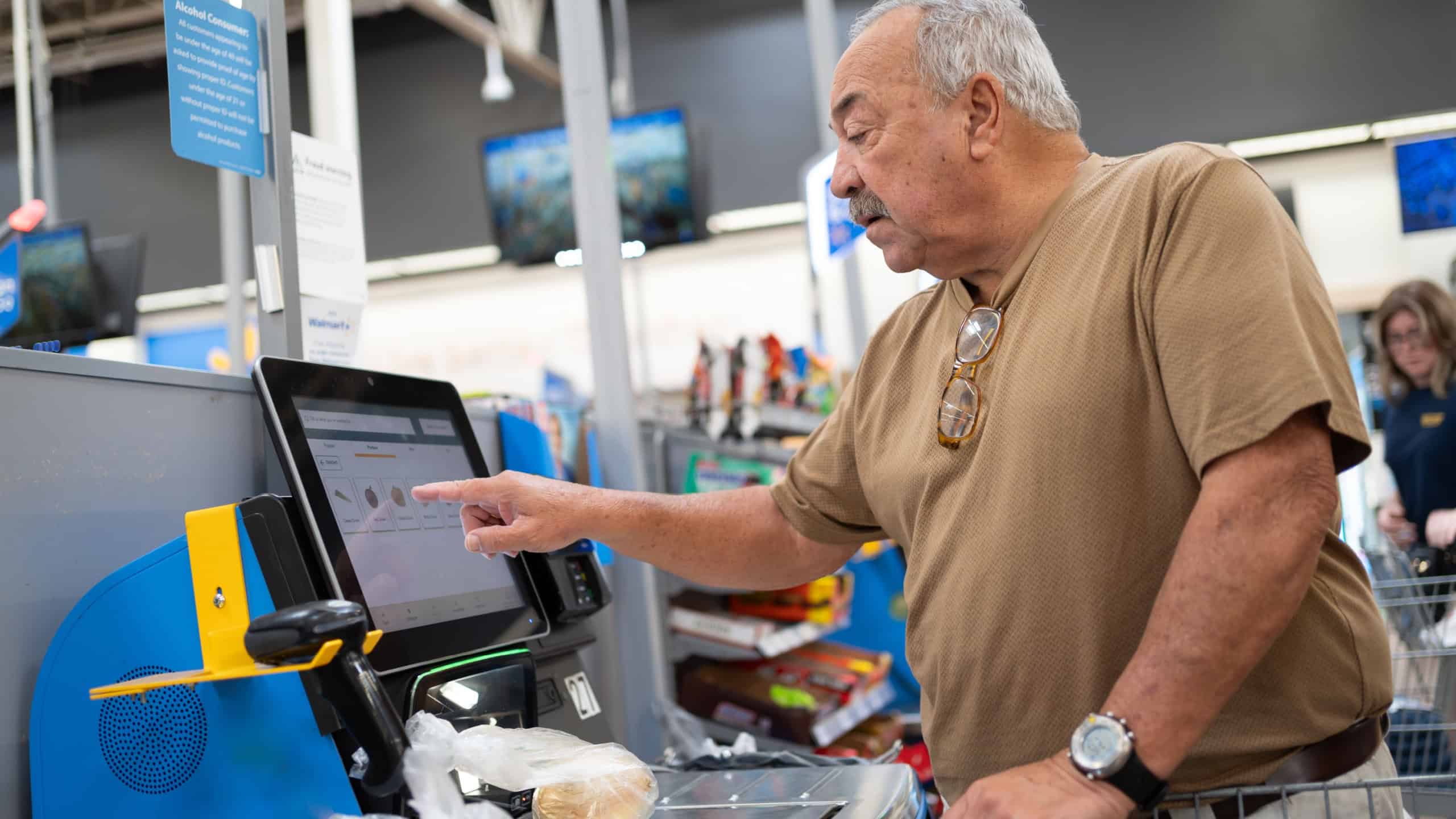
Smartphones, self-checkout screens, and ATMs may be high-tech, but they’re also germ magnets. We use our phones at all hours of the day in places like the bathroom and kitchen.
Germs can actually thrive on the warmth of your touchscreen device. Since we touch screens and then our faces right afterwards, these gadgets give germs a free ride into our bodies.
Doorknobs
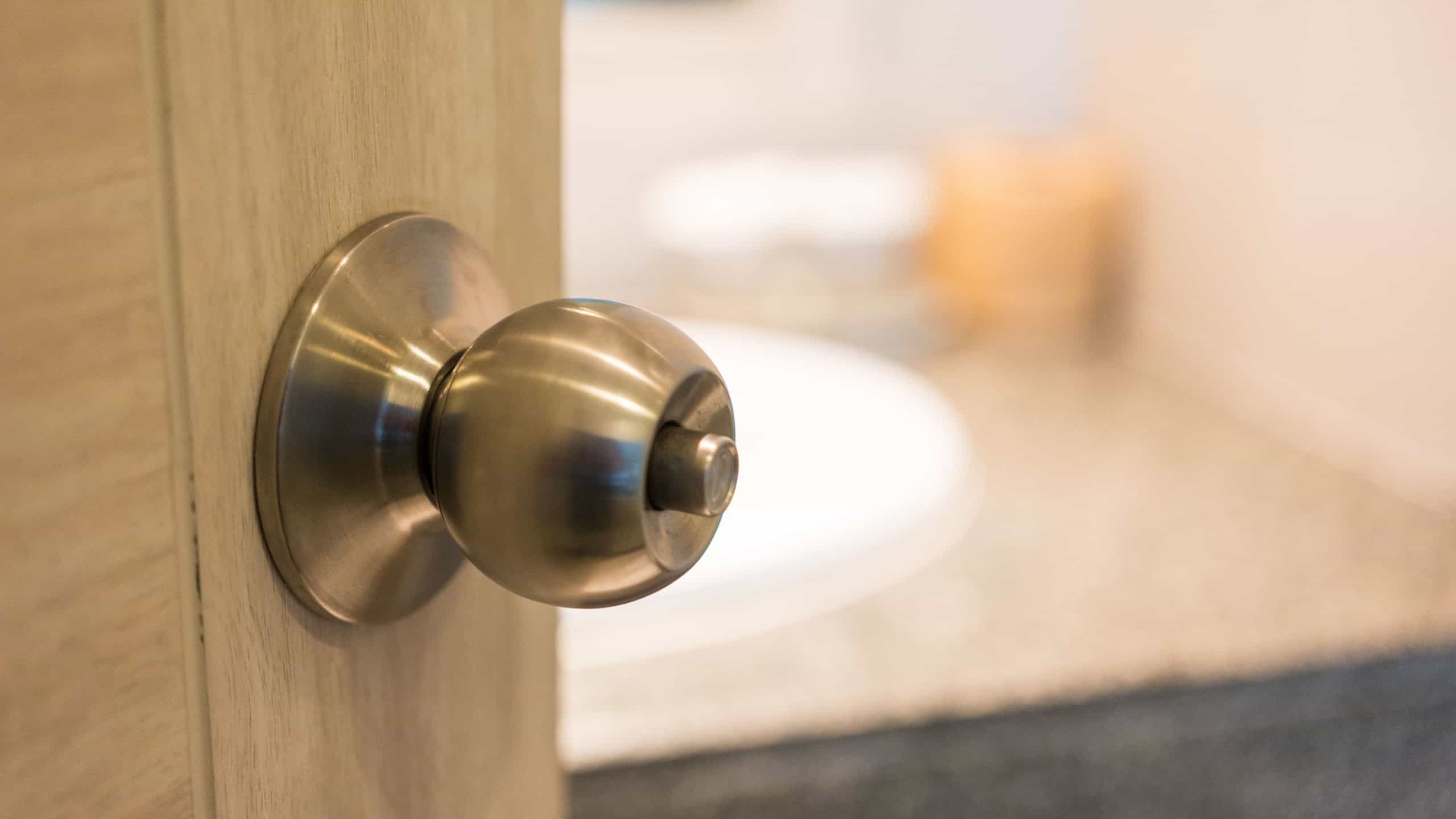
Office and store doorknobs are high-touch points that nobody can avoid when visiting these public places. Sneezing or coughing into your hands and then immediately pulling a nearby doorknob to exit the room is something many people do.
Bathroom and kitchen doors are hot zones for the spread of germs since they are touched right after someone washes their hands. Because these objects are made of tough materials, bacteria can live comfortably there until the next person comes along to grab them.
Animals

While they may be man’s best friend, our pets’ bodies are covered in bacteria, fungi, and even microscopic parasites. Dogs and cats like to explore the world with their mouths and paws, which can transfer germs from outdoors and onto your lap.
Always wash your hands after a lengthy petting session or game of fetch so you don’t accidentally ingest any of the microscopic hitchhikers that might be living in your dog’s or cat’s coat.
Sponges
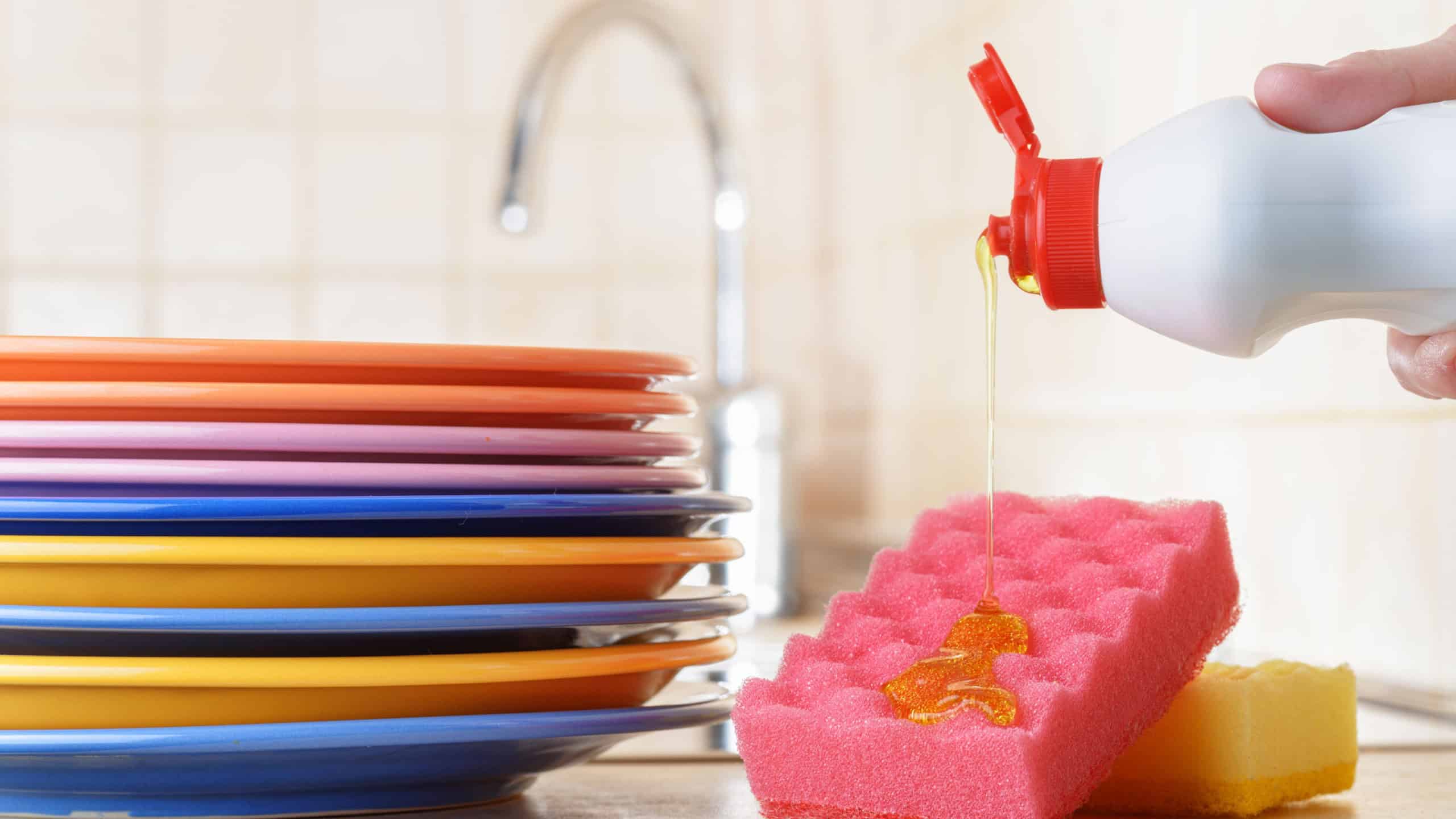
The dirtiest household item in your kitchen might be the sponge you use to clean with. Sponges are moist, porous, and loaded with bits of old food that have found their way into their fibers.
Each time you give your sponge a squeeze, you’re introducing a concentrated burst of bacteria onto your fingertips. After washing the dishes or cleaning countertops, you should always wash your hands with fresh soap.
Pumps
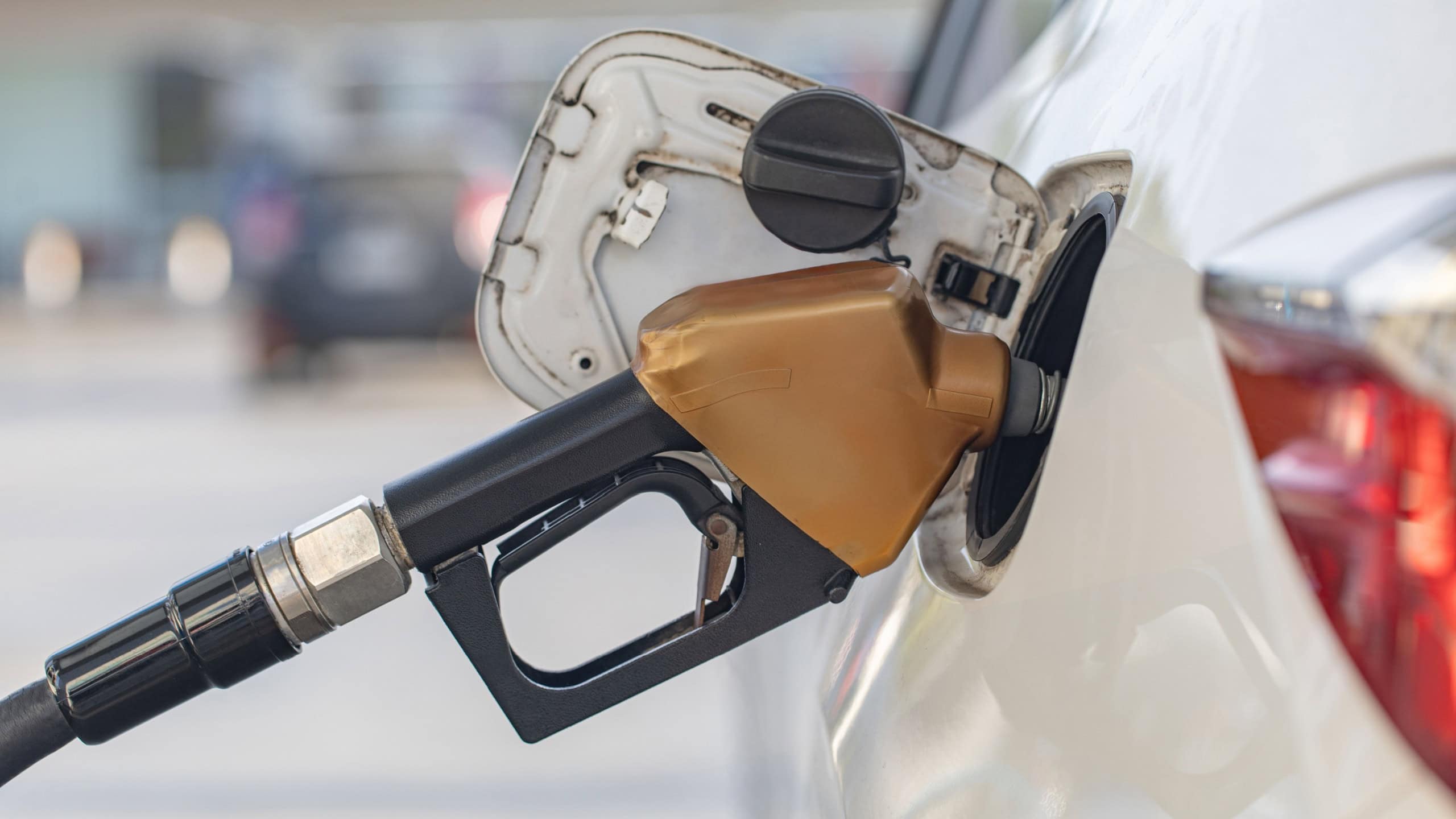
Gas pump handles are rarely cleaned, stand outside in the dirt, and are touched by thousands of drivers from surrounding areas. Every person who fills up at the gas station picks up a few different types of bacteria based on where they traveled from.
You have to hold the handle for several minutes while gasoline pumps into your car, which gives germs time to migrate onto your skin. Next time you fill up, consider using a paper towel to push your button or wash your hands.
Dispensers

Ironically, soap dispensers and hand sanitizer bottles themselves can be dirty on the outside. We frequently touch the dispenser levers or buttons when our hands are at their absolute dirtiest, right before we wash them.
Public bathrooms have very dirty dispenser buttons or levers since everyone touches them before washing their hands. Take extra time to scrub those palms and fingers to rid your hands of the germs you just picked up from the dispenser.
Cutting boards
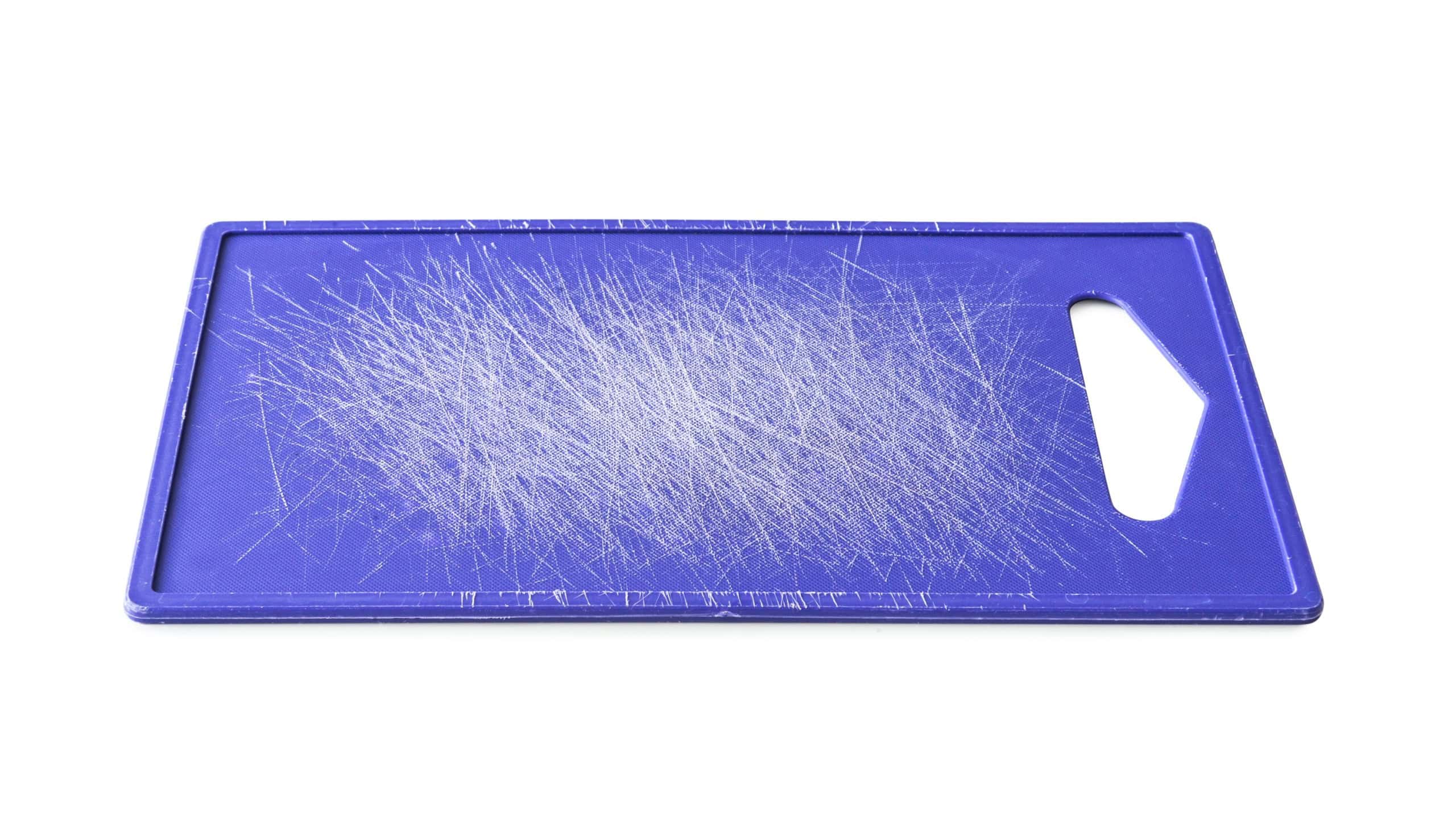
If you use your cutting board to chop up raw meat, poultry, fish, or unwashed vegetables, it can become contaminated. Small knife grooves and scratches are home to bacteria such as E. coli or Salmonella.
These germs can be tough to wash off just with water alone. If you grab the corner of your board to move it and then touch other items or your face, you can spread bacteria without knowing.
Sources: Please see here for a complete listing of all sources that were consulted in the preparation of this article.


