Heading to a hotel should feel like the start of an adventure or a nice break from the daily grind, right? Unfortunately, things don’t always live up to the brochure. To avoid those less-than-stellar stays, you should know the warning signs of a bad hotel. Here’s a list of ten red flags to look out for from the get-go, straight from the people who know hotels best.
Featured Image Credit: .shock /Depositphotos.com.
Lackluster Front Desk Service

Have you walked into a hotel and had to wait forever to get noticed at the front desk? Or maybe the clerk seemed like they wished they were anywhere else but there? That’s your first clue about what your stay might be like. Whether they’re unfriendly or just plain disorganized, it’s often a sign of the overall service you can expect during your stay. First impressions matter!
Unpleasant Odors

Make sure you use all your senses when you first arrive—including your smell! If you get a whiff of something musty as you walk through the halls, that could be a sign of bigger issues like mold or not enough cleaning. Hotels should smell clean & fresh to invite you in. Any smell that makes you want to leave, like something off in the lobby, is a no-no.
Excessive Noise

Don’t forget about the sound of where you’re staying. Constant noise can turn a good hotel stay into a nightmare. A hotel that cares will fix noise issues—or at least warn you about them when you book. If it’s a free-for-all with no solution to the hallways echoing late at night, you might want to look elsewhere.
Dirty Common Areas
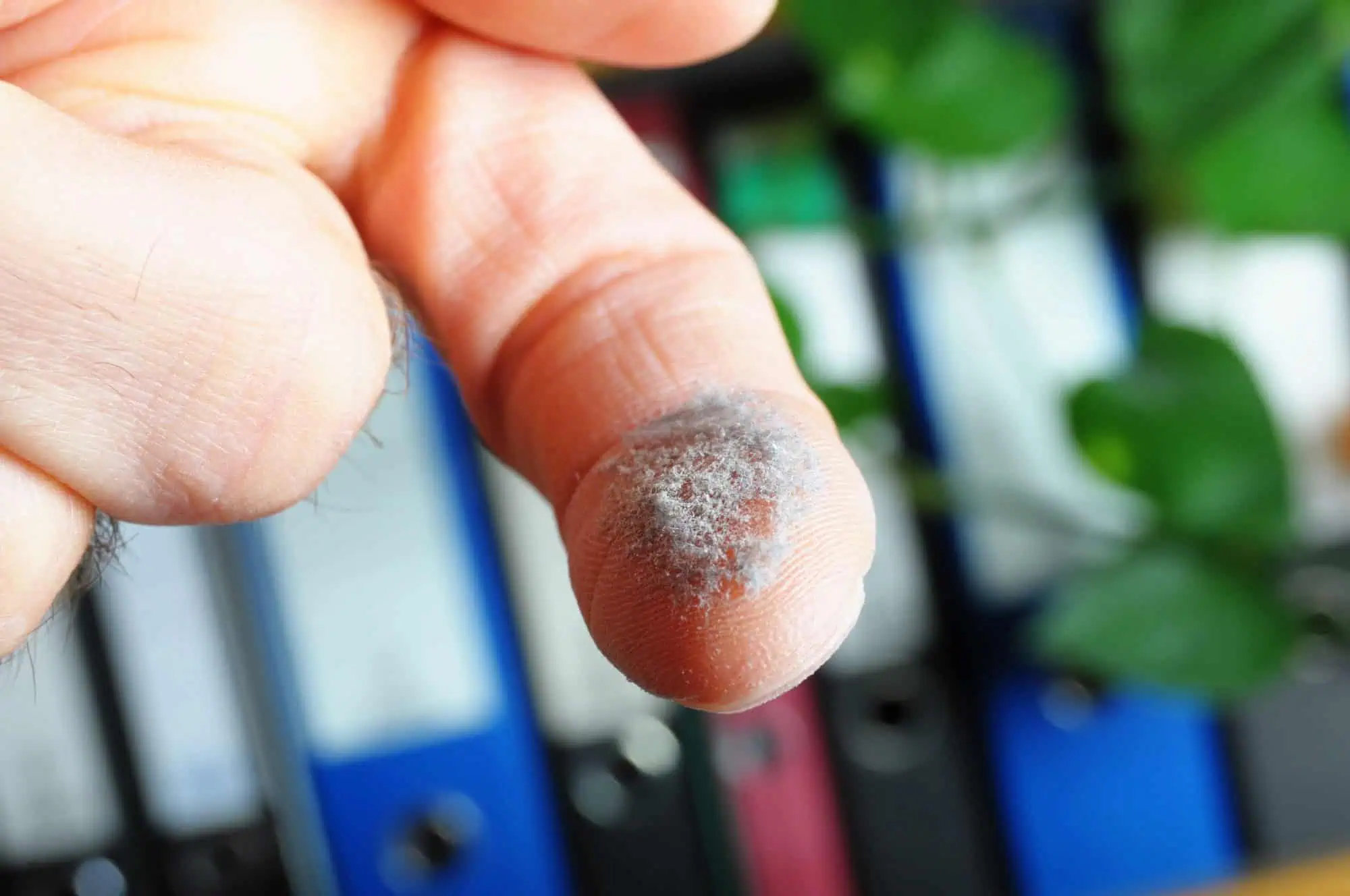
You should also check how the lobby and hallways look. For example, if they’re messy or look like they haven’t seen a vacuum in a while, it could mean the cleaning crew isn’t doing so well anywhere else. After all, sticky tables and smudgy elevator buttons are the tip of the iceberg—who knows what’s lurking in the room you’re about to sleep in?
Outdated Decor

Even if it doesn’t look messy, a hotel room that looks like a throwback is another bad sign. Of course, it could just be their aesthetics—or it could mean the place isn’t keeping up with the times in other ways. Old furnishings are often less comfortable & even less clean. A modern, well-maintained hotel keeps things current—and comfortable.
Complicated Wi-Fi Access

Everyone expects to connect to Wi-Fi and there’s no good reason why a hotel would charge you extra fees for a slow connection. Even making you jump through hoops just to log in is annoying. Worse still, it could indicate that the hotel’s more interested in pinching pennies than guest convenience. Look out for simple & free internet access—it’s practically a basic amenity.
Negative Reviews

Always check the recent reviews and take any consistent comments about rude staff or dirty rooms seriously. Yes, some unhappy customers are picky but usually a pretty accurate sign of what you’re walking into. You can brush off one bad review as a fluke yet a pattern is a definite red flag.
Lack of Security
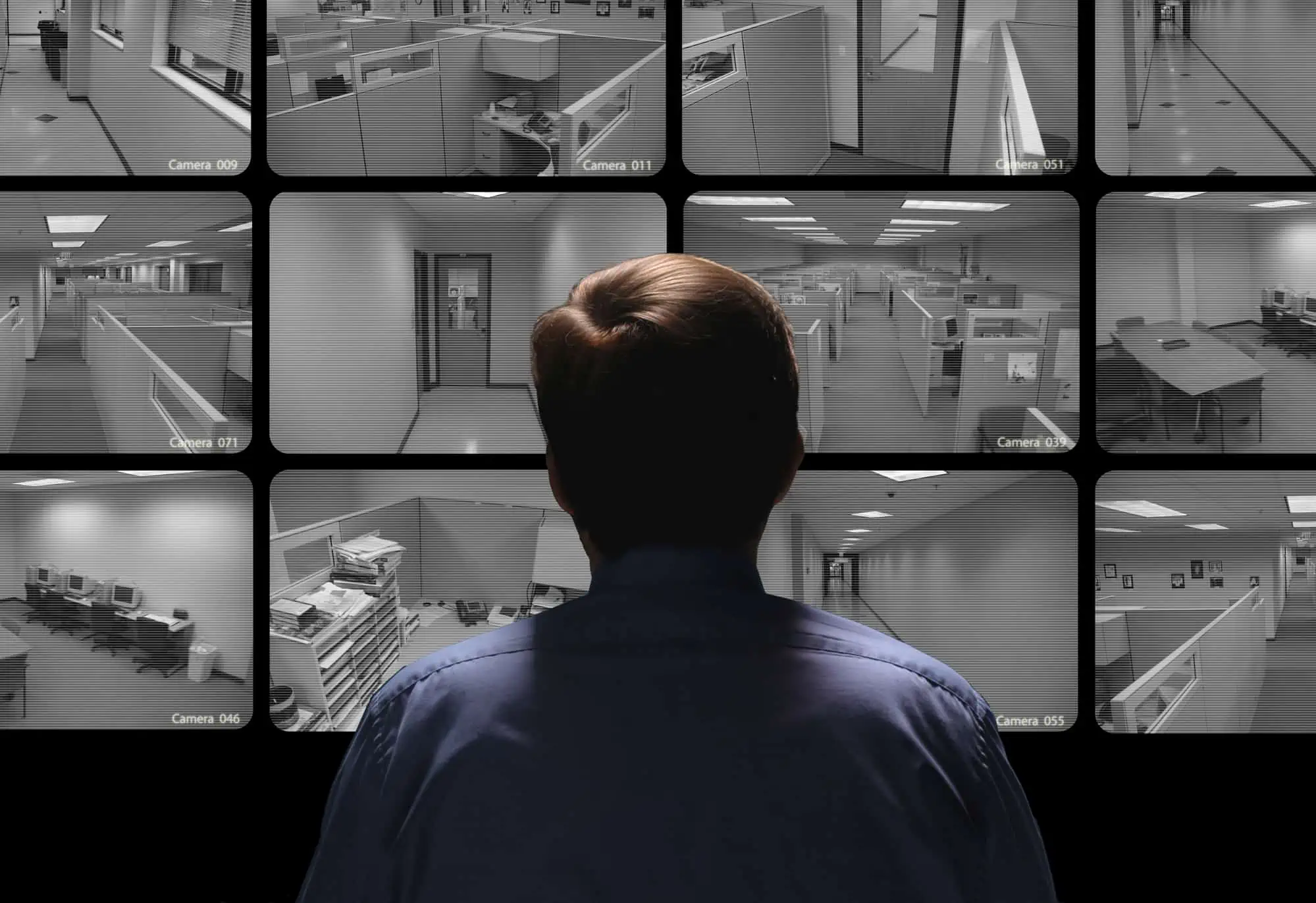
You should feel safe where you sleep and that’s why a hotel should never skimp on security—think poorly lit parking lots or side doors left unlocked. These minor oversights can easily become major risks. Good hotels make sure you feel secure and that their security measures are clear. Better yet, their staff should be trained to keep guests safe.
Inconsistent Policies

There’s nothing worse than booking a room under one rate & then showing up to learn they’ve changed the terms. It’s frustrating and can throw your whole trip off balance. Inconsistent policies & booking details that don’t match up suggest that, at best, the hotel is disorganized. At worst, they’re intentionally misleading—either way, it’s a bunch of problems you don’t need.
Slow Response to Requests

When you ask for something simple and it takes hours to get it then that’s an issue. Good hotel staff should work their hardest to make your stay smooth & respond quickly to your needs, like asking for an extra pillow or more towels. As such, hotels that respond slowly or straight up ignore guests’ requests are places where comfort isn’t a priority.
Disclaimer: This list is solely the author’s opinion based on research and publicly available information.
Like our content? Be sure to follow us.
Read More: