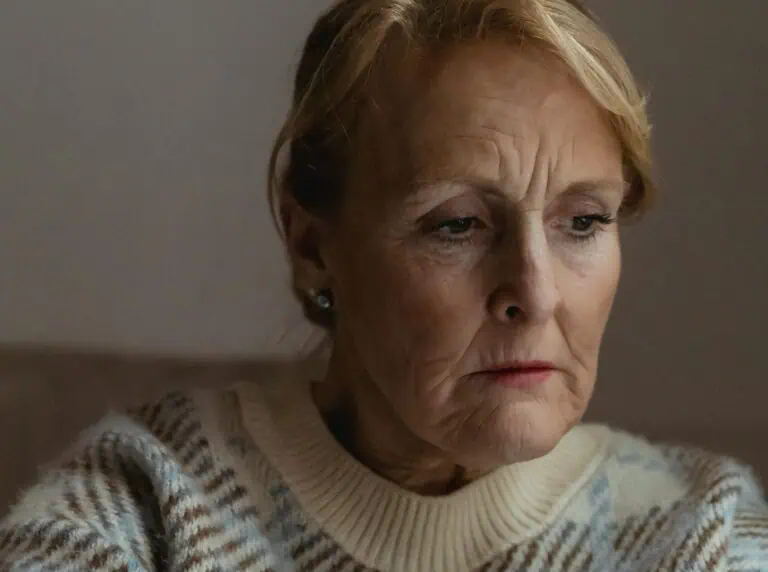

It’s not easy to admit, but sometimes our relationships with our adult children aren’t as close as we’d like them to be. Maybe you’ve noticed a growing distance, or perhaps they’re avoiding contact altogether. It’s a tough situation, and it can leave you feeling confused and hurt. The reasons behind this separation can be complex and varied.
Understanding these reasons is the first step toward healing and possibly rebuilding those connections.
Featured Image Credit: Teona Swift /Pexels.com.
Lack of Respect for Boundaries

When parents don’t respect boundaries, it can feel overwhelming. Adult children need space to make their own choices. If parents keep giving unwanted advice or trying to control things, it can cause tension. Over time, this can push adult children away. They may limit contact to have some peace.
Unresolved Childhood Issues

Childhood experiences can stick with us for a long time. If a child felt neglected, controlled, or criticized growing up, those feelings might come back as an adult. If these old issues aren’t dealt with, they can create a gap between parents and children. Adult children might keep their distance to protect their feelings, especially if they see that their parents haven’t changed.
Negative Relationships with Their Partner

How parents treat their child’s partner matters. If parents don’t get along with or disrespect the partner, it can create problems. The adult child might feel torn and choose to pull away from their parent to protect their relationship. This can lead to less contact.
Holding Grudges or Refusing to Apologize

Holding onto past hurts without ever addressing them can be toxic. If parents refuse to apologize or acknowledge their mistakes, it can cause deep resentment. Adult children may feel that their feelings are being dismissed, leading to frustration. Over time, this lack of resolution can result in them distancing themselves.
Lack of Effort to Maintain the Relationship

Maintaining a relationship takes effort from both sides. If parents don’t put in the effort to stay connected or show interest in their adult child’s life, it can lead to distance. Adult children might feel that their parents are indifferent or disengaged. When communication is one-sided, with the child always reaching out first, it can create feelings of frustration and neglect.
Unhealthy Dependency

Parents who lean too heavily on their adult children for emotional or financial support can create an unbalanced relationship. This kind of dependency can become a burden. The adult child might feel overwhelmed by the constant neediness. They may choose to step back to regain their own sense of independence.
Different Values or Beliefs

As children grow up, they develop their own set of values and beliefs. Sometimes, these differ from what they were raised with. If parents can’t accept or respect these differences, it can lead to conflict. Instead of finding common ground, the relationship might become strained.
Overbearing Behavior

No one likes to feel controlled. When parents try to micromanage every aspect of their adult child’s life, it can be suffocating. Even if the intentions are good, this overbearing behavior can make the adult child feel like they’re not trusted to make their own decisions. To escape this constant pressure, they might limit contact.
Failure to Support Their Choices

Life is full of choices, and adult children want to feel supported in theirs. When parents constantly criticize or fail to back their child’s decisions (decisions about a career, relationship, lifestyle, etc.) it can feel like a rejection. Over time, this lack of support can create a deep emotional divide.
Toxic Family Dynamics

Sometimes, the family environment itself is unhealthy. It might involve constant conflict, drama, or other toxic behaviors. These dynamics can be draining. Adult children may choose to distance themselves from the entire family to protect their mental health. It’s a tough decision, but sometimes necessary for their well-being.
Disclaimer: This list is solely the author’s opinion based on research and publicly available information.
Like our content? Be sure to follow us.
Read More: