Retiring to the suburbs sounds rather great—peaceful streets, big backyards & friendly neighbors waving hello every morning. What could be better? However, moving to the suburbs isn’t always so great. Here are ten things that might not be obvious about living in the suburbs but will really cramp your retirement style.
Featured Image Credit: impactphotography /Depositphotos.com.
Social Isolation

A close community isn’t always a reality in the suburbs. Yes you’ll have neighbors—but everyone’s often so busy with their own lives that it’s hard to make real connections. If you’re not working anymore, you’ll find it even harder to meet people & build friendships, which makes it easier to feel lonely.
Zoning Restrictions and HOA Rules

If you want to paint your house a new color or plant a beautiful garden, you might not be allowed. That’s suburban zoning laws & HOA rules for you! Regulations are often very strict, limiting everything from the type of fence you can have to how you decorate your front yard. Essentially, you’ll feel like you’re living under a microscope.
Like our content? Be sure to follow us.
Dependence on a Car

In the city, you can walk or take public transport almost anywhere—but not so much in the suburbs. Here, unless you drive, you’re stuck and such heavy reliance on a car for every little errand is frustrating. There’s also the environmental impact to worry about and the money you’ll spend on gas, insurance & maintenance.
Limited Employment Opportunities

Anyone thinking of working part-time in retirement may discover they have limited options in the suburbs compared to the city. There just aren’t as many businesses or industries—so there are fewer job opportunities. It’s a real drag if you want to stay active & earn a bit of extra cash during your golden years.
Environmental Impact
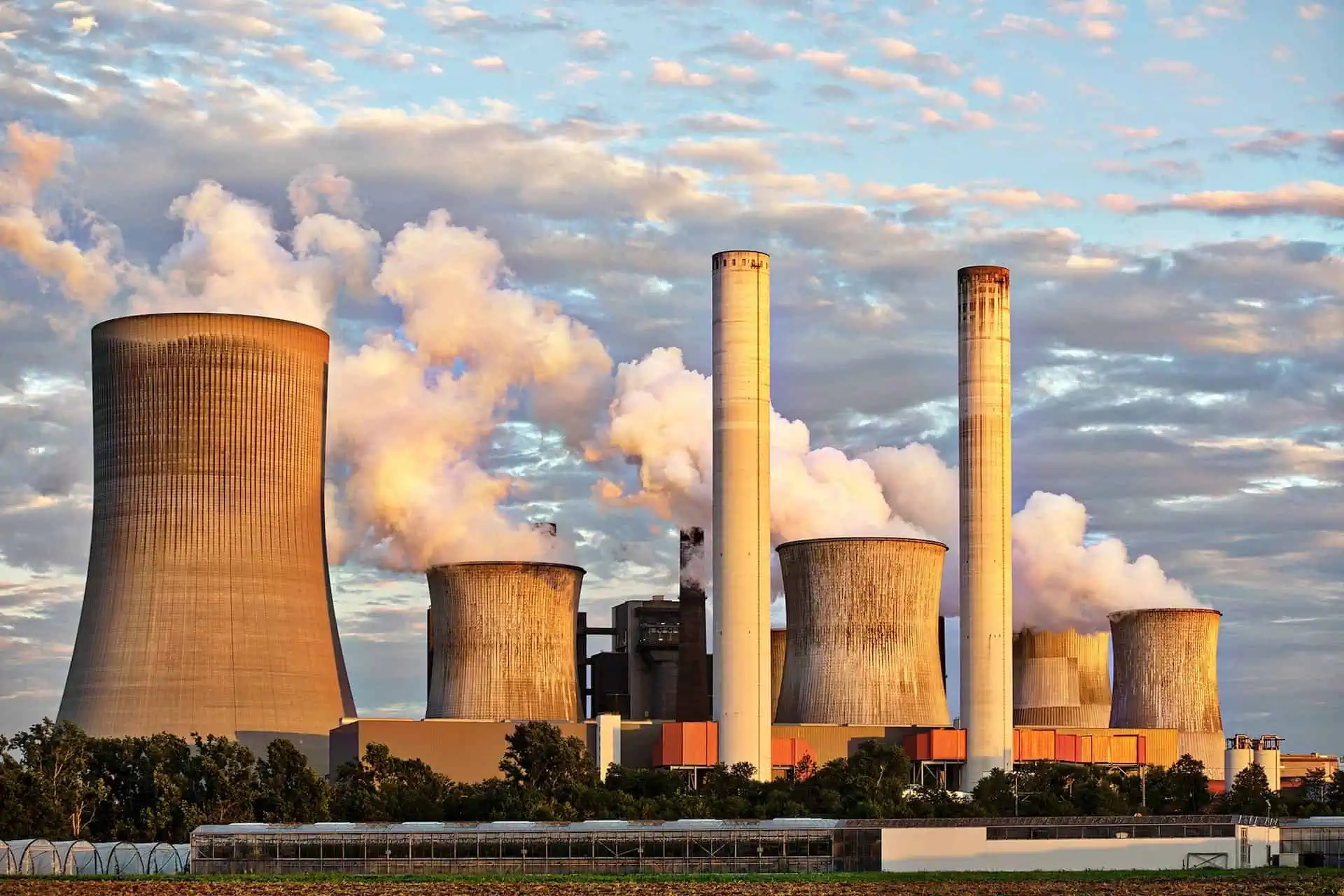
In the suburbs, you’ll have a bigger house, a larger lawn & likely more cars. All of this contributes to greater environmental impacts including increased energy use & more pollution. For those environmentally conscious retirees, this side of suburban life won’t sit well with you and you’ll have to seriously consider whether it’s worth it.
Pesticide Use

Similarly, the suburban love for lush, green lawns comes with a downside—widespread use of pesticides & fertilizers. This will affect local wildlife and water quality as well as your own yard. It’s even worse for older people as we tend to be more sensitive to chemicals as we age. Wanting a perfect lawn means you’ll be exposed to more chemicals than you’d like.
Changing Needs Over Time

Even though that big house with the sprawling yard might seem perfect now, just think about it down the line. As you get older, maintaining a property becomes a real chore—stairs become an obstacle & that garden you love turns into a burden. You’ll need to adapt your home to suit your needs as you age. And that’s quite expensive in the suburbs—let alone, complicated.
Homogeneity

Suburbs often lack the diversity you’ll find in urban areas. Of course, this isn’t true across the board but many suburbs have a reputation for being uniform with demographics & dining options. Anyone who likes experiencing different cultures and foods might learn that suburban life is too one-note for their taste.
Utility Costs Can Surprise You

Even though moving to the suburbs gives you more space, with that extra square footage comes higher utility bills. Heating or cooling a larger home throughout the seasons gets expensive. And if you’re in an area with extreme temperatures? Good luck. It’s easy to overlook this when you’re dreaming of that big backyard but it’s well worth considering.
Upkeep of Property

Likewise, all that space requires a lot of upkeep, including mowing the lawn & fixing the roof. The responsibilities sure do pile up! As you get older, these tasks become more challenging and could require you to hire help—that’s another expense to worry about. Beyond the financial cost, there’s the physical & mental energy needed to maintain a property.
Disclaimer: This list is solely the author’s opinion based on research and publicly available information.
Like our content? Be sure to follow us.
Read More: