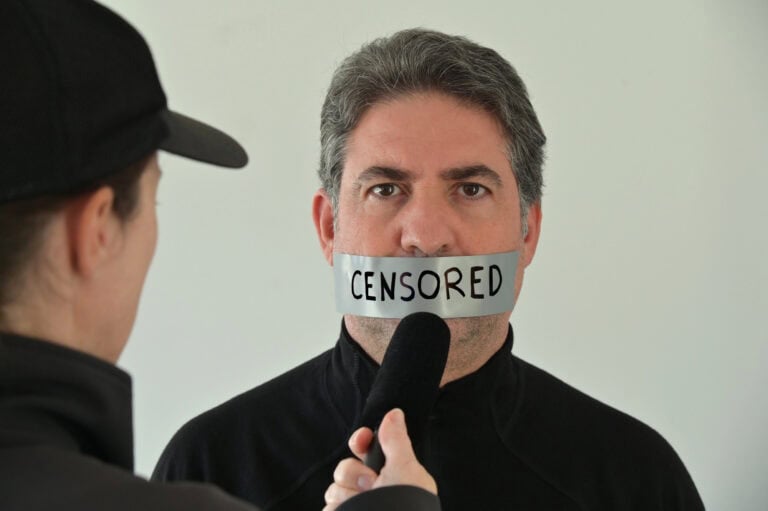

America—the land of the free and the brave. Or is it? Talking freely isn’t as straightforward as it used to be. Everything from social media to laws is now controlling what we can say or share—as well as where, how & to whom we say it! Here are twelve reasons why free speech is under attack. Even if you don’t entirely agree, it’s well worth knowing about the limitations on what you can or can’t say. You don’t want to be on the wrong side of the law!
Featured Image Credit: lucidwaters /Depositphotos.com.
Legislation Limiting Speech

Governments aren’t shy about setting the rules—sometimes they tighten the reins too much. For example, the First Amendment has restrictions on what we can say, especially if it’s about sensitive topics like national security. While these laws try to keep us safe, they can also make people think twice before speaking up. Is that any way to live?
Social Media Censorship
Even the people running social media platforms hit the “delete” button on posts they think cross the line. From TikTok to Twitter, you’re limited in what you can share. It makes you wonder if what you’re about to post will see the light of day—or if it’ll disappear completely into the digital void.
Like our content? Be sure to follow us.
Defamation Laws

Nobody likes to be bad-mouthed – defamation laws take protecting reputations seriously. Just the threat of a lawsuit for saying something negative may stop a conversation in its tracks—that’s not fair. People shouldn’t feel like they’re walking on eggshells. We should have the right to speak freely.
Surveillance and Privacy Concerns
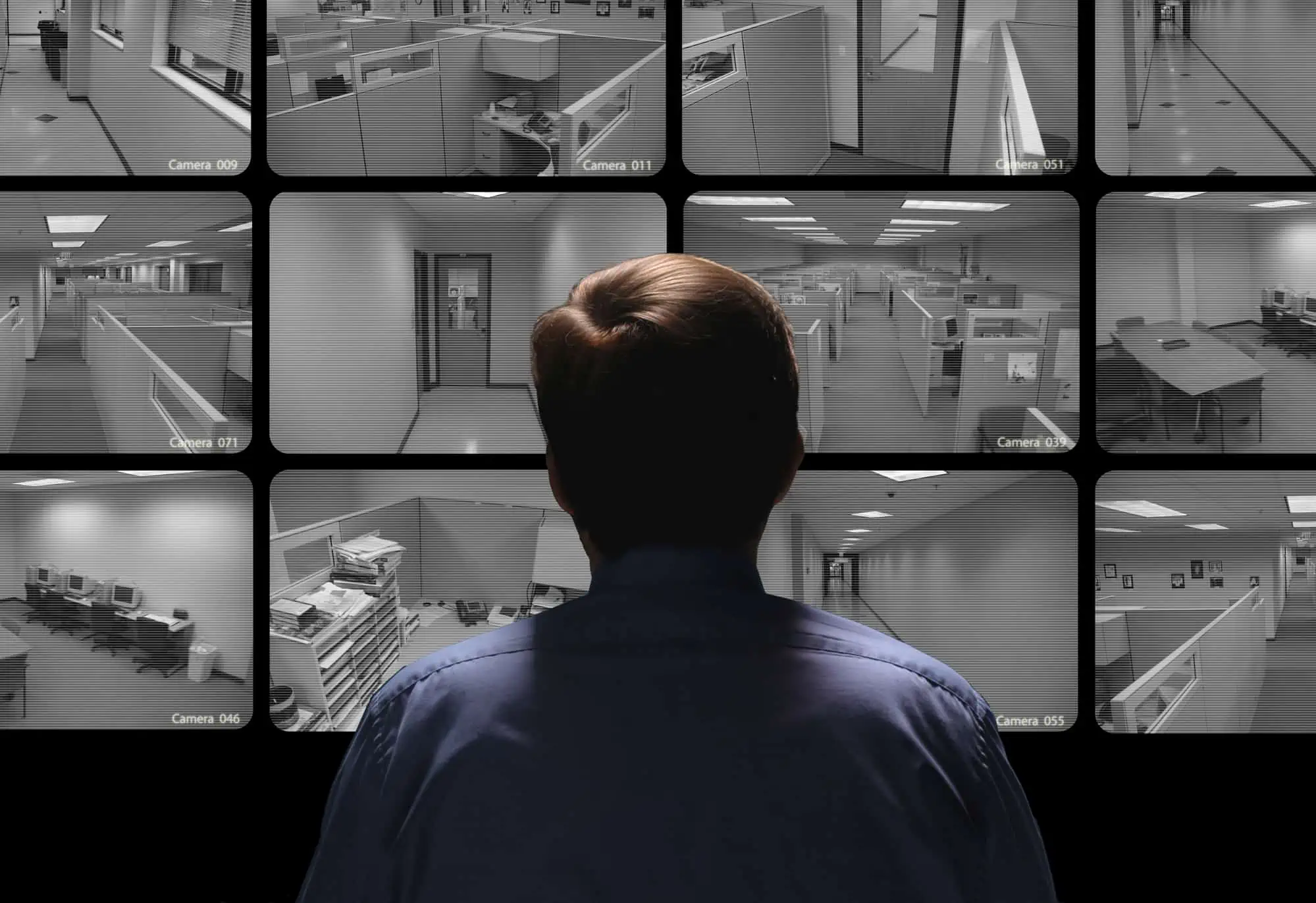
There’s so much surveillance that saying what you really think feels risky. Who’s listening? And what might they do with what they hear? The idea that someone could be keeping tabs on your every move or conversation, whether it’s the government or tech giants, changes what you’re willing to share. Everyone has an invisible audience—whether they like it or not.
Campus Speech Codes

While colleges are meant to focus on learning & sharing ideas, sometimes the rules on what you can or can’t say on campus make it difficult. These speech codes are designed to keep things respectful. However, they also dial down the debate by leaving some opinions out in the cold. It’s enough to make some people feel like their voices are being silenced.
Academic Censorship

Speaking of education, researchers studying controversial topics occasionally hit a wall if their work ruffles feathers. It’s a kind of academic censorship that keeps some ideas from seeing the light of day, which makes us all a bit poorer in understanding. The desire for truth & new ideas is what drives progress. But when we muzzle those ideas, everybody loses out on the potential breakthroughs that could change the world.
Pressure from Advertisers

Money can buy anything—including free speech. Advertisers make TV shows, newspapers & websites avoid topics that they dislike and the media obeys because they don’t want to upset the money flow. Content creators have to tiptoe around certain subjects. If they don’t, then they risk losing the funding that keeps their projects alive. Just how much of what we see & read is controlled by the almighty dollar?
Cancel Culture
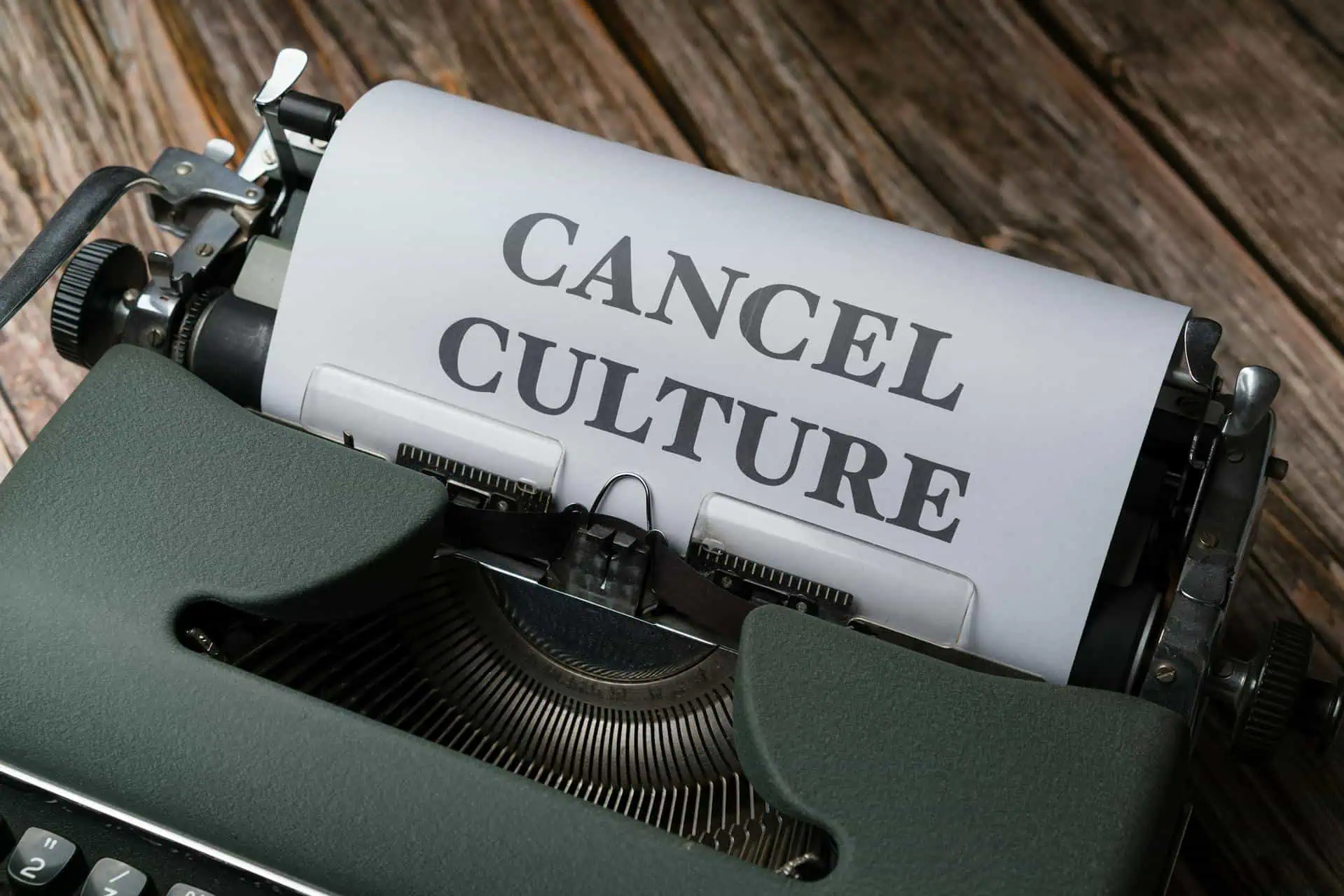
Say something unpopular and you’ll be “cancelled.” Cancel culture makes people think twice before sharing their take on touchy subjects because they’re worried they might be the next to get the virtual boot. Essentially, we’re all walking on a tightrope. The fear of being boycotted for an offhand comment or misunderstood joke leaves people constantly on guard.
Hate Speech Laws

Protecting people from hateful words is important but finding the balance is hard. Laws meant to protect people make it hard to talk about serious issues without worrying about crossing a line. Supporters claim these laws create a more inclusive society. On the other hand, critics argue that feelings aren’t important and we’re clipping the wings of free speech.
Government Propaganda and Misinformation

It’s no secret that misinformation has started to drown out the real stories. The noise of the propaganda machine makes it almost impossible to hear the truth—let alone have a meaningful conversation about it. These days, it seems that facts are up for grabs. And that’s a scary place to be.
Threats and Intimidation
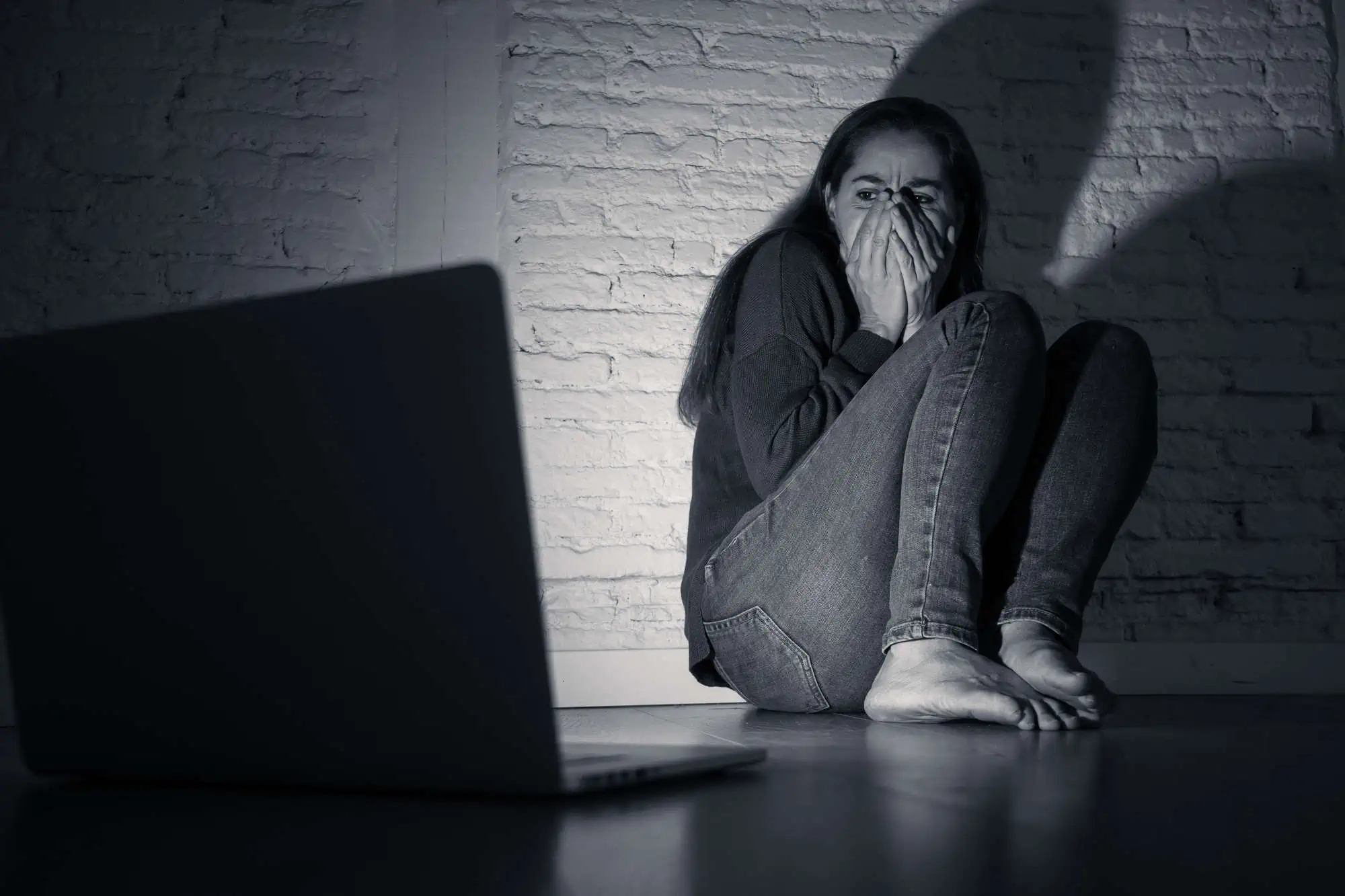
Speaking up can be downright dangerous in some places. Journalists and activists, for example, are often threatened for sharing the truth and this sometimes makes them avoid saying anything altogether. In some places, the cost of speaking out is your safety or even your life. It’s no wonder that some choose to stay silent.
Internet Shutdowns
Around the world, governments have pulled the plug on the internet to silence voices & leave citizens in the dark. It cuts off free speech and our connection to each other. Places like India, Myanmar and Iran have all enforced these bans in order to control the spread of information. Sadly, this shows just how fragile our digital freedoms actually are.
Disclaimer: This list is solely the author’s opinion based on research and publicly available information.
Like our content? Be sure to follow us.
Read More: