Gone are the days when landing a job meant you were set for life. The idea of job security has become more of a fairytale than something you can actually count on and it’s all because the workplace has changed. Here are ten reasons why feeling secure in your job is more myth than reality. But it doesn’t have to be as scary as it sounds!
Featured Image Credit: vadimphoto1@gmail.com/Depositphotos.com.
Automation in Manufacturing

In the car industry, robots are able to do the work faster and without coffee breaks—that’s why General Motors decided to close several plants in North America a few years back. They said it was because they’re moving towards electric & self-driving cars. However, those robots on the assembly line definitely played a part.
Outsourcing of Tech Jobs

Tech jobs aren’t safe either as companies like IBM figure out that they’ll get the job done for less money by hiring people in countries where wages aren’t as high as in America. This is known as outsourcing. While your tech skills might be terrific, your job is on the line if someone halfway around the world does it cheaper.
Like our content? Be sure to follow us.
Retail Industry and Economic Downturns

The 2008 financial crisis hit retail hard. Big names like Circuit City went under—and thousands lost their jobs overnight. It was clear proof that when the economy takes a nosedive, retail jobs are often the first to go and these positions have no job security. These jobs depend on how much people are willing to spend and in difficult times, that’s not a lot.
Rise of Freelance Work in Creative Industries

The gig economy has changed many creative fields. Instead of full-time gigs, companies are leaning towards hiring freelancers for everything and this makes your income rather unpredictable. Worse, without the safety of a steady paycheck or benefits like health insurance, you’re on your own to handle everything.
Disruption in the Taxi Industry by Ridesharing Apps

Uber & Lyft completely changed how we travel. Taxi drivers who invested a small fortune in medallions were watched as their value plummeted & everyone else tapped their phones for a ride instead. Now, these same drivers are competing in a market where the rules have completely changed.
The Decline of Long-term Employment in Tech Companies

Even in the tech industry, people aren’t sticking around for long. At places like Amazon & Google, for example, the average employee leaves after two years. This comes from a mix of personal choice & company culture—but either way, it’s a clear sign that the idea of settling in for the long haul is a myth.
The Impact of Declining Union Membership in the Automotive Industry
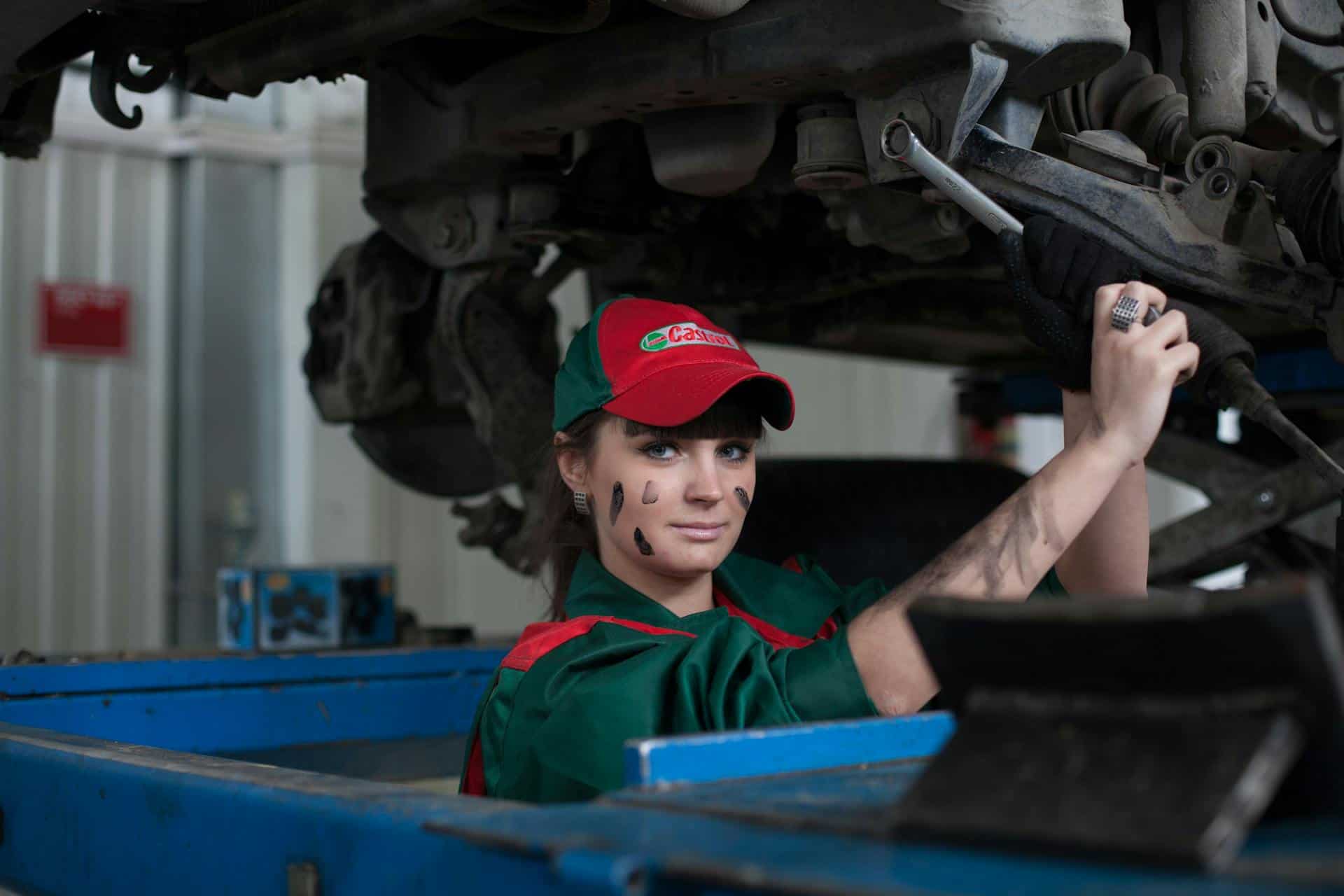
Unions used to offer some job security since they’d fight for workers’ rights. Sadly, union restrictions have meant fewer people joined up, especially in industries like auto manufacturing—so there’s less protection from sudden layoffs or cuts. But that’s not all, as automation has started taking on more of the work. Without a strong union presence, workers have fewer tools to negotiate so it’s a lot harder to fight for their jobs & fair treatment.
The Shift to Contract Work in IT
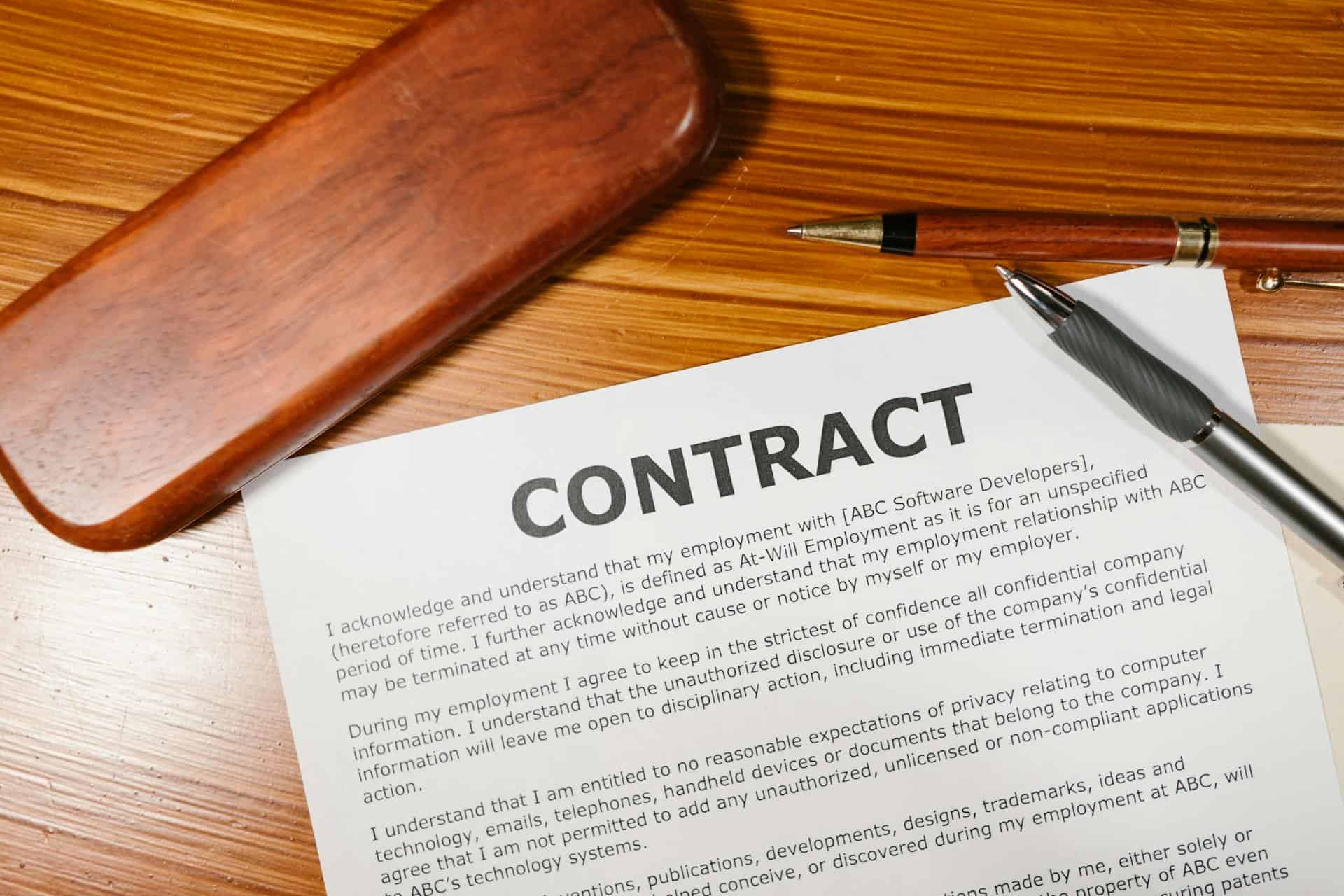
In IT, more companies are hiring for specific projects instead of keeping a full roster of staff. For example, you get a great gig working on an app—once it’s done, so is your job. This project-based approach means you’re always on the lookout for the next project. You’ll also need to fend for yourself with insurance, retirement savings—and more.
Increased Qualification Requirements in Academia

If you thought having a PhD meant job security, think again. Academia is overflowing with qualified people yet there aren’t enough tenure-track positions to go around. As such, many incredibly smart people are stuck in temporary or part-time roles—that’s hardly what they signed up for. Even if you get a position, the pressure to publish & make a name for yourself is way too intense.
Shifts in Consumer Preferences Impacting Fast Food Jobs

Even fast food isn’t immune to change. McDonald’s, for example, has brought in more self-service kiosks because customers are demanding more convenience. Unfortunately, it means there’s one less person behind the counter—who knows when they’ll start replacing the cooks with robots, too?
Disclaimer: This list is solely the author’s opinion based on research and publicly available information.
Like our content? Be sure to follow us.
Read More: