

For empty nesters, downsizing is a logical option but many Baby Boomers resist this trend. Many Baby Boomers continue to keep their large family homes because they have compelling reasons to do so. Whether it’s emotional attachment, financial logic, or just plain comfort, Boomers aren’t in a rush to trade their space for something smaller. Here’s why many people are rejecting the downsizing trend with a firm “thanks, but no thanks” response.
Featured Image Credit: Feverpitch /Depositphotos.com.
They Finally Got Their Dream Home
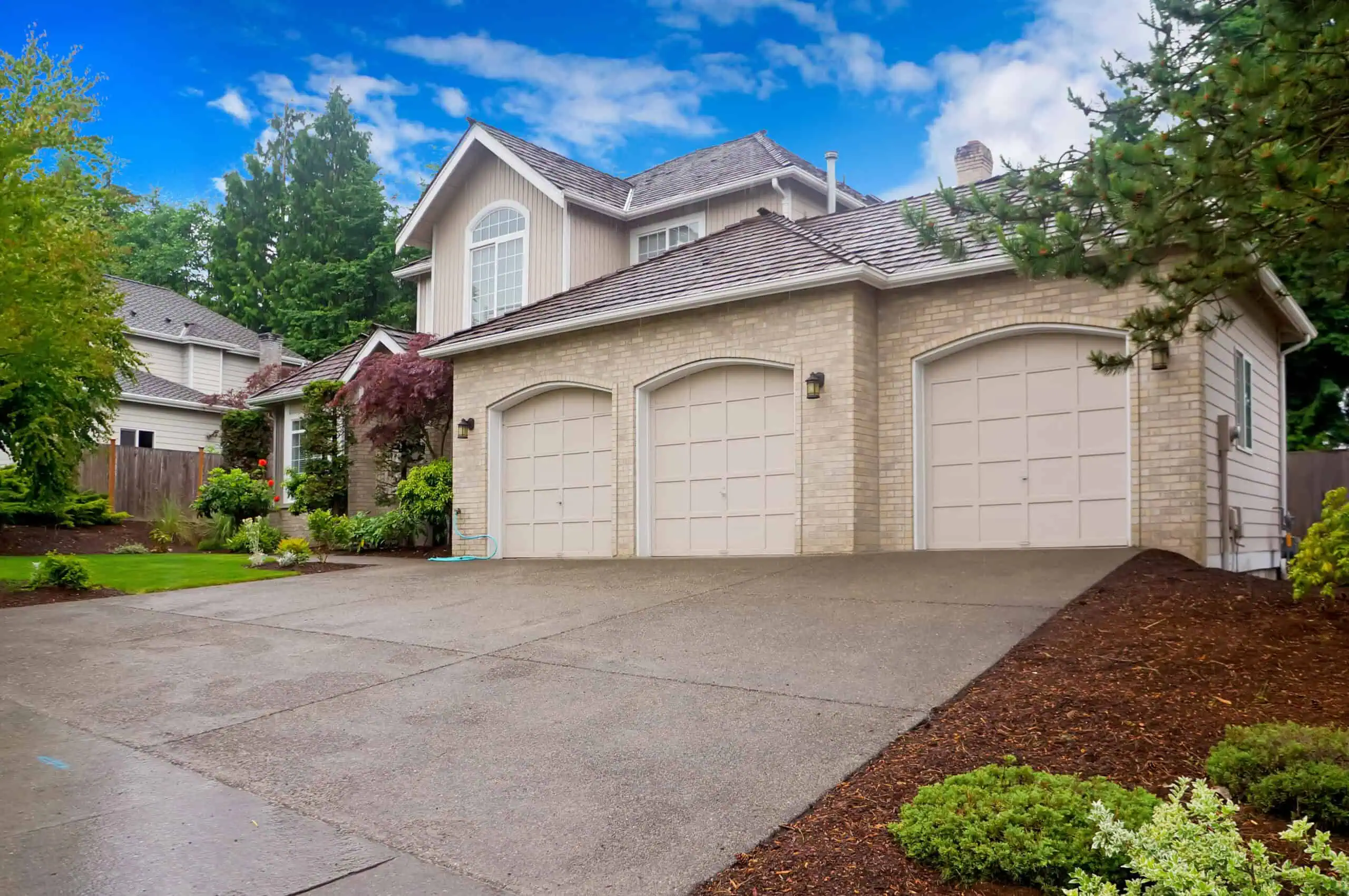
Boomers dedicated decades to hard work – saving money, making sacrifices & prioritizing their family’s needs. With their children grown up, they now take pleasure in the home they worked so hard to perfect. Downsizing makes Boomers feel like they are abandoning their hard-earned achievements. That wraparound porch, spacious kitchen or backyard garden are not just extra space—they are symbols of their hard work and accomplishments.
They Want Space for Family Visits

Many Boomers are all about family. They hope to welcome their children and grandchildren for extended visits where they can feel comfortable and settled. A small apartment or condo won’t provide enough space for bunk beds or playrooms and accommodating big holiday gatherings. Keeping the family home means keeping the family gatherings alive and well.
Moving Is a Major Hassle

Let’s not sugarcoat it—moving is stressful at any age. But when you’ve lived in one house for 20, 30, or even 40 years, packing everything up is more than a chore—it’s overwhelming. Sorting through a lifetime of memories, selling furniture, changing addresses—it’s emotionally and physically exhausting.
They Don’t Want to Start Over

Boomers often have strong ties with their local communities. They know their neighbors, shop at familiar grocery stores and follow enjoyable daily routines. When you downsize, you move to new surroundings, which brings new people, new doctors, unfamiliar stores and a changed lifestyle rhythm. Not everyone is up for that.
They’re Using the Extra Space for New Purposes

Just because the kids have moved out doesn’t mean those bedrooms are sitting empty. Boomers are turning those spaces into home offices, hobby rooms, yoga studios, guest rooms, or even Airbnb rentals. Downsizing would mean losing the flexibility to use their home the way they want.
They’re Not Ready to “Feel Old”

People usually connect downsizing with retirement, slowing down or preparing for assisted living. Most Baby Boomers do not consider themselves old. They maintain active lifestyles, travel, enroll in classes and start new professional paths. For some people, downsizing means moving into smaller residences, which they see as a premature acceptance of an “old” label they don’t identify with.
They’ve Already Paid It Off

The majority of Boomers bought their homes decades ago and fully paid off their mortgages long ago. That means they’re living with minimal expenses and have a valuable asset under their name. Selling their home means facing monthly rent or mortgage payments again—not a smart financial move when you’re enjoying low living costs.
They Love Their Neighborhood
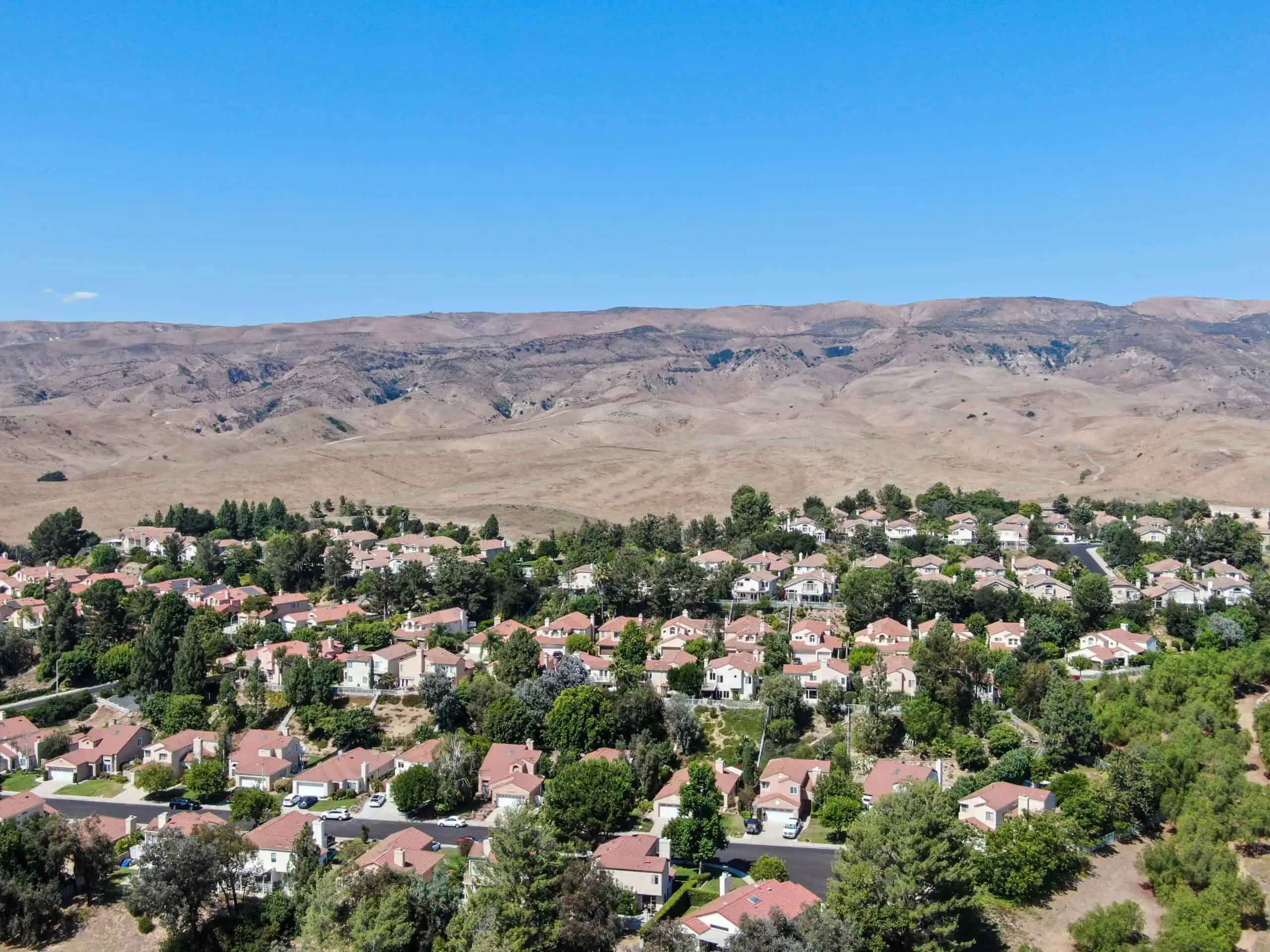
After years of living in the same place, Boomers often have deep emotional roots. They know the best local diner, wave at their mail carrier, and have neighbors who feel like family. Uprooting all of that for a downsized lifestyle somewhere else just doesn’t appeal—comfort and community outweigh convenience.
They’re Waiting for a Better Market

Boomers are financially savvy. Some are watching the real estate market closely and don’t want to sell when prices are down or competition is high. They know patience can mean a bigger payoff later—and they’re willing to wait it out.
They’ve Got No Urgent Reason to Move

Most Boomers see no reason to take action unless they face health problems, maintenance challenges or financial pressures. Their home feels safe, familiar and can support their current way of living. So why rush to downsize?
Disclaimer: This list is solely the author’s opinion based on research and publicly available information.
Like our content? Be sure to follow us on MSN.


