
Walking into a store for one thing & leaving with just that single item feels practically impossible. But it’s not entirely your fault! Stores have a bag of tricks they use to nudge us into spending more than we planned. Here are fifteen of these clever tactics and how they manipulate us into buying more.
Featured Image Credit: deagreez1 /Depositphotos.com.
A Trek to the Back

Most of the time, you have to walk a mini-marathon to grab a gallon of milk or a dozen eggs—that’s no accident. Stores place these everyday essentials at the back so we have to pass by loads of other temptations. After all, the more stuff we see, the more we’re likely to toss into our carts. Perhaps we should wear a blindfold next time.
Seeing Red (And Other Colors)

Colors have a way of playing with our emotions & stores use this to their advantage. Red signals sales & deals that grab our attention so we feel compelled to buy things now. However, cooler colors like blue make the shopping environment calmer so we’ll feel relaxed enough to buy more things.
Like our content? Be sure to follow us.
The Deal That Wasn’t

Sale signs are magnets for customers. Even if the discount isn’t that great, just seeing the word “sale” can make us feel like we’re getting a bargain. And then there’s price anchoring—seeing the original price next to the sale price. This makes us think we’re saving a lot of money although we might not actually be.
Just Under
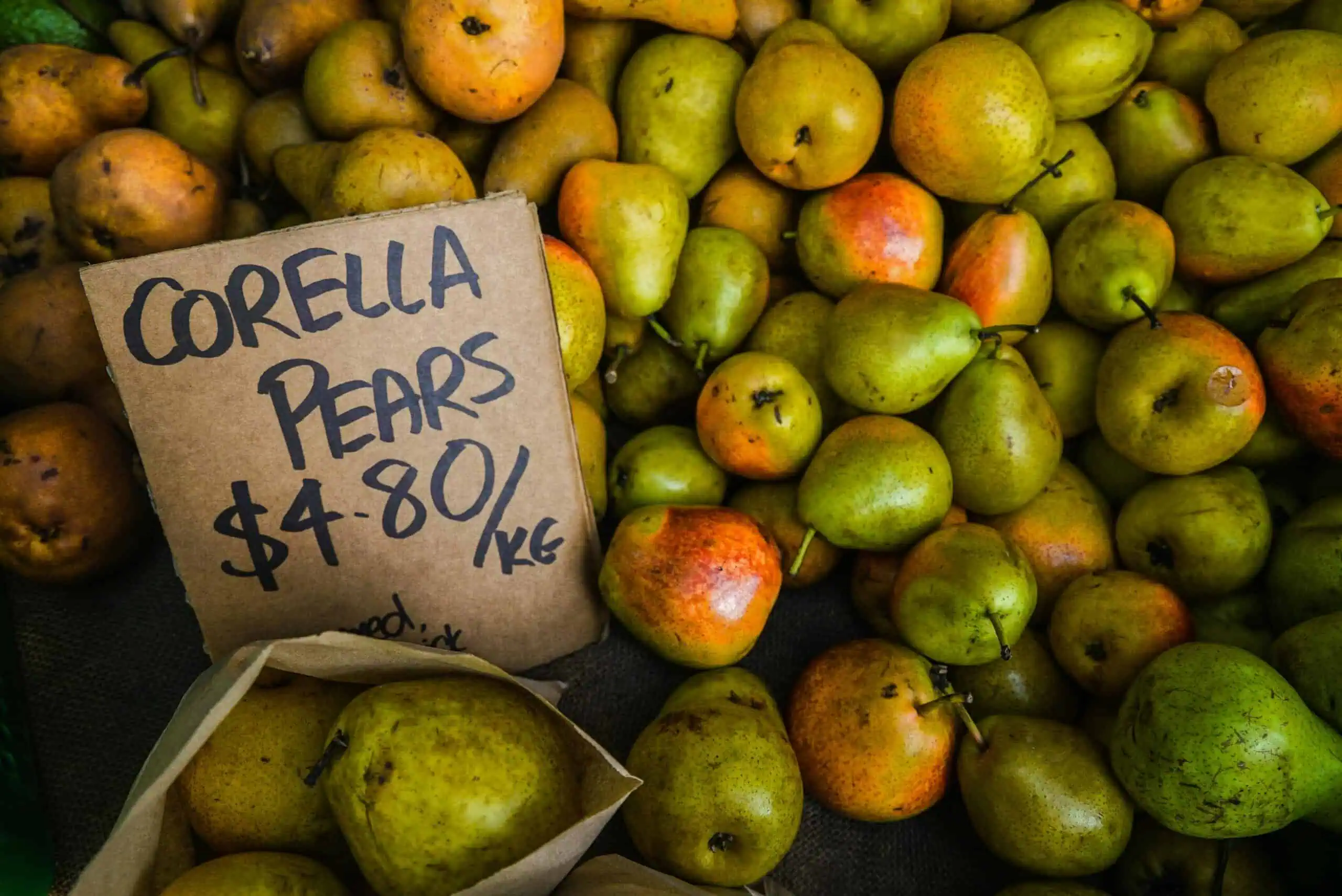
You may have noticed that many stores have prices like $9.99 instead of $10—that’s psychological pricing at work. It makes us think we’re spending less even though it’s just a penny’s difference. After all, a new TV for $400 sounds expensive. But one for $399 sounds like a bargain!
The Comfy Chair Effect

Lots of stores have comfy chairs that you probably think are there for your friend who’s tired of shopping but there’s more to it. In fact, these seats encourage your companion to sit down & relax while you keep shopping. This keeps you in the store for longer and increases the chances that you’ll spend more money.
Mirrors Everywhere

Mirrors help you check out how fabulous you look in that new outfit and they also make spaces feel larger & more inviting. As such, you feel compelled to hang around a bit longer. Seeing yourself in the clothes you’re trying on creates a personal connection that makes you more likely to buy.
The Touch and Feel Factor

Stores that encourage you to touch and feel the merchandise are onto something. Once you pick up an item, you’re more likely to buy it because you begin feeling a sense of ownership. Nobody wants to put back something they already “own” and stores know this well. Keep your hands off if you don’t want to buy!
The Right Angle
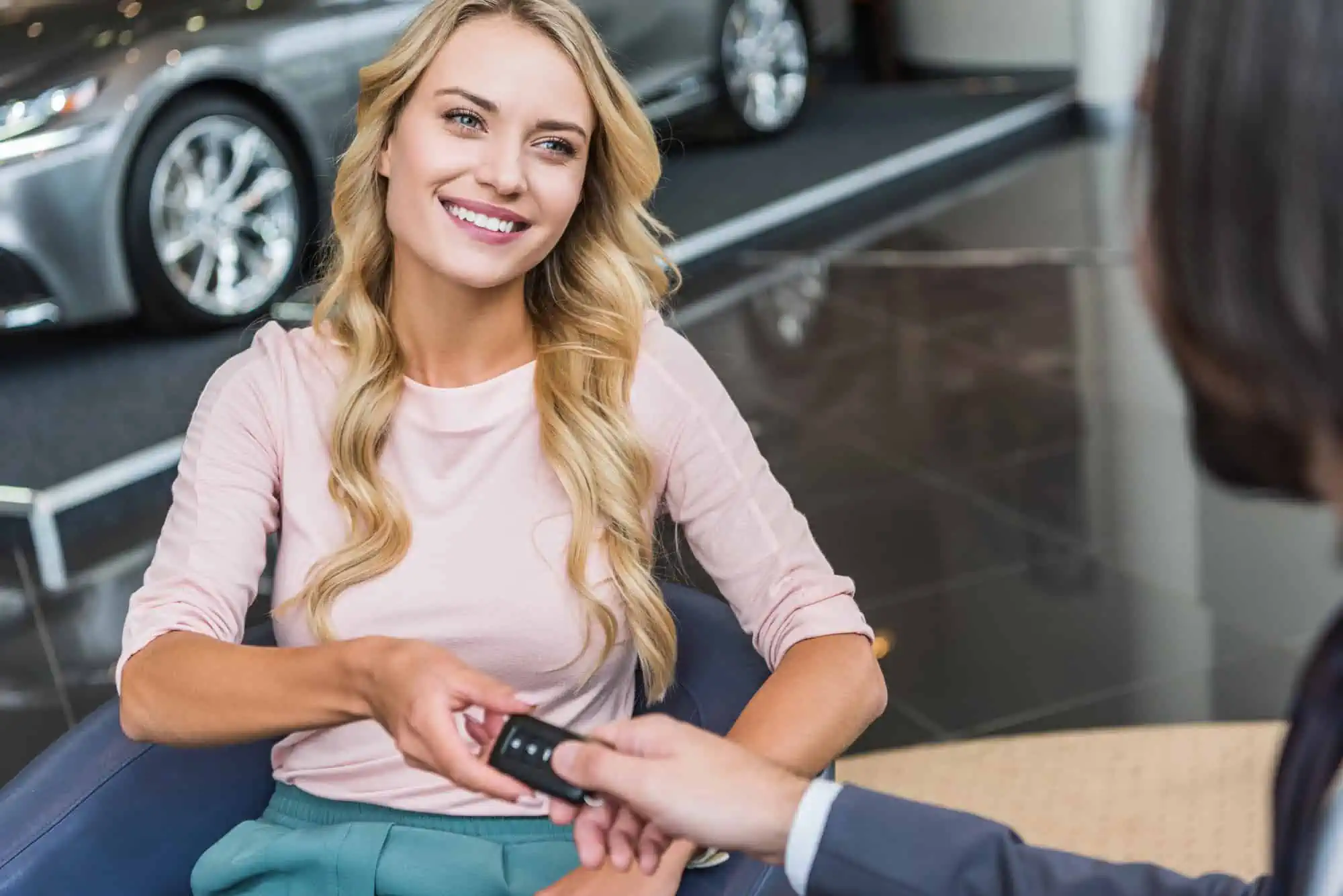
Stores are extremely careful with how they layout their stores, including the angles at which they present their products. After all, the right angle makes things easier to see & more attractive so you’re more likely to buy them. For example, car dealerships position cars at a perfect slant that makes you see the product in its best light—literally.
Checkout Chatter
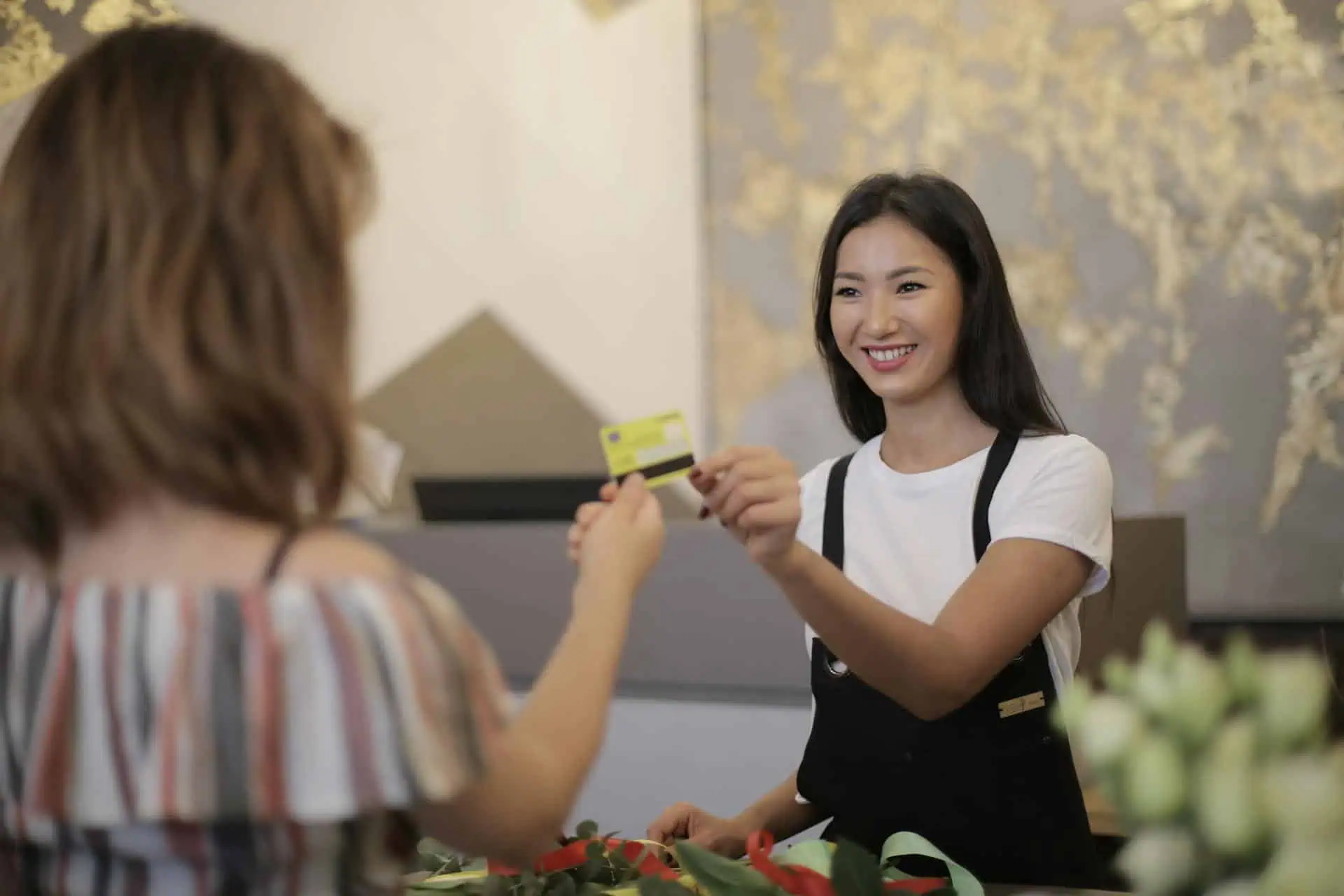
You’re not even safe at the checkout! Many cashiers will comment on your choices with statements like, “Oh, these are so cute!” or “Great choice, these are super popular!” Beyond idle chatter, they’re reinforcing your decision to buy to make you feel good about your purchase. You’ll probably come back for that warm feeling again.
Shopping Baskets and Carts

Whenever you walk into a store and the staff gives you a shopping basket or cart, it’s not merely them being hospitable. No, having a basket or cart encourages you to pick up more items as you shop. It’s a lot easier to keep adding to a basket or cart than to juggle items in your arms. Who would’ve thought kindness could be so manipulative?
Grouping Products

Stores often group related products in a way that suggests they go well together and this makes you want to buy the whole set. For example, you’ll probably notice that they have a really nice candle next to a matching diffuser & room spray. And the next thing you know, you’re buying all three!
The Endcap Showcase
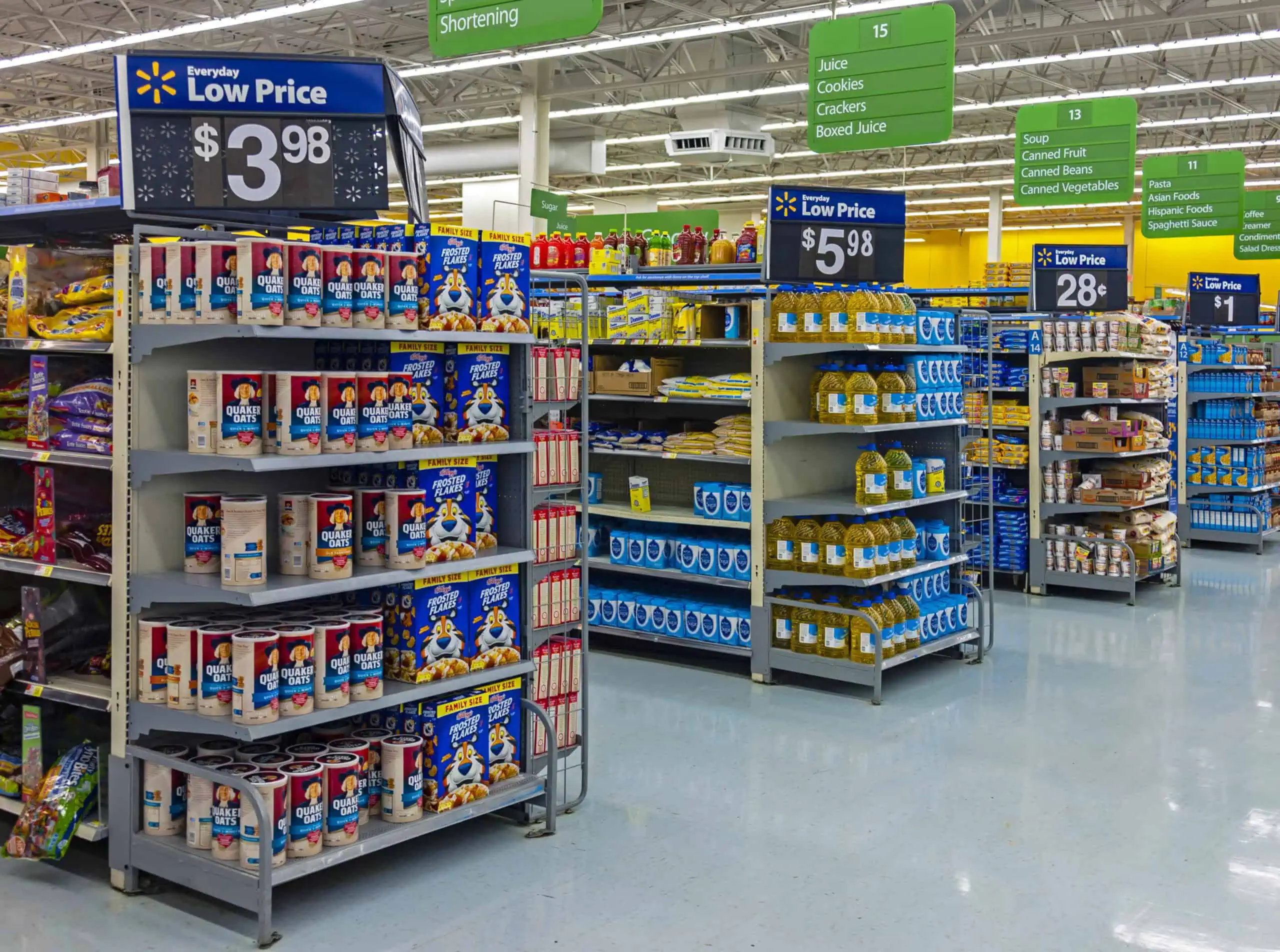
Those displays at the end of aisles are called “endcaps” and they’re prime real estate in the retail world. Stores will stock them with sale items or seasonal goods that catch your eye as you turn the corner. It’s quite difficult to resist these temptations—and especially when they’re items you wouldn’t have looked for on your own.
The Price Cut Illusion

Don’t be fooled by any price reductions you see on the tag, even if they make you feel like you’re getting a steal. Stores sometimes mark prices up simply to slash them down to the original price because they’re trying to create the illusion of a sale. Essentially, they’re making us feel like we’re saving money—though we’re really not.
The Endless Aisle

Online retailers use what’s called the “endless aisle” strategy to overwhelm us with choices. The theory is that the more options we have, the more we browse & the higher the chances we’ll find something we “just can’t live without.” Think of it like being a kid in a candy store, except this candy store stretches as far as the eye can see (or at least as long as you can scroll).
The Personalization Game

Thanks to modern technology, stores can now tailor their advertisements & product suggestions directly to you. Retailers use your browsing and purchase history to make educated guesses about what you might like to buy next. Eventually, it becomes a lot harder to resist clicking “Add to Cart.” These items feel handpicked for you!
Disclaimer: This list is solely the author’s opinion based on research and publicly available information.
Like our content? Be sure to follow us.
Read More: