
While a lot of our food might taste like freedom, most of the time, the joke’s on us. A lot of the food we claim as our own was actually borrowed or tweaked from somewhere else entirely, although that’s not necessarily a bad thing. It’s just interesting how some of the most “American” foods out there are actually from halfway across the globe. Here are fifteen popular American dishes with foreign origins. What food have you been eating your whole life without realizing it came from another country?
Featured Image Credit: Shutterstock.
Hot dogs

Hot dogs may be a typical American baseball snack, but this whole thing started with German sausages called frankfurters & wieners. This was long before anyone added relish or ketchup. German immigrants sold them on NYC street carts way back in the 1800s, with some being wrapped in wax paper, and others being ones you held with your bare hands. The bun idea likely came from a vendor who wanted to keep customers from burning their fingers.
Macaroni and cheese

Long before it became a boxed dinner, mac and cheese had a fancier life in Italy, and it was loaded with cheese. Thomas Jefferson tried it in Europe and became hooked on it, then decided to bring it home. He even had a pasta machine shipped from Italy so his cooks could recreate the dish, and by the 1800s, people served it at fancy dinners. It eventually made its way into church cookbooks and school cafeterias across the country.
Chicken fried steak

Austrian immigrants brought over their breaded meat recipes, although they used veal instead of beef. In Texas, people swapped the veal for cheap beef and smothered it all with white pepper gravy, which became chicken fried steak. They’d pound the earliest versions thin with whatever tool was lying around, then deep-fry them. To nobody’s surprise, the dish caught on fast in roadside diners and is still a regular on Southern menus.
Pastrami on rye

The real story of pastrami starts with Romanian Jewish immigrants who knew how to cure meat like no other people. “Pastramă” was the original term, and beef was their meat of choice in New York, which they stack on rye with mustard. Soon enough, a deli icon was born. Katz’s Deli in NYC helped make it famous, but it had already been part of the Lower East Side food scene for decades. It wasn’t long before people across the country fell in love with this dish.
Fried chicken
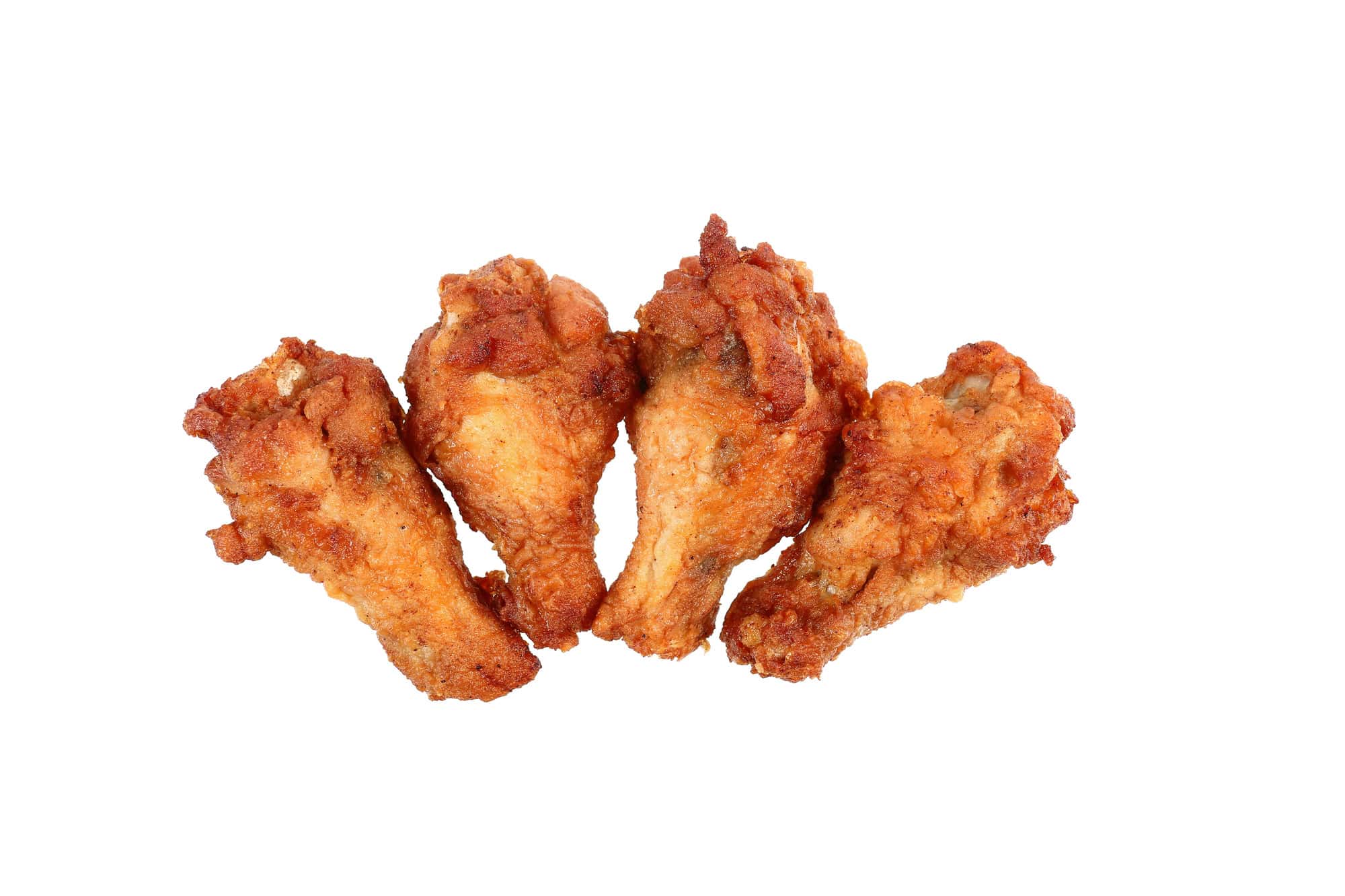
It might surprise you to know that fried chicken actually came from two different countries. Scottish people brought the frying part, while African cooks added seasonings and their own technique. The original Scottish version wasn’t all that heavily seasoned, and the dish used to be a common Sunday meal that people made in cast-iron skillets. It took fast food chains making fried chicken for it to become a national craving.
Key lime pie

Key lime pie wouldn’t exist without canned milk, as British sailors needed a shelf-stable way to get their dairy fix on long trips. With the invention of condensed milk, settlers in Florida began using it and added tart limes & crushed crackers to the dessert. The pie came together in a hot kitchen, without a fridge, and early recipes didn’t even call for baking. It was just mixing and chilling. Key limes were smaller and more acidic than Persian limes, giving the pie that punchy flavor.
Banana cream pie

Here’s another dessert that comes from Britain. Cream pies existed long before bananas were even a thing that Americans could easily get. Once they started coming in via Central and South America, people just added them into what they already knew, like cream pies. The crust changed depending on the region, with some places using graham crackers and others going for traditional pastry dough. In the 1940s, people started topping it with canned whipped cream.
Biscuits and gravy

Biscuits and gravy might be a popular Southern food, but they also came from the British. Just take British scones, make them fluffier, and then drown them in sausage gravy to make the first biscuits and gravy. The gravy was just a practical way to use pork drippings, and farmers needed something filling in the morning, so they made this cheap & easy combination. Over time, the gravy got thicker, and people started adding black pepper and crumbled sausage.
Jambalaya

If you’ve ever had paella, then jambalaya might feel familiar, which makes sense because the jambalaya came from Spanish colonists trying to recreate their rice dishes in Louisiana. However, the ingredients were different. Once you add in some spices and cooking techniques from West Africa, you get this delicious dish that’s now 100% Louisiana. The Creole version includes tomatoes, while the Cajun version leaves them out, but both versions use what was cheap and easy to find.
Meatloaf

These days, meatloaf is a common weeknight dinner, but it was actually already a thing in Europe before it made its way over here. German and Scandinavian people made it with ground meat and bread, as well as onions. When they moved to the U.S., they adapted the recipe to include ketchup on top, and during the Great Depression, it became a particularly popular choice. The dish stretched cheap ingredients, after all.
Bagels
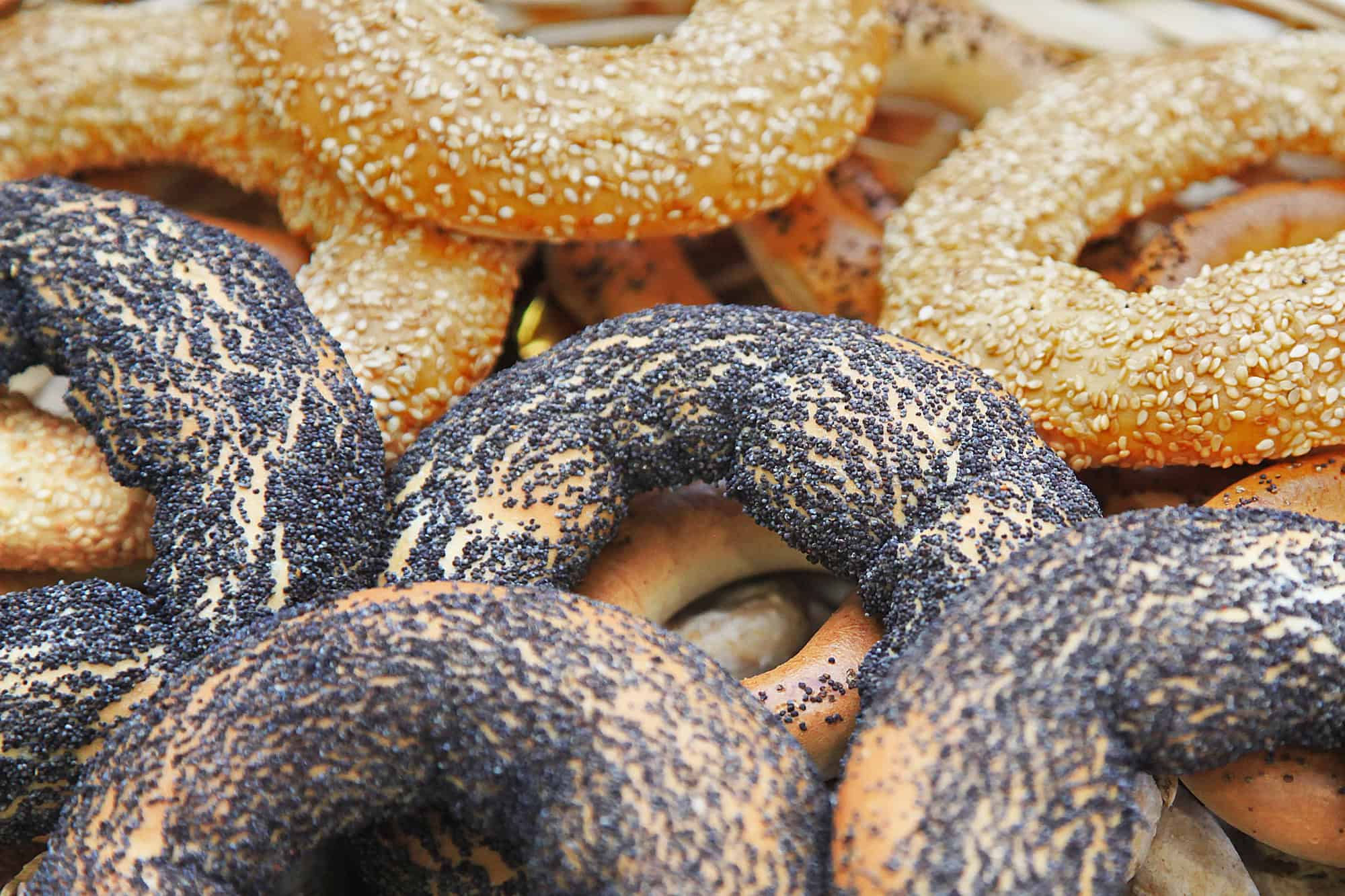
Bagels came from Polish Jewish communities who knew exactly how to get that perfect chewy texture by first boiling, then baking the bread. When immigrants brought them to New York, bagel shops popped up, and they were first mostly sold in Jewish neighborhoods before they eventually included cream cheese. However, by the mid-20th century, companies started selling them frozen and packaged, with toppings like sesame coming much later.
Philly cheesesteak

When Pat and Harry Olivieri put beef on a roll in 1930s Philly, they didn’t pull the idea out of nowhere, as they were surrounded by Italian immigrants who’d already been doing it for years. They had come up with the idea of pan-frying thin cuts of beef, and the shaved steak style was entirely inspired by southern Italian dishes. The Olivieris first sold the sandwich at a hot dog stand, and the story goes that cab drivers kept asking for it. They even added Cheese Whiz in the 1950s.
New England clam chowder

Ironically, New England Clam Chowder comes from the Acadians, who were French settlers who later became known as Cajuns. They liked to make creamy seafood stews, and when they were pushed south from Nova Scotia, they swapped fish for clams. Then, they kept doing what they knew, which was making thick, hearty soups with potatoes and cream, along with whatever seafood was around. Sometimes, they’d crumble in hardtack or crackers to thicken it more.
Shrimp and grits

Technically, grits are American since they came from Native American communities grinding corn into porridge. However, shrimp cooked in spicy fat came from West African cooks who were brought over during slavery. Those two ingredients stuck around the South and eventually landed on the same plate. It was originally more of a fisherman’s breakfast because it was easy to cook with whatever people caught that morning.
Salisbury steak

Frikadellen existed in Germany as seasoned ground meat patties, pan-fried and served with gravy, which German immigrants brought to the U.S. Later, a doctor named J.H. Salisbury gave them a new name and pushed them as part of a meat-heavy diet. The U.S. version included more sauce, and it was marketed as a healthier choice in the early 1900s, especially compared to processed meats.
Which of these foods surprised you the most?
Disclaimer: This list is solely the author’s opinion based on research and publicly available information.
Like our content? Be sure to follow us.
