
People say English borrows from other languages, but that’s being generous. English practically steals from them. It takes words, changes them a little, then acts like these same words were always part of the family, even though they weren’t. Some of these borrowed phrases actually stuck around long enough to sound totally normal, especially in American English. Here are ten American phrases that we actually got from immigrant languages.
How many of these did you know about?
Featured Image Credit: Shutterstock.
Schmear
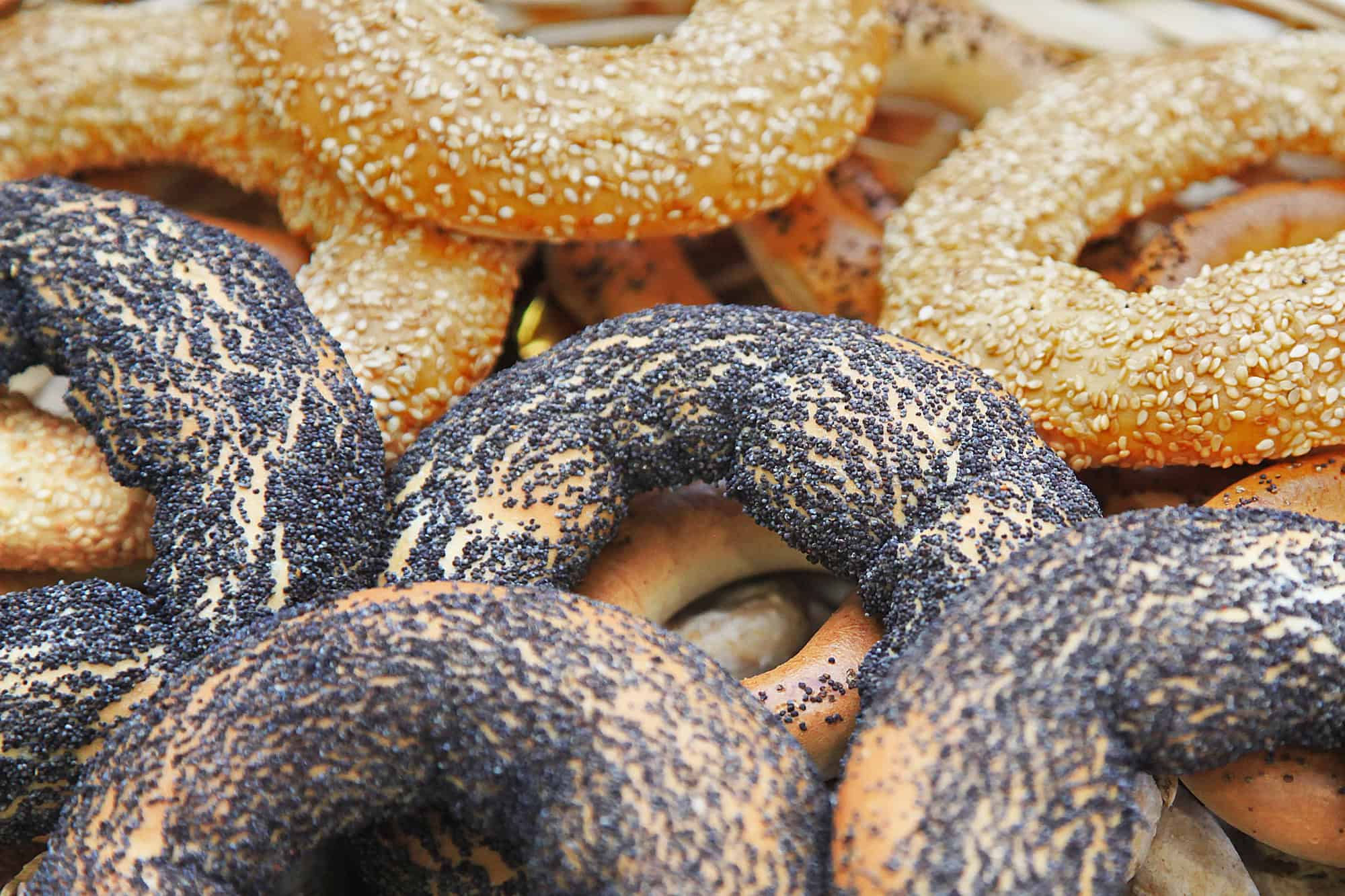
It’s no secret that we Americans love our bagels, and if you’ve ever been in a bagel shop and ordered “a schmear,” that means you’ve been speaking Yiddish. Jewish immigrants brought over this little word that essentially means “a spread,” and in all honesty, nothing sounds better than a toasted bagel with a good schmear of cream cheese. You’ll hear it the most in places with a big deli culture like New York, and the phrase isn’t limited to cream cheese either. People use it for butter or whatever else they’re spreading.
Lox
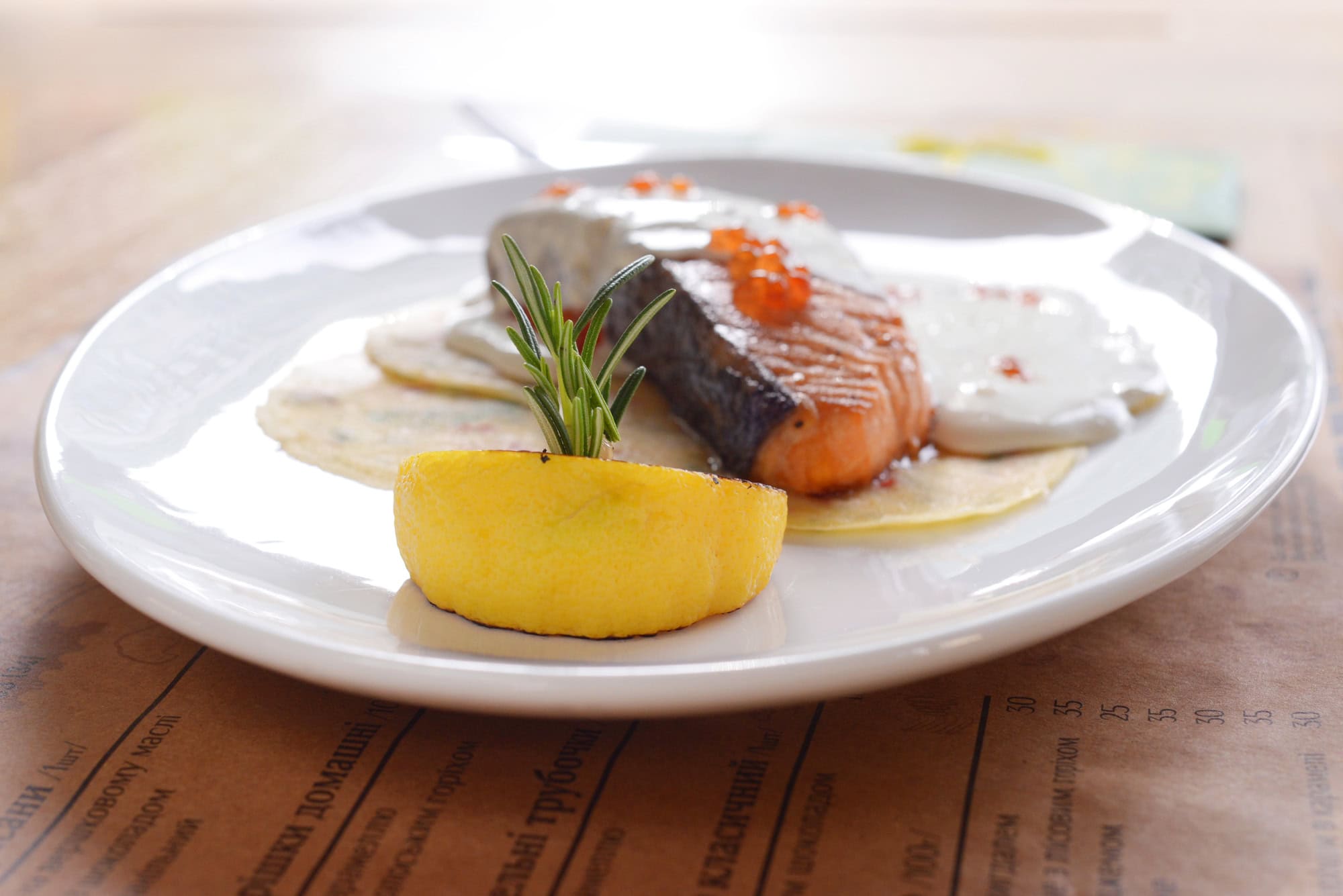
Despite what you might think, lox isn’t just fancy fish, but rather, a word with some interesting immigrant origins. “Lox” came through Yiddish from the Germanic lachs, which means salmon, and Jewish communities in New York helped turn it into a popular Sunday brunch dish. Simply add a schmear and toss on some capers to have a multilingual breakfast. Traditionally, people made lox by curing salmon, although the version most people eat now is smoked salmon.
Tycoon

Back in the mid-1800s, American diplomats visiting Japan picked up the word “taikun,” which meant something like “great lord,” and they thought it sounded cool, so they brought it back. Eventually, the word transformed into “tycoon,” and we use it to describe rich business guys instead of shoguns. People even called Abraham Lincoln “the Tycoon,” and the word became a regular part of business language by the late 1800s, with people using it to talk about tech billionaires and anyone with a private jet & a boardroom.
Okay (OK)

Nobody agrees 100% on where “OK” came from, but one possible root goes way back to West African languages. Words like waw kay in Wolof (the language spoken in Senegal) sound quite close and mean “yes” or “definitely,” so it could’ve made its way into English through slaves. Now, we use it every five minutes. Other theories point to it being a jokey abbreviation of “oll korrect,” a misspelling of “all correct” from the 1800s, but no matter which story you buy, it’s A-OK.
Bistro

While French immigrants brought over the idea of small cafés to America, the name “bistro” likely came from Russian soldiers shouting “bystro,” meaning “quick,” when they wanted fast service in Paris. Later, Americans took the word and made it a cozy place to eat, with no rushing required. Bistros became popular in America in the early 1900s, especially in cities with lots of French influence like New Orleans, and today, you’ll see it used for all kinds of restaurants.
Ketchup
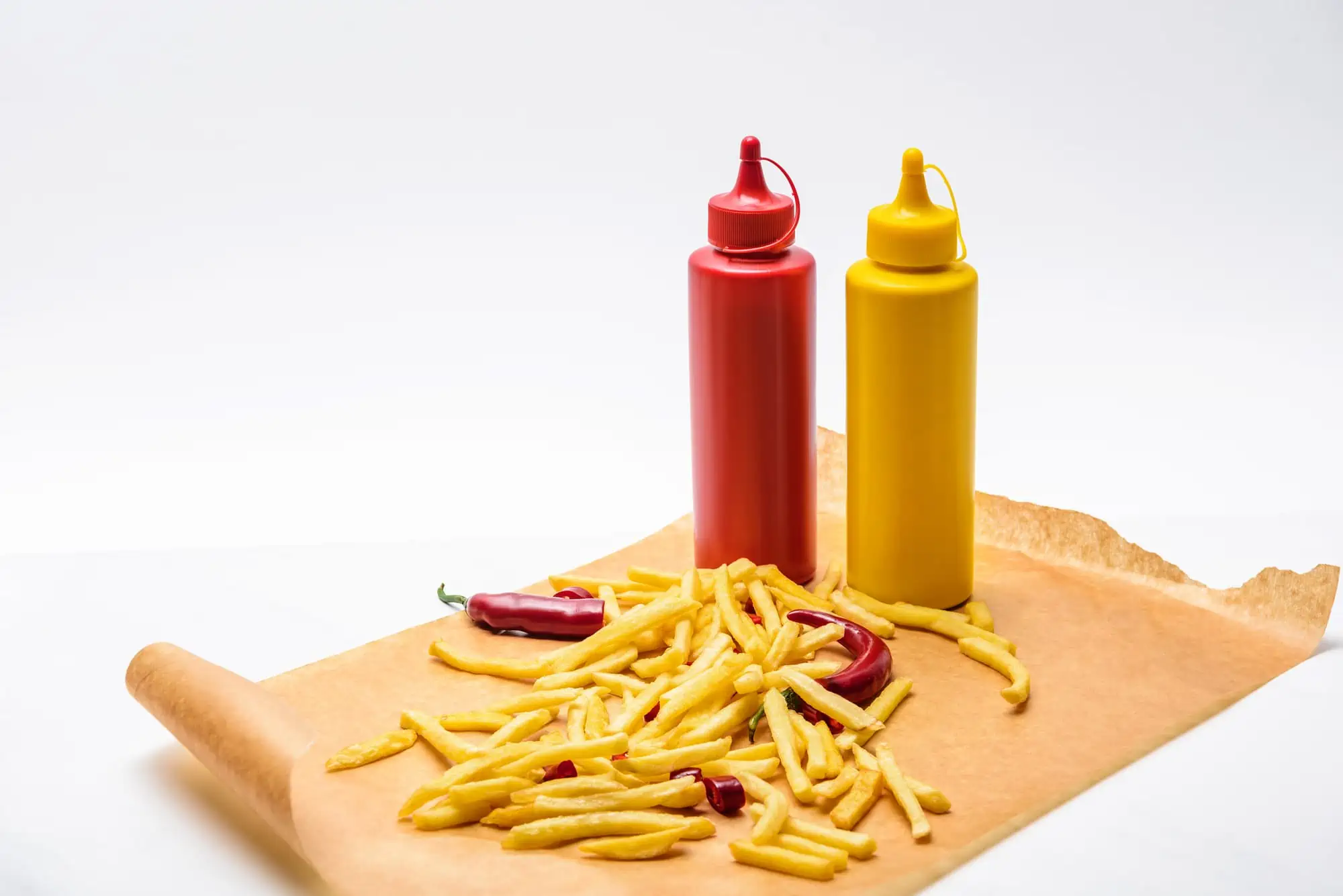
You probably thought ketchup was entirely American, but it actually comes from a fish sauce called kê-tsiap from southern China. Traders brought it west, and the recipe changed to involve tomatoes, becoming the dip that we all love. The early versions were more like soy sauce. British cooks added mushrooms or walnuts before Americans made it red and sweet, and Heinz popularized the version we know today in the 1870s.
Moolah

Money slang always has interesting origins, and it’s likely “moolah” made its way to Louisiana, then the rest of America, through French-speaking communities. In French, “le moulin” means “mill,” which is where people used to get paid, and it’s one of those words that sounds like cash even if nobody agrees where it’s from. The word appeared in print in the early 20th century, mostly in jazz circles & movies, becoming one of those words that never really left.
Skookum

“Skookum” is a fun word to say, and it comes from Chinook jargon, which is a mix of Indigenous and European languages used in the Pacific Northwest. Essentially, it means strong or solid, and people still use it out in Washington & Oregon to describe something that’s built well or just generally great. The word has been around since at least the 1800s, particularly in logging towns and trade routes. These days, you’ll see it on product names and small-town slogans.
Hunky-dory

“Hunky-dory” does sound kinda silly, but it has an interesting backstory. Sailors visiting Japan heard the phrase “honcho-dori,” which was apparently a lively street in Yokohama, and somewhere along the way, it turned into “hunky-dory.” Sailors brought it back to the U.S. to become slang for “all good,” and the phrase caught on in the 1860s. It sounds a little dated now, but it’s still a common word.
Cookie
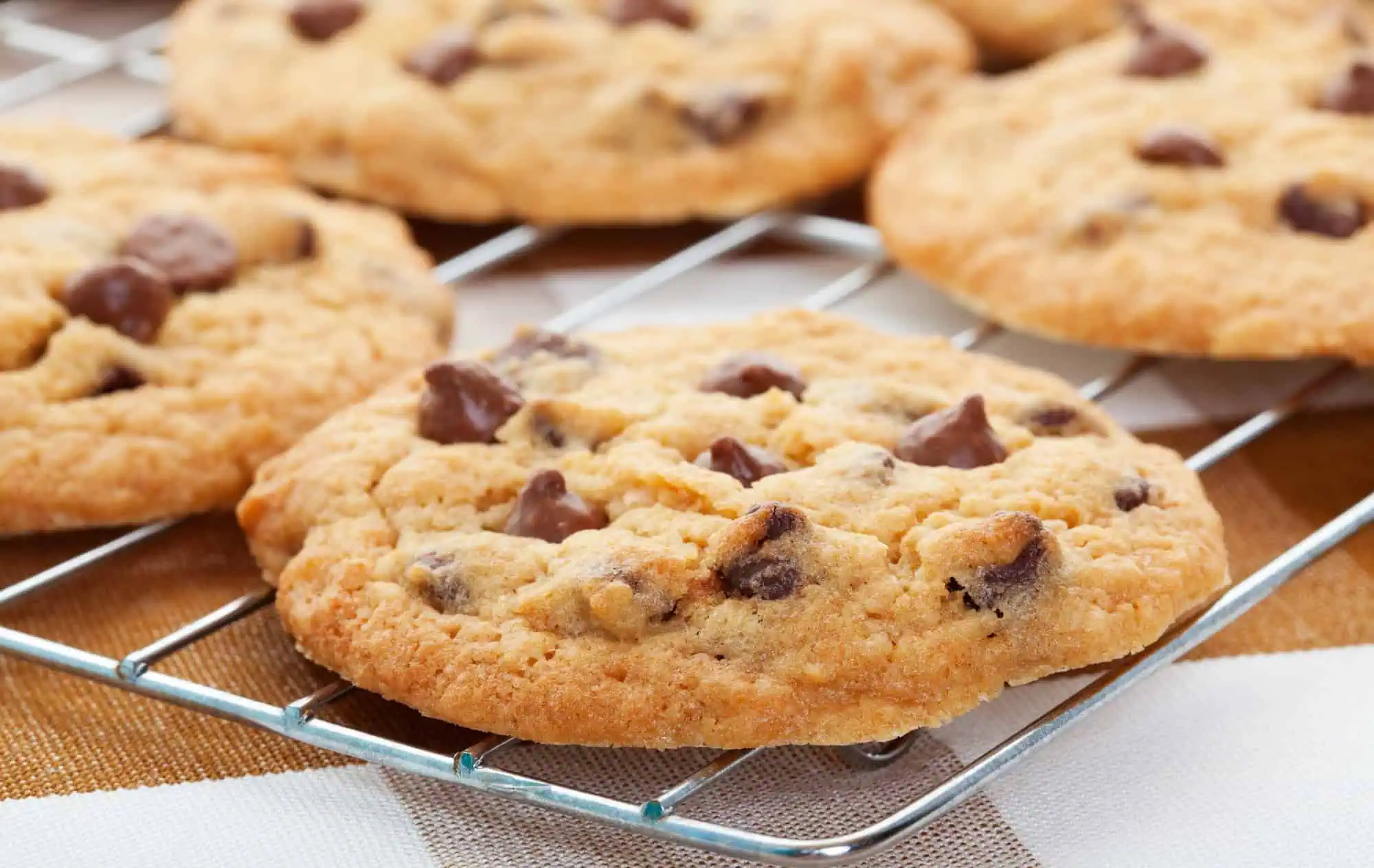
Before we had chocolate chips, Dutch settlers in New Amsterdam (the original name for New York) called their little cakes “koekjes.” Over time, that became “cookies,” and it just stuck around, although not in England. They still say “biscuits.” The Dutch brought more than the word, though, as they brought the baking traditions too, and by the 1700s, cookies were a regular part of colonial American desserts.
Which word surprised you the most? Tell us in the comments.
Disclaimer: This list is solely the author’s opinion based on research and publicly available information.
Like our content? Be sure to follow us.
