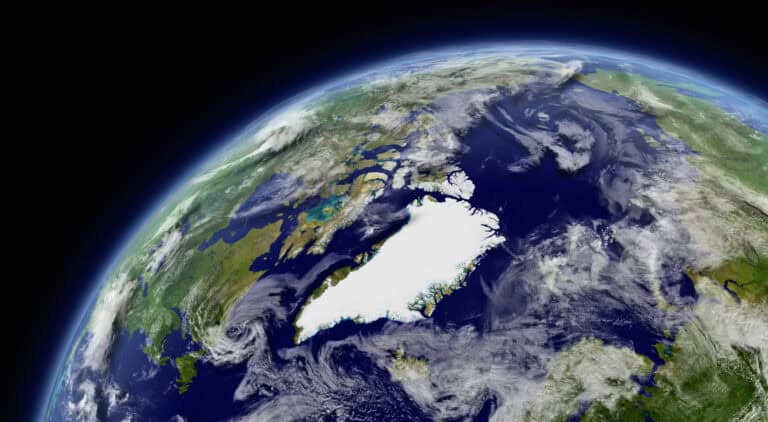

Even with all our high-tech gadgets & detailed maps, some places on Earth are still a mystery. There are hidden valleys in far-off mountains & ocean trenches deeper than we can imagine—all waiting to be discovered! So, here are twelve places that are still largely unexplored. Each one has its own secrets and stories we haven’t uncovered yet. Really, it’s rather amazing that in today’s world, mysteries still exist.
Featured Image Credit: tom.griger /Depositphotos.com.
Mariana Trench, Pacific Ocean

The Mariana Trench is the deepest spot in the world’s oceans and it goes down nearly 36,000 feet—no wonder it’s mostly unexplored! The crushing pressure down there is over 1,000 times what we feel at sea level & it’s pitch black. Only a few missions have reached the bottom, called Challenger Deep. As such, we still don’t know much about the strange creatures that might live in those extreme depths.
Gangkhar Puensum, Bhutan

Standing at 24,836 feet, Gangkhar Puensum in Bhutan is the world’s highest mountain that has never been climbed. The reason for that? Climbing mountains over 6,000 meters has been banned in Bhutan since 1994 to respect local spiritual beliefs. The fact that it’s in such a remote place & that the weather is so harsh doesn’t help either!
Like our content? Be sure to follow us.
Vale do Javari, Brazil

The Vale do Javari is one of Brazil’s largest indigenous territories and it covers an area about the size of Austria. It’s home to the highest number of uncontacted tribes in the world—we know there are at least 14 isolated groups. Like Gangkhar Puensum, laws prevent people from entering. But we can’t help but wonder what secrets the rainforest holds there!
Northern Forest Complex, Myanmar

The Northern Forest Complex in Myanmar is a massive area of tropical forest spanning over 12,000 square miles and it’s one of the largest intact forests in Southeast Asia. But due to the challenging geography of the place and political instability, scientists have had to stay away. They believe there could be species living there that we’ve never seen before.
Sakha Republic’s Permafrost, Russia

If you’re looking for somewhere cold, the Sakha Republic is exactly that—temperatures often below minus 70 degrees Fahrenheit (-60C) in winter and the sheer remoteness makes exploration tough. As a result, it’s sparsely populated by small communities. Some researchers believe it could hold preserved remains of woolly mammoths & other prehistoric animals.
Star Mountains, Papua New Guinea

Over in the western part of Papua New Guinea are the Star Mountains near the border with Indonesia. It has peaks reaching over 13,000 feet! The area lacks roads & infrastructure so it’s rather hard to access, while the local communities are among the most isolated in the world. What could be there?
Greenland Ice Sheet, Greenland

The Greenland Ice Sheet covers about 80% of Greenland and spans over 660,000 square miles. It’s the second-largest ice mass after Antarctica. Beneath this thick ice (which is up to 10,000 feet deep in places) are places that haven’t seen daylight for over 100,000 years. Just imagine what secrets could be lying under the ice!
Tsingy de Bemaraha National Park, Madagascar

Tsingy de Bemaraha National Park in Madagascar is famous for its razor-sharp limestone formations called “tsingy,” which means “where one cannot walk barefoot.” Some of the peaks are over 300 feet high! Such unique terrain has isolated plant & animal species so there are several species here that scientists believe don’t exist elsewhere.
Mount Namuli, Mozambique

Standing at about 7,936 feet, Mount Namuli is Mozambique’s second-highest peak and it’s in the Zambezia Province. Its incredible height means that the mountain is full of biodiversity & unique plants, insects and birds. There have been some scientific expeditions recently, like the one in 2014 by the Legado Initiative. However, much of the mountain hasn’t been explored yet.
Kamchatka Peninsula, Russia

In Russia’s Far East, you’ll find the Kamchatka Peninsula, which juts into the Pacific Ocean and covers an area of over 100,000 square miles. It has become famous for the number of active volcanoes here—over 160—and geysers. In fact, the area is so remote that it’s only accessible by plane or boat! With such a sparse population, much of it is pristine wilderness that’s entirely undiscovered.
Movile Cave, Romania
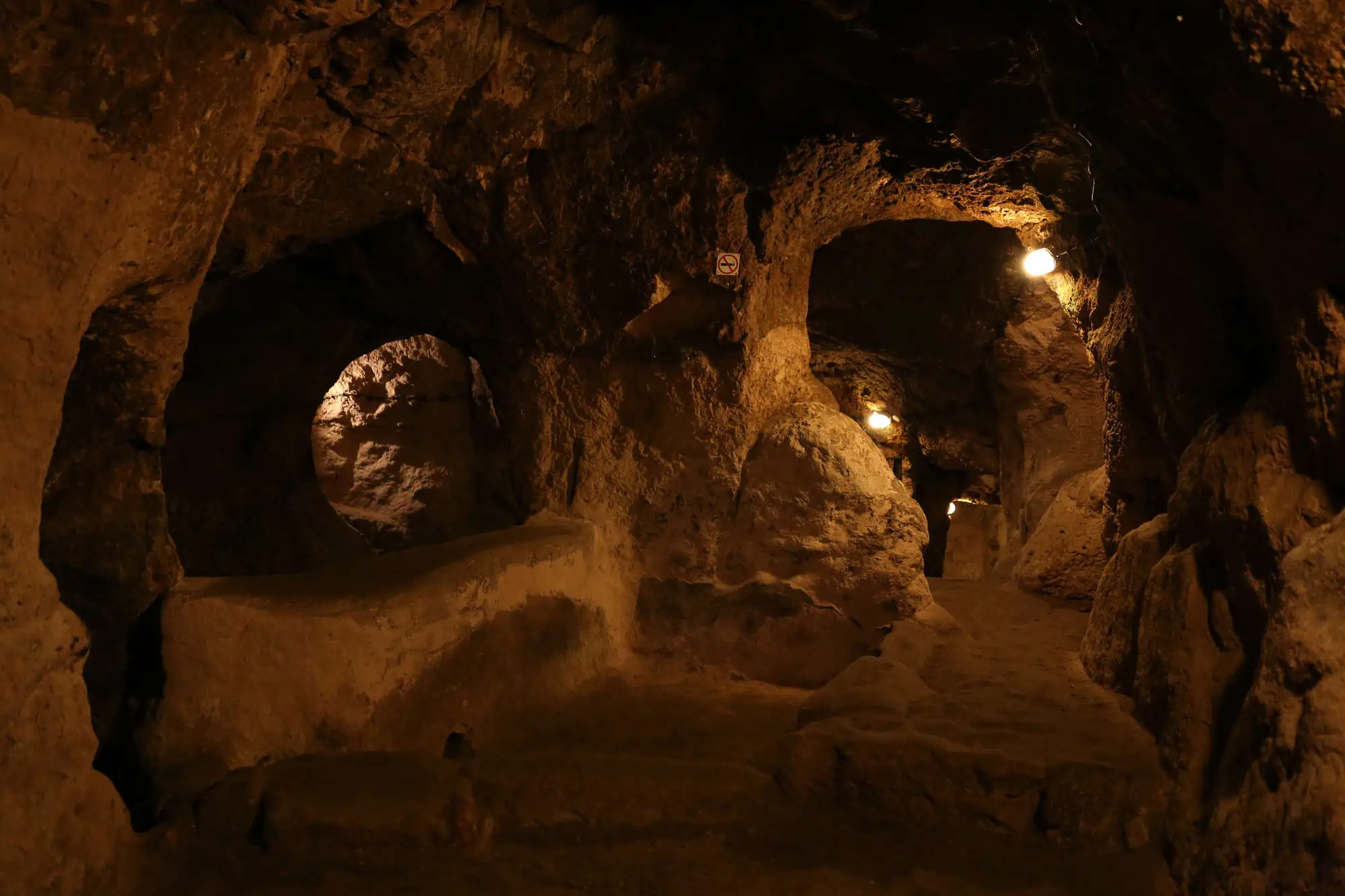
In 1986, workers discovered Movile Cave in Mangalia, southern Romania. The cave has been sealed off for around 5.5 million years and the air inside is low in oxygen & rich in harmful gases like hydrogen sulfide and carbon dioxide. Despite this, researchers found over 50 species of creatures that are unique to the cave. Only a handful of scientists have ever been allowed inside.
Son Doong Cave, Vietnam

Son Doong Cave is the largest known cave passage by volume and it’s in central Vietnam’s Phong Nha-Ke Bang National Park. Inside, there’s a fast-flowing subterranean river and towering stalagmites up to 230 feet tall—even a jungle growing under a collapsed roof! The cave’s own climate creates clouds inside. However, some parts are still unreachable because they’re flooded so the full extent of Son Doong is yet to be mapped.
Disclaimer: This list is solely the author’s opinion based on research and publicly available information.
Like our content? Be sure to follow us.
Read More: