

Anxious people do a lot more than ‘worry more,’ and here are ten things they do that confuse people without highly anxious minds.
It starts with one more question

Almost immediately in conversations, highly anxious people will ask if everything’s okay and get a clear answer. Then they’ll circle back. No, it’s not because they didn’t hear it, but rather that the answer didn’t stick, so they’ll try again from a different angle.
They’ll ask the other person, ‘You’re sure?’ and then ‘Like, actually sure?’ because they have the urge to make sure everything’s okay. It’s a kind of reassurance-seeking behavior.
According to research, it’s quite common among highly anxious people because uncertainty feels practically unbearable for them. It really doesn’t matter that nothing’s changed, and no, they’re not trying to get new information. They want to make the answer feel believable.
Then comes the second check
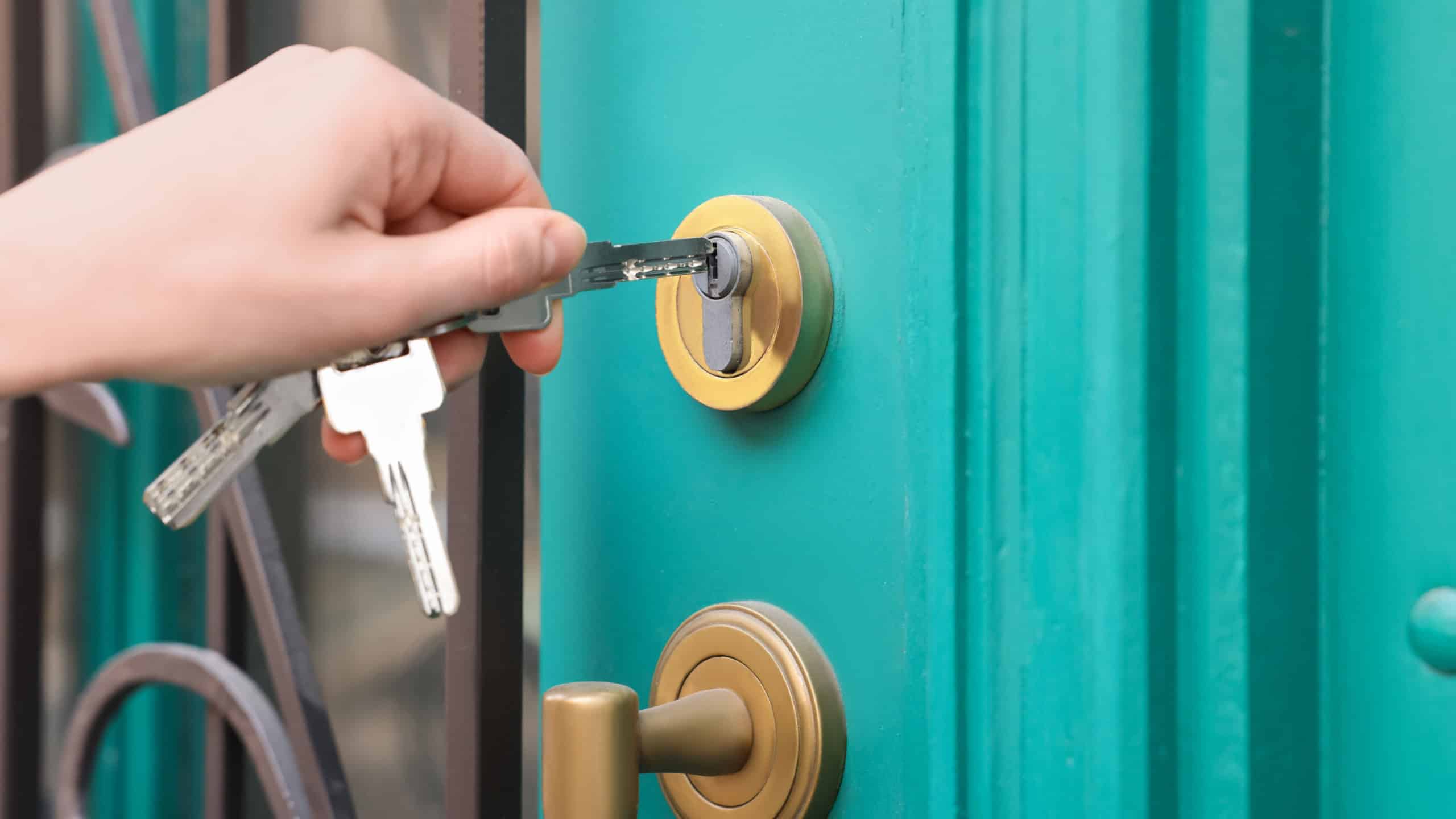
There’s no such thing as simply leaving the house for people with anxiety. For them, heading out involves locking the door and walking away, then stopping, going back, checking again, and then trying to leave. They’ll then return to take a picture to prove it later.
That seems rather excessive to most other people, but it’s because the first check wasn’t ‘enough’ for the anxious person, nor was the second one. The thing is, it has less to do with the lock or stove that they seem to be worrying about.
The issue here apparently is the feeling that they might’ve missed something. For highly anxious people, it’s better to be safe than sorry, even though they’ve done it a hundred times already.
The room gets scanned first

Take a close look at how highly anxious people enter a room. It’s quick, but most of the time, they’ll do a scan of the doors and exits, as well as where people are standing, to get a comprehensive understanding of what’s going on.
It’s such a fast reaction that most people don’t actually realize that they’re doing it. But it’s there. The Cleveland Clinic describes it as a form of hypervigilance, where someone is constantly looking for potential threats.
They might go as far as choosing a seat near the exit or facing the door. Rather than being random, it’s part of their ongoing awareness that keeps running in the background.
Getting there way too soon

For some people, getting to a place early is just a part of how they do things. For highly anxious people, it’s because they’re desperately avoiding the possibility of being late, so they’ll leave ridiculously early and sit in the car for twenty minutes.
They’ll feel tense about their timing the entire time they’re sitting there. Sure, it looks unnecessary from the outside, but it’s part of how anxiety works, as it forces people to overestimate risks.
They prepare for the worst-case scenario every time because they’re so fearful of having to deal with uncertainty. Essentially, turning up removes any variables before they become a problem.
They want the full plan, not the short version

Vague plans don’t go down well with these people, and that includes comments like ‘we’ll figure it out when we get there.’ Instead, you’ll get 20 questions from them. Who’s coming? How long will it last? Where exactly is it? What if X, Y, or Z changes?
It’s way too much for anyone who’s not used to that thinking to handle. Unfortunately, uncertainty triggers a lot of anxious people. Getting every detail possible reduces that.
In fact, clinical descriptions of generalized anxiety include sufferers needing more information to truly feel settled, as well as struggling with open-ended situations. They’re asking questions to fill the gaps. Without them? The gaps would feel too wide otherwise.
There’s always a backup for the backup

Everything seems to have a backup, just in case, with these people. They’ll have extra chargers and extra water, extra snacks, and a second plan because who knows what’ll happen if the first one falls through?
They might also make sure they have a reason in case they need to leave an event early. That’s a kind of safety behavior that anxiety researchers have looked into, as it’s something anxious people do to prevent any outcomes that they fear.
They do it to make uncertain situations more manageable. Yes, from the outside, it comes across as over-preparing, but for an anxious person, it gives them more control over something that feels so unpredictable.
Their body looks ready for something

Honestly, it doesn’t matter how calm a place might be because anxious people will still show signs of being unhappy. They might bounce their leg or tap their fingers. Their shoulders will probably be slightly tense.
Sure, it’s subtle, but it’s still there, and the National Institute of Mental Health states that they’re not simply random habits. Feeling restless or on edge is a core feature of anxiety disorders.
Their body tells you a lot more about their state of mind than they might do themselves. In other words, their body is reacting as though something’s about to happen. Because for anxious people, it always is.
One bad moment can redraw their map

All it takes is one experience for an anxious person to completely change where they are. It’s often something like a panic attack in a certain place, maybe a restaurant or a park, and then that place feels different afterward.
Sadly, they’ll feel like avoiding it completely. According to Mayo Clinic, people who experience severe panic attacks try to avoid ever going near the place where they had one.
Other people think that place is normal. Unfortunately, for the highly anxious person, that person has memories attached to it that change how they go near it, if they ever do.
A bigger reaction than you’d expect

Large sounds aren’t always the cause of an anxious person suddenly jumping. No, it could be something as small as a spoon hitting a plate or a door closing harder than normal, and they’ll react. It might be a response that’s obvious, like a full-body jolt.
That sort of behavior is something that researchers dub ‘hyperarousal,’ where the body stays in a heightened alert state that causes background noises to sound more intense than they are.
They become something to react to. It’s a shame, really, because it means that their system is running a lot closer to the edge than it already seems to be.
Dropping out mid-conversation

Everything seems fine while you’re talking to them. Then, out of the blue, they pause for a second too long during a sentence, which causes them to lose their train of thought entirely.
Don’t take it as a sign of them being distracted or bored, and don’t feel insulted when they ask you to repeat something. They were listening the whole time.
The issue is that they have trouble concentrating as part of their anxiety, mostly because they’re so aware of everything around them. It’s not rudeness.
Sources: Please see here for a complete listing of all sources that were consulted in the preparation of this article.


