

My sister was like this as a child. She didn’t have very good friends and she was never anything less than okay on her own. And when we were older, I realized just how much it molded her. She got really independent, did everything by herself. Meanwhile, she was hesitant around others, as though she wasn’t quite sure how to trust or be vulnerable.
In this article, I am going to open your eyes to 10 traits common in people who grew up without close friends.
Featured Image Credit: Wavebreakmedia /Depositphotos.com.
You Value Independence Deeply

You don’t have any close friends growing up so you take things on your own. That independence is part of who you are as an adult. You might struggle to count on others because you were always your own problem-solver. Even if you really need help, you feel awkward and vulnerable in asking for it.
You Struggle to Open Up

Without close friends, sharing feelings wasn’t something you practiced much. Now, as adults, talking about emotions or personal thoughts feels strange or even risky. You might keep your guard up, making it harder for others to truly know you.
Like our content? Be sure to follow us.
You Notice Everything

You sat on the sidelines rather than participate, and you learned to notice the small things. You easily sense body language or shifts in a person’s voice. But this can also make you overthink things or see things that aren’t there.
You Stay Away from Fights

When you have no friends to argue with, conflicts can seem overwhelming. You avoid conflict as much as you can even if that means not speaking up. This can make you feel invisible or not heard.
You Feel Comfortable Being Alone

Maybe you want to build deep connections, but being around others for too long eats up your energy. You recharge and you become yourself when you spend time alone.
You Overthink Everything

Without early guidance in social situations, you probably analyze every word or action. When you have a conversation, you may replay it in your head and fret over what you said or how you sounded. This can exhaust social interaction.
You Choose Your Relationships Carefully
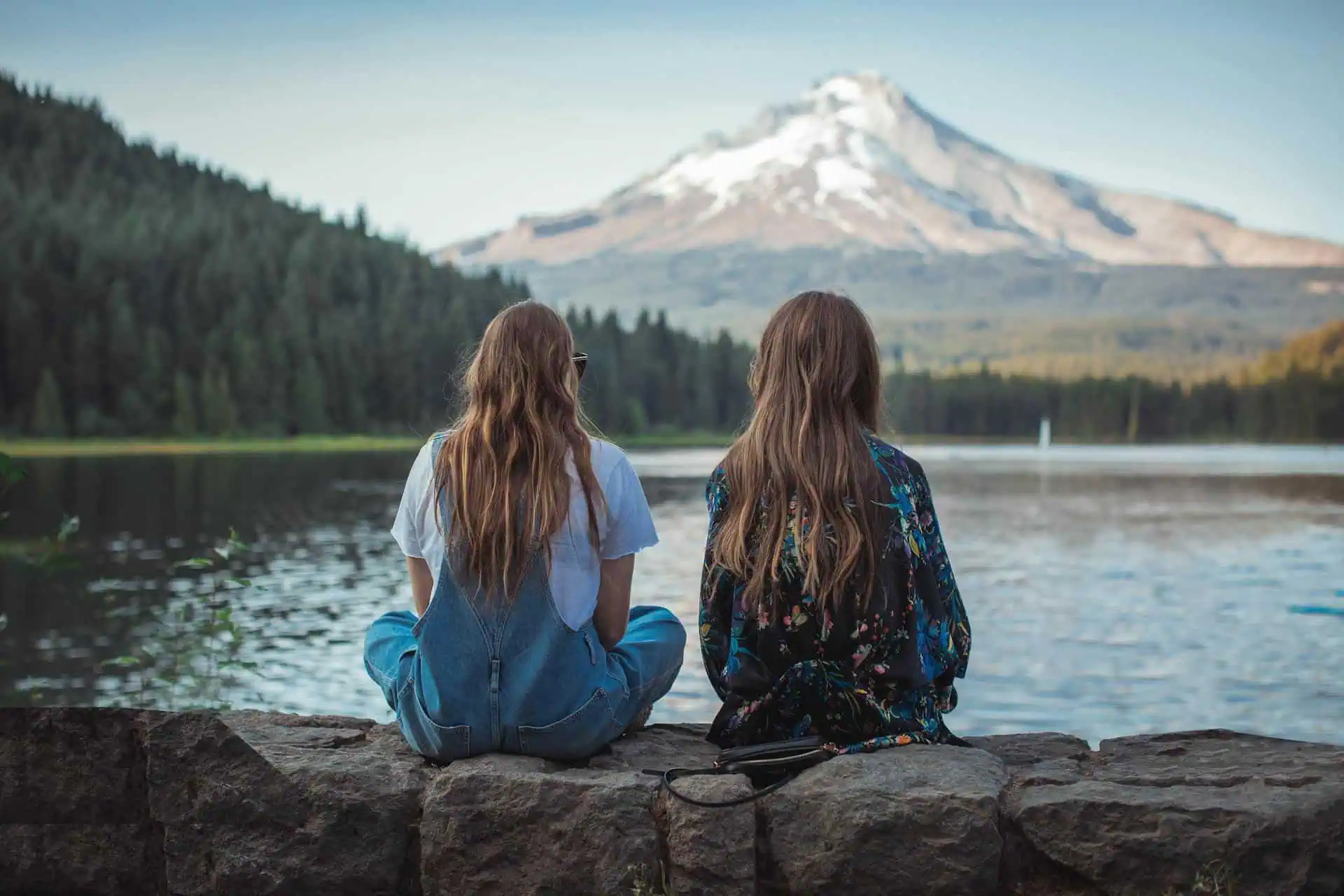
You don’t want lots of friends; you want a few really close friends. Being open is taking time because you are cautious of whom you let into your life. You always prefer quality over quantity.
You Have a Big Imagination

Without close companions, you resorted to books or paintings or fantasies. You had a world of your own to turn to and it made you imaginative and self-reflective. That dream world is always there for you, for discovering a way to face the challenges.
You Care Deeply but Don’t Always Show It

You think about emotions all the time when you are alone. You get what people are going through and you’re there for them, but you don’t always show it. You’re too shy to go for it.
You Want Connection but Fear Rejection

You want close friendships or relationships, but rejection feels like a big risk. That anxiety makes you approach relationships in slow-mo. You want to get close but at the same time, shield yourself from damage.
Disclaimer: This list is solely the author’s opinion based on research and publicly available information.
Like our content? Be sure to follow us.
Read More: