Did you ever stop and take stock of your Goodwill donation or the purpose of it? You might think, like most of us, that if you’re donating your old clothes, furniture, or other stuff to Goodwill, you’re directly empowering the poor. That sounds like a simple and convenient way to give back, right? What if that’s not it? Though Goodwill has a long history of being a good cause, a few things about its way of doing things might not be in your interest – or your heart.
Here are 10 reasons why you might want to rethink where your items go and consider supporting alternatives that can make a bigger, more direct impact.
Featured Image Credit: Wikimedia Commons.
High Administrative Costs

Goodwill’s administration cost is surprisingly expensive, and the bulk of your donation goes towards operating expenses like top executive salaries and operations. Heck, sometimes a big chunk of what you give doesn’t go directly to people in need. If you’d prefer to know your donations are being used more directly, small, low-overhead organizations are probably a better choice.
Limited Local Impact
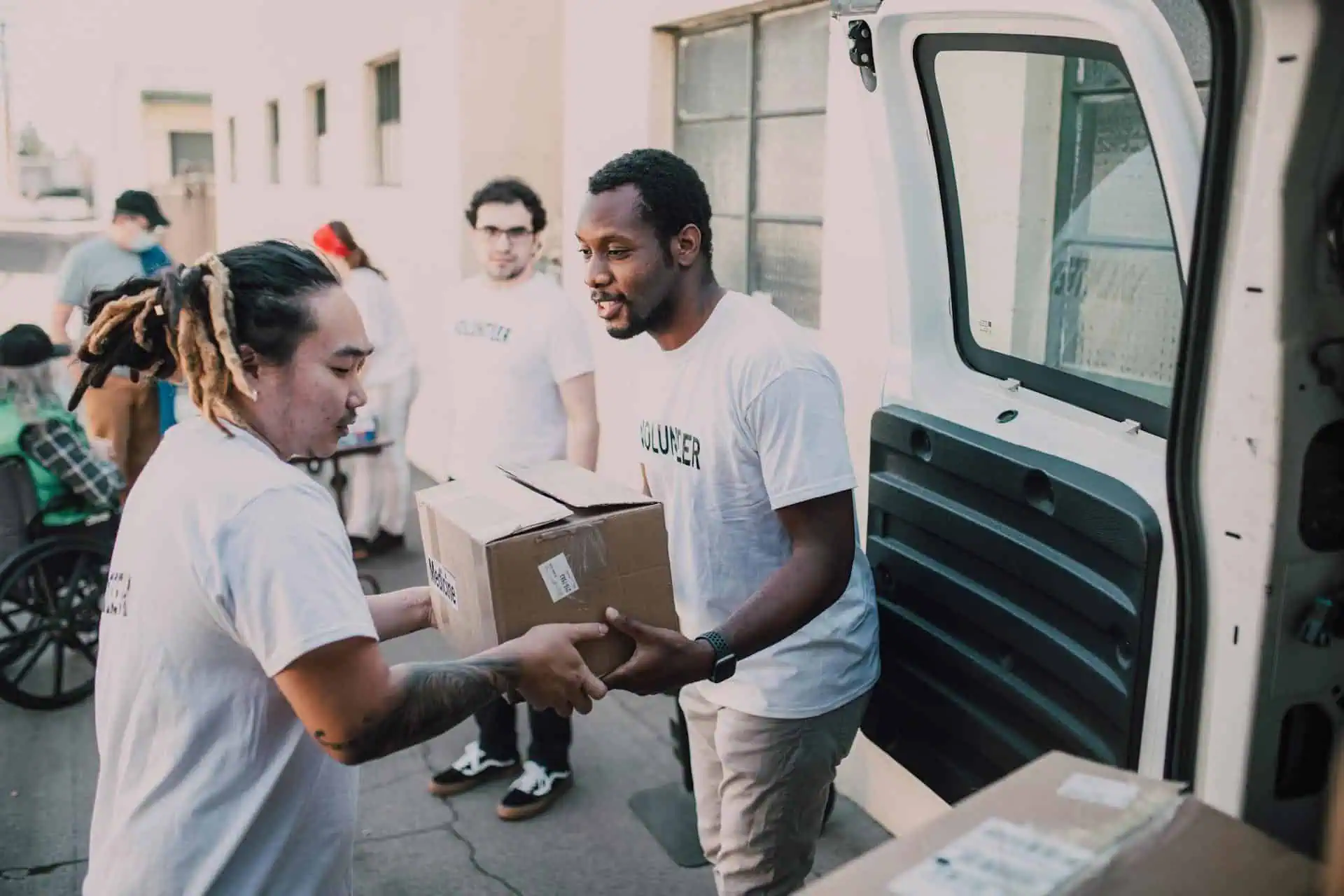
Despite Goodwill’s claim to serve local areas, many of its donations are shipped out of state, or even abroad. This reduces your donations’ real reach in your community. You might want to consider giving to smaller, local charities that make the donations stay local if you are trying to help the people around you.
Like our content? Be sure to follow us.
Questionable Worker Treatment

While Goodwill has long touted their ability to provide jobs for people with disabilities, workers have repeatedly complained about pay, benefits, and working conditions. Goodwill may be doing a good thing, but we need to look deeper at the employee treatment. If you really want to donate to organizations that treat employees fairly, you might want to donate to places that give people more stable working conditions and fair pay.
Overpriced Donated Goods

The worst thing for thrifters is the way that Goodwill sells donated stuff at an increase in price. The donations are meant to be charity, so a lot of people find the expensive prices unrelated to the mission of making goods affordable for people. If you want your donations to reach people who can really use the cheap goods, small neighborhood thrift shops might have lower prices.
Environmental Concerns
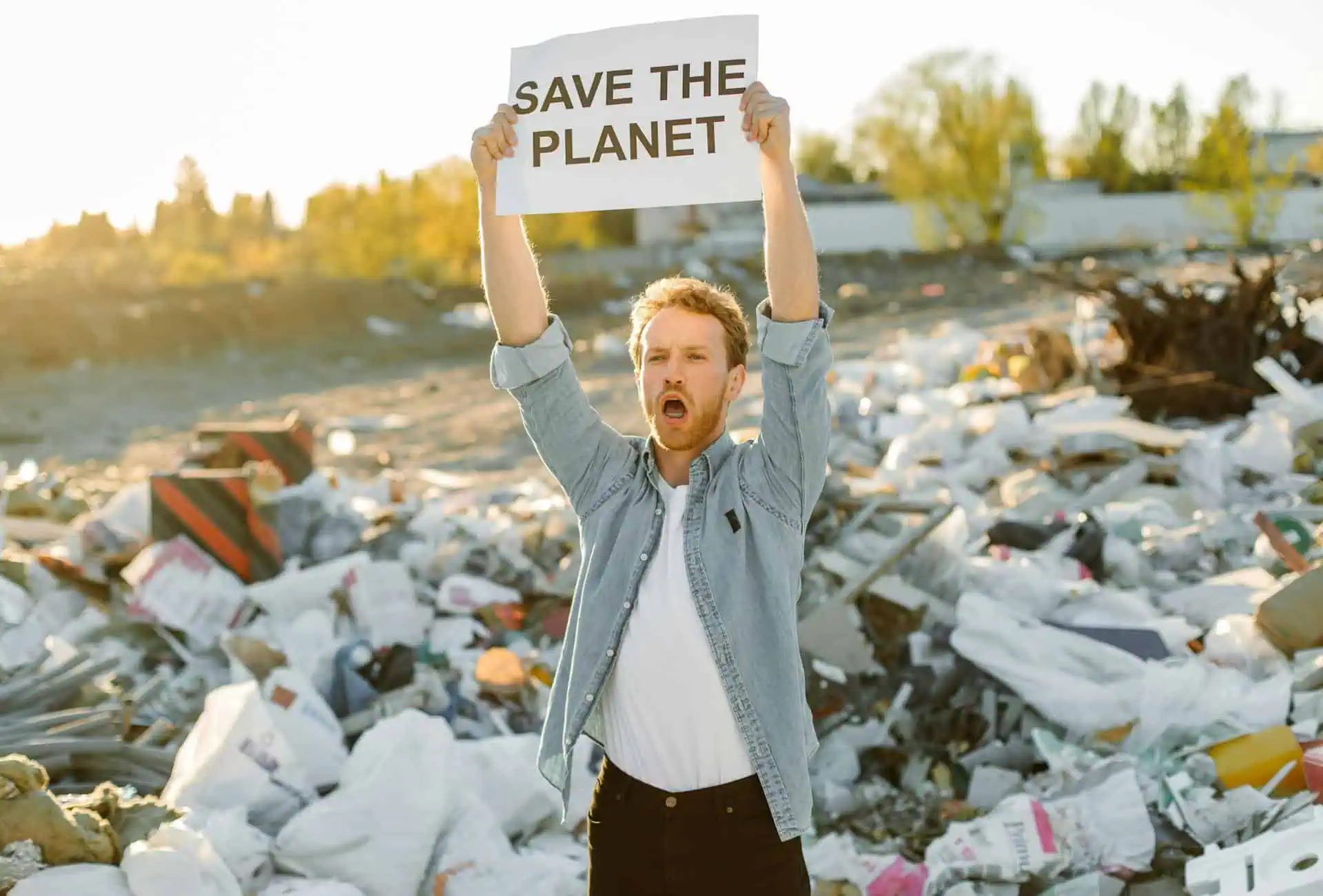
Goodwill is trying to be more sustainable and less wasteful, but most donations don’t get recycled; they end up in landfills. Things that don’t sell at the store may be thrown out, and we end up creating more unneeded waste. If you’re especially worried about the carbon footprint of your donation, consider donating to other charities that work in recycling, upcycling, or sustainability so that your donation gets recycled again.
Lack of Transparency

Goodwill has also been accused of being opaque about how donations are spent. People don’t know what’s being raised with their donations or how much of their donation goes directly to those in need. If donors are looking for greater transparency, donating to smaller, community-based charities with comprehensive annual financial and spending reports could be better.
Cluttered Donation Centers
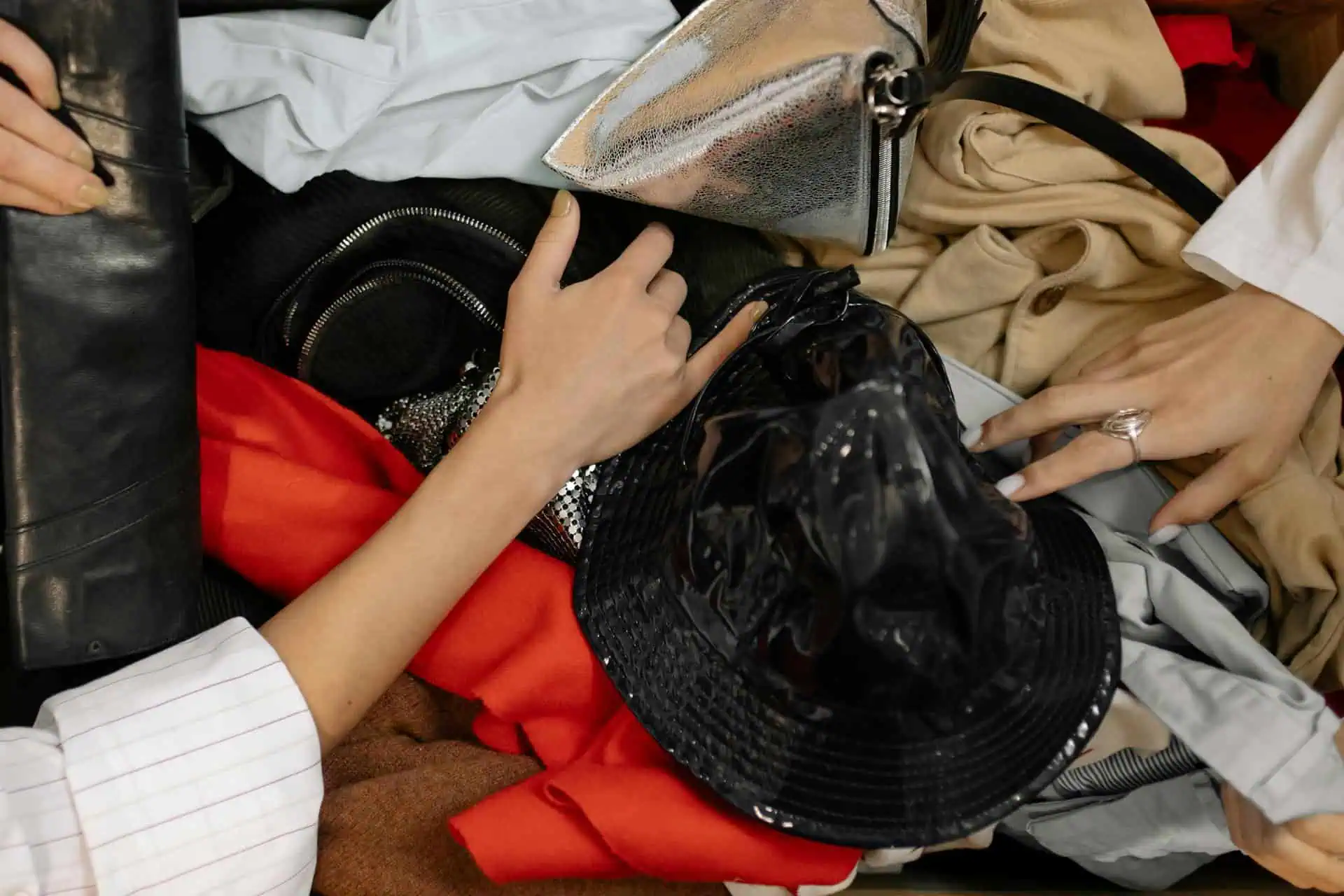
Goodwill donation centers get slammed with loads of things. This may make sorting and distributing donations more cumbersome, and your goods may not get delivered as efficiently or with care. Smaller, more specialized organizations can probably take care of and distribute the donations more efficiently and faster, and get your products to the people who need them most.
Contribution to Gentrification

Goodwill stores bring foot traffic to a neighborhood. As Goodwill has ventured into low-income areas, some argue its shops gentrify these areas by inflating property values and pushing out the very people the organization is trying to help.
Donated Items Not Always Needed

The goods you give aren’t always needed, and at times get piled on the shelves instead of delivered to the people in need. Anything old, obsolete or damaged might not even be accepted and would be stored in a warehouse. Don’t donate things you don’t have confidence in — instead, give directly to organizations that need the things most, where your donations are more likely to be used for good.
Questionable Tax Benefits

Your Goodwill donation usually gets taxed at resale value, and that price can be lower than the true fair market value. And this could leave you with a lesser tax deduction than if you were to donate to other charities where you can rate the worth of your items at a higher rate. If saving as much money as possible is important to you, it may be worth looking at other charities with more room to adjust the amount they value.
Disclaimer: This list is solely the author’s opinion based on research and publicly available information.
Like our content? Be sure to follow us.
Read More: