
Growing up in the 1960s was full of big changes that taught kids how to be strong, resourceful, and independent early on.
Public exposure

With no screen distractions as an escape, children were often forced to accompany adults to social events, church functions, civic gatherings, and local town meetings. Here they were expected to sit still, watch, and listen to hours of small talk they didn’t really understand.
Exposure to mixed age groups, different personality types, and adult interactions developed great social dynamics and made them less reliant on constant entertainment.
Natural endurance

Life in the 1960s was naturally physical. Kids walked to school and home come rain or shine, biked everywhere, played outside all day, and did household chores daily.
Physical movement wasn’t a chore or called “exercise.” It was just living life. This created a foundation of fitness, toughness and love of the outdoors.
Accountability

Fairness in the 60s was simple and straightforward. Do something wrong around the house or at school and you were punished. There was no overthinking or bargaining back and forth with your parents.
When you were held accountable for your actions at a young age, it taught children that their actions had real consequences that affected their own peace and privileges.
Resourceful imagination

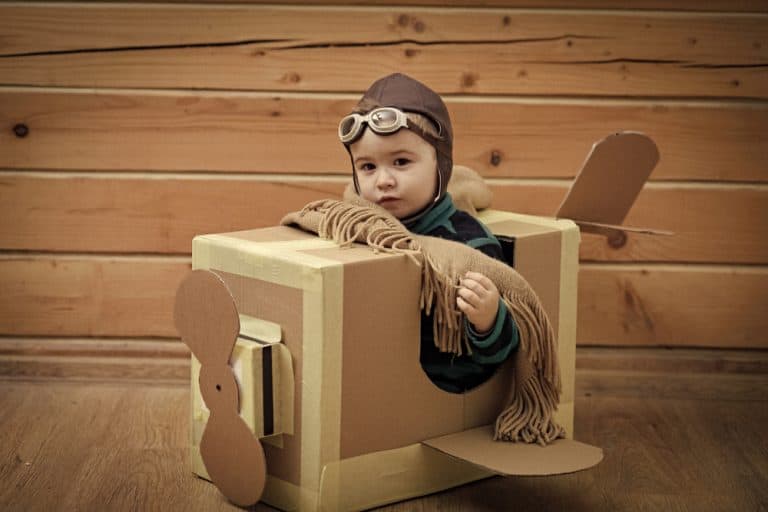
Before the Internet, cable TV channels or digital screens of any kind, entertainment was completely self-directed. Children fashioned games from cardboard boxes, had unsupervised neighborhood baseball games, constructed tree houses and dreamed away lazy afternoons.
Kids were taught at a young age how to conquer boredom with imagination, teamwork and resourcefulness.
Social hierarchy

Back in the 60s, teachers, police officers, elders and neighbors were respected figures of authority. If you misbehaved at school, you knew you were in trouble twice as much at home because your parents believed whatever adults said about your behavior.
You always addressed adults as Mr., Mrs., or Sir. You learned at a young age about boundaries, discipline and respect.
Self-reliance

Kids were allowed way more freedom back in the 60s every day. You were told to leave your house after breakfast, roam the neighborhood with friends, and not return until the streetlights turned on. There were no cell phones or GPS tracking you 24/7. If your bike chain fell off, you lost your way home, or got into a small dispute with a friend, you had to figure it out yourself.
Second-hand reality

Children of the 1960s were brought up by parents who had experienced the Great Depression and World War II. Hand-me-down clothes, fixing instead of throwing away and eating leftovers were common in many households. Children learned to appreciate the value of a dollar and how not to be wasteful.
Scheduled rewards

Life before instant gratification required patience. If you wanted to watch your favorite show, you waited for the specified time each week to tune in. If you wanted to see pictures from a family vacation, you waited days for the local store to develop your film. Learning to wait built emotional strength and developed a better appreciation for things when they finally arrived.
Shared living

Families were much larger on average than they are today, often having to fit multiple kids, grandparents, and relatives into one small home. Many families during the 1960s could not afford larger homes as we see in suburban areas today.
Privacy was something children had to learn to do without. There was no getting away to your own bedroom to avoid dealing with conflict. They had to learn to manage their emotions and conflict with others in close quarters.
Mechanical problem solving

Before disposable goods and digital microchips, consumer products were mechanical, designed to be fixed. Some examples are bicycle gears, transistor radios, and lawnmowers. Kids watched fathers work on carburetors or rewire lamps. They were often handed screwdrivers and oil cans to help.
There was an expectation that when something breaks, you open it up and figure out how it works, instead of tossing it out.
Like our content? Be sure to follow us.
Kids raised in the 60s and 70s had 10 common sense traits that are almost impossible to find nowadays

Kids raised in the 60s and 70s learned common sense the hard way, by fixing their own bikes, reading people, and making do with what they had. Those everyday lessons are exactly what most kids today are missing.
Kids raised in the 60s and 70s had 10 common sense traits that are almost impossible to find nowadays

