
1966 was a completely different time compared to now, and a lot of the things that were totally normal back then are things we’d see as wrong or even illegal today.
Letting children buy cigarettes from vending machines
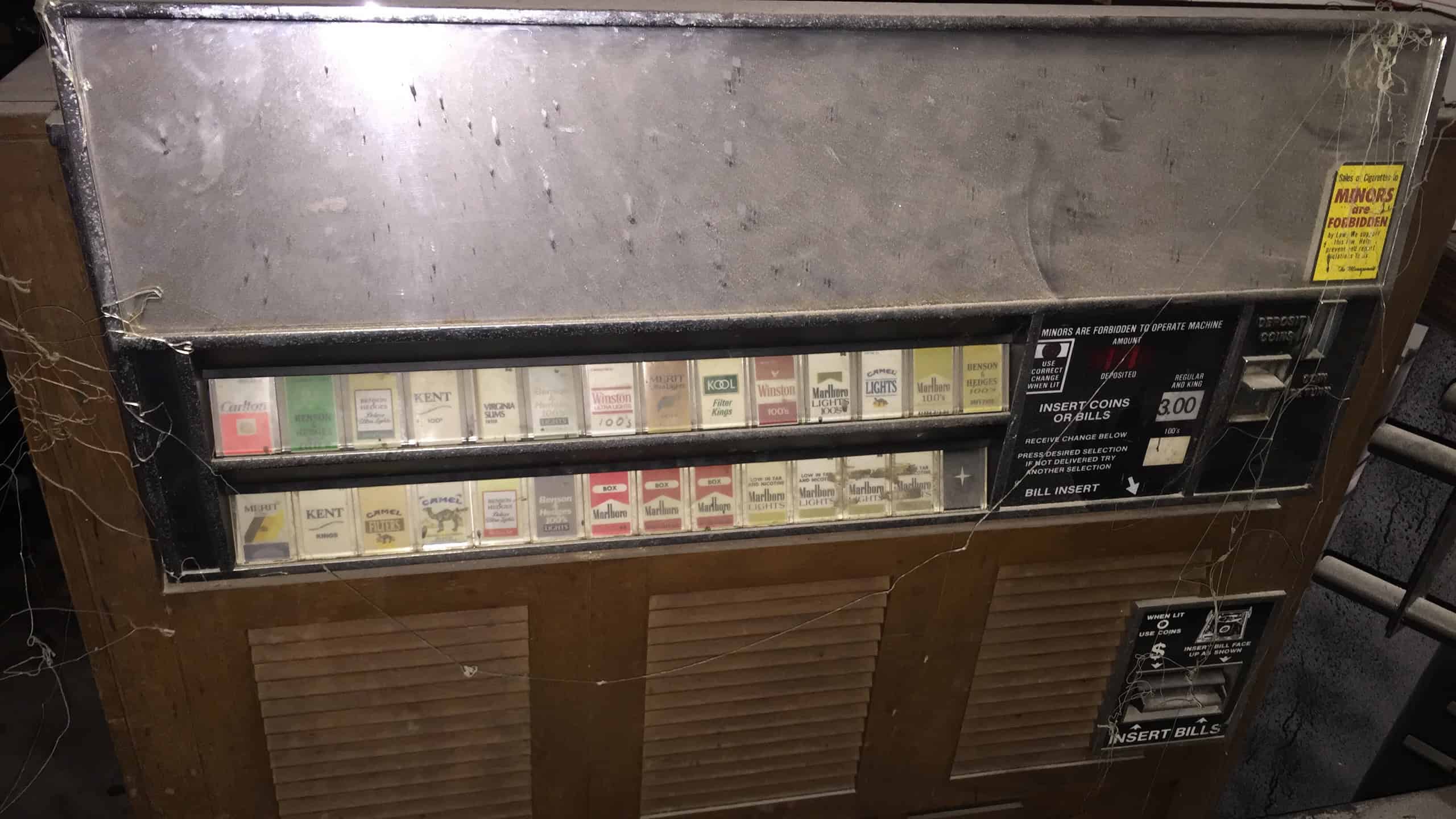
You didn’t need much to buy cigarettes back then. You didn’t even need to be of a certain age, either, because vending machines were practically everywhere. They’d sit in diners and hotels, basically anywhere that children could easily reach them.
You simply had to put in the coins and pull the handle. That was usually it, no clerk and no ID necessary. People didn’t really think much about it, although age laws did differ from state to state. Texas, for example, didn’t ban tobacco sales to anyone under 18 until 1989.
Placing disabled children in large institutions

There was a time when people didn’t really know what to do with disabled children. Parents were often told that sending their kids away was the best thing for them, and doctors would recommend a state institution. They didn’t believe in helping the child remain at home.
It was pretty normal to have places housing hundreds or even thousands of disabled residents, with families sometimes living hours away. They had very little idea what daily life was like inside. It certainly wasn’t the haven they were expecting for their kids.
Taking newborns away from their mothers for most of the day

That’s not all for childcare. It was completely normal back then for a woman to give birth in the hospital and have her baby taken away from her for several hours. They’d only see them for a few hours at the most. During that time, the baby would stay in the nursery for most of the day.
Not because there was any scientific reason, but mostly hospitals wanted fixed feeding schedules to make the ward easier to run. There were some who thought it’d reduce infection. But really, taking a newborn from its mother for such a long stretch would be so weird today.
Sending unmarried pregnant women away to conceal the pregnancy

People often believed an unmarried woman getting pregnant was something to be ashamed of. So much, in fact, that they’d often send her away and invent an excuse about her absence. She was visiting relatives or attending school somewhere else, it didn’t really matter.
What mattered was that people believed it. People didn’t think much about the consequences of doing this, and they’d think it was normal to behave in that way.
Punishing deaf children for using sign language
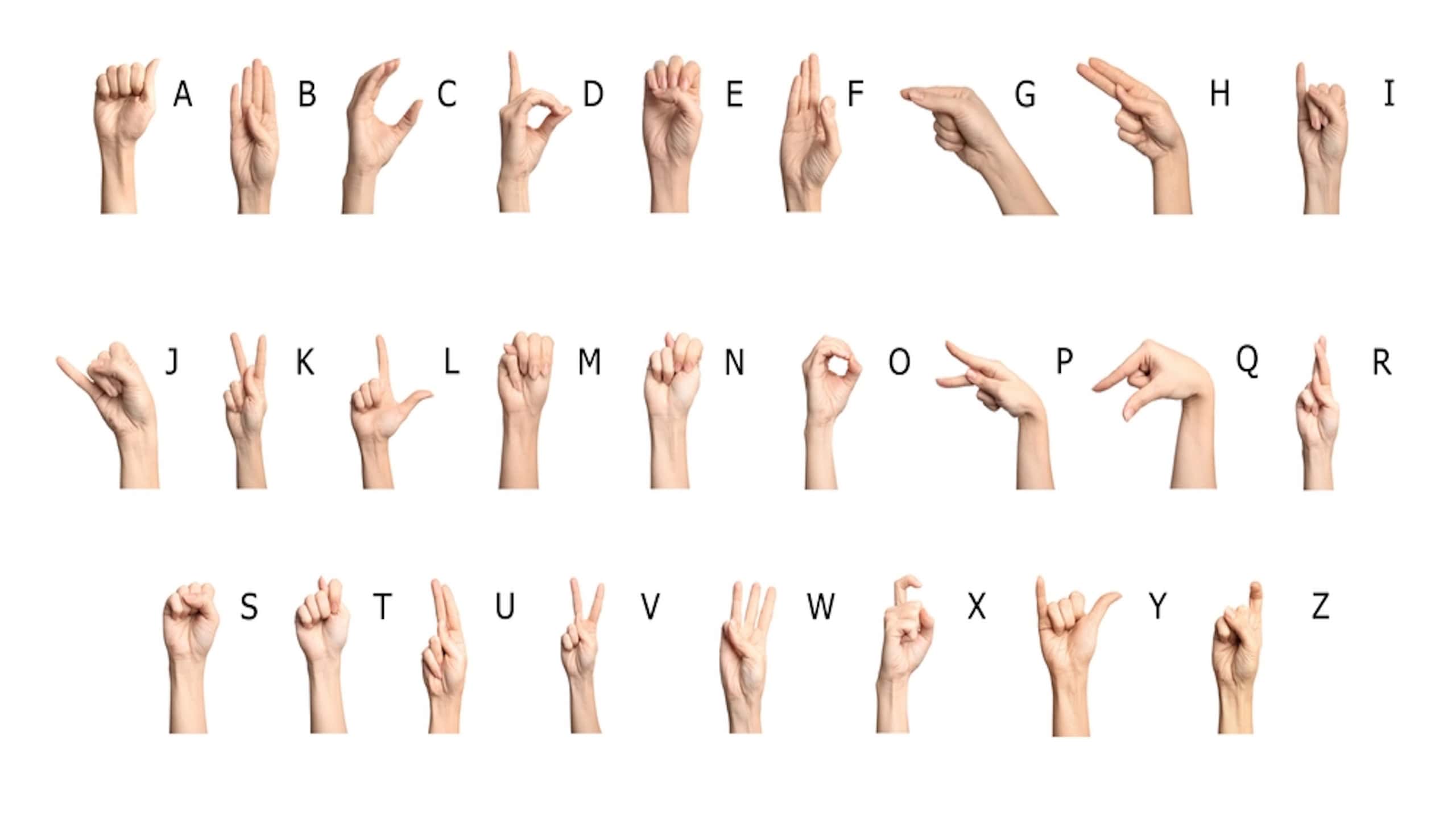
It sounds contradictory, but it’s true. Some schools would punish deaf students for using sign language, even though it was often the language that worked best for them. They tried to make deaf children speak or lip-read, essentially anything but using sign language.
A child caught using sign language could have their hands struck or tied. They could be restrained, too, and people thought such ‘punishments’ were perfectly acceptable. Newsflash, they’re not, and limiting a deaf child’s access to their language won’t help them.
Buying a rifle through the mail

Gun control was even more relaxed in the past than today. You could actually order a rifle through the magazine because it was that normalized, and all you had to do was fill out a form, then mail the payment. It was that simple.
There wasn’t always a local dealer checking identification or keeping the sort of records that we expect to exist today. That’s actually the way that Lee Harvey Oswald, JFK’s assassin, bought the rifle he used to kill Kennedy. It took until 1968 for Congress to end direct mail-order firearm sales to ordinary buyers across state lines.
Performing medical research on people without informing them
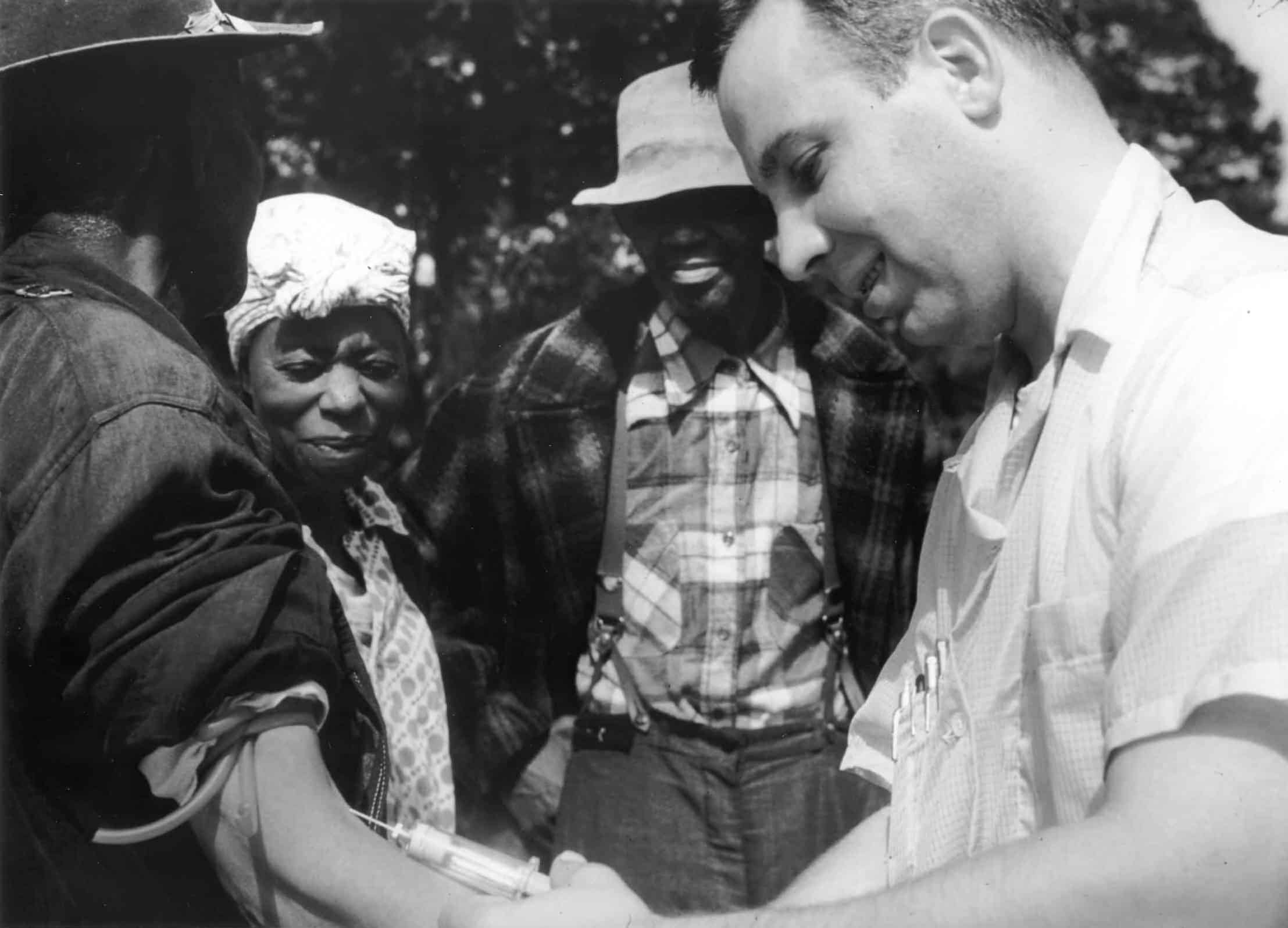
Medical consent wasn’t something people treated in the same way back then. It was actually perfectly fine for a doctor to perform medical research on people without actually telling them what was going on. Just look at the Tuskegee syphilis study, for example.
600 Black men were enrolled and told they were being treated for ‘bad blood’ or syphilis. Except, in reality, the researchers wanted to watch the disease progress, and they were allowed to do so. Researchers had a lot more control over how much participants could be told about medical research.
Removing children’s tonsils almost as a routine procedure

Most people see having their tonsils removed as a major medical procedure. Because it is. But in the ‘60s, it was almost like a childhood milestone. Having a sore throat was enough for a doctor to recommend the surgery.
Tonsil and adenoid removal was the most common surgery performed in the United States from 1915 through the 1960s, if you can believe it. That’s not to say these surgeries don’t happen today. It’s just that we don’t treat them as something casual, because really, they’re not.
Treating ‘nervousness’ with tranquilizers for months or years

There were plenty of ‘cures’ for nervousness back then. Most of them weren’t good. One of the most common was a tranquilizer prescription, and it was something you could get if you were feeling tense or worried in any way. Simply being restless was enough, too.
The advertisements made them seem like they were fine to use for all kinds of daily strain, whether they were issues at work or home. It got to the point where patients stayed on them for months or years. We’ve thankfully moved away from being so liberal with these drugs.
Cleaning clothes and furniture with carbon tetrachloride

A stain on the couch was no problem in those days. Just put on some carbon tetrachloride. It was a chemical that often appeared in spot removers and dry-cleaning fluids, as well as household degreasers. For good reasons, too, since it worked well on grease and didn’t catch fire easily.
But there was a major problem. The vapor caused serious breathing issues that could damage your liver and kidneys, along with your nervous system. People didn’t think to handle it with masks or ventilation systems. No, they saw it as another cleaning product under the sink.
Employers advertising jobs with ages and physical appearance

Even the job ads were pretty different back then. It was completely normal for a 1960s job ad to ask for a secretary who was young and single. She had to be slim and attractive, too, because they were the only important characteristics apparently.
Newspapers would also separate vacancies into male and female sections. It was normal in those days. We’ve come a long way since then, and sex-based hiring is only allowed in very specific circumstances. No, a secretary doesn’t fall into that category.
Nearly all shops closing on Sundays

Sundays were pretty much lazy days in most of America. You couldn’t run errands since Sunday-closing laws prevented most places from operating like normal. No buying clothes, no buying furniture, not much of anything, really.
The rules were partly down to religion, and partly down to giving workers a common day off. Either way, it was the norm for people to plan their weekends around Sunday laws.
Hitchhiking as an ordinary form of transportation

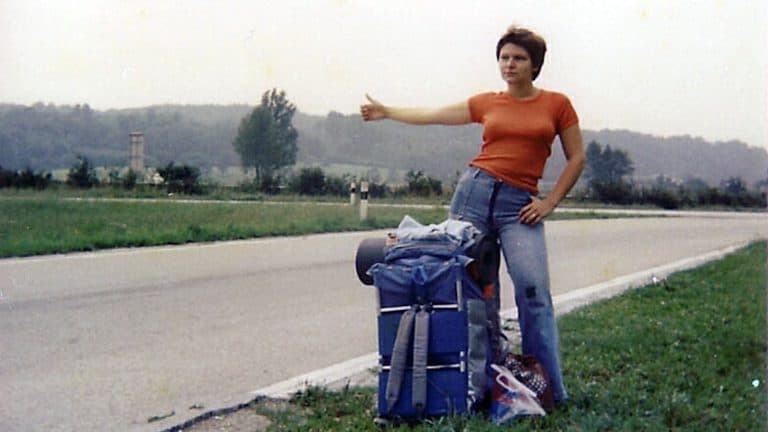
Anytime you needed a ride, you could just stand by the road and stick out your thumb. You can still do that today, of course, but we understand that there’s a lot more danger associated with it. Most people aren’t going to hitchhike unless it’s an emergency.
But for students and servicemen, it was a completely normal way to travel. They’d gotten around that way during the Great Depression and World War II, so it was no different in the ‘60s, either. But so many tragic cases of hitchhikers being assaulted, or worse, have put an end to that.
Sources: Please see here for a complete listing of all sources that were consulted in the preparation of this article.
15 office perks that were totally normal but are now just history
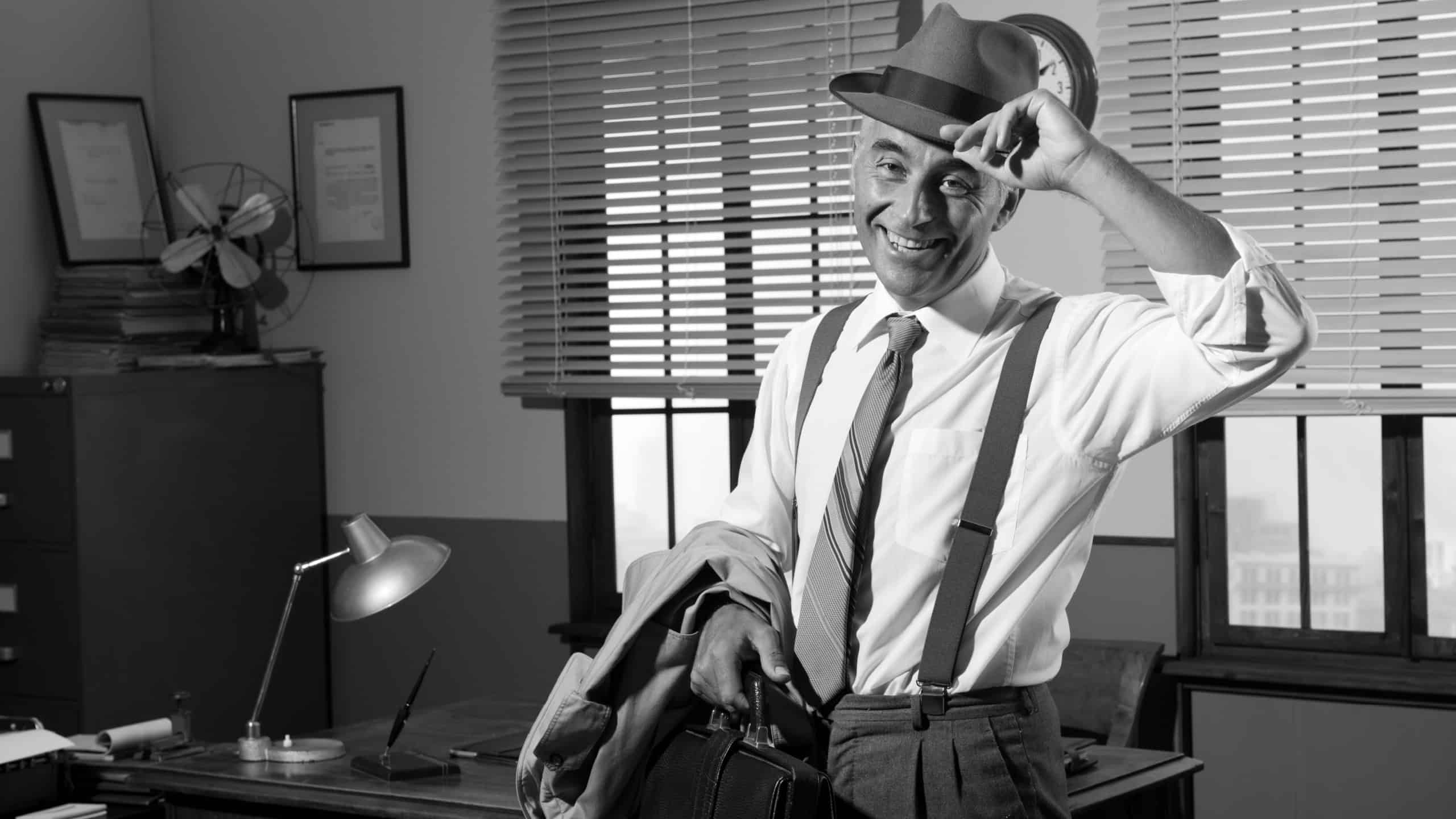
Corporate work culture totally reverses its opinion on what’s considered a coveted workplace every 30–40 years or so; if it was cool before, chances are it’s ancient history now.
15 office perks that were totally normal but are now just history

