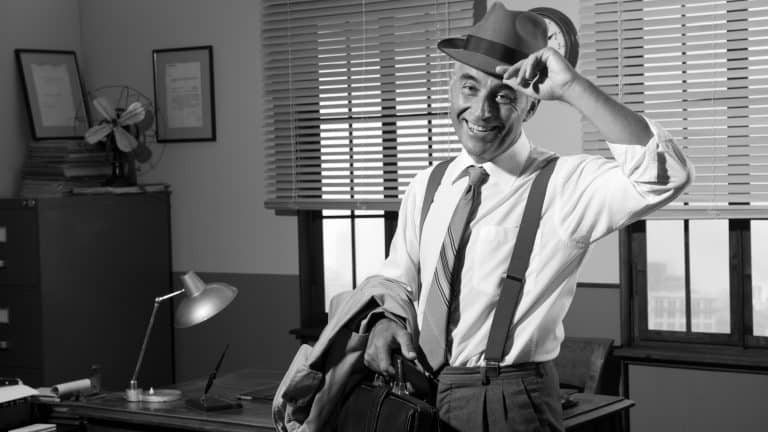

Corporate work culture totally reverses its opinion on what’s considered a coveted workplace every 30–40 years or so; if it was cool before, chances are it’s ancient history now.
Smoke privileges
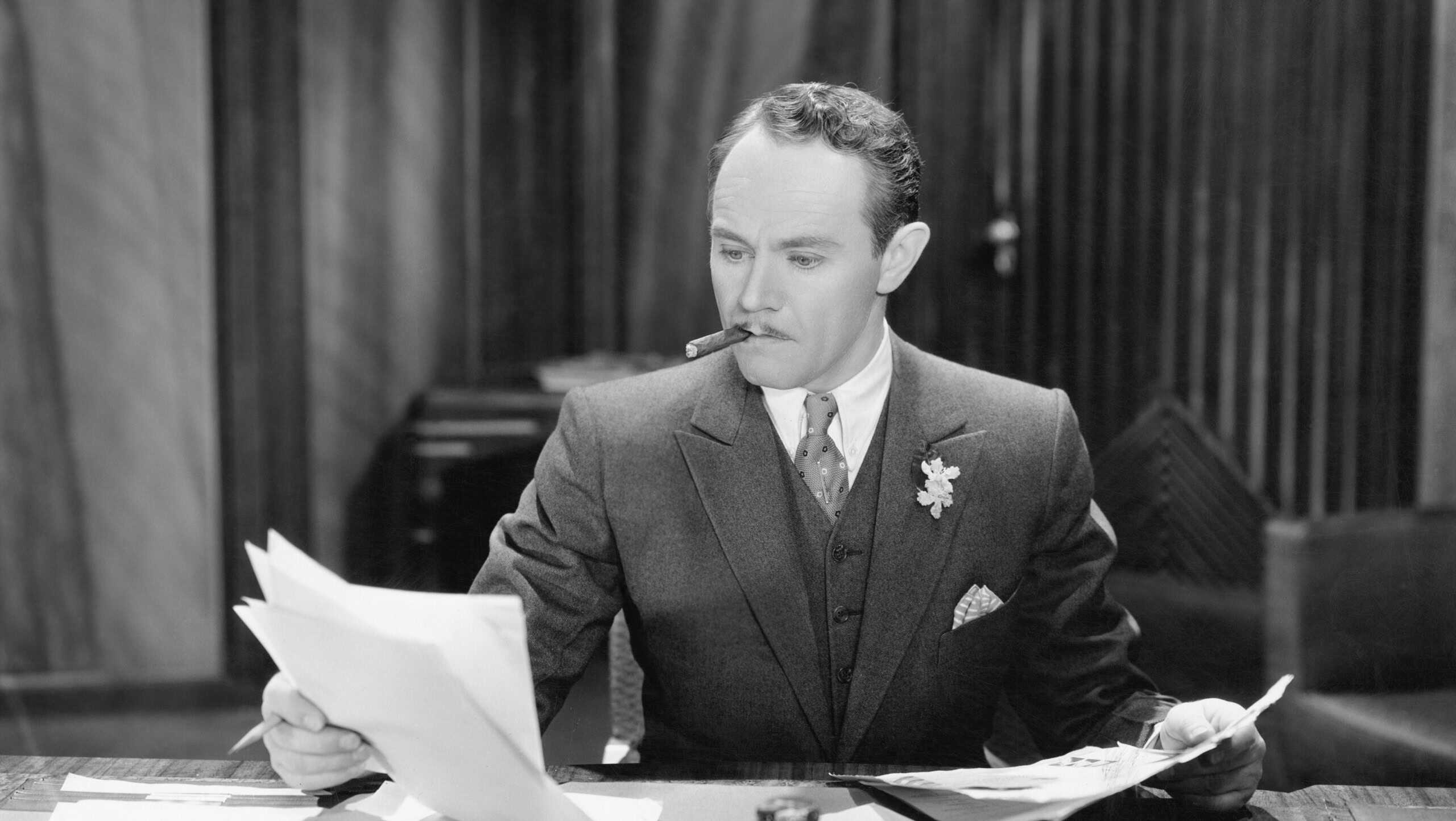
Before toba**o was banned from most office buildings in the late 1900s, cigare**es weren’t considered bad for your white-collar work lifestyle, they enhanced it.
Many companies provided cedar humidors and countertop cigarette dispensers that were built into the desk for employees to enjoy during stressful meetings and bonus negotiations.
Businesses routinely treated clients and executives to these upscale offerings without charge.
Monday drop-off
Remember when companies tried to keep their employees at their desks for as many hours in the day as possible?
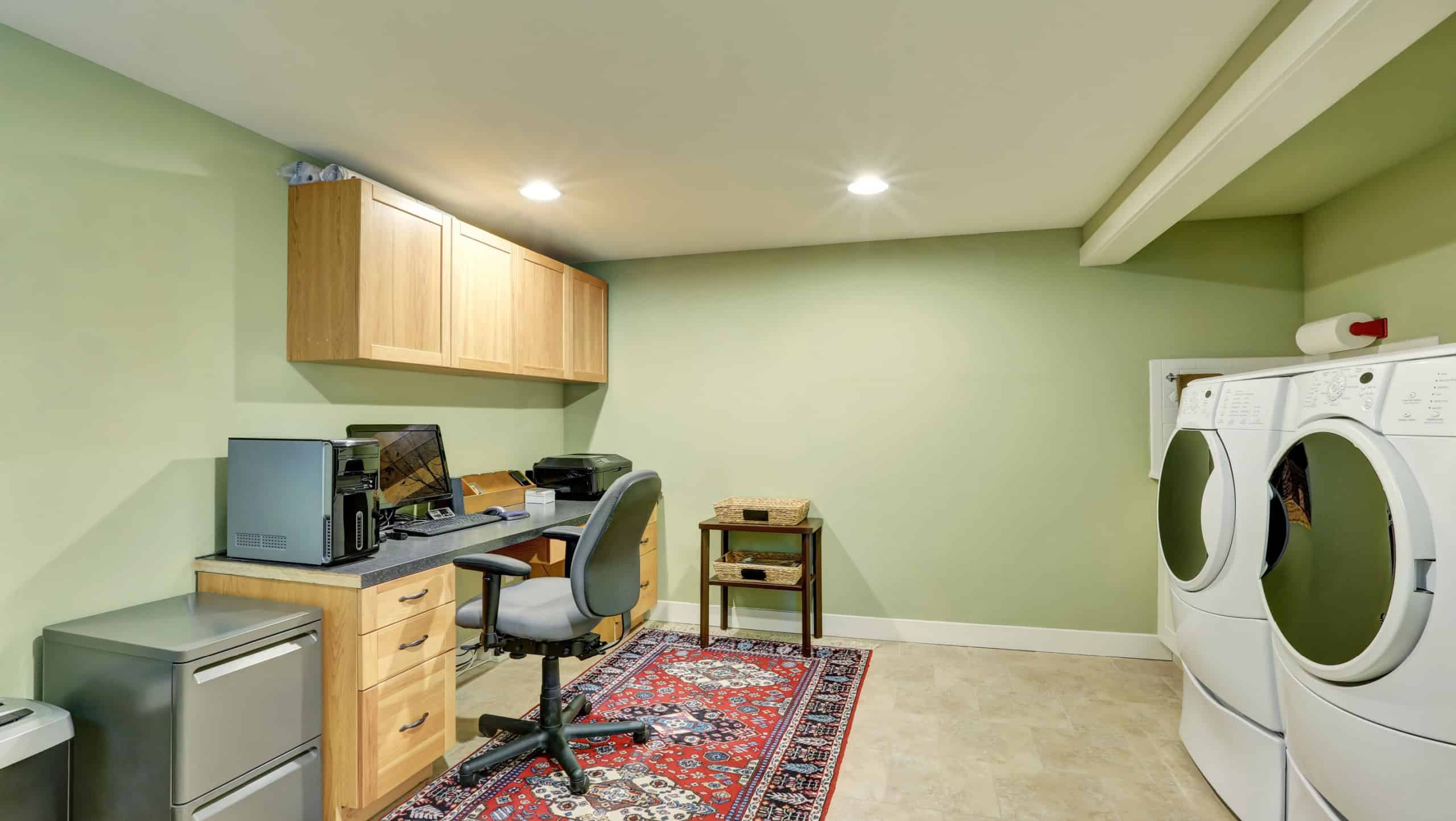
Back in the height of the 1990s dot-com era, many corporations hired professional wet cleaning services so employees could simply drop off their dirty clothes on Monday mornings at a designated station in the basement of the office building.
They’d have your clothes washed, dried, and pressed so you’d never have to step foot outside of your office community on your days off.
Rolling happy hour

Before tech start-ups equipped breakrooms with complicated micro-breweries or artisanal kombucha taps, watering holes were portable.
Once a week, precisely at 3pm on Friday, someone from administration would roll out a bar cart complete with top shelf alcohol, ice buckets, and cups to each employee’s desk.
Work stopped as employees poured drinks into rocks glasses at their desks and chatted with bosses to mark the week’s end.
Mirror finish
Years ago, arriving at a prestigious bank, law office, or corporate setting meant employees had to follow rigid rules of traditional decorum.
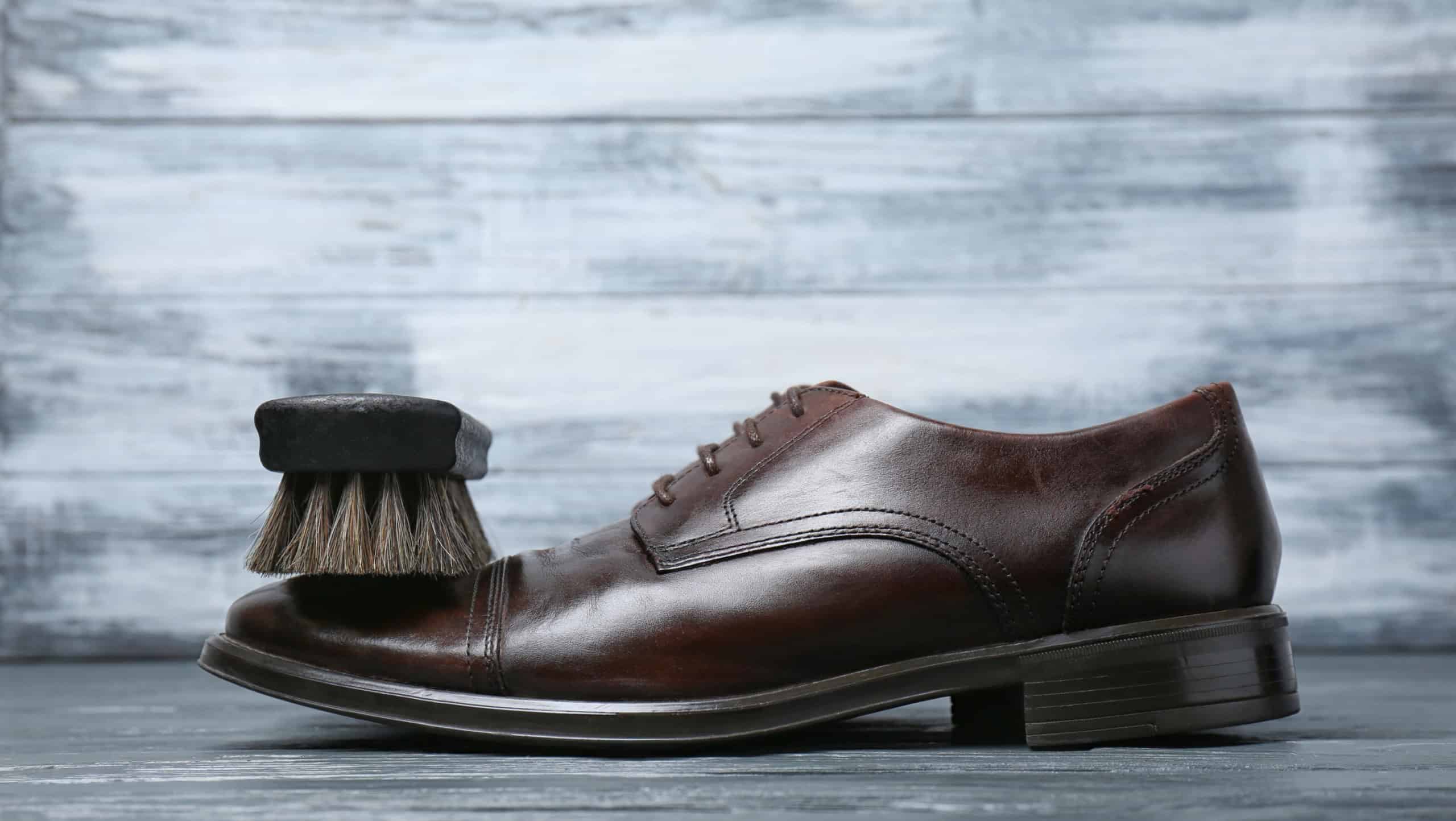
Businesses employed a professional shoe shine man to sit in a boot tray stationed next to the entrance or executive bathrooms.
Staff could take advantage of a coffee break to get a perfect buff and shine on their dress shoes whenever they pleased.
Kids next door

Hard to believe for parents in the workforce now, but there was a day when large companies ran full daycare centers within the building.
Businesses invested in daycares to reduce turnover and morning chaos so parents could drop off their young children down the hall before sitting at their desks.
The benefit quickly went away as company liability insurance premiums soared and office space costs became too great to use up space on non-desk generating needs.
The company cabin

Back in the mid-century’s prosperous times, it was common for big companies to really step up in helping their long-serving employees step away from their duties.
Government utilities, large banks, and massive manufacturing operations commonly maintained vacation properties. It’s not like they were reserved for CEOs only. Companies often made lake cabins, mountain lodges, and beach bungalows available for staff and their relatives.
Workers could book these peaceful retreats for their summer holidays at absolutely no cost or a fraction of the usual price.
The concept was simple. A stressed out worker is more likely to make a costly mistake or simply quit. Companies wanted veteran employees to stick around, so giving them good reason to take time off was considered wise.
The holiday bird
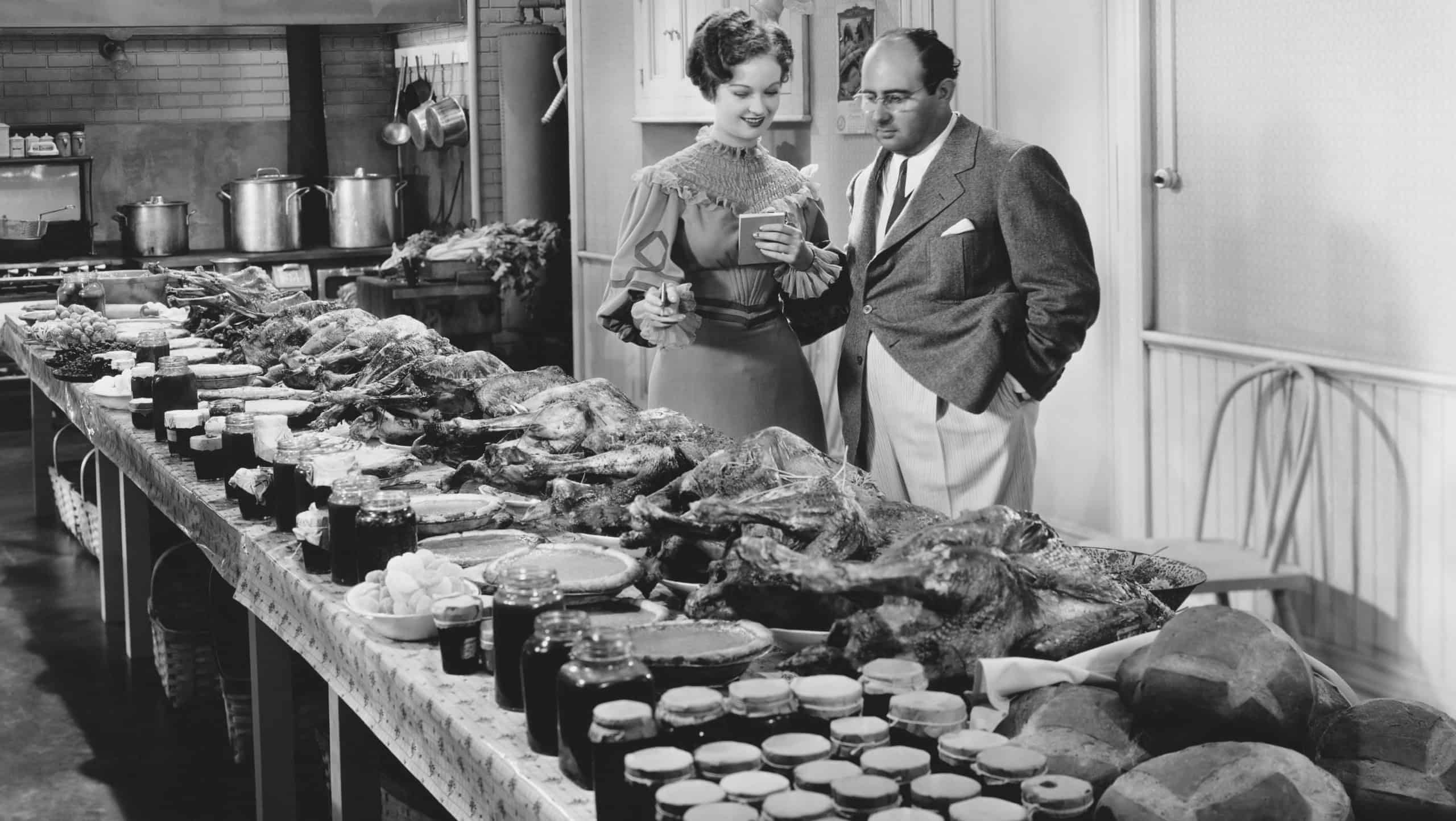
Gift cards and company-wide Google Wallet accounts weren’t always how companies blessed us each winter.
Each December, managers would wheel a huge pallet piled high with frozen turkeys or whole smoked hams right into the main lobby.
Every single person on staff, from the top brass to the newest hire, received their own substantial bird to enjoy with their loved ones, a concrete sign of seasonal appreciation from the company’s leadership.
The travel desk
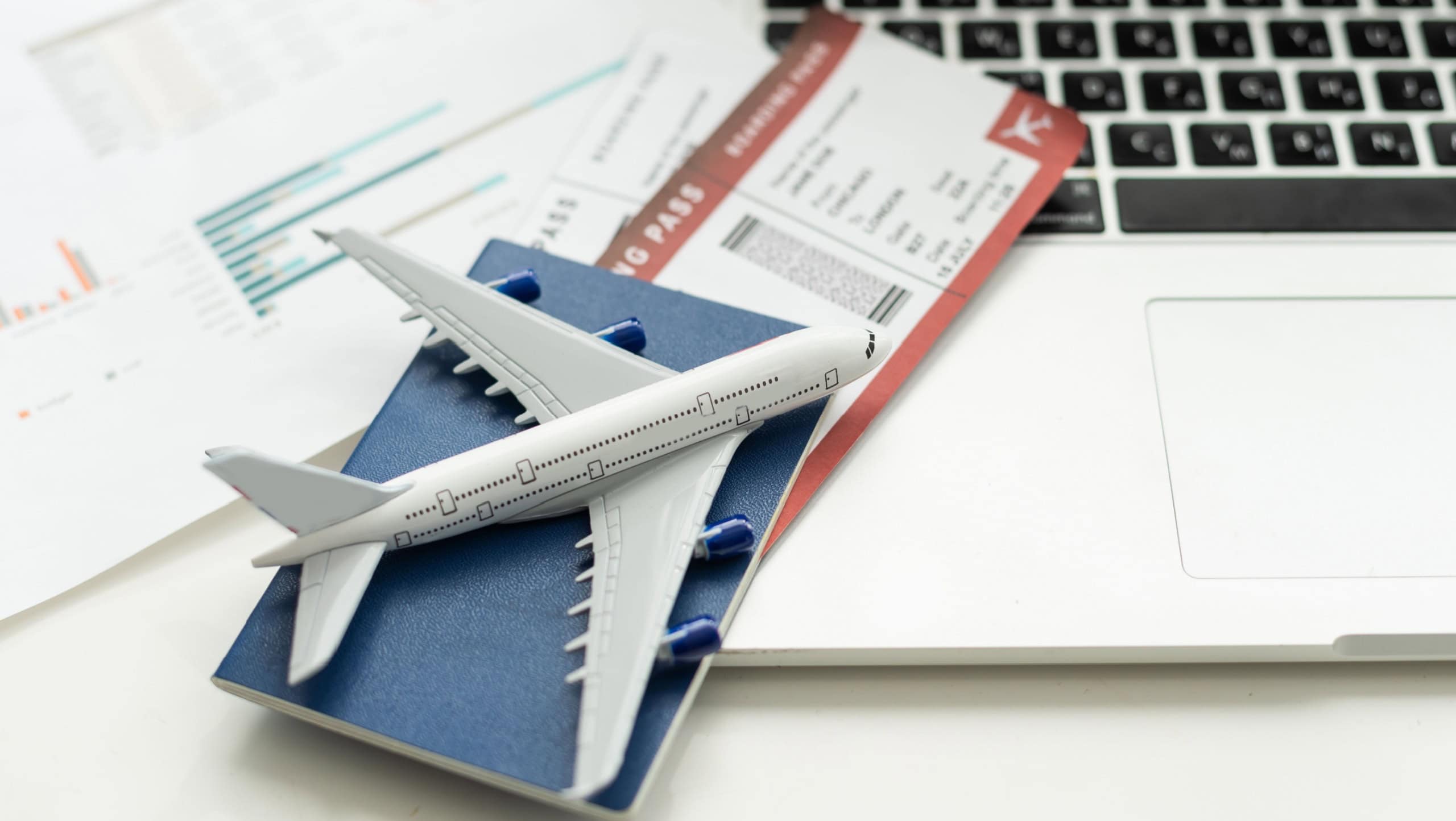
Back in the day, before anyone could just hop online and book flights through internet booking engines, figuring out a business trip or family vacation was a real headache, a logistical mess.
In order to save employees time, massive corporate headquarters used to have a whole room with travel agents.
All an employee had to do was walk down the hall during lunch, write down their destination on a piece of paper, and sit back while the agent took care of all the intricate booking, vouchers, and itinerary planning.
Dining in style

The idea of eating a rushed salad at your desk or a wilted sandwich from a styrofoam container would be unthinkable to a mid-century businessman.
Large corporations had cafeteria’s located on the top floor that operated much more like private dining rooms, replete with white-tablecloth settings, professional chefs, formal attire (ties required) and crystal glassware.
Senior executives and their guests enjoyed elaborate, multi-course lunches each day, underscoring the strategic importance of midday dining.
Your desk waits

Back in the day, sticking around with the same company for five or ten years got you more than just a tacky plastic plaque or a generic “way to go” email.
Several well-known companies offered loyal employees a paid vacation of anywhere between three and six months.
The goal was for employees to completely refresh themselves by doing whatever they wanted with no strings attached, knowing that your job would be there when you got back.
Corporate champions

Life inside the company wasn’t strictly 9-to-5. Hyper competitive company sports leagues were common in decades past.
It wasn’t enough for businesses to just book a field at the town’s park. They purchased uniforms stitched with the company logo, provided professional gear, and celebrated victories with pizza or beers at the local pub for baseball, bowling, or basketball teams.
Companies poured significant resources into their sports leagues, seeing victory over rival firms as a serious point of pride and covering all employee expenses to cultivate a strong sense of internal fellowship.
New city, paid

If your company decided they wanted to move you to their branch office in another region back in the mid-to-late 1900s, they made the process as seamless as possible.
Relocation benefits from your company wouldn’t merely consist of one lump sum of money. They handled the movers to pack everything, covered temporary lodging, and even footed the bill for the real estate agent to sell your old place.
Some companies would even go so far as to purchase your house for you if it didn’t sell, so you wouldn’t take a loss.
Lights dimmed

Back in the early and mid-twentieth century, workplaces did not consider burning out their employees a mark of loyalty. In fact, most managers thought it was bad leadership.
Quiet rooms were common in offices. Employees could slip away to these rooms to rest for some time midday. Rooms were typically filled with comfortable leather couches. Lights were kept low and noises were discouraged.
Enjoying a silent half-hour mid-day siesta to reboot your mind before the nightshift of paperwork was totally normal, honorable, and something your boss would encourage.
Door to desk

Years before the tech titans unleashed their controversial, hyper-modern private coaches on city streets, regular companies managed commuter transport in a more down-to-earth way.
Vast suburban office complexes and sprawling factory sites managed their own bus networks, featuring comfortable seats and generous space, with stops at convenient neighborhood spots to collect employees daily.
These employer-sponsored transports eliminated the stress of driving or rushing to the station in the morning.
The new suit

Companies used to recognize milestones in your career (coming back from a long illness or earning a big promotion) by providing tangible gifts.
There was an allowance given to you by Human Resources to spend only at the local tailor or upscale department store.
It was in addition to your pay check and provided only so you could buy yourself a new, fancy suit.
Sources: Please see here for a complete listing of all sources that were consulted in the preparation of this article.
Like our content? Be sure to follow us.
Office expectations that were once assumed

Have you ever wondered what “work ethic” really meant in the past? It wasn’t about rushing or checking off tasks quickly. People were judged by patience, skill, and loyalty, not shortcuts. Jobs demanded care, commitment, and respect for rules that shaped every day. Over time, these standards faded. Here are 11 real habits that once defined true work ethic.


