

There’s no rulebook about how to act in public, yet there are many aspects of our behavior that we’re all expected to know without being told.
The doorway has an order
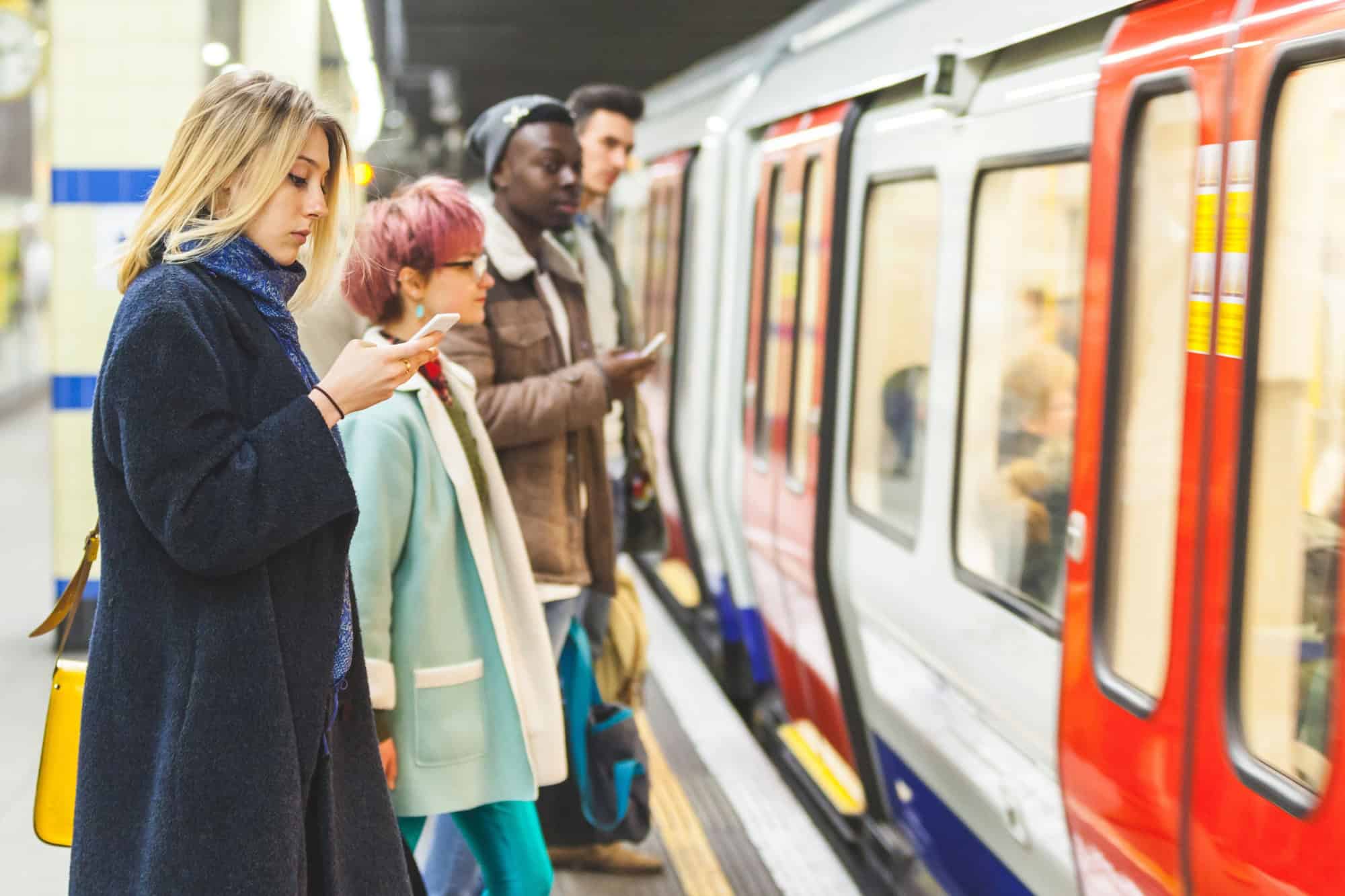
The rules about being on the subway and other public transportation are quite specific. When other people are trying to get off, you’re supposed to move out of the way to let them do so. It doesn’t matter whether it’s a bus, a train, or even an elevator.
You have to wait until they’ve finished getting off before boarding. That’s not all, as you’re also expected to stand beside the doors, rather than directly in front of them, regardless of whether you’re in a hurry. Social rules say you have to let everyone off before making your entrance.
A little distance goes a long way

You walk into a waiting room with ten chairs, and there’s only one other person sitting there. You probably wouldn’t sit right next to them because that’d be awkward. Of course, there’s technically nothing stopping you from sitting there, aside from the empty seat rule.
It applies to public transportation and other shared seating areas, too. We’re expected to leave a little space when there’s enough room to do so, as sitting right next to a stranger is rather uncomfortable. You can only sit there when there are no other seats available.
An unusual bathroom calculation
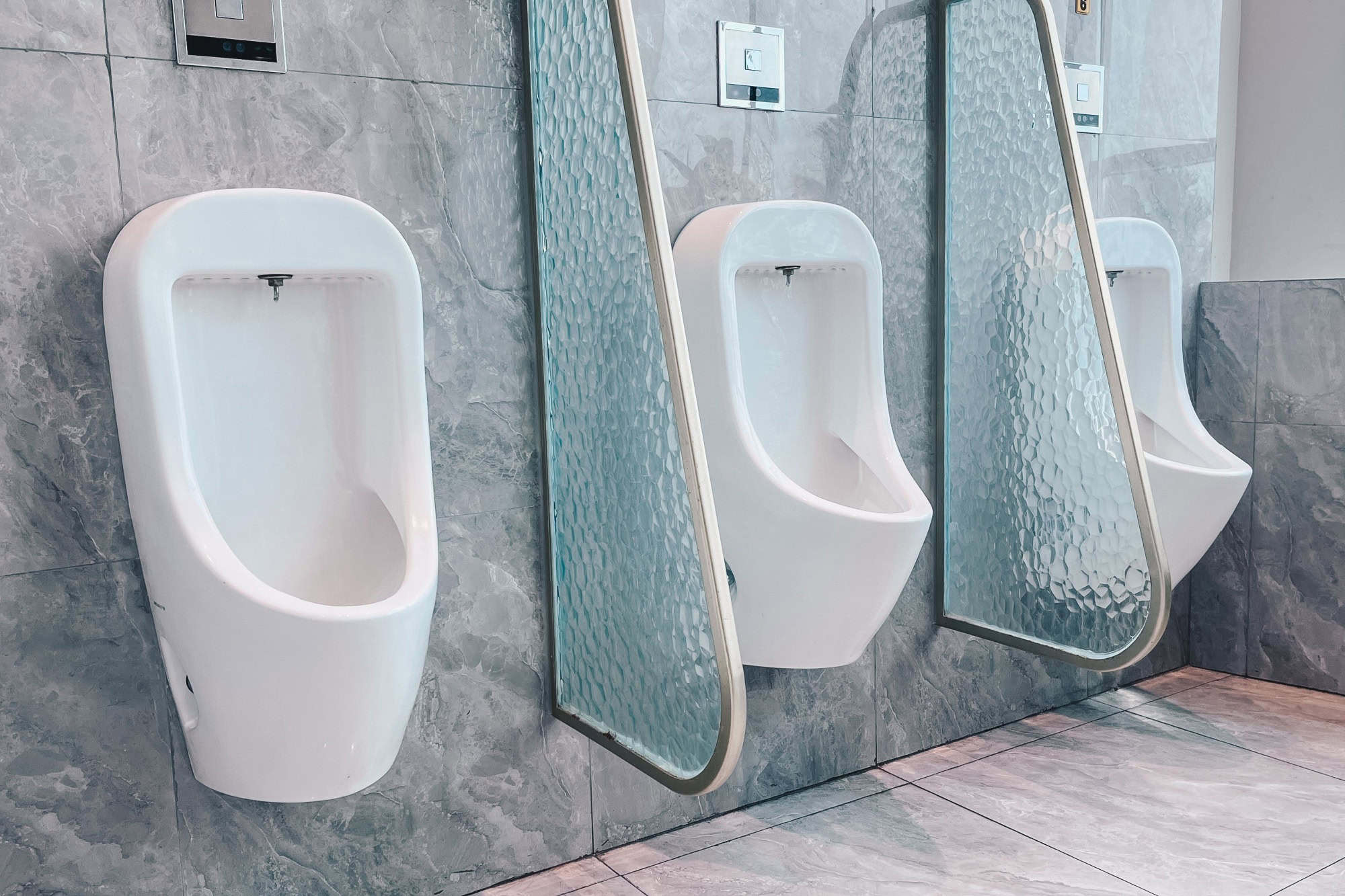
There’s a similar rule in men’s public restrooms, although it doesn’t have anything to do with sitting. If there are five urinals and there’s one person using the middle one, you’re generally meant to leave at least one urinal between yourself and them.
You have to create some distance between yourself and the other guy. The funny thing is, it’s not a rule that any man learns in school or from his loved ones. It’s just something that guys pick up on naturally, without any discussion.
The sidewalk isn’t a stopping place
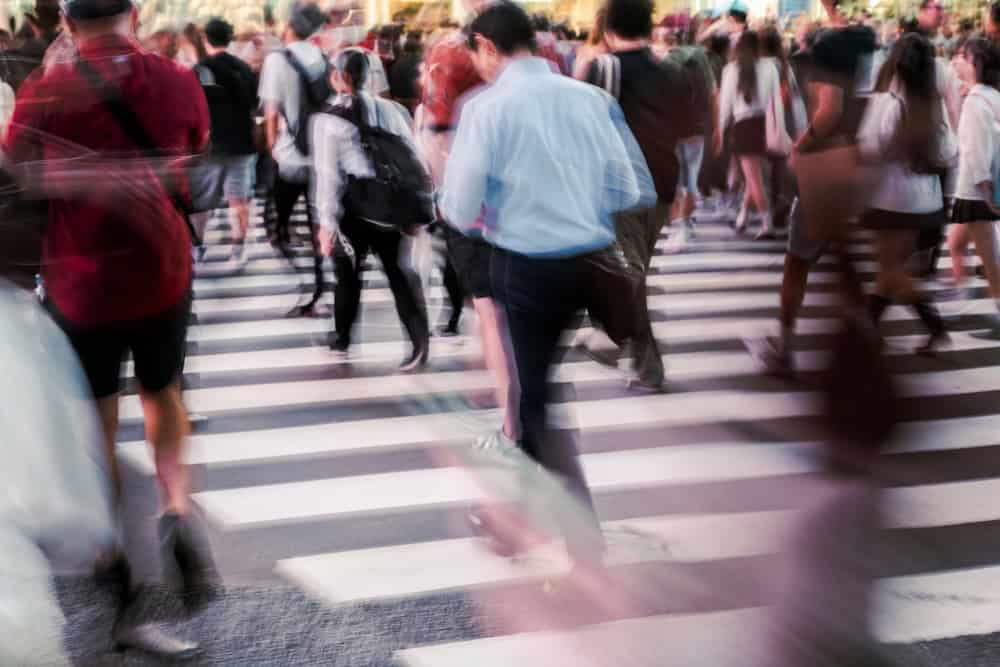
It’s so annoying when you’re walking in a public place, and someone stops dead in front of you. For starters, it means you’ll probably end up walking straight into them. For another, it directly goes against the social rule that we’re all supposed to follow.
We’re not meant to stop suddenly in a crowded walkway, and we’re expected to move to the side instead. It’s the height of rudeness to come to a complete stop when everyone else is trying to get through.
A thank-you without saying anything
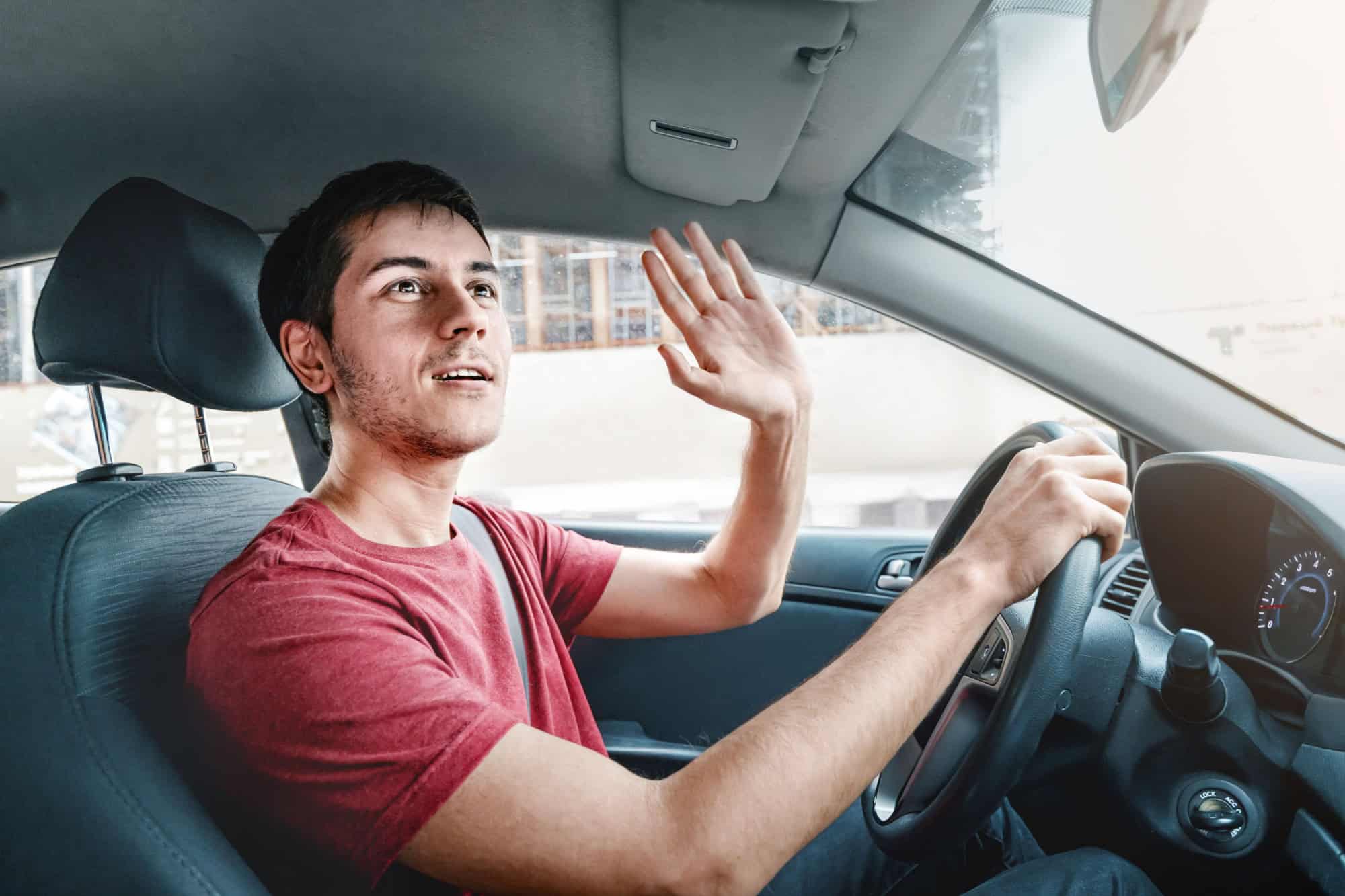
There are many gestures you have to get used to as a driver, and one of the most common ones is the thank-you wave. You have to raise your hand to acknowledge someone when they allow you to merge into traffic.
It’s basic politeness, really. Of course, it’s not an actual legal requirement, and there’s no guarantee the other driver will even see your gesture. But it’s still a custom that we do without really thinking much about it.
The discreet warning

Whenever you see someone with their zipper open or a stain on their shirt, there are rules about what you’re meant to do. You’re supposed to point out the issue to them, but very subtly. You’re not meant to announce it loudly enough for everyone to hear.
That’d make things way too uncomfortable. No, you’re generally expected to discreetly let people know about embarrassing problems with their clothing, and that usually involves giving them a quick word when nobody else is listening.
An offer that doesn’t need a debate

If you offer someone something at a party and they refuse, you have to leave it at that. It’s not important that you think they’d really enjoy what you’re giving them, as ‘No, thanks’ is a perfectly complete answer.
Social rules state that you shouldn’t ask them why they don’t want it or insist that they try a little. You shouldn’t make a big deal about their decision. Unfortunately, there are some people who break this social rule, but the majority of us accept their refusal at face value.
Money needs a little privacy
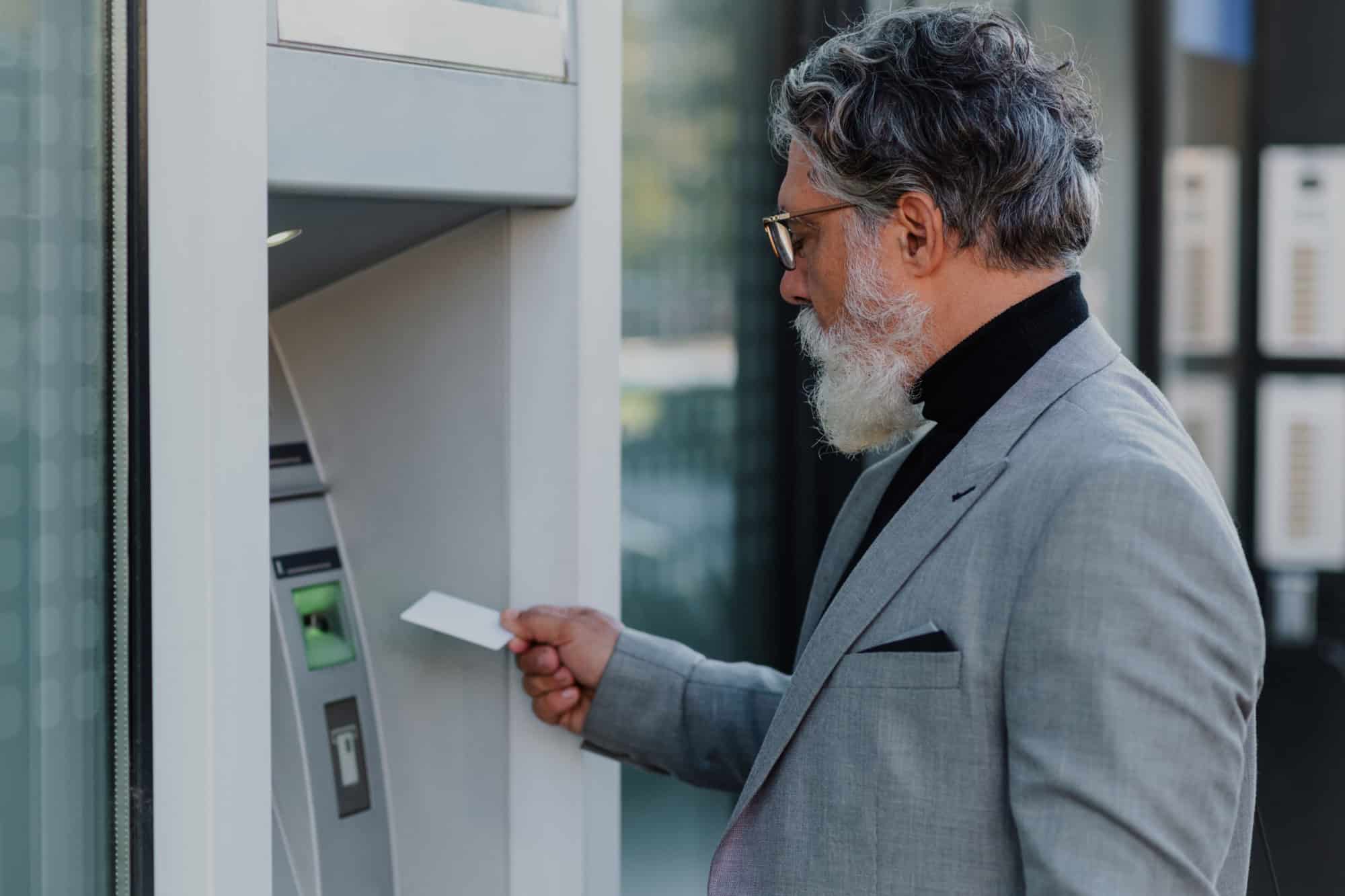
It doesn’t feel good to have an audience while you’re counting money. Whether you’re at the bank or at the ATM, you want your privacy when you’re sorting through bills, and it’s not something you should have to ask for.
The unspoken rule is that you should look away when somebody is counting cash, and you should make it really obvious that you’re not looking at them. You’re expected to give them some privacy rather than keeping an eye on how much they have.
An appointment without an explanation

‘What are you going to the doctor for?’ sounds like it should be a fairly innocent question. Maybe it is. Still, most of us won’t ever ask it, and especially not with people we don’t know very well. We know that medical appointments are personal, so asking about them is over the line.
Someone mentioning having an appointment isn’t an invitation for you to ask questions about their health. It could be a routine checkup, or it could be something they’d rather not talk about over lunch. Either way, you shouldn’t make a conversation out of it.
The checkout moment nobody mentions

There’s one thing and one thing only that you do when someone else’s card is declined. You ignore it. That’s right, you pretend you didn’t hear a thing, and you look away or suddenly become very interested in something else.
You definitely don’t start looking at the person’s shopping and watch them try another card. No, the social expectation is to let them resolve the issue in private. Doing anything else would be so rude.
Sources: Please see here for a complete listing of all sources that were consulted in the preparation of this article.
10 quiet ways people show respect in public spaces

Acts of respect don’t always happen loudly in the public sphere. Often they are folded into the mundane fabric of daily life, expressed in small ways, and maybe without anyone’s witness.
