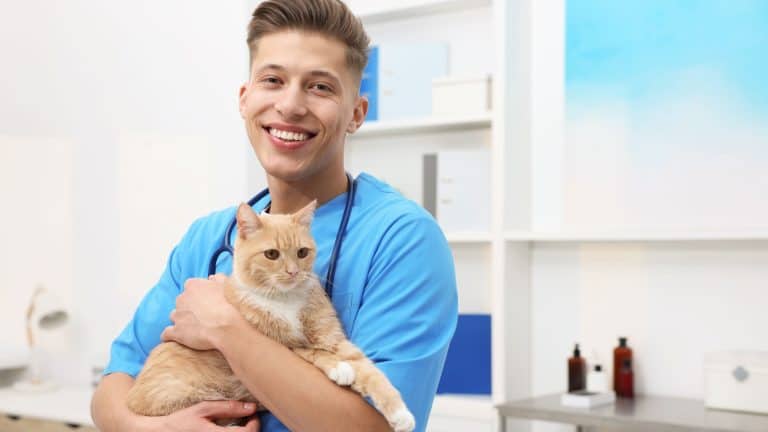

While orange cats have become the comedians of the internet, the real story behind them is a lot stranger than the memes keep saying about them.
It starts with one letter
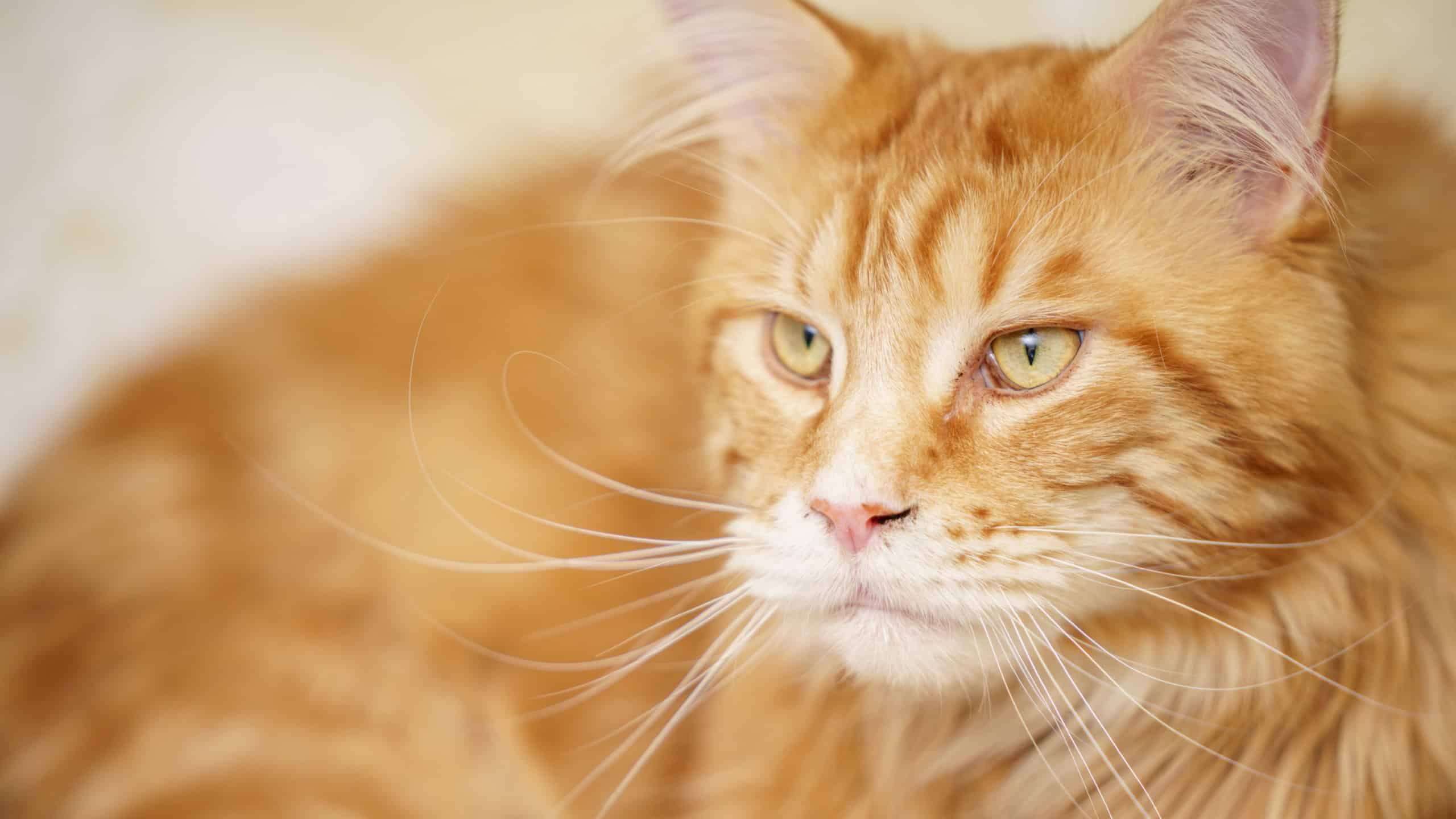
Here’s one people noticed at shelters and vet clinics. It’s the number of orange cats they had. They seemed to have way more male ones than female ones, and it turns out, there’s a reason for that. Male cats only need one X chromosome with the orange gene.
They’ll come out that color. But female cats? They need the gene in both X chromosomes to be orange. No, it doesn’t mean all orange cats are boys, but the chances sure are way higher.
Orange fur works by its own rules

The way they get their orange color is actually pretty unique, too. Most orange or reddish animals get their color from pigment genes. They switch the shades on, or off, in direct ways, but an orange cat’s color comes straight from its chromosomes.
That makes it a sex-based color, instead of a pigment-based one. Who would’ve thought it? An orange house cat on the couch has one of the strangest coat-color systems in the animal world.
The color has another name
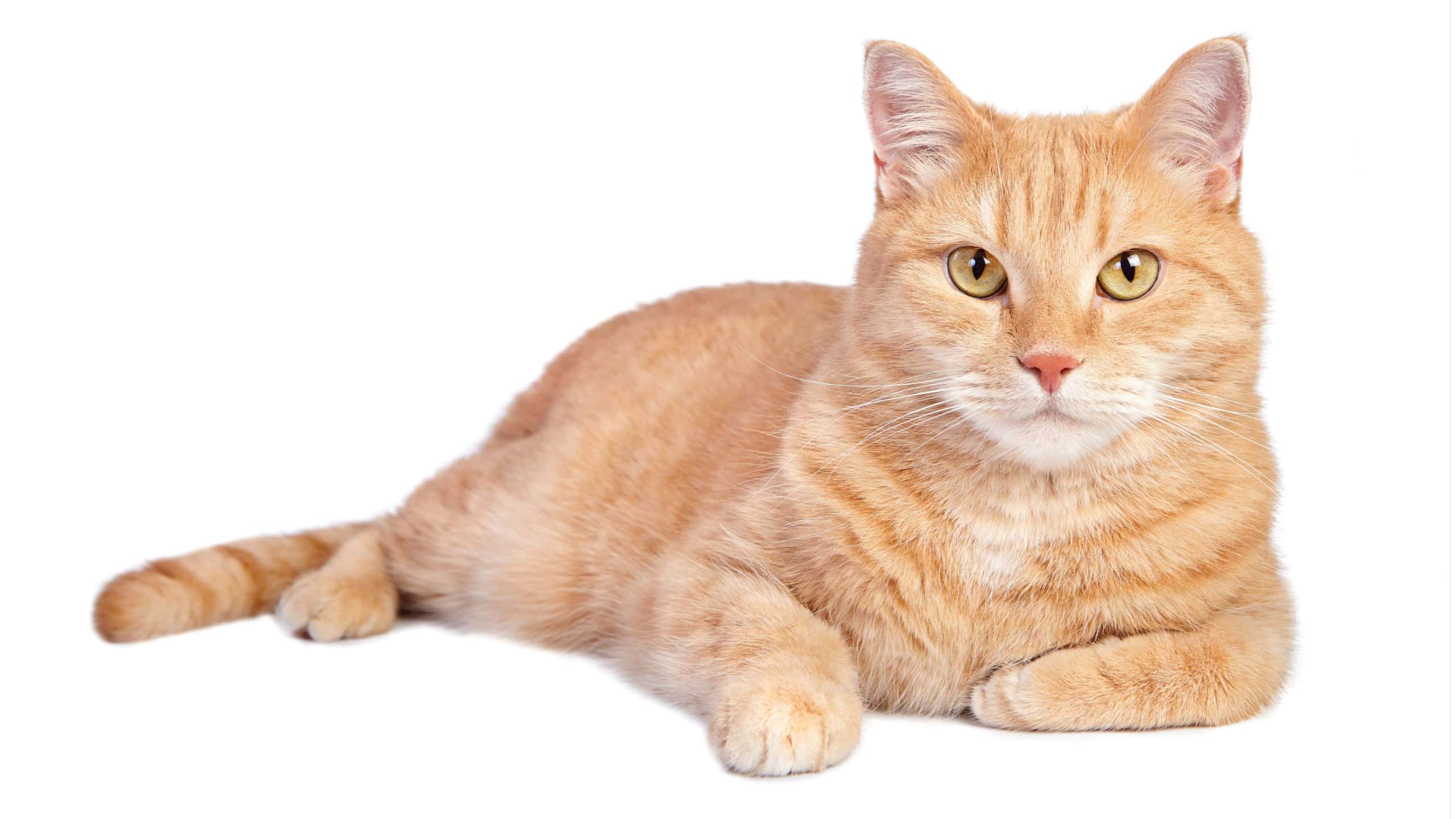
Orange cats are orange. Technically, no. Genetic science puts these felines closer to red cats, although that’s obviously not fire-truck red. Their color’s from a pigment called pheomelanin. It makes their fur a reddish, yellowish kind of color. Some orange cats actually look golden.
Others are more of a deep color. Interestingly, scientists only figured out where the color comes from. It was a mystery for years. The color comes from a change in DNA near a gene called ARHGAP36.
The stripes
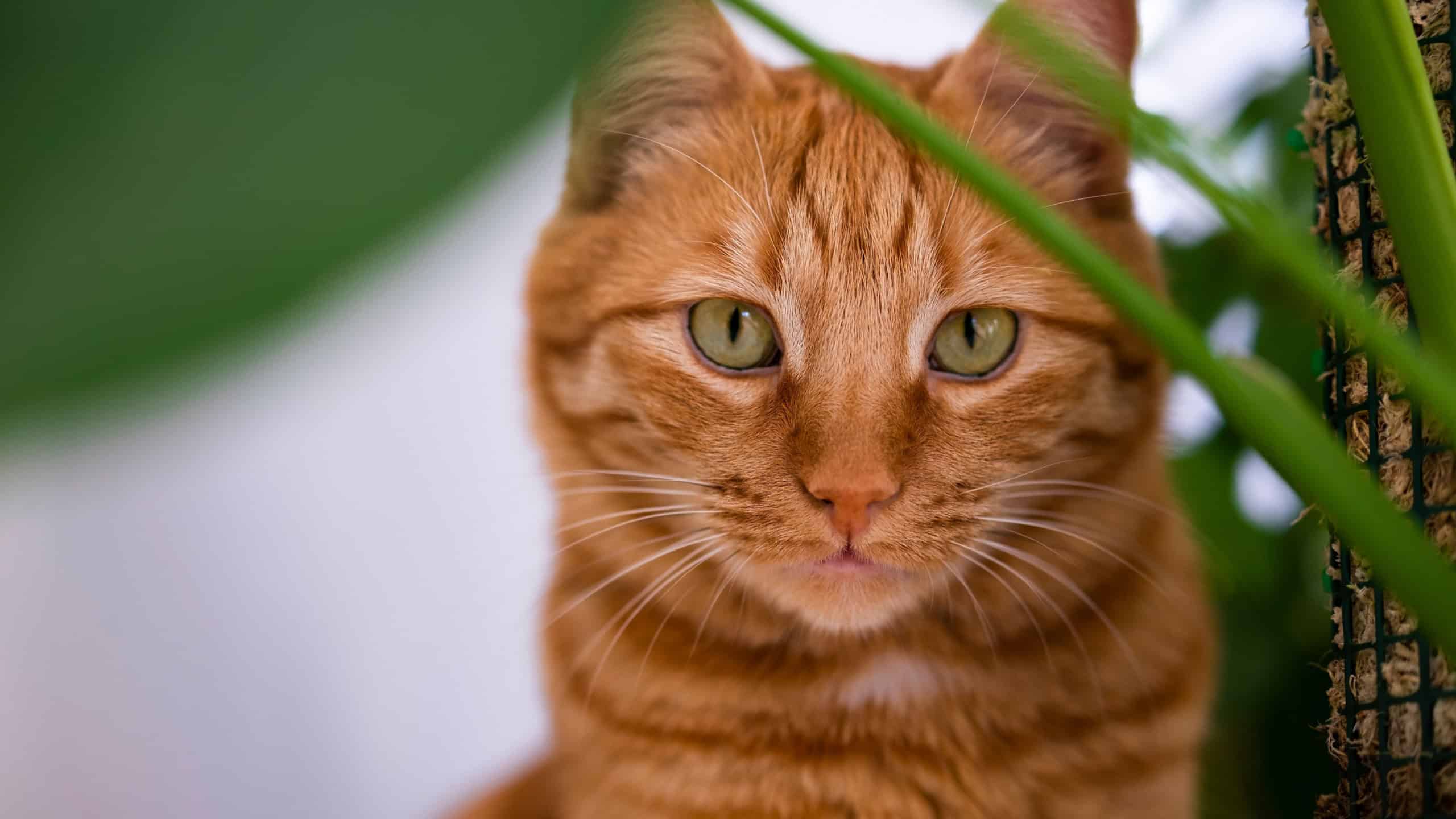
You’ll probably miss it when you see an orange cat. Almost all of them have some sort of tabby pattern on their fur. Yes, even the plain ones. Look closely enough, and you might see some faint stripes or some little rings on their tail. They’ve usually got dark lines near their legs.
Their forehead might even have an ‘M’ shape. That’s not all. Some orange cats have swirling patterns across their sides, and others have stripes that you’ll only see in bright light. A stripe-free orange cat is nearly impossible.
People may be filling in blanks
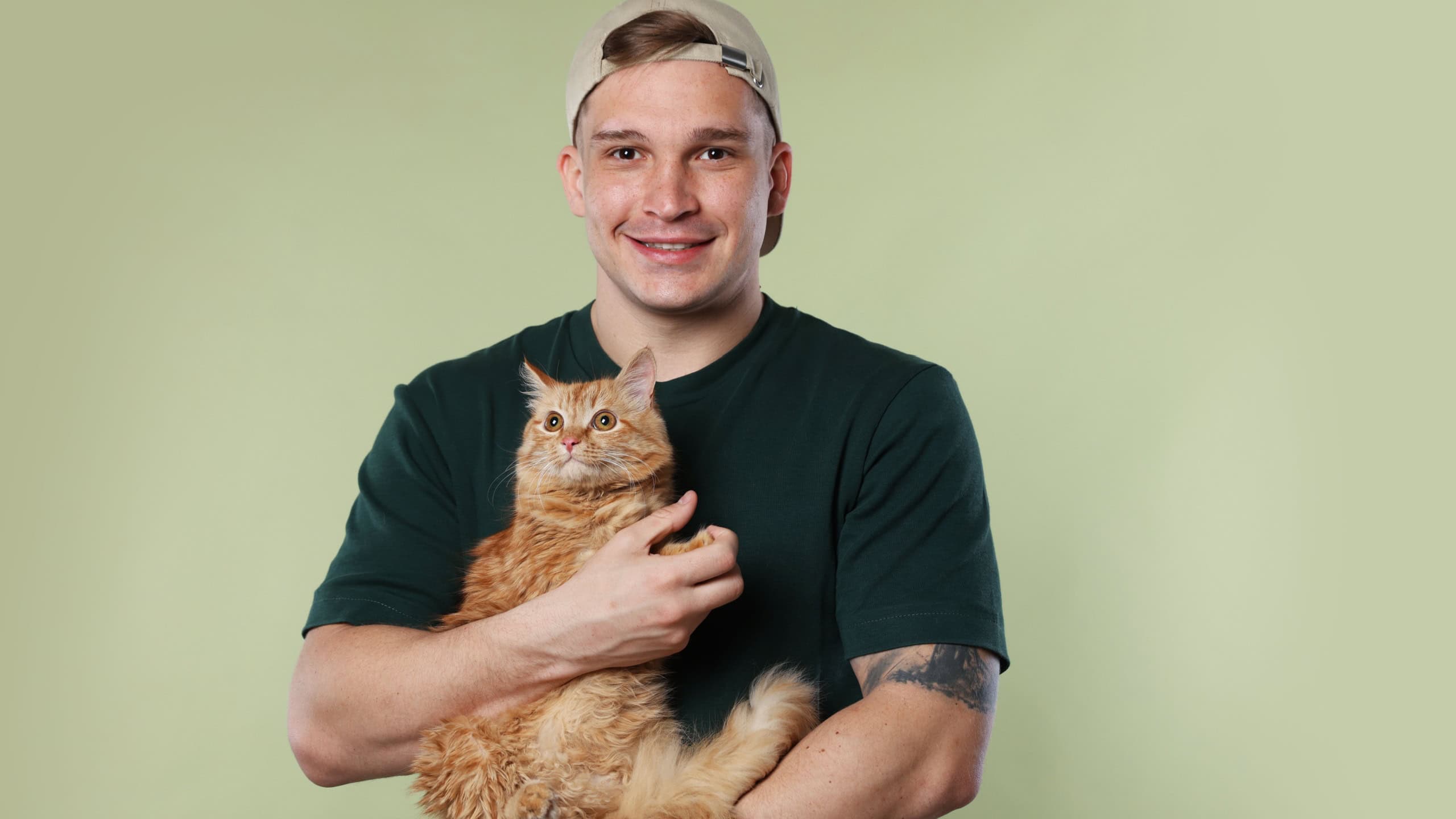
The internet loves to pretend orange cats are extra friendly. They’re extra goofy. They’re also apparently really social. Yes, people will swear that orange cats are easier around strangers and follow humans around more. But that’s not true. It’s all down to human opinions.
People who expect orange cats to be more friendly end up reading their behavior as being more friendly. There’s no scientific evidence for it. A cat’s coat color has no influence on its personality. So ‘classic orange cat behavior?’ That’s not accurate.
The jokes moved faster than the science
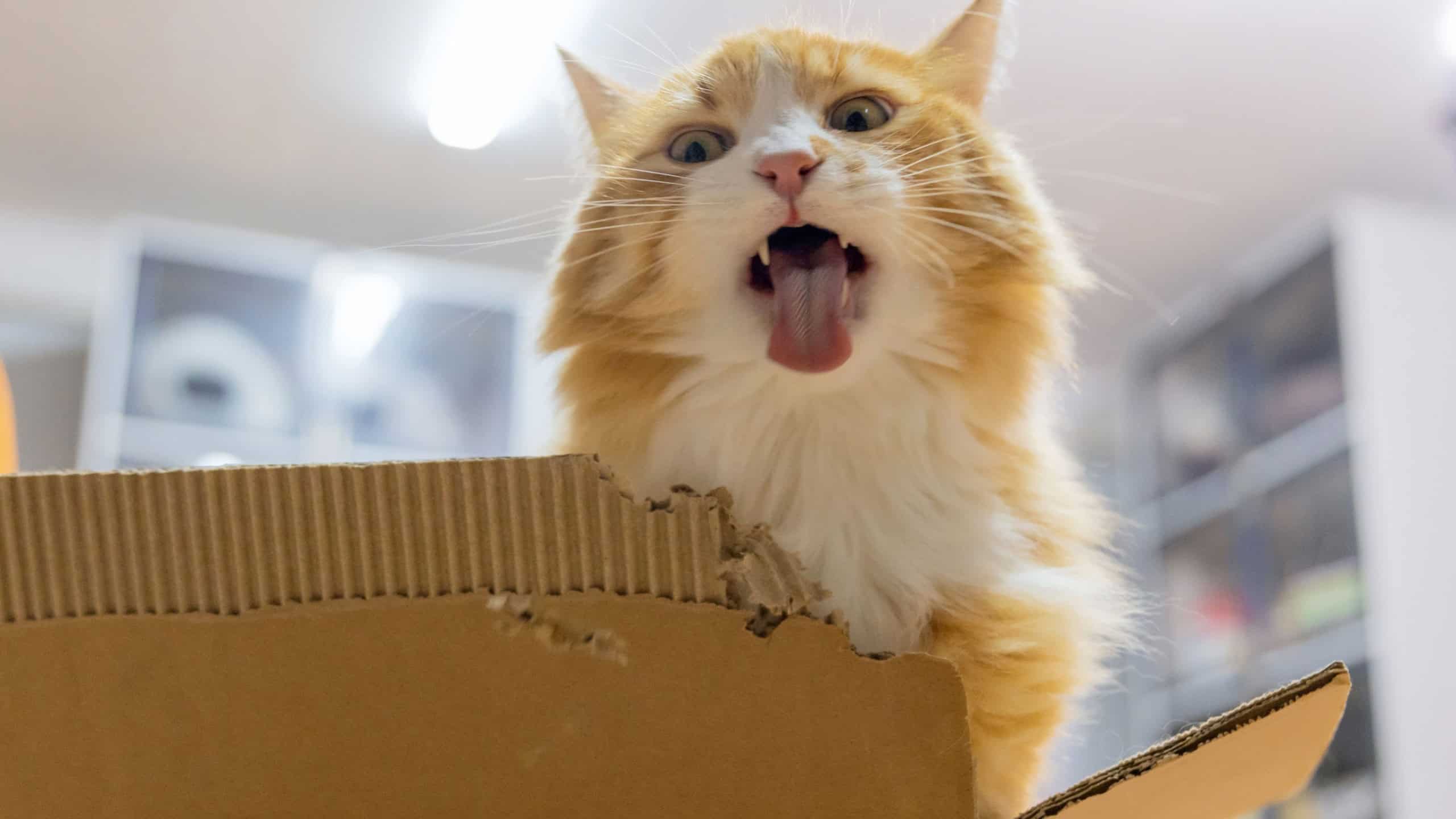
Likewise, the internet also claims these cats are louder and more obsessed with food. They say they’re more chaotic. But science disagrees. Orange cats don’t have some special genes making them act weirdly. They’re like every other cat.
Apart from their color, of course. The stereotype of them being so crazy doesn’t really hold up. It probably came from the fact that orange cats are easier to notice than other shades, especially when they’re running into walls.
The patchwork starts here
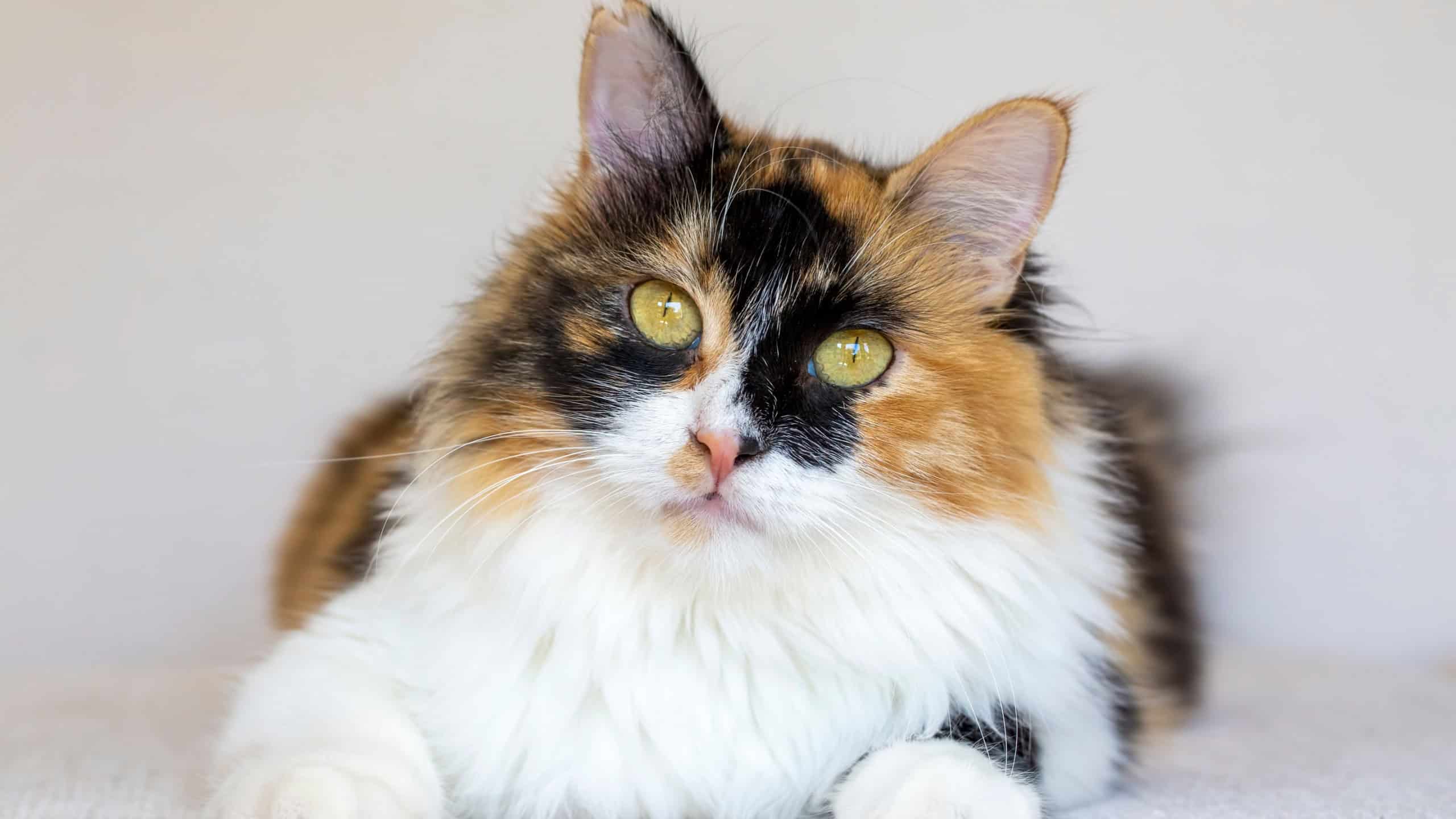
Calico and tortoiseshell cats have orange cats to thank. They wouldn’t look that way without them. The mix of orange and black comes from female cats carrying the orange gene on one of their X chromosomes. But some cells switch one X chromosome off when they’re in the womb.
The other cells switch off the other one. The result is those random color patches you see all over their bodies, and if they have some white spotting, they turn full calico. Male calicos exist, too. But like orange female cats, they’re pretty rare.
The tiny dots have a name
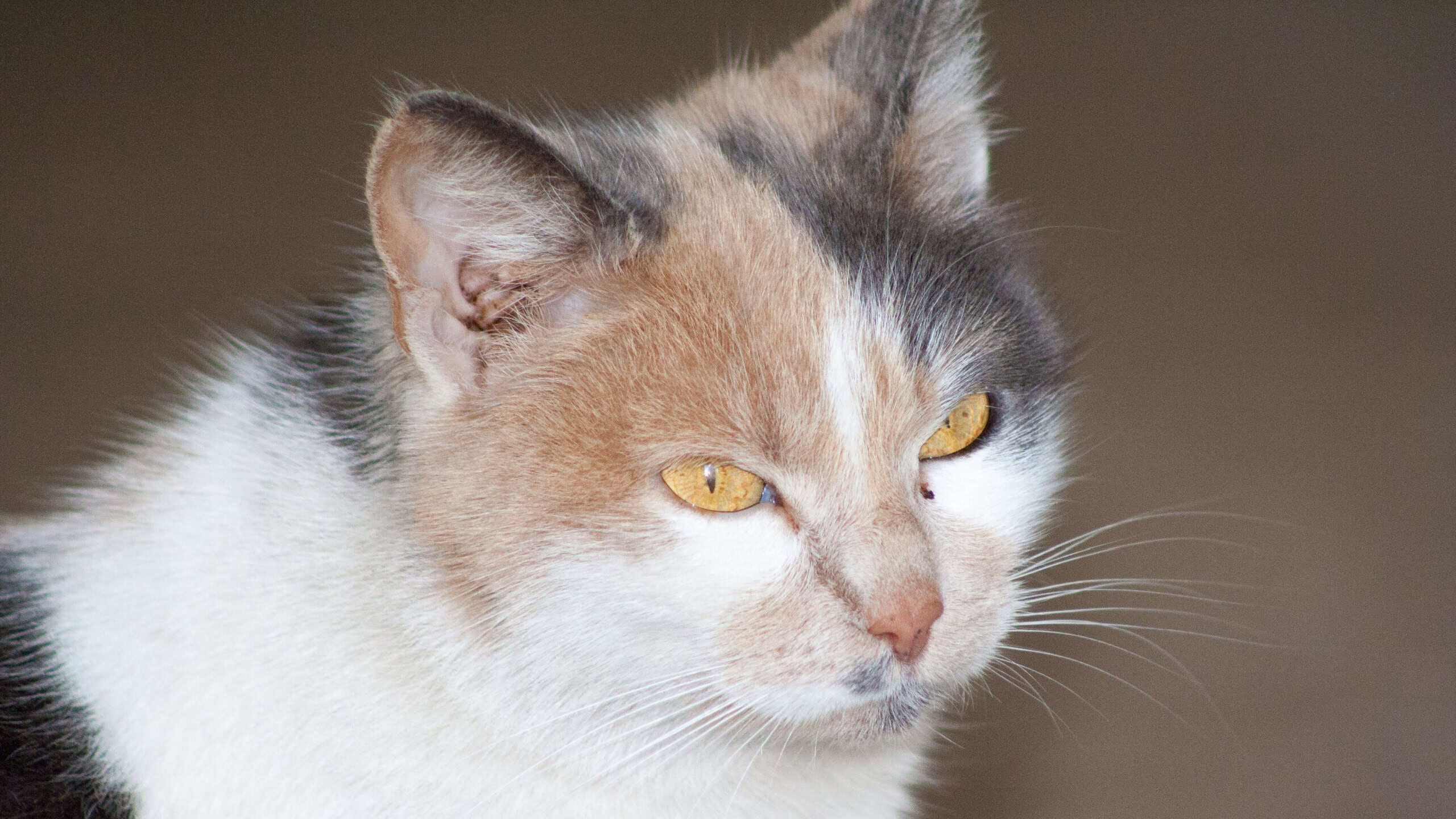
You might see an orange cat with black freckles. They’re usually around its lips, nose, gums, or eyelids. But don’t worry, they’re nothing to worry about, and they’re usually completely harmless. They’re called lentigo spots.
They’re more common in orange, calico, and tortoiseshell cats. Usually, there are one or two, and then these become three more, six months later. They’re kind of like cat freckles. An orange cat with a perfectly pink nose might look a little speckled once it’s middle-aged. That’s fine.
One cat got a title
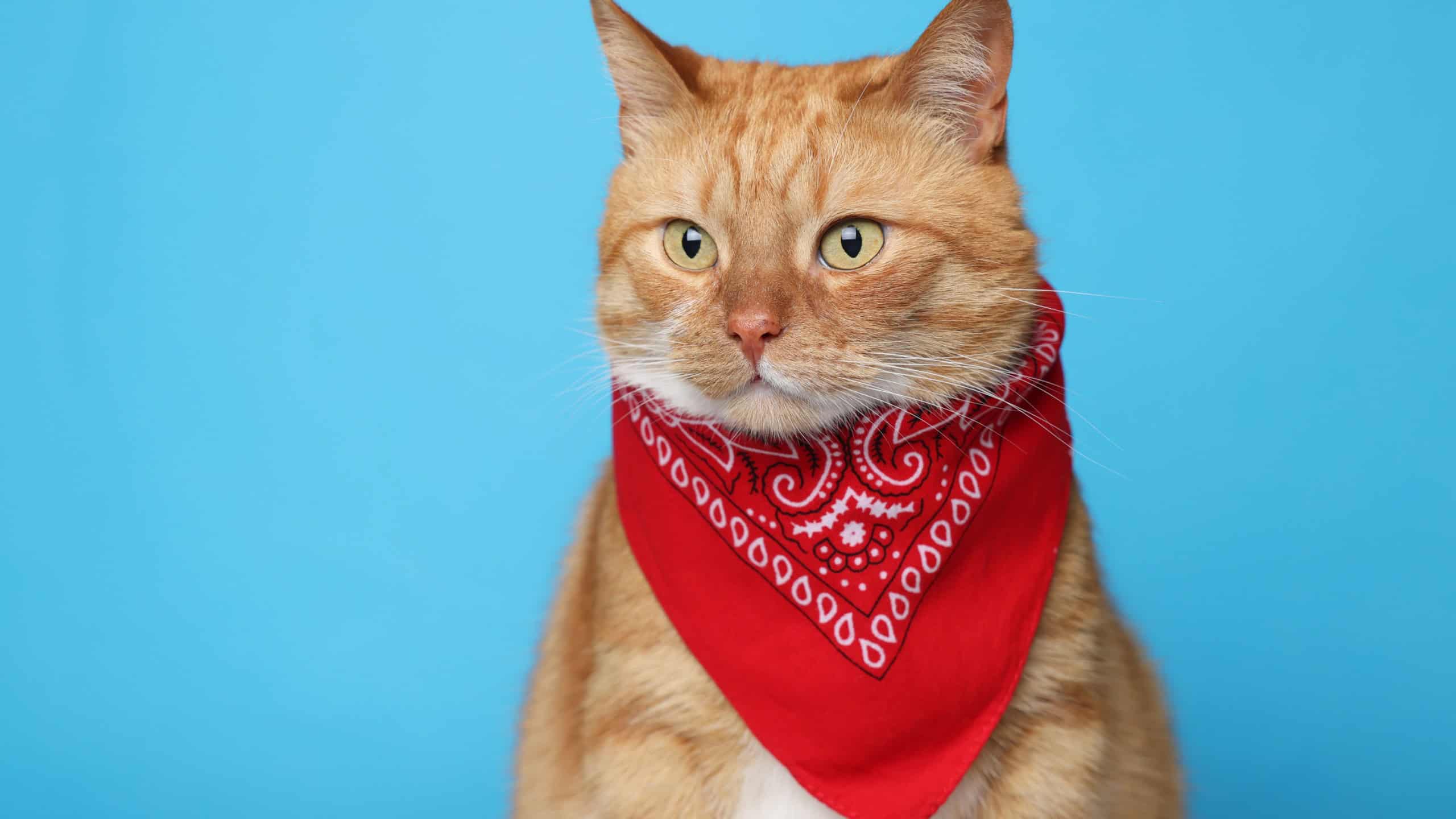
The weirdest cat fact comes from 1997. An orange tabby named Stubbs actually became the mayor of Talkeetna, Alaska. Seriously. Mayor. Tourists went past Nagley’s General Store to see him stretching out like he owned the place. Because he kind of did.
Stubbs held the title for years and attracted visitors from all over the world. He didn’t get much accomplished during his tenure, though. Stubby mostly napped and ignored everyone equally, so like most politicians, really.
The face can play tricks

People often say that orange cats look more human than other felines. They’ll say they’re more expressive. There’s a reason for that. Orange kitties usually have dark lines near their eyes and pale fur around their muzzles.
Now, every expression looks way more intense. You’ll even find some people saying their orange cat has eyebrows. They don’t. But it does make them look like they’re judging us. They probably are.
Sources: Please see here for a complete listing of all sources that were consulted in the preparation of this article.


