
When traveling or communicating with people around the world, huge ideological divides can arise between Americans and the people they’re interacting with.
Votes and power

It’s hardly a secret that the U.S. is quick to champion democratic ideals and the right of every country to chart its own course.
However, the disturbing trend of America secretly (and sometimes not-so-secretly) interfering in foreign elections has fostered colossal anger abroad.
Documents released by the government and political analysts have demonstrated how the U.S. has meddled in foreign elections since WWII through funding, propaganda, and even espionage in an attempt to elect leaders who will align with American interests.
As citizens of independent countries, many people are offended by the hypocrisy of the U.S. interfering with their country’s democratic process. They are angry that America, who gets so outraged when outsiders meddle in their own elections, will casually throw caution to the wind and weaponize politics abroad.
War and presence

Many people abroad have grown up seeing the United States deploy military forces or fund troops in the Middle East, Latin America, Africa, and Asia under the pretense of providing humanitarian assistance or being the “global police.”
Drone attacks, hundreds of military bases on foreign land, and supporting regime change wars abroad are not seen as the United States promoting peace.
Instead, people in the Middle East and Latin America have grown up seeing their governments dismantled by U.S. military actions that wrecked their economies and entire societies.
And this constant military intervention has caused the world to grow tired of the U.S. who they believe only cares about funding its massive defense budget.
Pill culture

The rest of the world mocks Americans for advertising medications directly to consumers.
In virtually every other developed country, pharmaceutical companies are not allowed to advertise drugs to consumers. Ideally, what transpires between a doctor and patient remains a private matter, grounded in pure scientific evidence.
Americans love to self-diagnose, share prescription pill stories at dinner parties, and medicalize normal human emotions.
Imported gratuity

Americans love to travel. When Americans visit other countries, they love to leave their huge tip jars full of cash at restaurants or services even when tipping isn’t customary.
Not only is it not expected but in many countries it could be seen as offensive.
As the servers and workers make a livable wage with benefits and are proud of the service they provide you, there is no need to tip like you’re upending their economy.
You’re really just artificially hiking up the cost of services and setting up workers for disappointment when you expect them to chase every last dollar.
One calendar
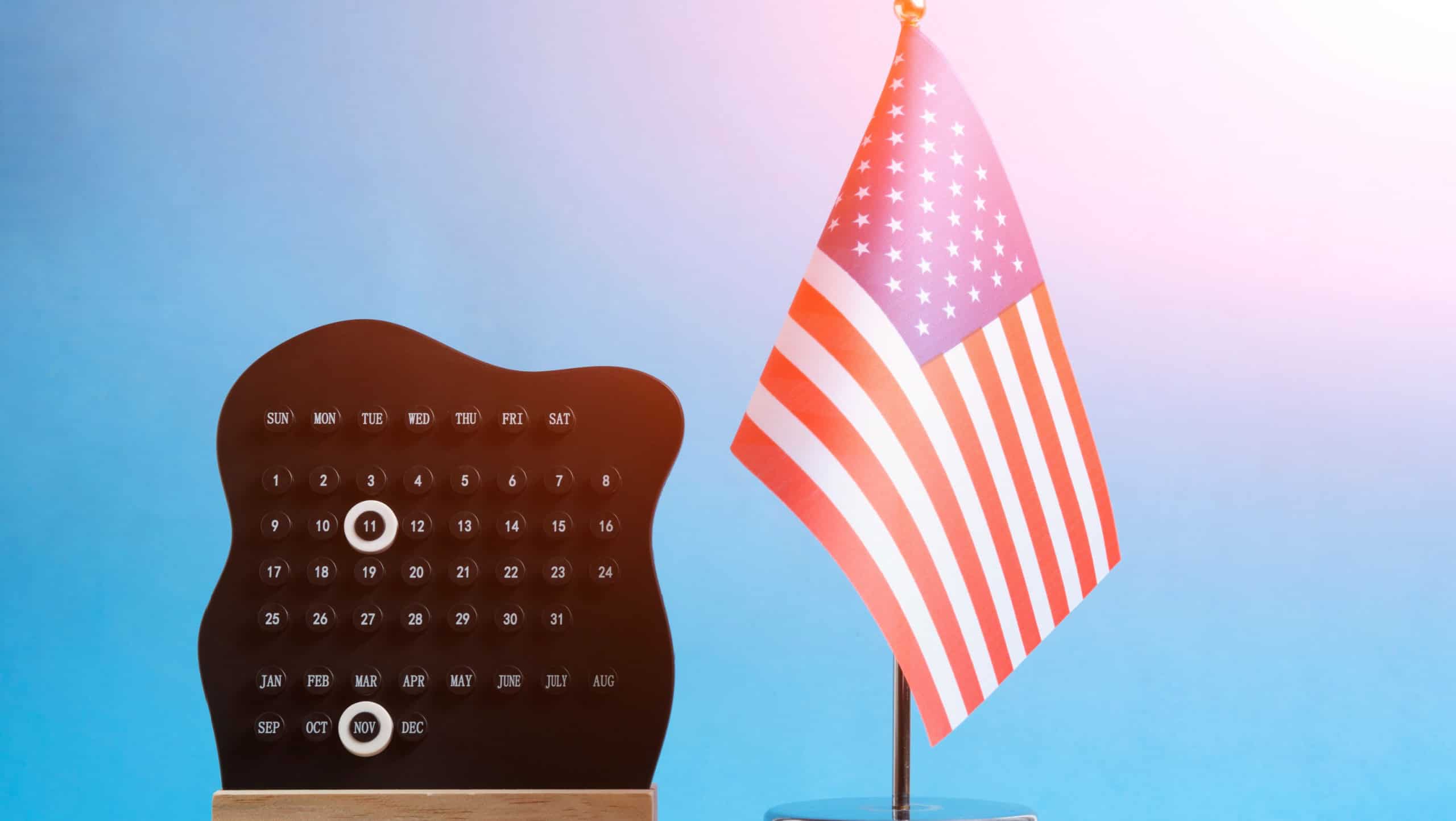
Whether it be comments sections online, international groups trying to plan gatherings, or while working out contracts for global business, Americans will frequently talk about going to do something “this fall” or make plans that revolve only around seasons that occur in the United States.
Sayings like “dropping this fall”, “when school lets out for Spring Break”, and “get ready for holiday season!” become insider speak that millions (if not billions) of people in the southern hemisphere or non-western cultures hear and want to bang their head against a wall.
It’s a micro example of how America often doesn’t realize or care that the entire world doesn’t revolve around our time zones or customs.
Me first

For many outside of the United States, American freedom can seem excessive, specially when individual choice seems to trump public safety.
Issues such as disregarding mask mandates, vaccine avoidance, and easing gun laws following school tragedies frequently draw this perspective from global observers.
Most developed countries have some version of a social contract where people are willing to sacrifice small personal comforts for the guaranteed safety and human decency of the masses. So, the American fixation on safeguarding the individual, no matter the cost, renders our society seemingly fractured and perilous to observers.
Heritage in numbers

If there is one thing Americans love to do, it’s self-proclaiming their ethnicity solely off a DIY DNA saliva kit they bought at a commercial store or their great-grandparent’s immigration documents.
Someone who speaks absolutely no Italian, has never set foot in Europe their whole life, and was raised in Ohio will tell you they’re “100% Italian” while talking to someone from Italy.
For actual citizens of those countries, it’s frankly embarrassing to see their deep-rooted culture reduced to a fashionable accessory bought from DNA testing services.
You don’t truly experience culture and nationality through a mere breakdown chart.
Continental naming debate
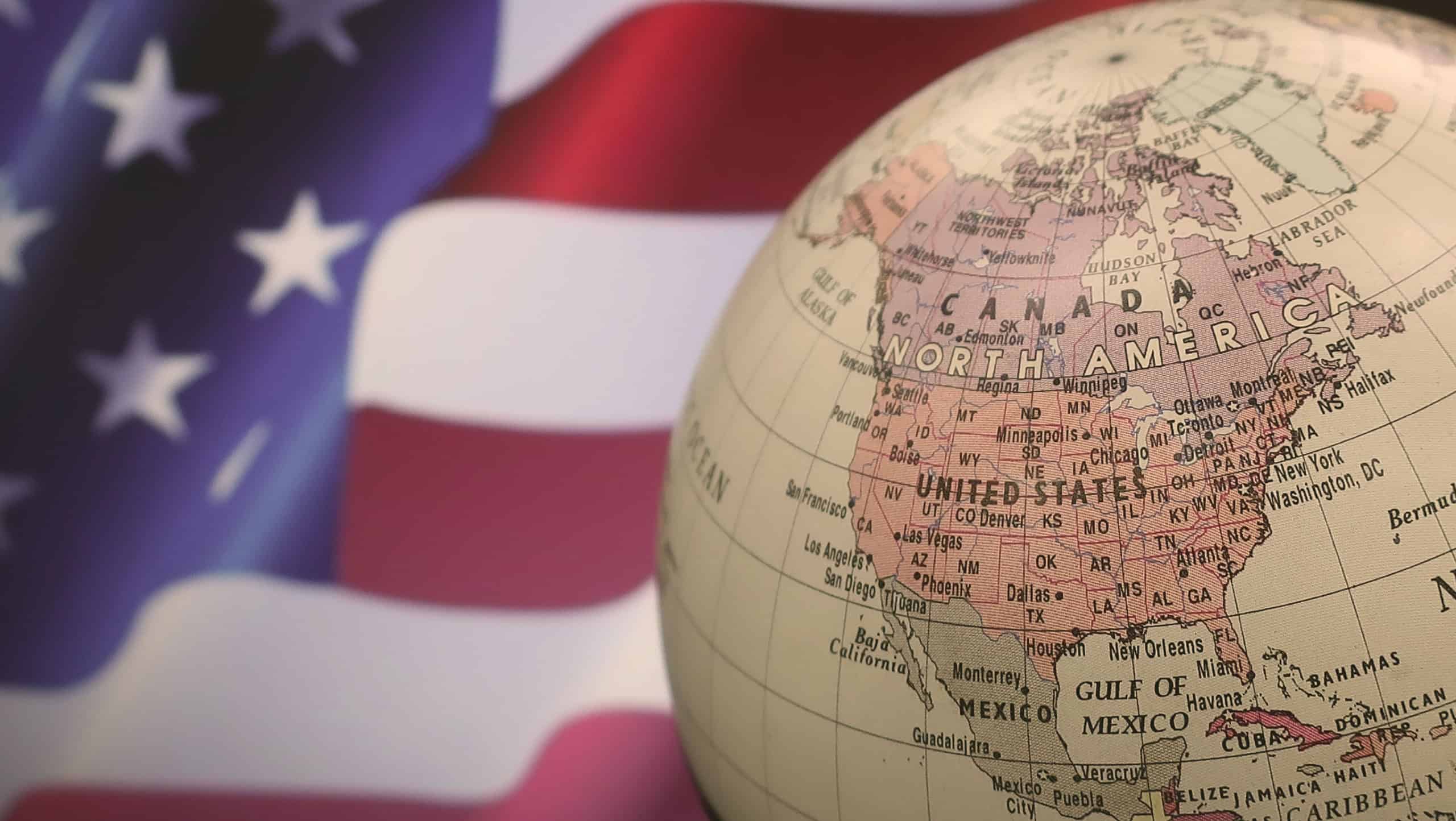
When people from the United States call themselves “Americans” and their nation “America,” it grates ever so slightly everywhere else in the Western Hemisphere.
North and South America are two continents full of over thirty independent countries stretching from Canada to the tip of Argentina. All of those countries are “America” and everyone in them is, by definition, American.
This habit of the U.S. taking the name of an entire continent for just one nation suggests a linguistic arrogance that effectively erases the presence of hundreds of millions of nearby inhabitants.
Sure, it’s universally understood when Americans shorten their country’s name in English, but across Spanish- and Portuguese-speaking America, it’s considered a symptom of chronic global hegemony.
The metric paradox

Despite the metric system being the go-to for American science and medicine, most folks here stick to inches, pounds, and Fahrenheit for daily use.
This means companies who market internationally usually must produce additional labels, manuals, and sizes just for their products sold in the U.S., creating unnecessary expenses and hassle.
This situation also creates headaches for sectors like shipping and engineering, where identical measurements are crucial.
And to the rest of the world, it seems antiquated and big-headed not to step up with everyone else.
Global geography gaps
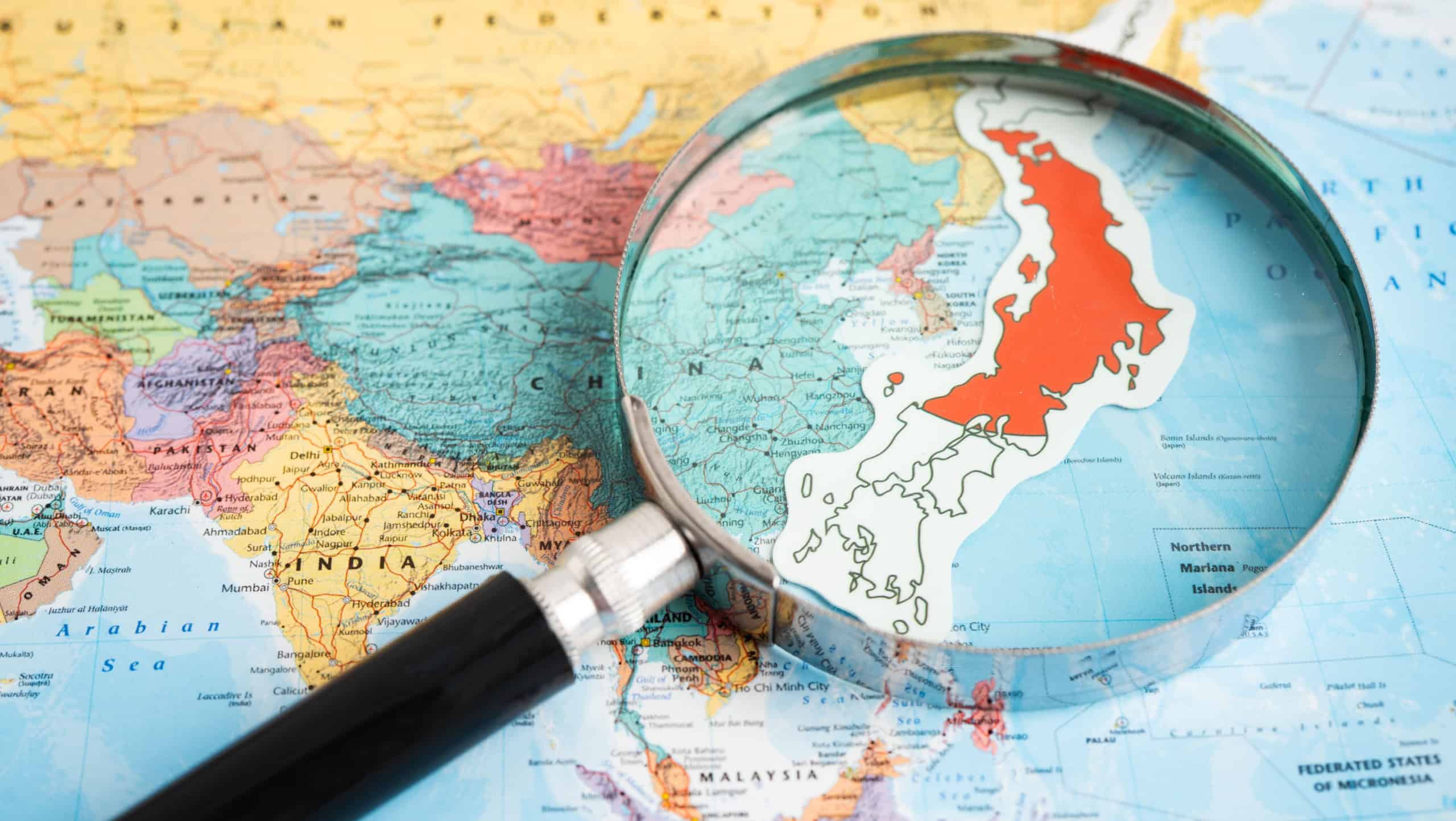
It frequently astounds people outside the U.S. how limited certain Americans’ grasp of global geography can be. It’s almost funny, considering how much American politics and culture flood the international media landscape.
Many people feel offended or irritated when someone mixes up continents, calls Africa a country, or has heard little of world events happening near their own borders.
Afterall, most people grow up studying about the U.S. in other countries. It’s understandable, then, why they’d assume Americans would reciprocate that knowledge about their own nations.


