

There used to be a way of raising kids that was slower and less crowded with advice. Parents trusted routines, not screen and experts-in-training for instructions on how to do the job. It wasn’t perfect by any means, but it worked.
Speed, anxiety, and other twenty-first century expectations squeezed out those time honored habits. This isn’t some misty-eyed looking backward. Solid research shows us the genuine advantages children received from those long-established practices. Here are ten parenting habits that fell by the wayside and why you should consider bringing them back.
Allowing boredom without fixing it
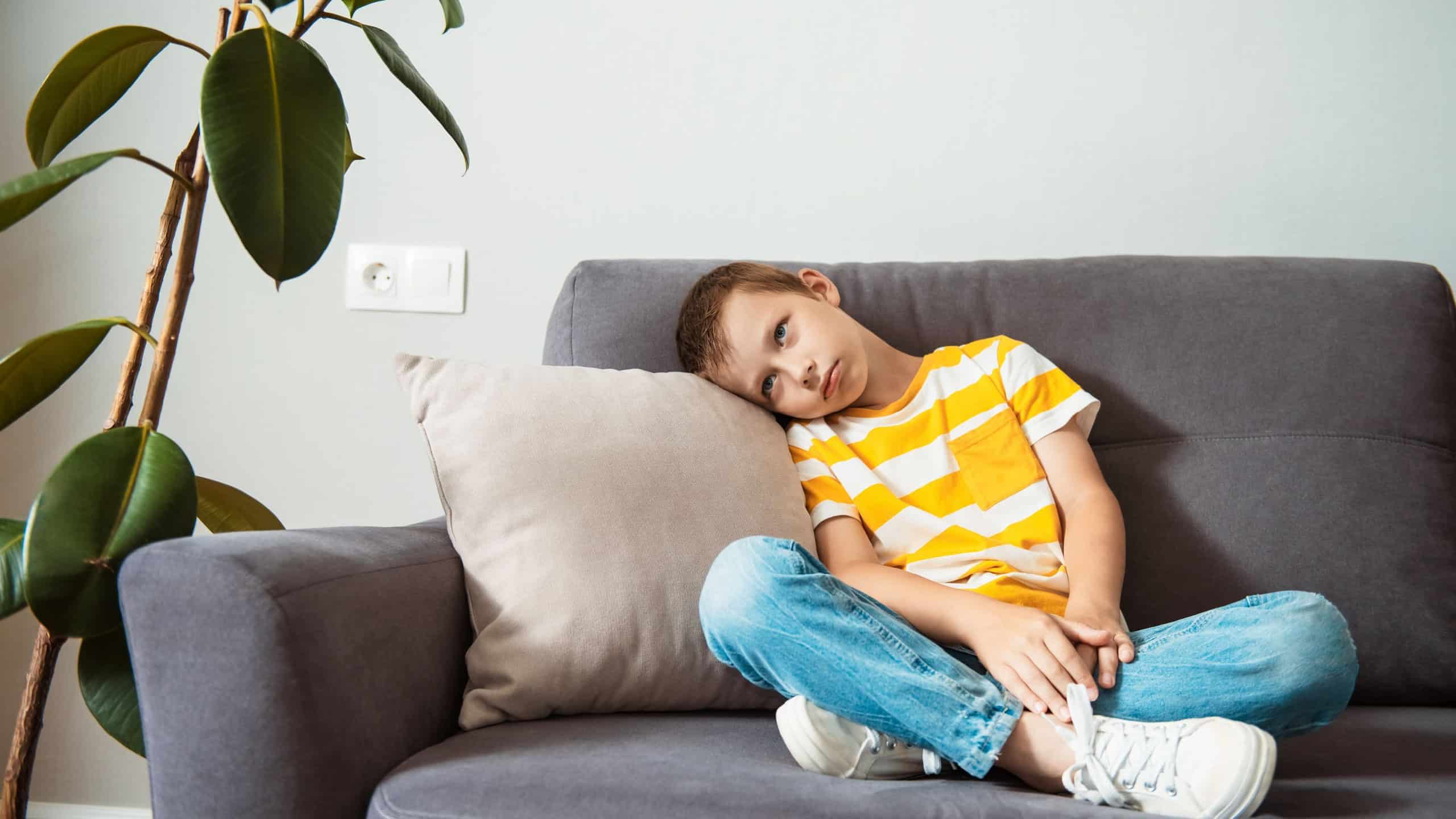
Children got bored and their parents didn’t feel the need to entertain them. They’d stare at the ceiling, poke a stick, or daydream a game. That empty time allowed space to open up for imagination.
Now if there’s a trace of boredom, a screen or activity fills the gap. Research finds that children in response to boredom learn to plan, create, and think for themselves. Constant distraction makes concentrating, and self-direction more difficult.
Teaching emotional restraint, not emotional dumping
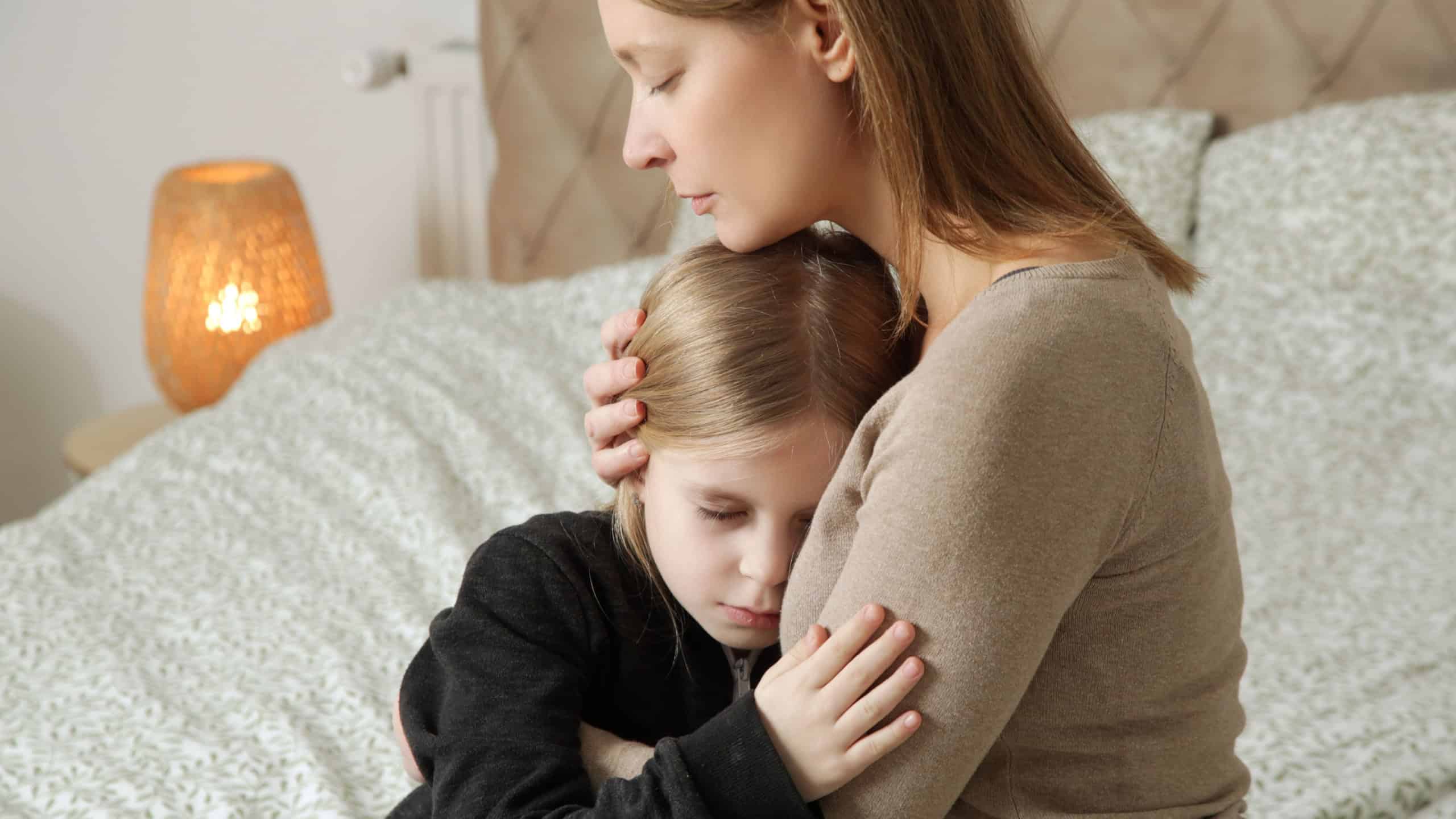
It was always okay to feel emotions. Children just learned that they didn’t have to express every single one to the world. They were taught when and how to speak up. These days, kids are often encouraged to do that all the time.
Research on emotional intelligence suggests that restraint helps kids stay mentally healthy, and build better relationships. It matters more to regulate emotions than to just vent them.
Eating meals together without distractions

Family dinners used to be a thing. Not the talky-talky, we-need-to-give-advice-while-eating sort of family dinner. Just eating together. Parents and kids, taking a break from phones, TV, homework, and chores to sit in silence and not be distracted by the outside world.
Teens who eat dinner with their families on a regular basis are less likely to be depressed, do drugs, or have eating disorders (Hammons & Fiese, 2011).
Speaking to children with calm authority

Direct, calm speaking was once typical in parenting. Parents told children what they should or should not do, and lengthy discussion or endless reasoning was rare.
This regularity was a safety for children. Child development research indicates children do best with clear authority. Discussion of every boundary can cause anxiety and make lines fuzzy.
Letting children earn privileges slowly

Children had to earn their privileges. You couldn’t just give them a cookie or an electronic toy. They had to prove they could be trusted first. Waiting for things, even small things, helps them develop patience and to learn to make wiser choices as adults. If they’re used to getting everything right away, it’s easy for them to be impatient or take things for granted.
Walking with kids instead of driving everywhere

I still recall evenings when my parents and I went for a walk, whether to the store or just around the neighborhood. Walking afforded us the time to talk, to laugh, to pay attention to the little things.
With busy schedules and phones in every hand, kids today have few of those quiet, connecting moments.
Letting children play in nature freely

Children got to roam the woods, swim in the creek and take small risks without hovering adults running to their rescue. They learned a measure of independence from the experience no school lesson could match.
Anxiety about safety now keeps kids indoors too often and they lose opportunities for living-learning experiences.
Celebrating tiny victories

Not all of our wins were once considered “big.” Parents celebrated the little things. Solving a problem. Trying again. Helping another person.
Those small, quiet moments of recognition contributed to kids’ sense of competence and mattering. Now, many children only receive recognition for “superstar” achievements, and are left with a constant need for approval.
Letting kids overhear adult conversations

We used to be around when our parents discussed the mundane problems of the day. We didn’t have a seat at the table, but we were close by. Those hushed conversations were more lessons about compromise, stress and working through a problem than any lecture could give.
Nowadays, children are herded away while these conversations are going on. We are not ready for these talks later in life.
Letting kids solve their own social problems

There was an era when parents took a hands-off approach to the normal conflicts that arise among children. Name-calling, arguments, and bruised feelings were sorted out by the children themselves.
Nowadays, the tendency is for parents to intervene and have the problem resolved immediately. Studies show that children who are allowed to work out their social problems develop greater emotional regulation and resilience. Denied that opportunity, many children have more anxiety and give in to peer pressure later in life.
Sources: Please see here for a complete listing of all sources that were consulted in the preparation of this article.
Like our content? Be sure to follow us.


