

Not all fines in the United States are due to reckless driving or violating major laws. Ordinary objects and home appliances, used inappropriately or in the wrong place, can become very expensive. You probably have many things at home that you did not know are illegal in your state.
From lightbulbs to plants, they can give you a fine for safety, public health, or nuisance issues. This is a list of 12 things you can be fined for, with real sources of the law.
Extension cords used as permanent wiring
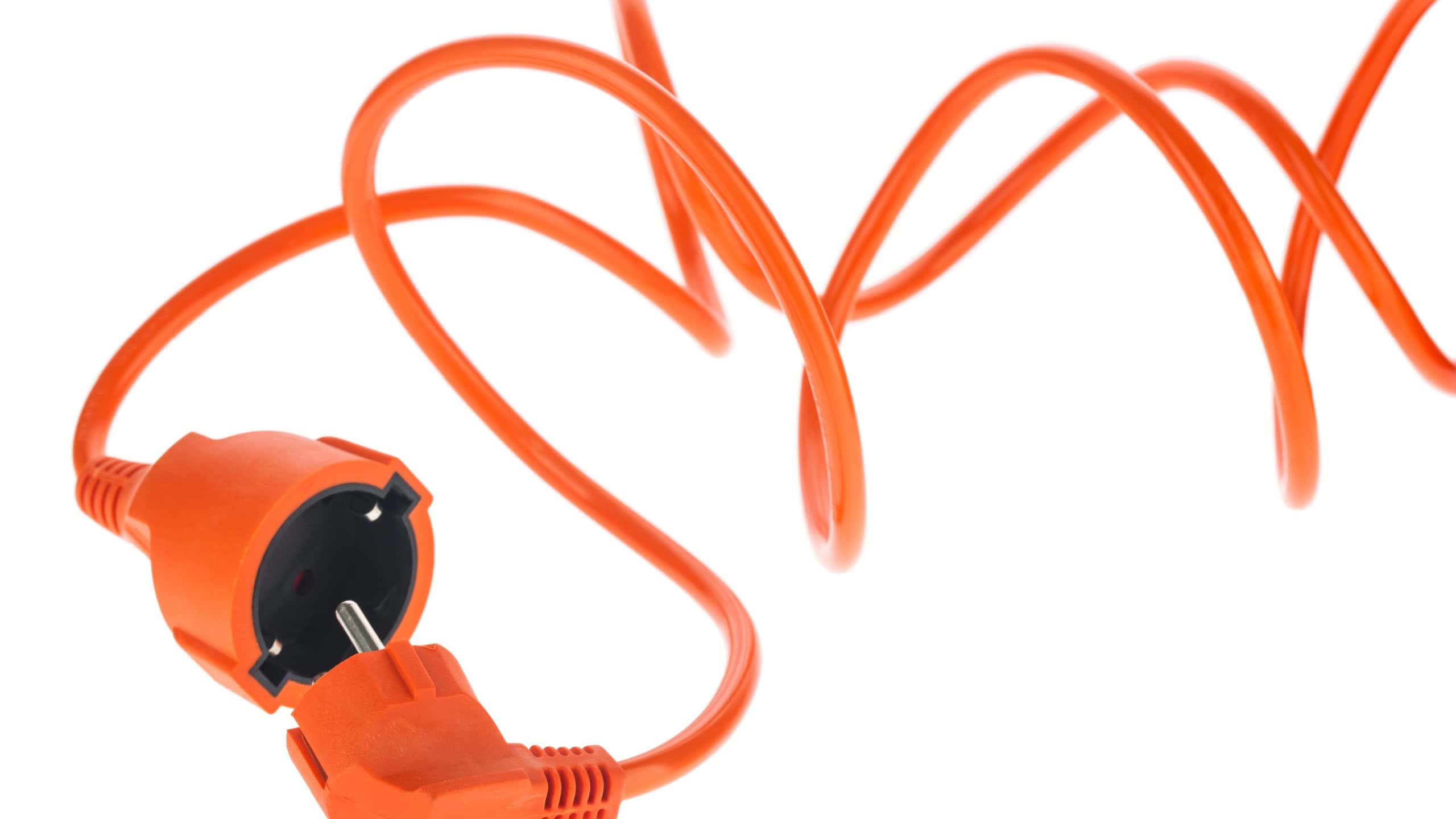
Extension cords are sometimes permanently installed in walls or ceilings to provide power to devices. This is quite common, and many people consider it harmless. However, in some areas, such as California, the practice is considered a fire hazard. Extension cords functioning as permanent wiring could trigger fines from home inspectors or rental inspectors. Furthermore, if a fire occurs, your insurance policy may not cover any damages depending on their policy.
Portable gas cans stored indoors

Gasoline containers in homes, basements or attached living areas are considered a fire hazard, because gasoline emits vapors that can easily ignite. Fire safety standards, and some local codes, advise storage of fuel cans in cool, well‑ventilated areas away from living areas (in a detached shed or a properly ventilated garage, for example).
In some localities, storing gasoline indoors in violation of local fire codes may result in warnings or required correction by fire inspectors, and storage of flammable liquids in improper containers may cause problems with insurance claims if they contribute to a loss.
Windshield sun shades with reflective backing
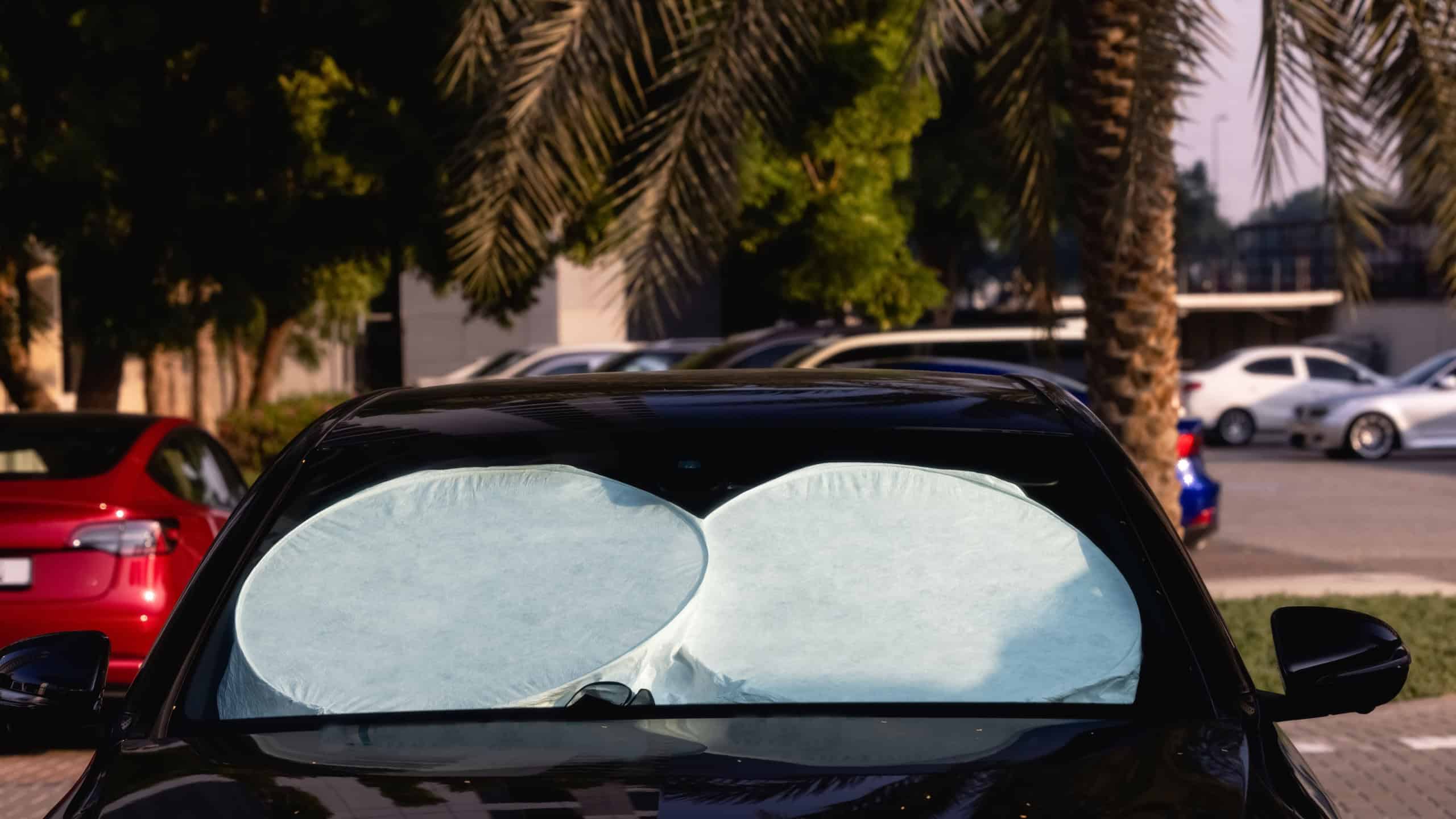
Lots of people install reflective sunshades on their windshields to keep their cars cool while parked. That’s all well and good, but you have to take them down before you drive. In many states, including California, you can’t have anything on your windshield or windows that obstructs your view or reflects sunlight into oncoming traffic. Police will ticket you if a sunshade poses a safety hazard while driving.
Grills on balconies

Many states’ fire code and building codes prohibit use of a grill on balconies due to it being a fire hazard. Electric and natural gas grills may be allowed in some areas, but charcoal grills are more heavily restricted.
Old mattresses left near trash bins

Dumping an old mattress on the curb next to a trash bin can cost you a fine in some cities, such as Chicago. If you have not scheduled a bulk pickup, leaving it there flouts local ordinances. Old mattresses attract pests and are a burden for landfills, and so cities crack down on the practice.
Decorative license plate frames

Decorative license plate frames can be illegal in some states such as Texas and Florida. When a frame covers up the state name, slogan, or registration sticker, a motorist can be stopped and issued a fix-it ticket. The majority of drivers who buy these frames do so for aesthetic reasons without realizing that their purchase leads to legal infractions. Regulations are in place to keep license plates legible for safety and enforcement.
Outdoor security cameras

Installing security cameras is legal, but pointing them at a neighbor can be illegal. In some municipalities, including Seattle, homeowners have been fined because their cameras had captured images of their neighbors’ private spaces. The majority of these cases began with a neighbor’s complaint and an inspection. While the camera isn’t illegal, the angle at which it’s pointed may infringe on privacy laws designed to protect citizens.
Personal fire pits or chimineas

Personal fire pits and chimineas can lead to trouble in dry states such as Arizona. Many burn bans allow local jurisdictions to make it illegal for any outdoor fires, even small fires in backyards. If it is reported or spotted by an inspector, it may result in fines. Many homeowners think that their personal setup is safe, but officials enforce the rules strictly to avoid wildfires.
Certain houseplants declared invasive

Believe it or not, some houseplants are illegal in some states because they are considered invasive. Some states, like Florida and Hawaii, have bans on plants like Brazilian pepper and fountain grass that can be harmful to the local environment. If caught selling or even just owning them, you may be fined, even if they were purchased as decoration.
Bike racks that obscure license plates

A rear bike rack may present issues if it obstructs your license plate or taillights. In some states (New York, for example) that can result in a ticket, even if the rack is empty. The law is there to ensure that car plates remain visible and identifiable on the road. Cyclists mistakenly assume bike racks are always permitted when they frequently face restrictions.
Portable generators used during quiet hours

Cities such as Portland, Oregon have noise ordinances which restrict loud noise levels at night and have maximum allowed decibel levels so as not to disturb neighbors. If a generator is loud enough to violate those levels or to disturb neighbors during the night or early morning hours, an inspector or police officer can respond to a complaint; fines or a cease and desist order can be issued. As with any noise violation, it usually comes down to time of day and decibel level, not necessarily the possession of the generator itself.
Unlocked cars and visible items

Leaving a car unlocked or valuables in plain sight is a surefire invitation to car thieves. Police and safety reports in cities like New Orleans stress the importance of locking your doors and not leaving items visible. Although it seems innocent enough, an officer can cite the vehicle if they think it entices criminal activity.
Most first-time offenders are caught off-guard by the violation. After all, this seems like such a personal matter. The law is about discouraging nuisance crime in areas with lots of car break-ins.
Sources: Please see here for a complete listing of all sources that were consulted in the preparation of this article.
Like our content? Be sure to follow us.


