

Even though your grandparents probably taught you a bunch of things with the best intention, it’s that stuff that could offend other people today—and not because you’re doing anything “wrong.” Times have changed and what used to be good manners may now feel pushy, awkward, or weird. Things are looser & more casual, which means you might want to rethink opening that door or offering to carry someone’s bag. Here are ten old polite habits that offend today.
Featured Image Credit: inesbazdar /Depositphotos.com.
Calling Women “Ma’am” in Casual Settings

You might think you’re being respectful, but using “ma’am” might make some women feel old or like they’re being lectured, and it depends on where you are, too. What flies in Texas might sound stiff in California, while in casual places like a grocery store, most people just want you to talk like a normal person. As such, you might want to avoid the titles unless it’s a formal situation, and a friendly “excuse me” works better since it doesn’t come with the weird guesses about someone’s age.
Calling People By Mr. or Mrs. Instead of Asking Their Name

Likewise, when you want to show respect, you might go with “Mr. Thompson” or “Mrs. Lee,” even though no one asked you to—but the problem is that not everyone uses those titles anymore. Some people don’t like them at all and they might prefer a first name, a different honorific, or none of the above. Assuming makes things feel weird, especially since in most work & social spaces now, it’s completely normal to ask what someone wants to be called.
Pulling Out a Woman’s Chair at a Restaurant

This move has “date night 1950” written all over it and while pulling out a woman’s chair used to be seen as polite, it’s more likely to make someone feel uncomfortable today. It’s worse when you do it without warning. Some women see it as unnecessary or even a little patronizing, so you should avoid doing this unless you know the person really well. It’s probably safer to just take your seat & let them take theirs, as you’re much less likely to offend them this way.
Insisting on Carrying Someone Else’s Bag
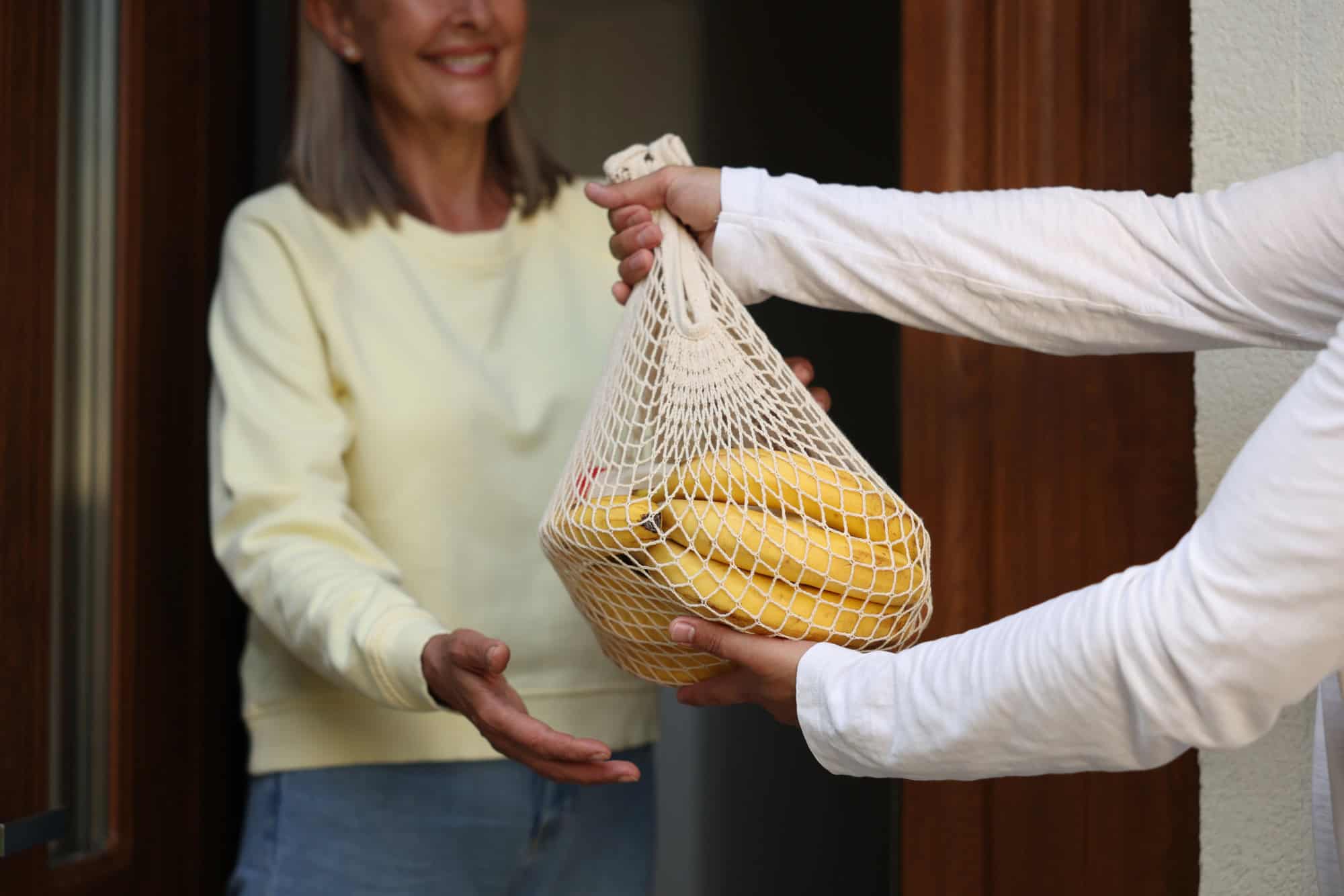
In the past, when you saw someone struggling with their stuff, you’d immediately grab a bag to help and it was something we used to think was quite thoughtful. But today, not asking first could make it come across as pushy or like you don’t think they can handle it themselves—that kind of help needs permission. A quick “Want a hand?” is all you need to say and if they say no, just let it go because they’ve probably carried that bag just fine all day without you.
Touching Someone’s Arm to Show You’re Listening

Touching someone’s arm during a conversation used to mean “I’m here with you,” but now, it could make it seem like you’re getting in someone’s space, especially if you’ve just met or aren’t super close. That touch often feels more weird than warm and although some people are totally fine with it, a lot of people aren’t. You’re better off reading the room and perhaps just sticking with eye contact & a nod instead.
Bringing a Gift Without Asking First

You might think that walking into someone’s house with a bottle of wine or a homemade cake is a good idea, but really, it may cause some issues. For example, the host might not drink, or someone at dinner could have allergies—people are a lot more cautious these days, particularly around food and alcohol. Instead of surprise gifts, just ask something like “Want me to bring anything?” because this gives the host a chance to say yes—or no—without the pressure.
Offering to Walk Someone to Their Car or Home

You’re trying to be thoughtful when it’s dark out by offering to walk them to their car, but unless you know the person well, this offer may feel more creepy than caring. It puts someone in an awkward spot where they feel like they have to say yes or worry about being rude—that’s why a lot of people now use location-sharing apps instead. If you’re not sure, just say “Let me know when you get home safe” and leave it at that, since it’s a lot less risky.
Offering a Seat Without Asking First

Jumping up to offer your seat to someone could backfire because it might make the other person feel singled out or embarrassed, which is particularly problematic if they’re not clearly older or don’t need any help. Rather than assuming, try asking, “Would you like to sit?” and go from there because it allows them to say yes or no without the weird moment of trying to guess your intention. You don’t want them to feel awkward about accepting, do you?
Telling Someone They Have a “Nice Name” but Asking Where It’s From

Some people think they’re being friendly when they comment on someone’s name and then immediately ask, “Where’s that from?” or “What kind of name is that?” Even though it’s meant to be polite & curious, it often makes people feel othered—like they don’t belong and that they need to explain their background. It puts the focus on someone’s identity and there’s really no need to turn it into a cultural guessing game.
Offering to Help Someone Speak English More Clearly

Correcting someone’s English in casual conversation, or offering to help “fix” their accent, used to be a sign of supportiveness, but it now comes across as insulting. Most people aren’t asking for a language lesson and unsolicited help like that makes it seem like their way of speaking isn’t good enough. Unless they’ve asked for feedback, keep it to yourself because pointing it out just makes things uncomfortable & usually feels condescending.
Disclaimer: This list is solely the author’s opinion based on research and publicly available information.
Like our content? Be sure to follow us on MSN.


