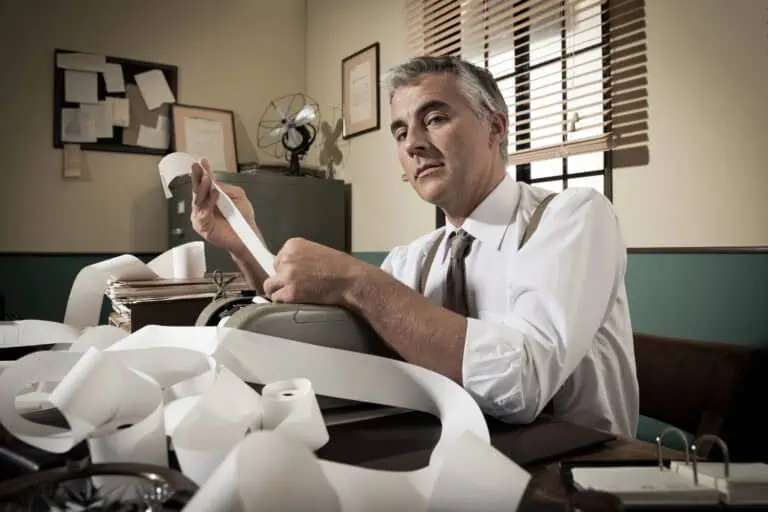

Ah, the old days—lots of us remember and feel nostalgic for the times when offices were filled with the clatter of typewriters & the ring of landline phones. The gadgets we used back then may seem archaic now but they were rather important for how they made work easier. They transformed how businesses operated & communicated forevermore. Here are ten nostalgic technologies that had a huge impact on the modern workplace. We may not use them anymore, yet we’re so thankful they existed.
Featured Image Credit: stokkete/Depositphotos.com.
Pneumatic Tube Systems

Most old office buildings had pneumatic tube systems that office workers used for moving documents around—you could transport paperwork from one department to another in seconds. Back then, it was a fast & efficient way to communicate internally before emails existed, which is why companies relied on them to keep information flowing throughout the building. It allowed important memos & files to get where they needed to be without delay.
Teletype Machines
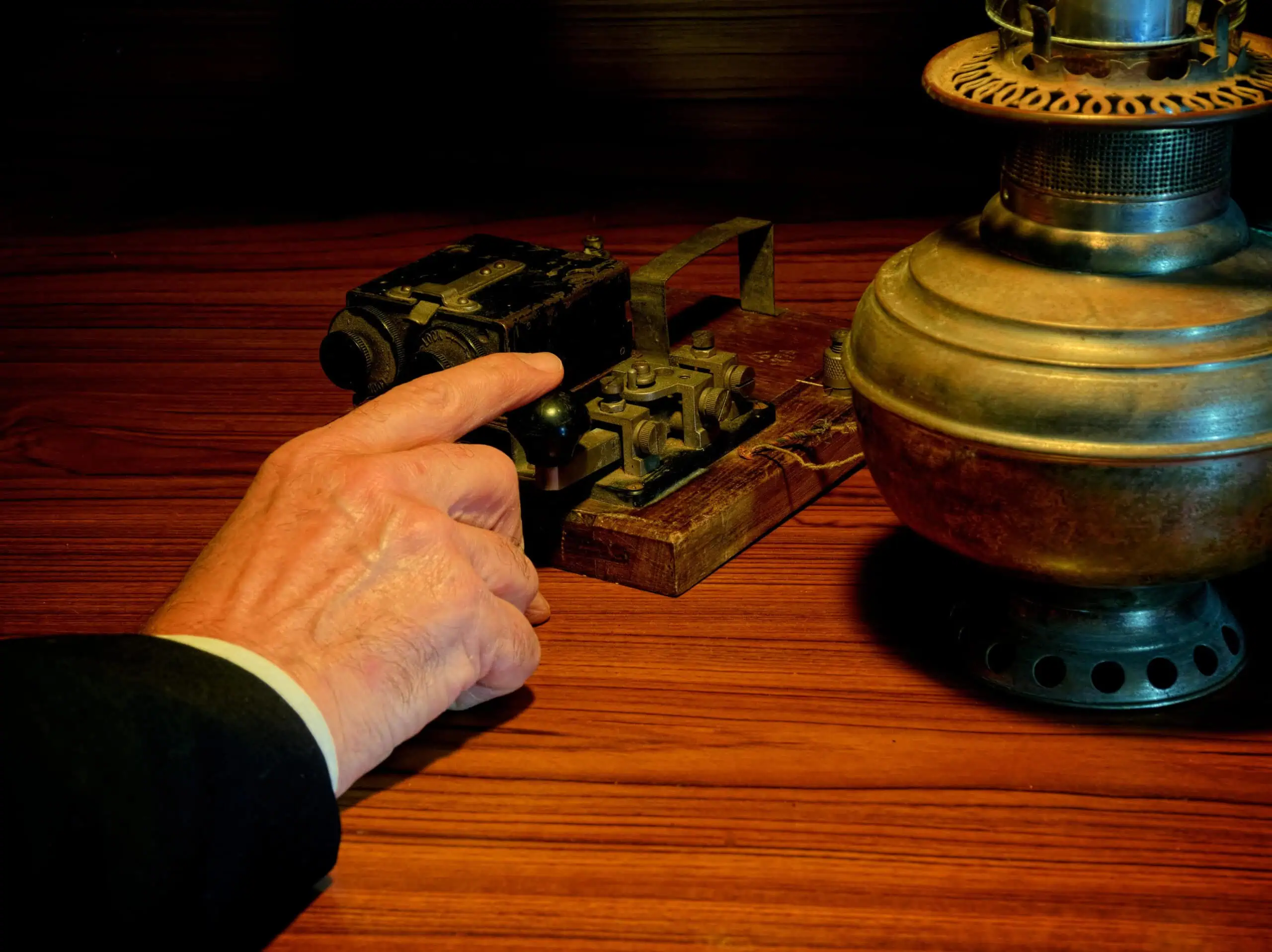
Teletype machines were an early form of long-distance communication for businesses that sent typed messages over telegraph lines. Essentially, they were another way for companies to communicate quickly across cities or even countries—that was a huge step up from waiting days for mail to arrive. Teletype machines may seem outdated today but they helped set things up for the instant messaging & email systems we use in offices now.
Punch Card Computers

People once used punch cards to store and process data in computers during the time before digital storage, with each card having holes punched in specific positions to represent information. Businesses would use punch card computers for administrative tasks like payroll & inventory management and it was one of the first ways to input data into a machine-readable format. We wouldn’t have any of our modern data processing systems without these computers.
Dictaphones

Typing out every word used to be a real chore and that’s where dictaphones came to the rescue—busy professionals could just talk into these gadgets to record reports as they went about their day. Then, secretaries would listen & type up the recordings, saving a lot of time and allowing for things to run far more efficiently. All the voice-to-text tech we casually use now has dictaphones to thank.
Rolodex Organizers
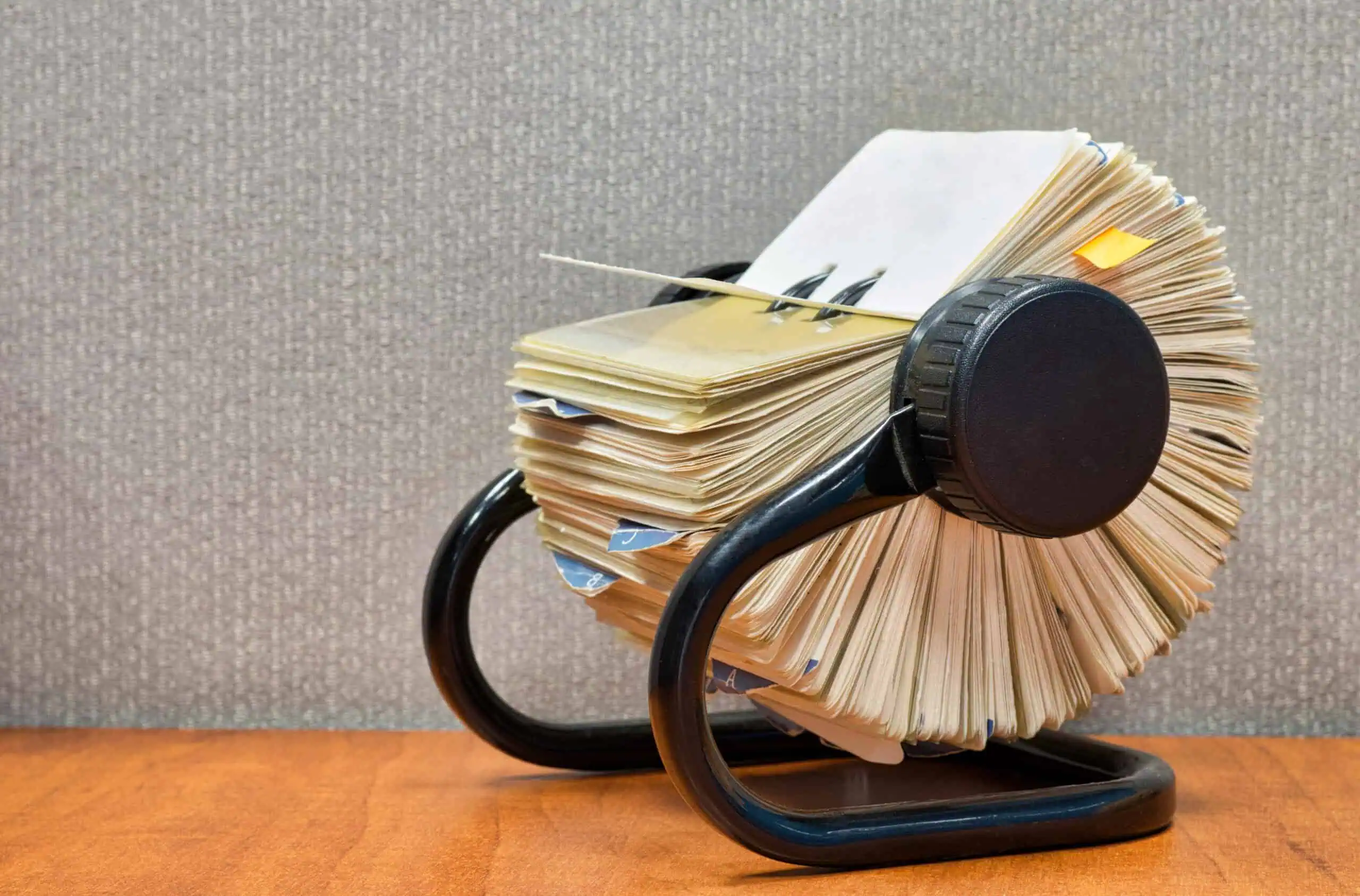
You’d find spinning Rolodexes sitting on every office desk in the past and office workers would use these to keep track of who’s who. Each card had a name, address & phone number—you could flip through them relatively quickly, whether that was to call a client or send a letter. You just had to find their card. Rolodexes made networking easy and helped lay the groundwork for the digital contact lists we have these days.
Mimeograph Machines
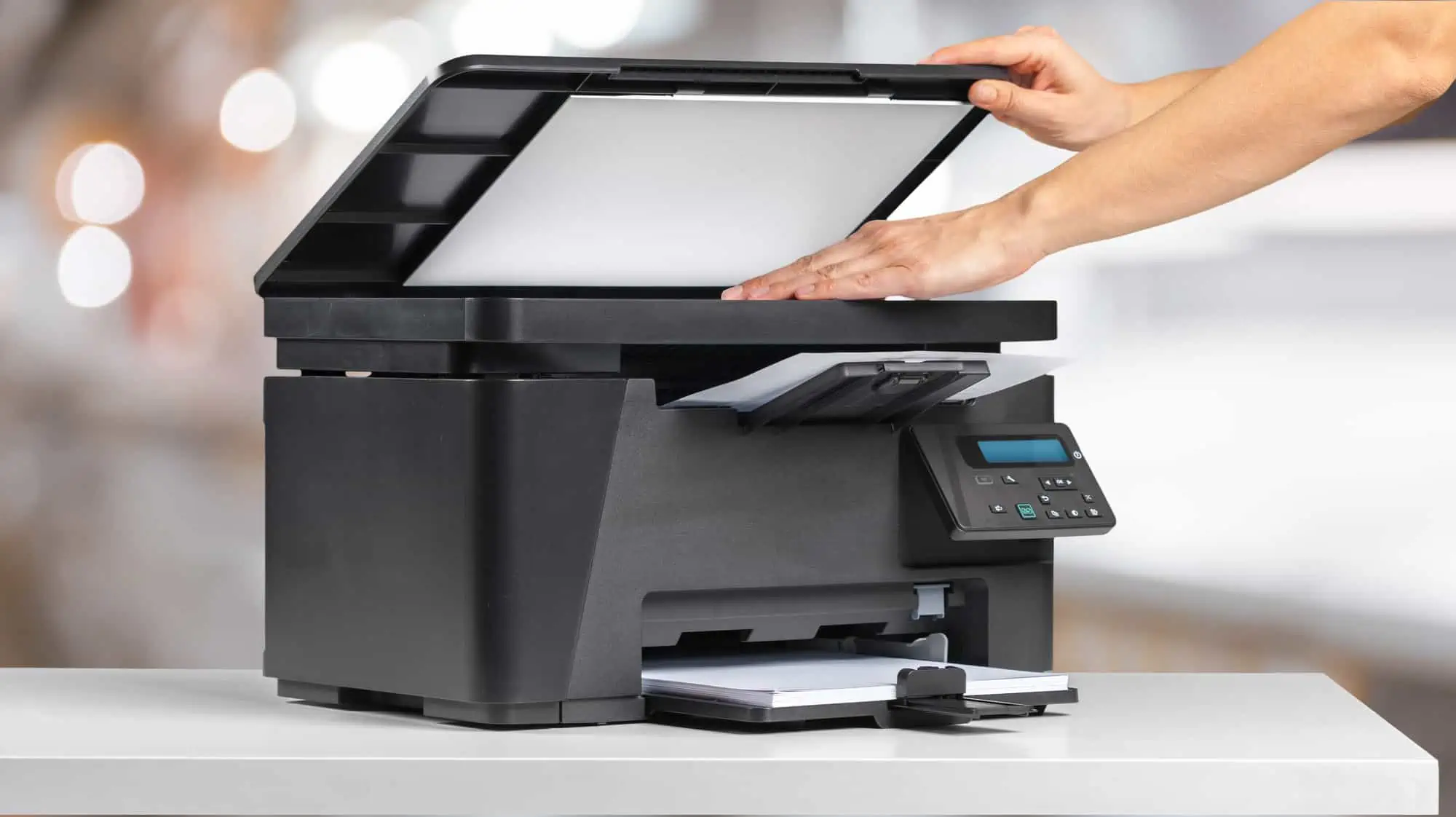
Photocopiers weren’t always so common and back in the time before they existed, offices relied on mimeograph machines to make copies. They’d use some ink & a stencil, then crank the handle to produce stacks of memos, newsletters, or forms quickly and cheaply. It was quite an affordable way to share information around the workplace, which also paved the way for modern high-speed printers and copiers.
Carbon Paper Copies

When you needed to make instant duplicates in the past, you’d sandwich carbon paper between papers as you wrote or typed. It was the perfect way to create copies of invoices & receipts or any documents you needed in multiples, just without a copier. Simply write once, then you had several copies ready to go, making for an easy way to make record-keeping much less stressful.
Pager Devices

Anyone who wanted to stay reachable would rely on using pager devices in the past—they were little devices that beeped or buzzed to let you know someone needed to contact you. Everyone used them, whether they were doctors or executives, and it was our first taste of being connected on the move. Of course, they were nowhere near as advanced as the modern smartphones we can’t imagine working without today, but that doesn’t make pagers any less impressive.
Microfiche Archives
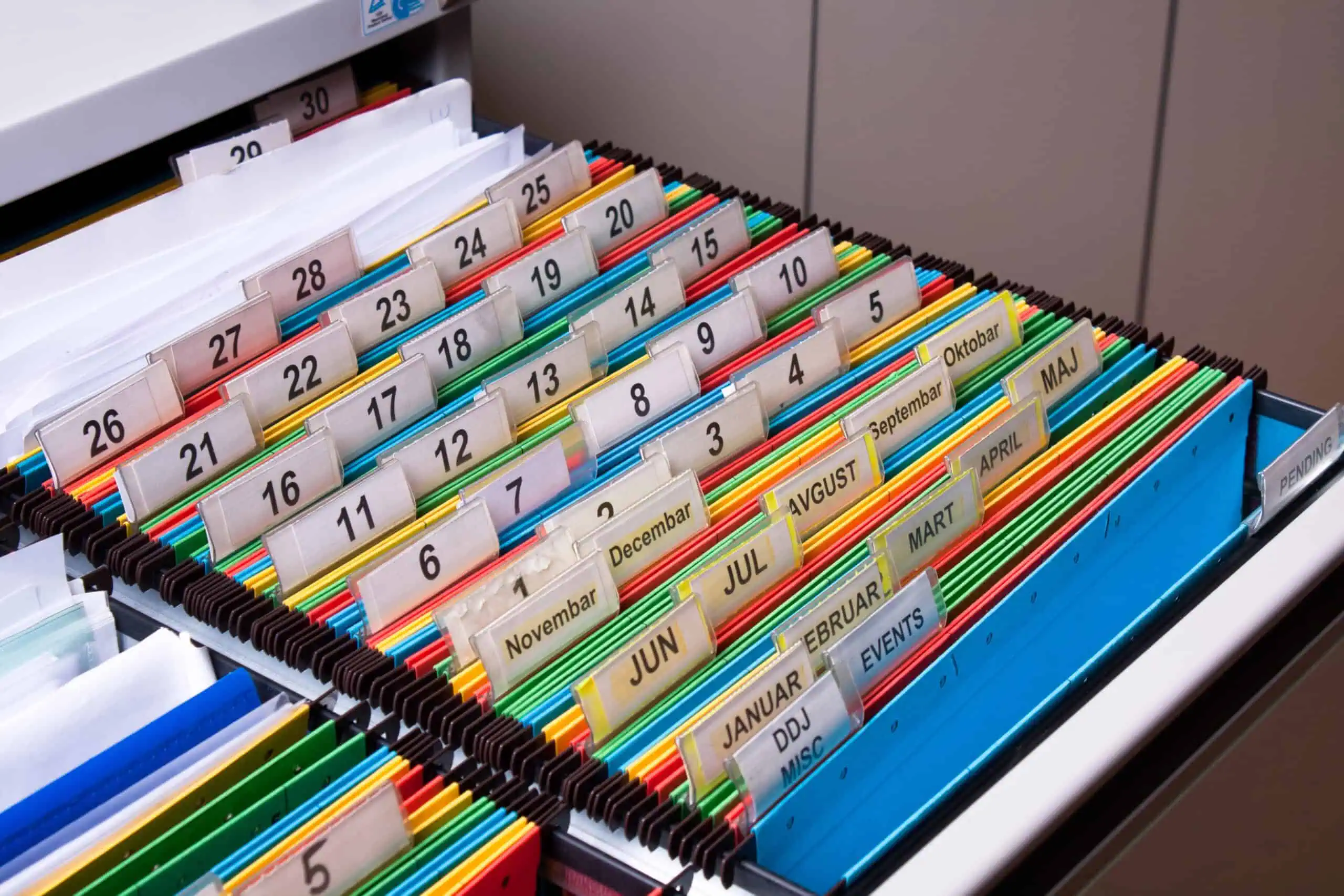
Offices have always had times when they needed to store loads of information without drowning in paperwork and in the old days, microfiche was the answer. You’d photograph and shrink all manner of paperwork, like important documents, newspapers & records, onto tiny sheets of film, then use a special viewer that enlarged the images. It made for quite a smart way to save space and keep archives manageable.
Overhead Projectors
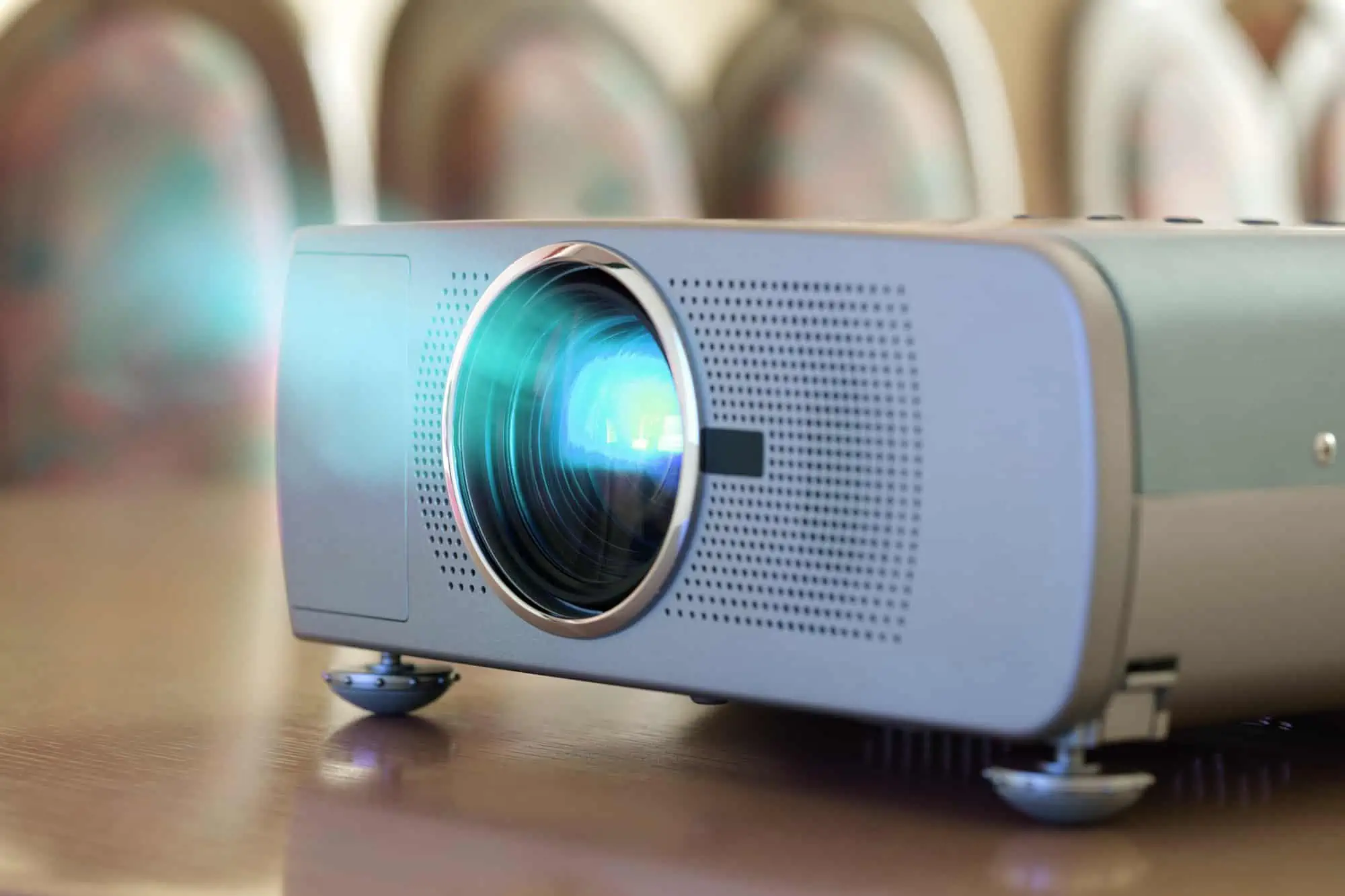
In the days before digital presentations took over, you’d find overhead projectors in practically every meeting room—to use them, you’d place transparent sheets with notes or images onto the projector. This would allow you to display them on a screen for everyone to see, with presenters writing down ideas to show to the group. Thanks to projectors, sharing information was now visual & interactive and this greatly influenced all the presentation tools we have now.
Disclaimer: This list is solely the author’s opinion based on research and publicly available information.
Like our content? Be sure to follow us on MSN.