

Don’t let grief cause you to throw these away, because they will bring you closer to your loved one.
Half-done dreams
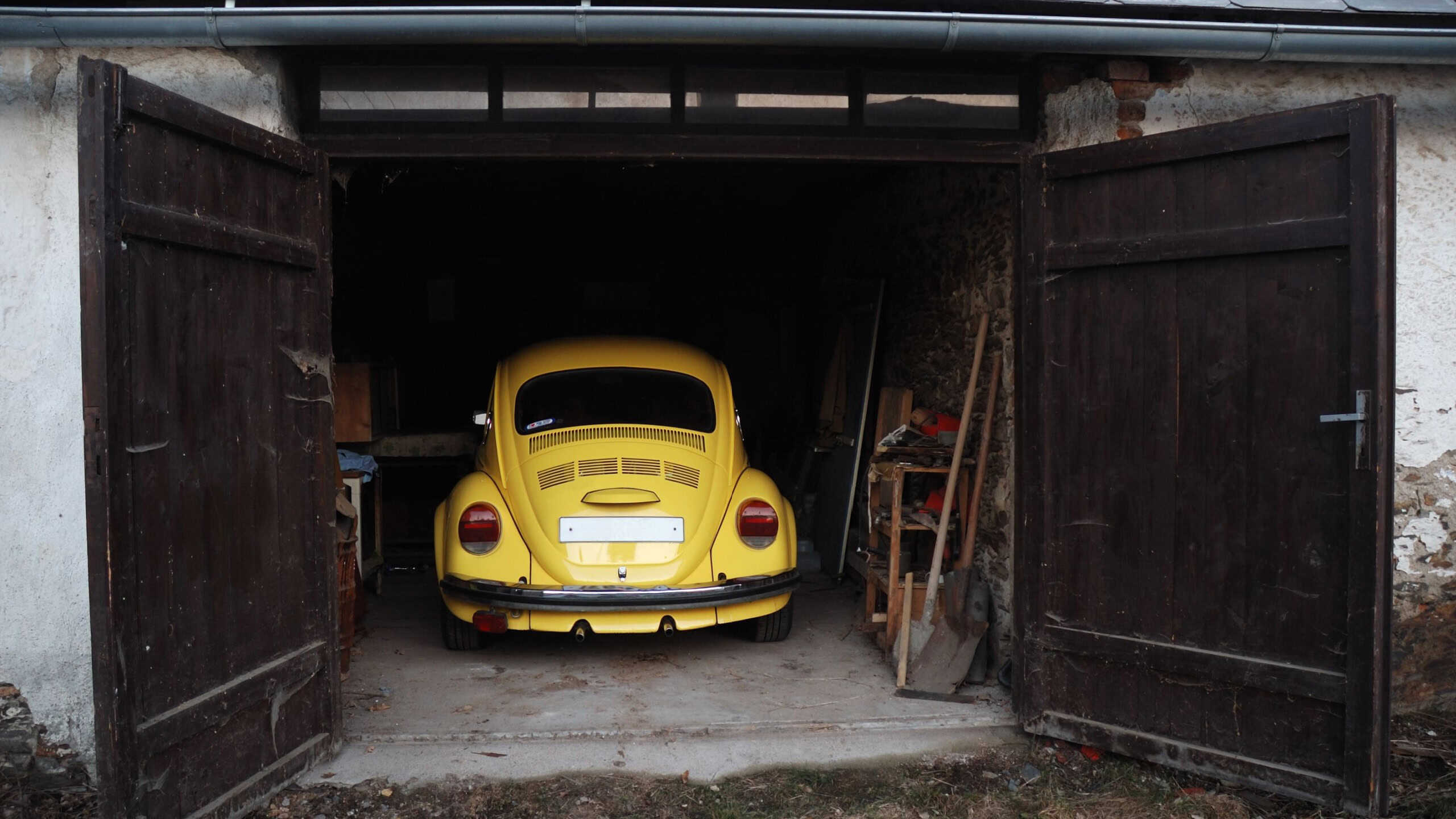
Don’t throw out that partially restored car in the garage, half-finished sweater, or woodpile they started on building that bookshelf.
Those supplies are like crystals of your loved one’s future plans and intentions, things they were working on when they were abruptly taken from you.
Holding onto one of their unfinished projects lets you feel connected to their creativity and what they wanted to do.
And finishing it yourself later on, or simply leaving it as is, gives you a sense of closure that you could never achieve if you had bought the finished version from the store.
Everyday echoes

When busy humans finally take the time to download voicemails from a deceased loved one’s server, they gloss over the mundane message where they sound sleepy and ask what’s for dinner.
Believe me, in half a year, those little “mom?” voicemails will hit you like a wave of pure comfort when you crave their voice.
Our auditory memory decays quicker than our visual memory, so having voicemail recordings of their everyday voice is scientifically proven to elicit nostalgic memories.
Random scribbles
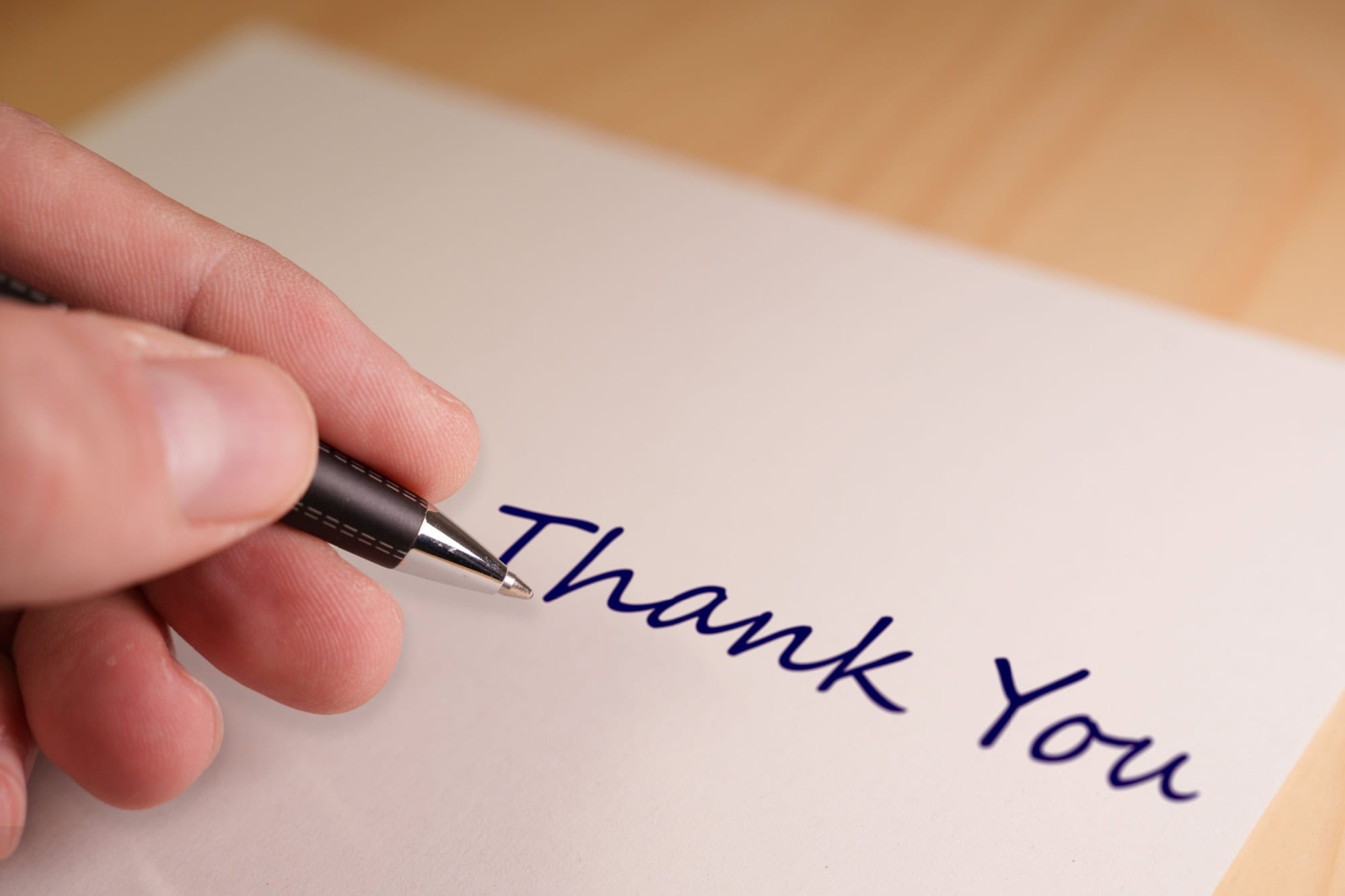
Yes, you should keep the birthday cards too. But it’s the random snapshots of what they were thinking during their day-to-day life that are most precious.
Grocery lists, notes that say “be back in 10 minutes,” or notes on how to use the lawnmower.
A person’s handwriting is an extension of their nervous system. Being able to look at how your person looped their Q’s and D’s can make it feel like they’ve just walked back into the room.
Lingering scent
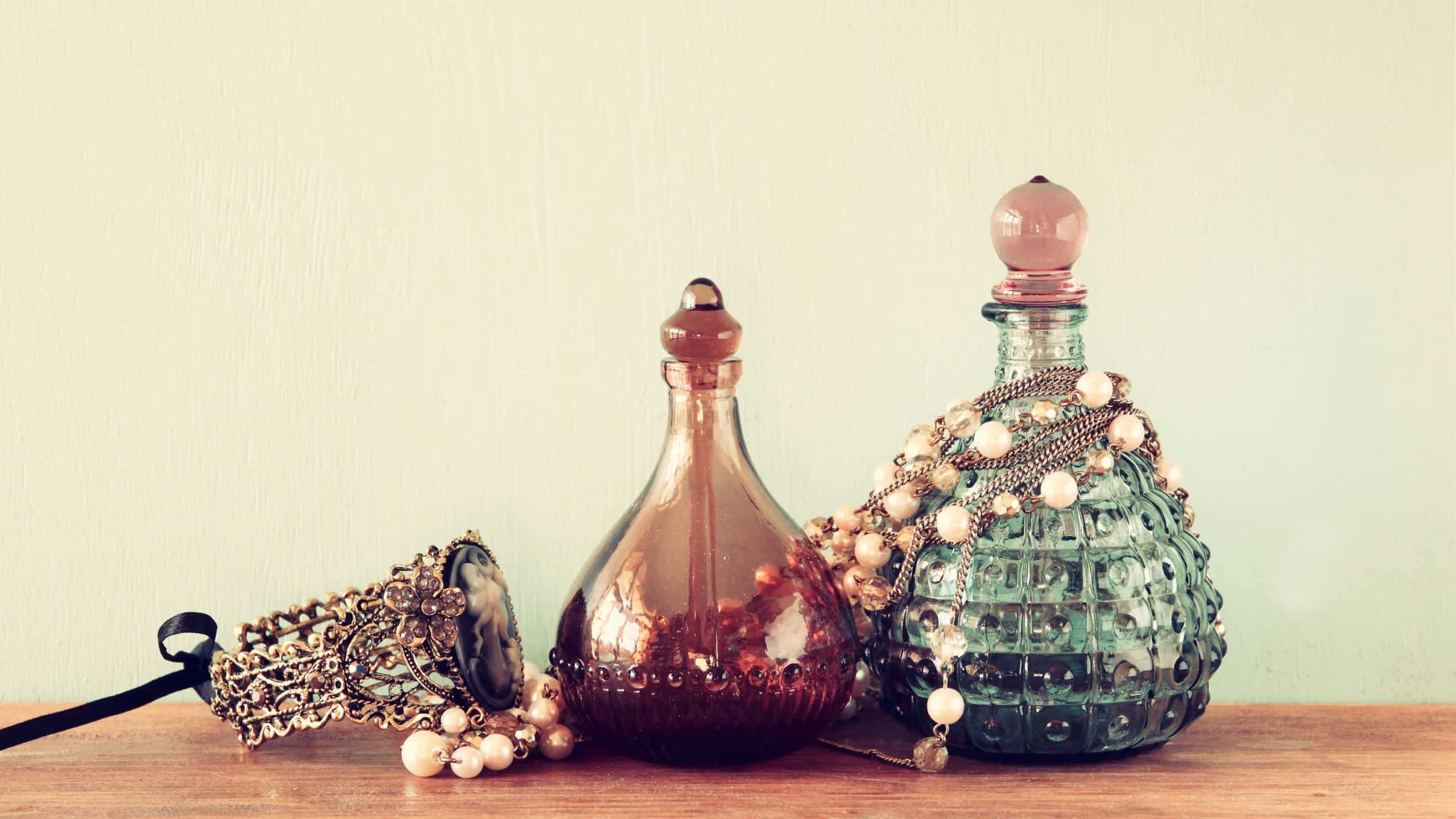
The sense of smell is a powerful trigger for memories, even more than sight, touch, taste, or hearing.
Before you throw out their half-empty bottle of pine-scented cologne, save it. Better yet, save their favorite tube of Irish Spring soap, or that random spice you always wondered about.
Store it all in an air-tight container and wait. The next time you’re hit with a powerful wave of grief years down the line, open the container and inhale deeply.
Smell is the only neurological time machine we have, and using it to your advantage will comfort you when you need it most.
Hidden margins

Have you lost a loved one who enjoyed books? Grab their bookshelf and find the books with holes neatly punched in the corners.
Turn the pages and look for underlined words, folded over corners, and scribbles in the margins. The notes they made to themselves, even their little self talks, are priceless.
Reading through their markings is like taking a look directly into their brain and what they were pondering during certain periods of their life.
You’ll learn more about them still by what they found inspirational or disagreed with than a posed picture could ever tell you.
Face imprint
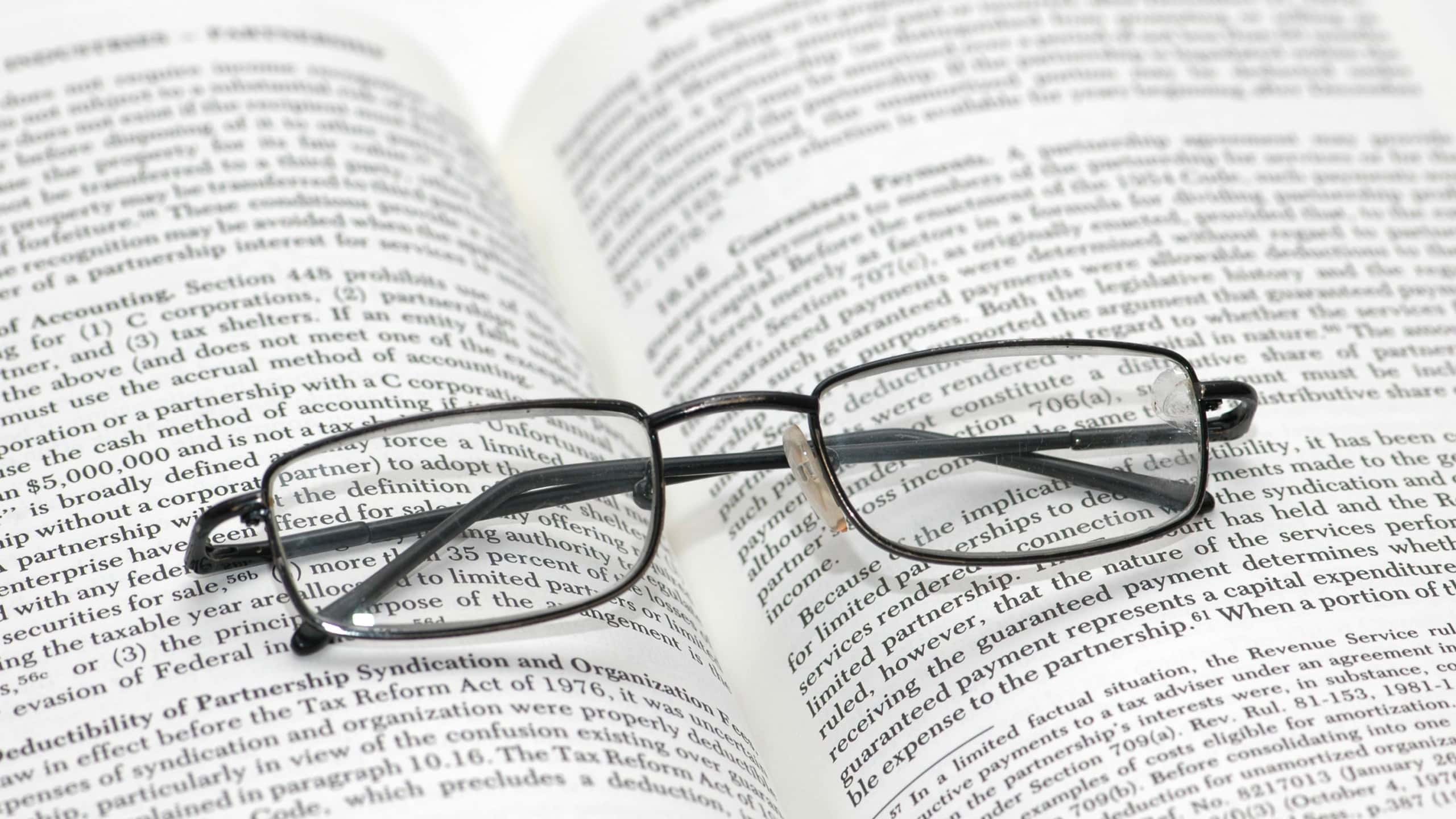
We often think of glasses as a pair you donate after someone dies, but their everyday pair was such a part of their daily visual landscape.
The wear patterns on the glasses, from the nose bridge to the earpieces, offer a window into their everyday perspective. And let’s not forget, glasses were a daily fixture on their face.
Digital relics
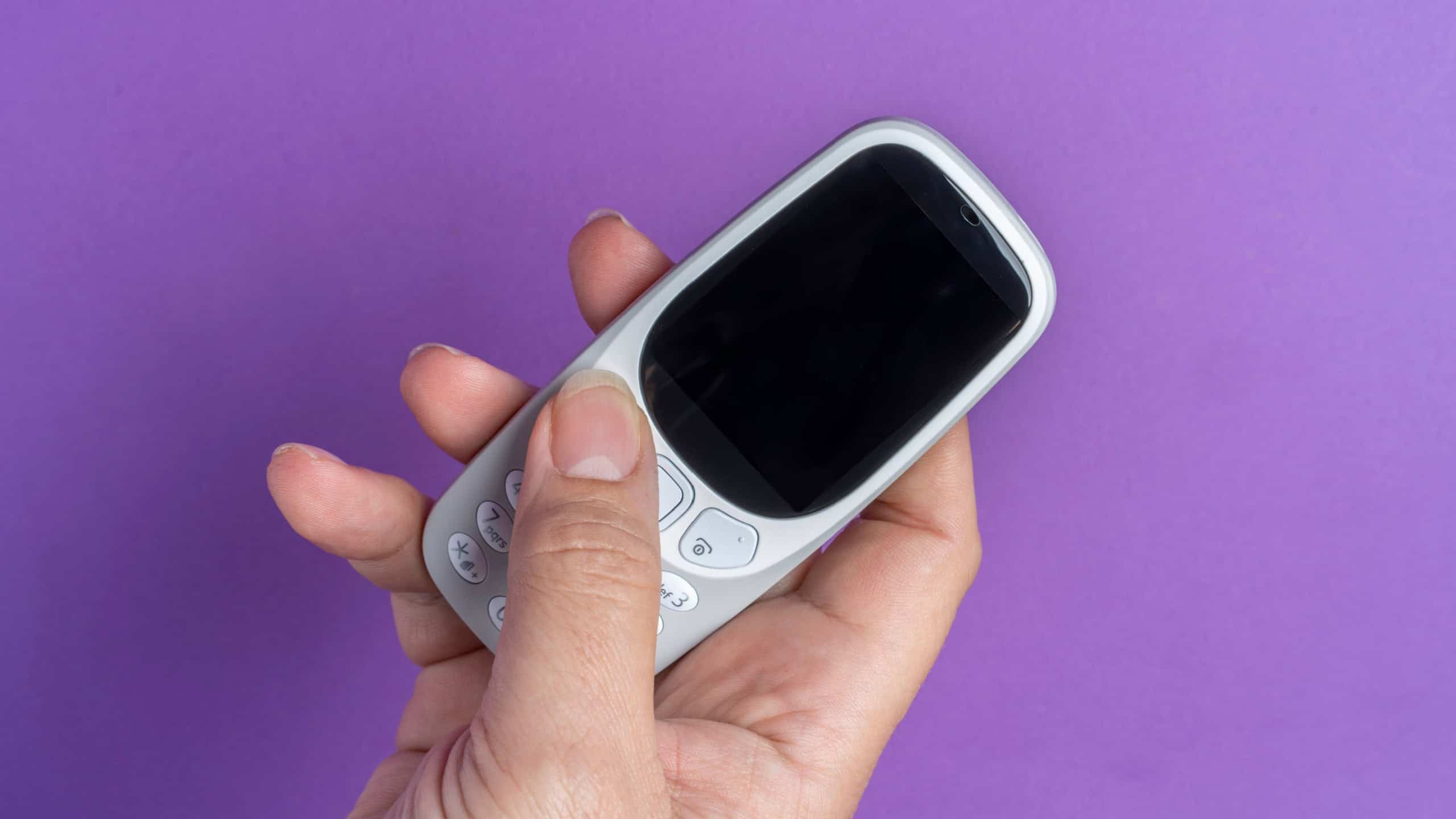
Throwing away an old laptop that won’t boot up or a pre-iPhone flip phone is easy. But their computer or phone likely has the only copies of unguarded selfies and deleted text chains.
While the information might be hard to get to, those old hard drives and SIM cards almost certainly have remnants of their digital world.
A weekend spent tidying up can easily erase years of a person’s digital past if you get rid of these old devices.
Junk drawer keepsakes
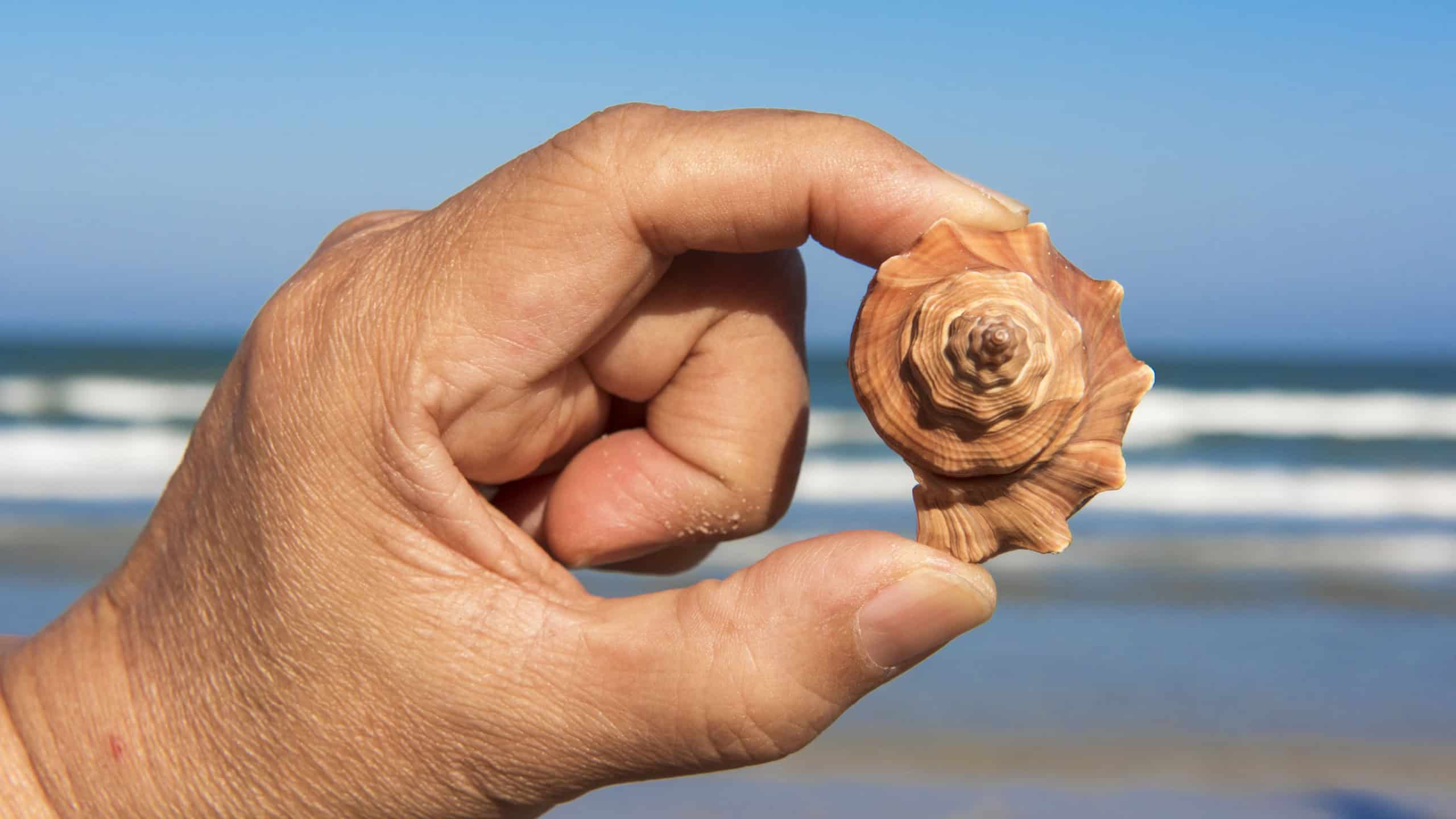
The little quirky things people hang onto like a lucky coin, shell from their favorite beach or a key to their first home are the connective tissue that completes their story.
They’ll each have that one thing that sparks a specific memory only when you roll it around in your palm.
And tossing out what seems like junk can mean accidentally getting rid of a piece of the past you shared.
Locked codes
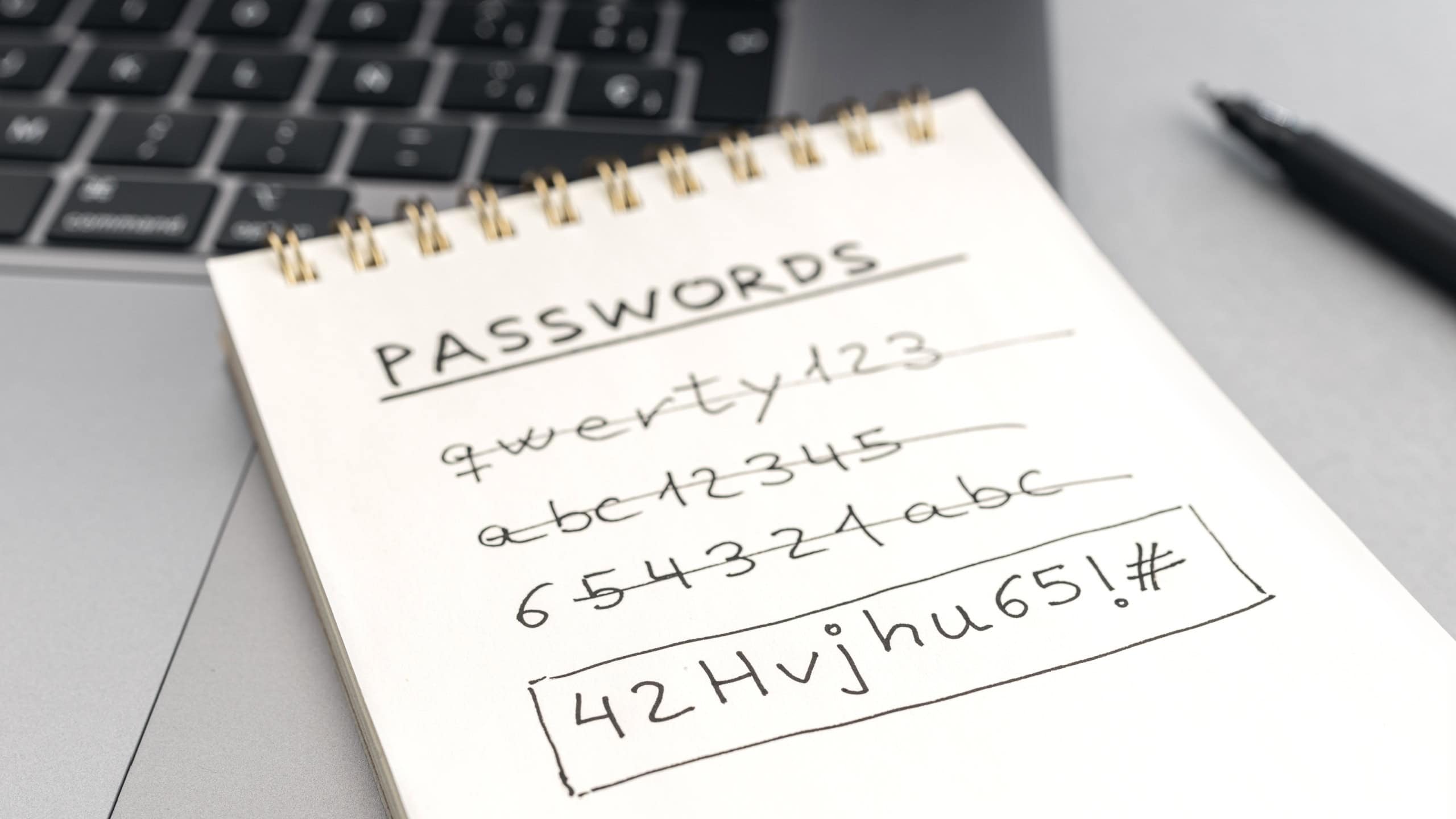
Practically speaking, never discard those random pieces of paper or notebooks where they’ve scribbled passwords and “what was the name of your first pet?” Security questions don’t seem important until you need them.
In today’s world, you could spend months on hold with government agencies and tech companies just trying to access your partner’s digital estate if you want to close out bank accounts or download photos.
It may look like nonsense, but chances are those 15 random pass codes are the only thing tying you to their complete administrative life.
Familiar wear

We save the good stuff. Cufflinks, dresses, suits, shoes. But when you’re truly mourning who they were, it’s those stained tee shirts and worn-in sweatpants that really matter.
Comfortable clothes keep the impression of their body, and for a moment, might even smell like them.
Trust me, future you will appreciate keeping that ratty old shirt they were obsessed with, even more than the birthday present you got them. When you need a sense of them being there, grabbing their house clothes will be what you reach for.
Life pages
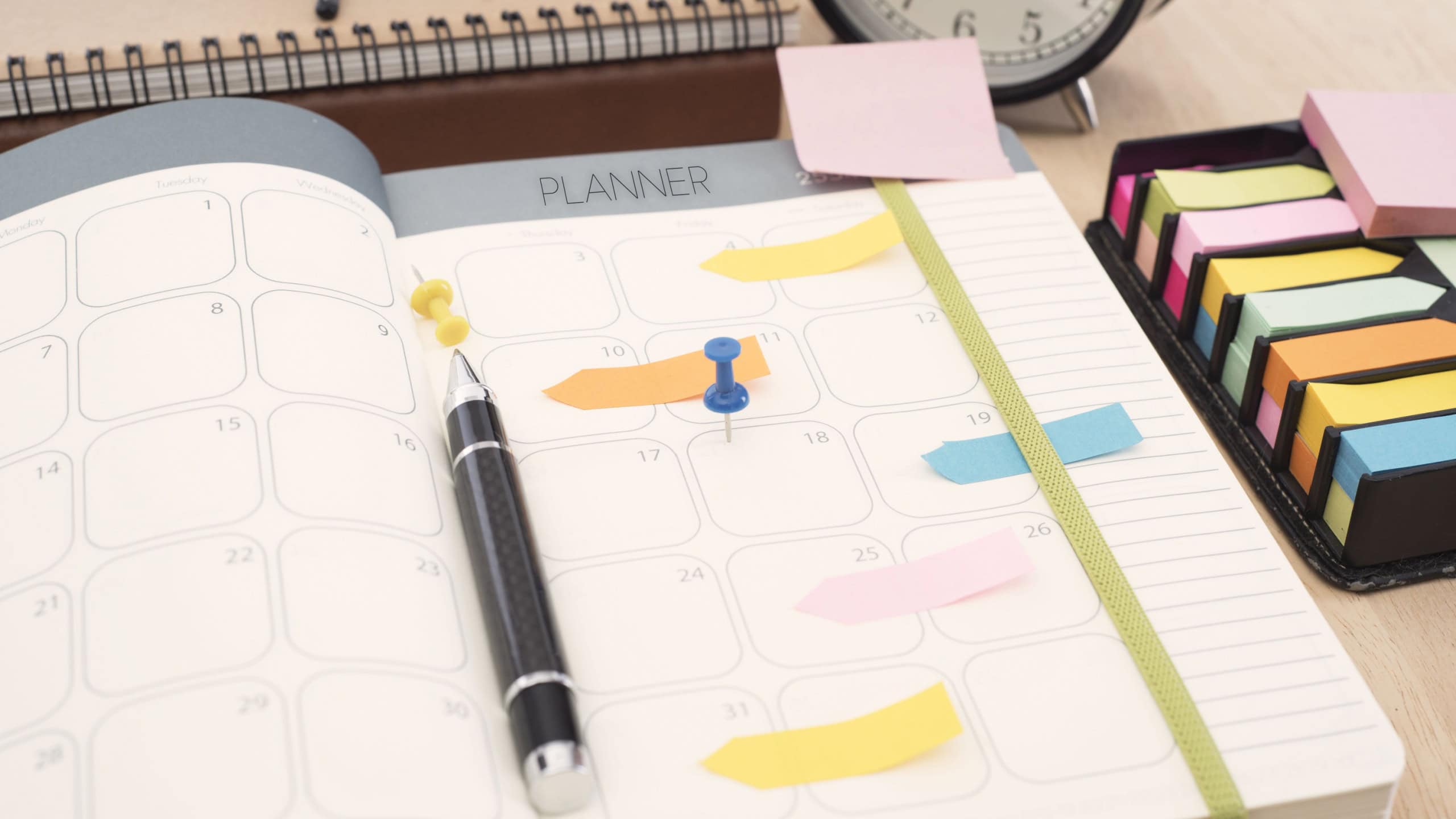
Whether they kept themselves organized with a simple wall calendar or detailed planners, these give a day-by-day breakdown of how they chose to spend their finite time.
Flipping through it can give you a sense of the cadence they lived by and who they spent their time with. It will literally remind you of lunch dates and doctor’s appointments.
A planner personalizes them in a way that an obituary or biography never will. When you feel overwhelmed by their mortality, look at a calendar from six months ago.
It’s a nice reminder that they were also just living their life too, taking trips you may have forgotten about and blocking off time to spend with loved ones.
Small touchstones
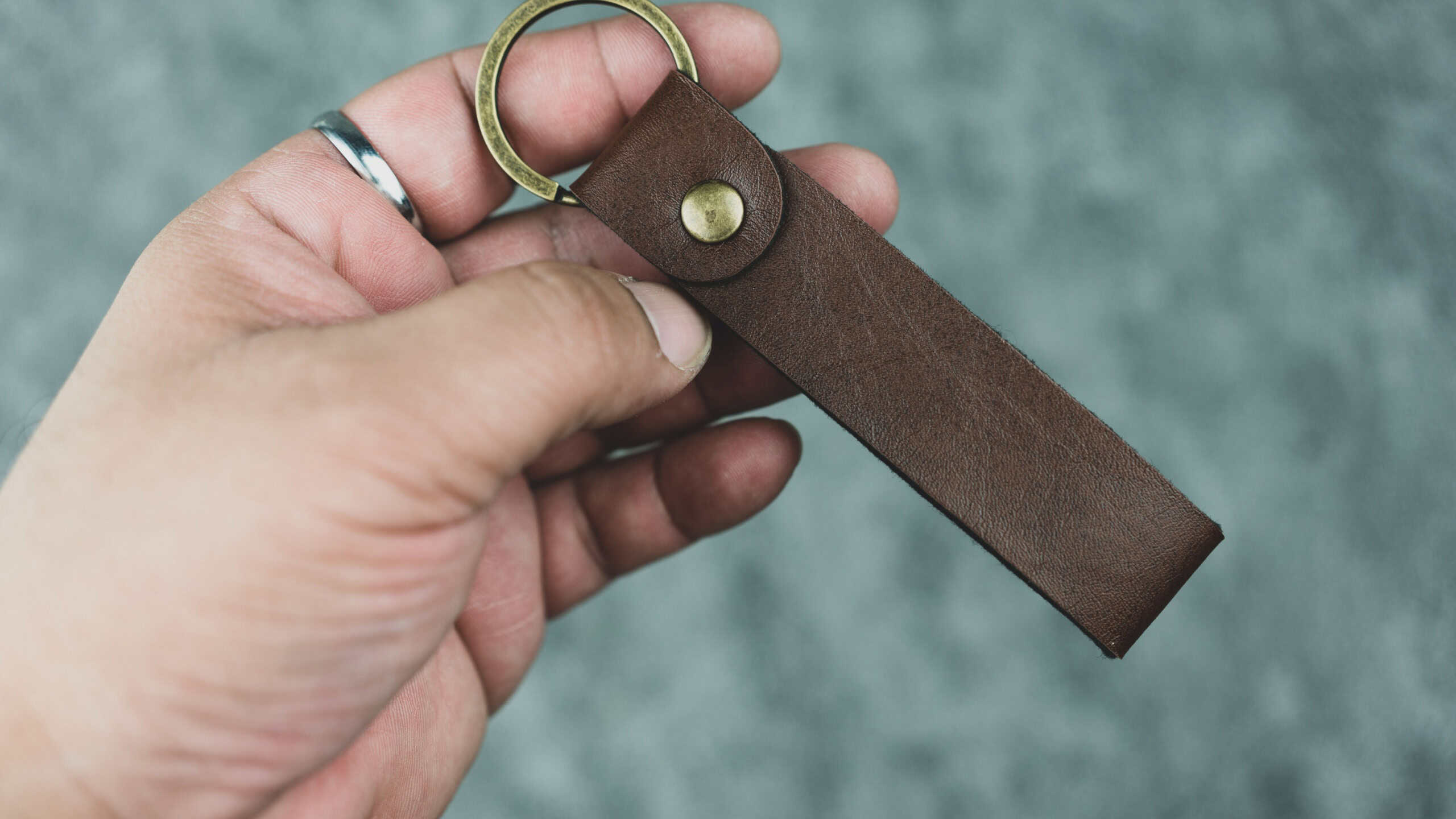
Everyone has that one thing they would trace their fingers along repeatedly; be it a silky worry stone, particular pen, or the metal keys of their keychain that they would rapidly click back and forth in their pocket.
After years of contact, these items can develop a patina from the oils in their skin. To hold something they held thousands of times is an immediately grounding sensation.
Identity trails
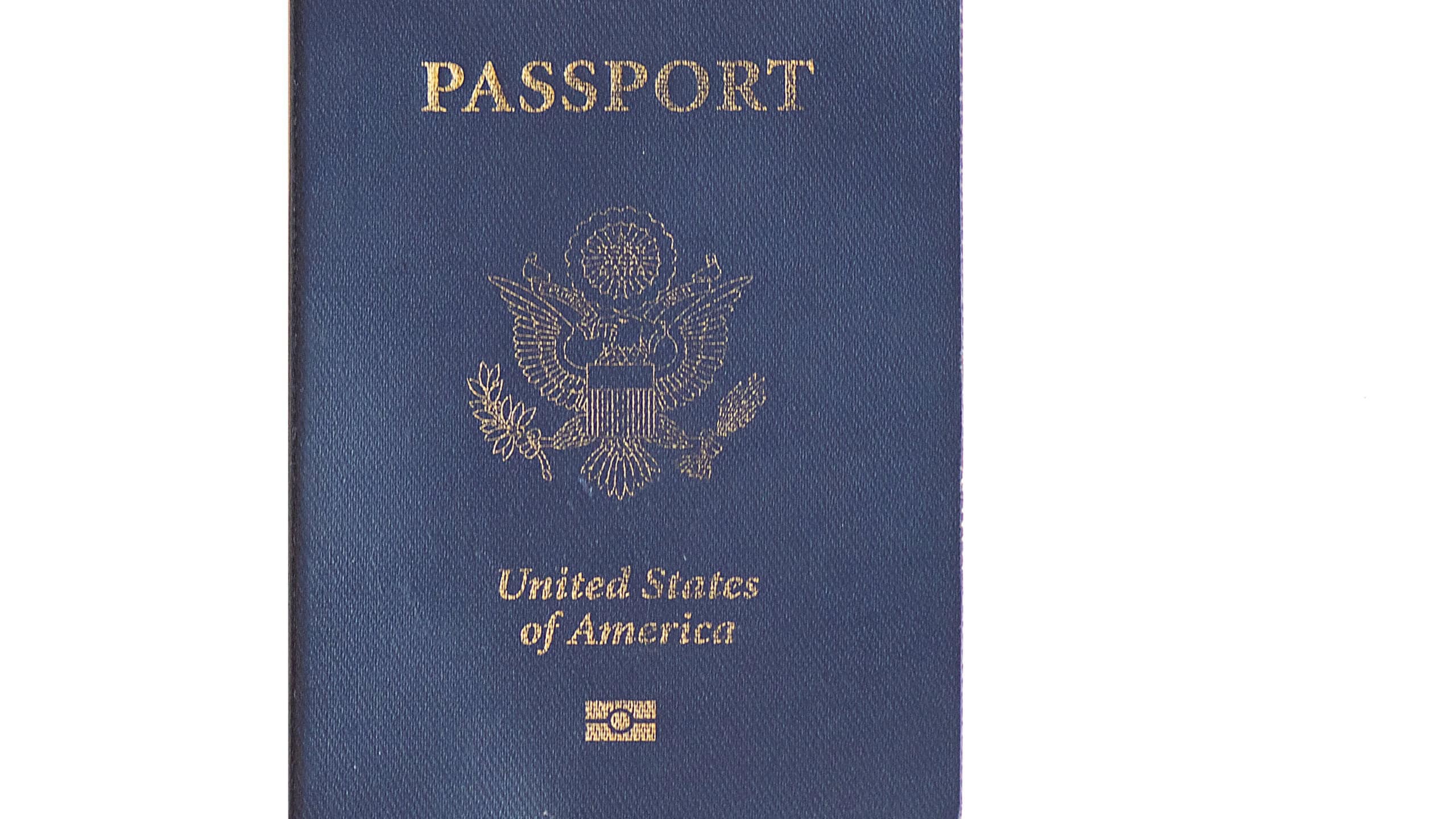
Along with the death certificate, save old passports, library cards, or even their very first driver’s license.
These documents are a timestamped record of who they were and where they went throughout their life. They showcase how their appearance changed over the years and officially document where they’ve been.
Pilgrim passport stamps, IRS tax stamps, or even old signatures can be found on these papers. They are your proof that this person existed and lived the life you’ll tell future generations about.
Pending letters
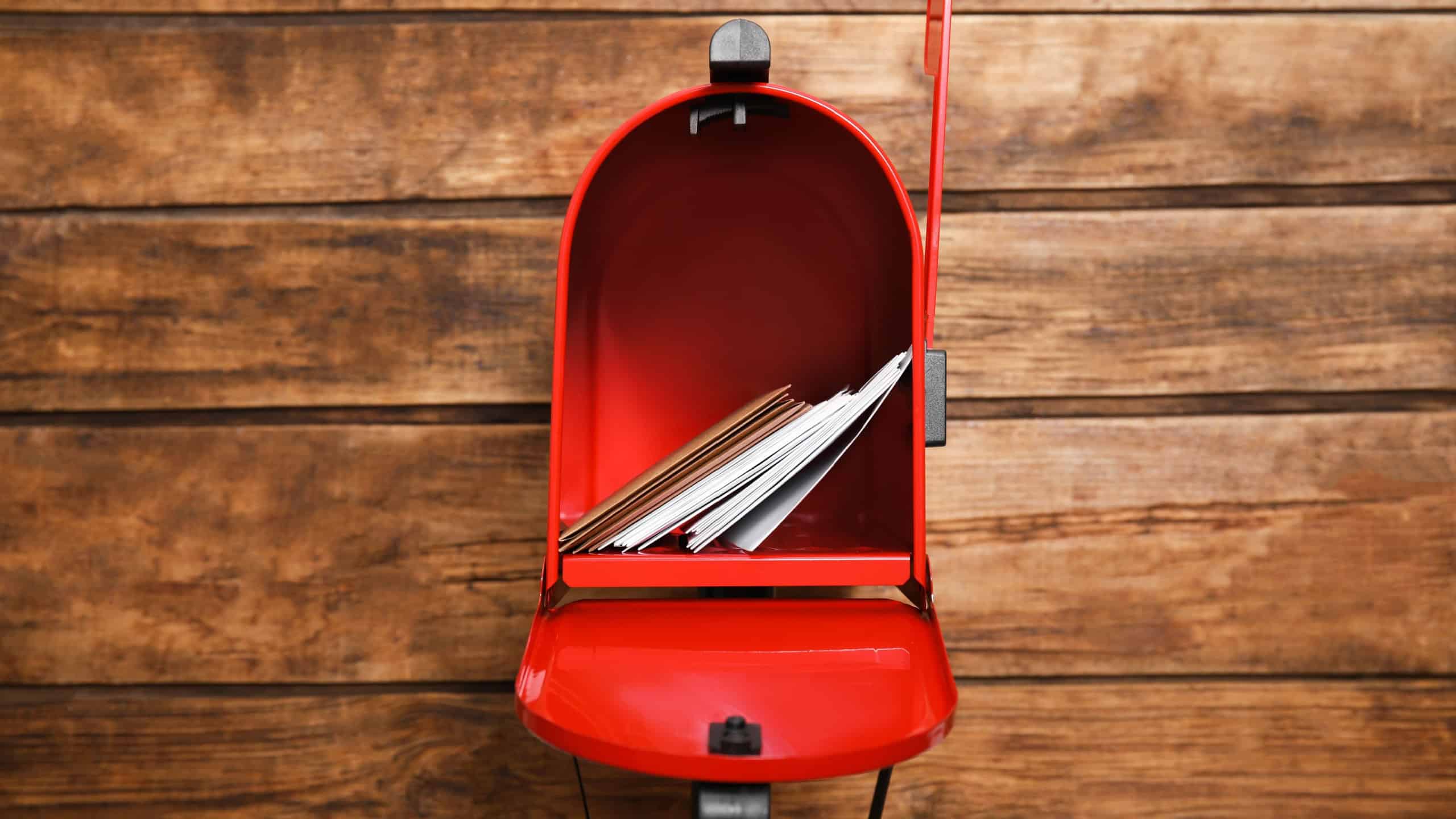
I know it sounds morbid, but hang onto their last magazine subscriptions or unopened letters for a month or two before letting everything lapse.
See what they were reading up until the very end, or what they were looking forward to doing. It gives you a way to close the book on their present life and complete the things they began.
You never know if that last letter from a long-distance relative will give you something you need to hear during those early stages of grief.
Maker’s tools
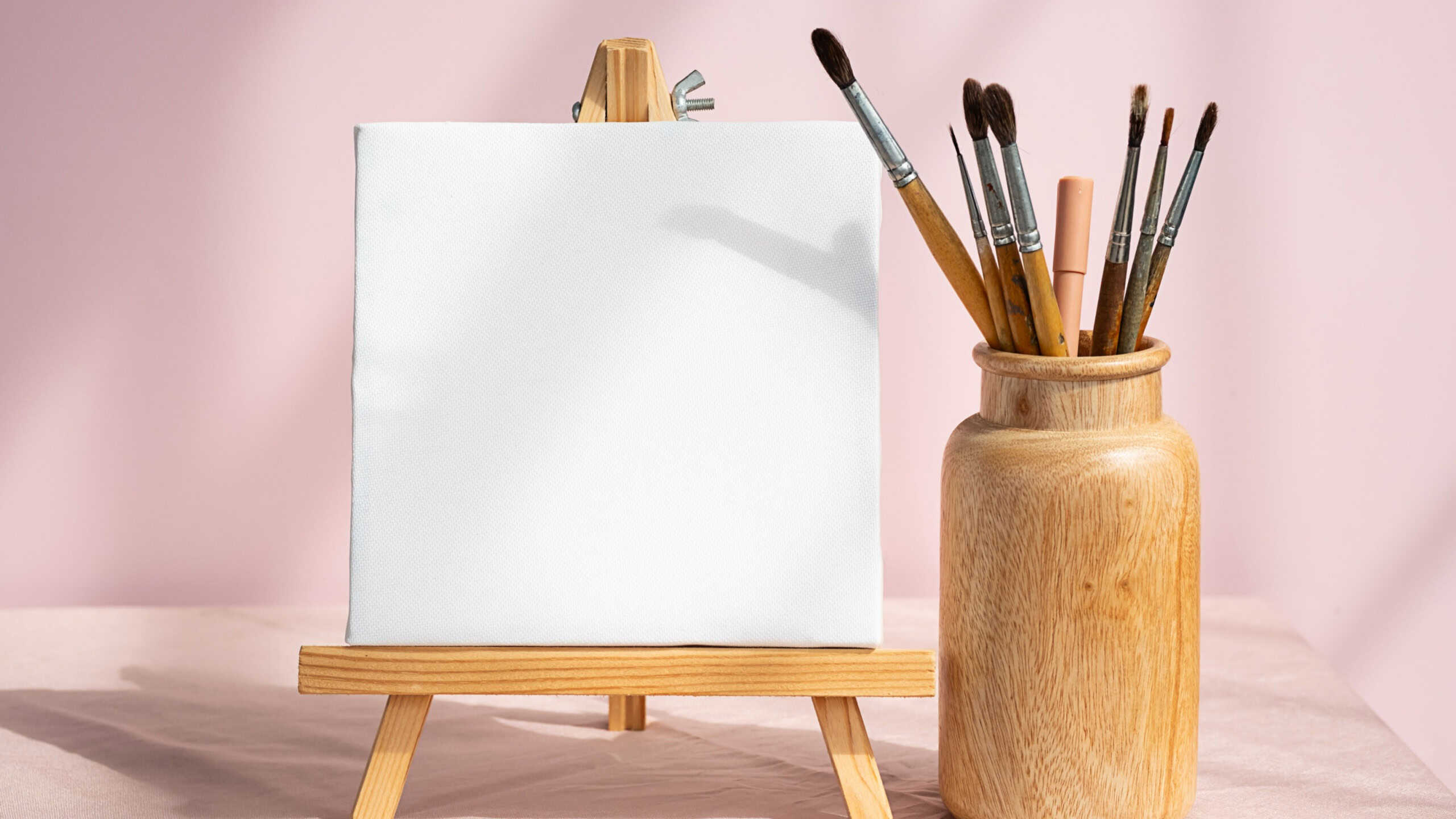
No matter the job, everyone has tools they used to perfect their craft.
The tools they used, paintbrushes, knives, hammers, speak volumes about their labor. And to hold their tools is to be reminded of their craft and the objects they crafted for themselves and others.
Sources: Please see here for a complete listing of all sources that were consulted in the preparation of this article.


