We can all agree that the Industrial Revolution was a time that changed the world. Yet this wasn’t in the ways we think, whether that’s what happened to farming or ideas around life expectancy. Let’s set the record straight with eleven myths about the Industrial Revolution & the truth behind them. You’ll think of this period in a whole new way!
Featured Image Credit: Lewis Hine/Wikimedia Commons.
Handcrafted Things Became Extinct

Sure, mass production became much more popular during the Industrial Revolution but not everyone threw out their knitting needles. Handmade goods still had their place. In fact, people valued their quality & uniqueness—it didn’t really matter if factories churned out products by the thousands. The love & market for handmade items still existed! Honestly, it wasn’t so far off from how most of us feel today because many of us are willing to pay more for handmade goods.
Child Labor Was New

Unfortunately, the Industrial Revolution didn’t exactly invent kids working. It did, however, become more visible with factory jobs becoming more common. Companies often hired children because they could pay them less & squeeze them into small spaces. But even so, child labor wasn’t exclusive to the Industrial Revolution. It sadly had existed a long time before this and laws to fix this problem didn’t emerge until much later with reforms like the 1938 Fair Standards Act in America.
Like our content? Be sure to follow us.
Education Became Worse

Likewise, it’s a common belief that the Industrial Revolution kept kids out of school and in the factories. It was true early on. Eventually, though, the revolution created a big push for education because bosses needed skilled workers—and so they realized that education was the way to get there. This led to more schools being built and laws passed to make sure kids got an education.
Everyone Left the Cities

Another image that’s not quite right is the one of everyone suddenly flocking to cities. Urbanization was a lot slower than that! Of course, factories needed workers and this drew people to urban areas—yet this shift from country to city life didn’t happen overnight. And some farmers adamantly refused to move to the city. Why? Because they didn’t want to change their way of life.
Farms Vanished

Likewise, many people think that the Industrial Revolution turned agricultural societies into urban jungles. That’s not true. Farming didn’t go out of style & many advances during the Industrial Revolution actually improved agricultural productivity. These included better farm tools. While the cities & factories grew, the countryside continued to change as well, albeit at a slower rate.
The Industrial Revolution Made Everyone Sick

Cities indeed became more crowded & grimier, which makes some people think that the Industrial Revolution was terrible for people’s health. Yet this was also a time for some major progress in healthcare. For example, this was the early days of sanitation systems, vaccines & better medical care. Eventually, these advances pushed life expectancy in the right direction. It was quite far off from our current healthcare, though.
Automation Only Meant Job Losses
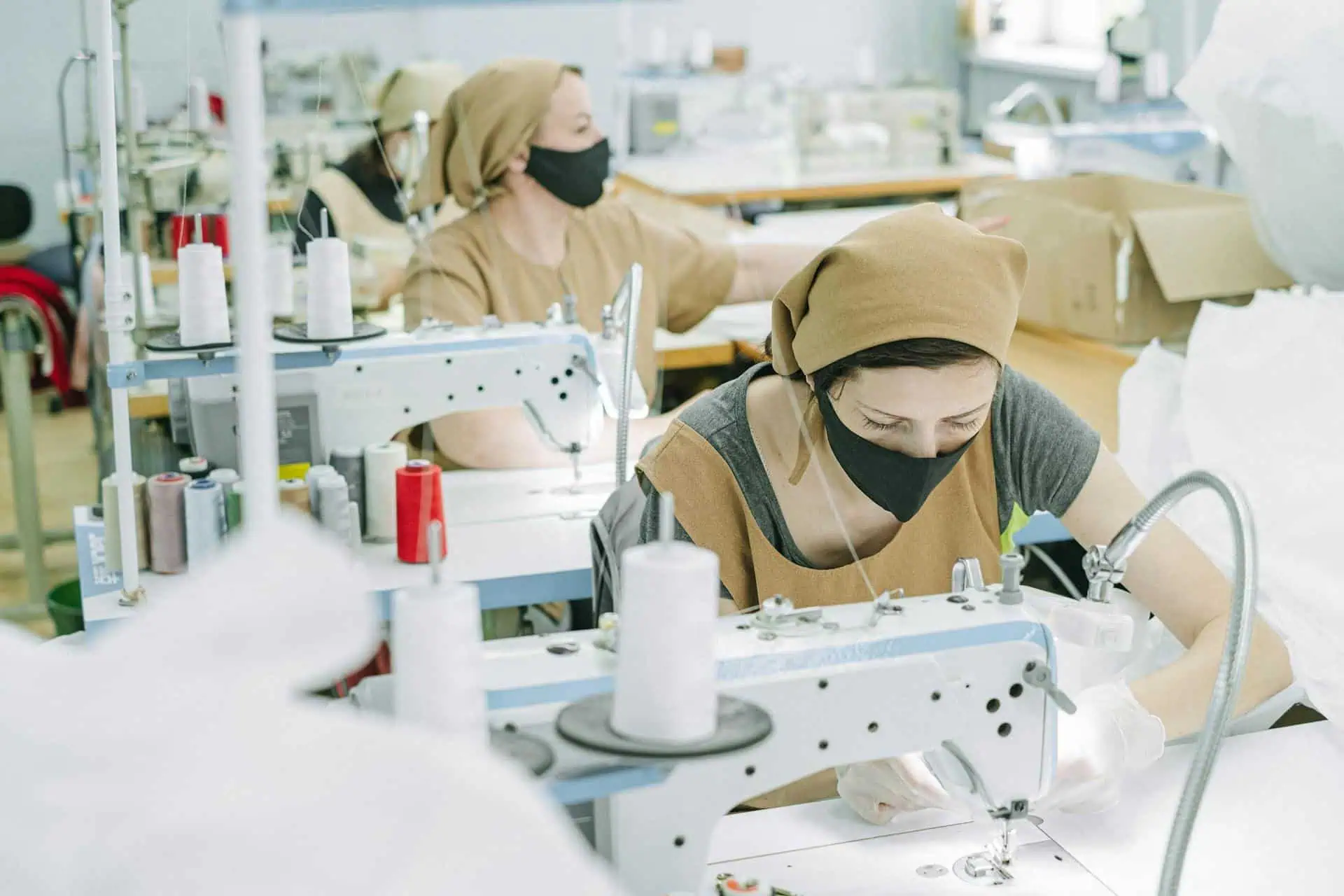
People seem to think that automation during the Industrial Revolution made human workers obsolete. That’s only partially true. Many new jobs emerged due to the Revolution as factories needed folks to run those machines. They also needed engineers to fix them. Essentially, the Revolution created all sorts of other roles that didn’t exist before while eliminating others. It was a mixed bag.
It Was All About Coal and Steam

Many of us picture the Industrial Revolution as a bunch of sooty factories & steam chugging out of every corner. Yet this was also an era when gas lighting became more popular and the earliest forms of electricity were created. These bright ideas started powering cities & factories in cleaner & smarter ways. Eventually, it led to a whole new era of energy use—not just one that relied on coal.
The Revolution Ignored Leisure Time

The Industrial Revolution wasn’t a time of work & zero play. Actually, during this time, people’s idea of a weekend where we don’t work and public parks to relax in emerged. Even sports fields began to appear in order to give workers some much-needed downtime. This was the beginning of our work-life balance. It wasn’t perfect but it certainly helped.
The Working Class All Hated the Industrial Revolution

Not every worker back then hated the Industrial Revolution, despite the harsh factory conditions & all. Why? Because this era gave them better jobs and slowly but surely improved working conditions. Let’s not forget about how it began the fight for workers’ rights. It was a mix of challenges & opportunities so the worker’s relationship with the Industrial Revolution was rather complicated.
It Stifled Creativity

You might think that the Industrial Revolution stopped creativity as the focus was on churning out the same old stuff. But wait. It actually created a ton of creative genius, with engineers, designers & artists cooking up creative solutions. It was a time of incredible invention. Creativity was alive and well during the Industrial Revolution—it just took on new forms.
Disclaimer: This list is solely the author’s opinion based on research and publicly available information.
Like our content? Be sure to follow us.
Read More: