

Despite all the talk about guns, there are plenty of myths floating around that’ll put you in danger if you’re not careful. We don’t mean fairy tales here—it’s the real misconceptions about gun safety, the law & how firearms work in real life that can hurt you. Let’s clear some of them up! Here are twelve myths about guns that could cost you your life and the truth behind them. Hopefully, you’ll stay a little safer by knowing these.
Featured Image Credit: edwardolive /Depositphotos.com.
“A Gun Makes Your Home Safer Automatically”

It’s easy to think that just having a gun around makes your home safer. However, studies show that having guns in the home might actually increase the risk of accidental shootings, suicides & even domestic violence incidents. Rather than simply having a gun, knowing how to store it safely and use it responsibly is important.
“A Gun Will Always Stop an Attacker”

Relying on a gun as your only shield against danger is risky because real-life confrontations are unpredictable. You have to factor in things like surprise & distance—even stress impacts your ability to use a gun effectively in self-defense. Let’s not forget that there are other situations where different forms of self-defense are more effective.
Like our content? Be sure to follow us.
“The Safety Feature is Enough to Prevent Accidental Discharges”

Flipping on the safety switch doesn’t mean your gun is childproof or accident-proof. Of course, safety features are important but they’re not foolproof. The best way to prevent accidental discharges is to practice good gun safety habits, like keeping your finger off the trigger until you’re ready to shoot.
“Semi-Automatic Weapons Fire One Round per Trigger Pull, So They’re Not Dangerous”
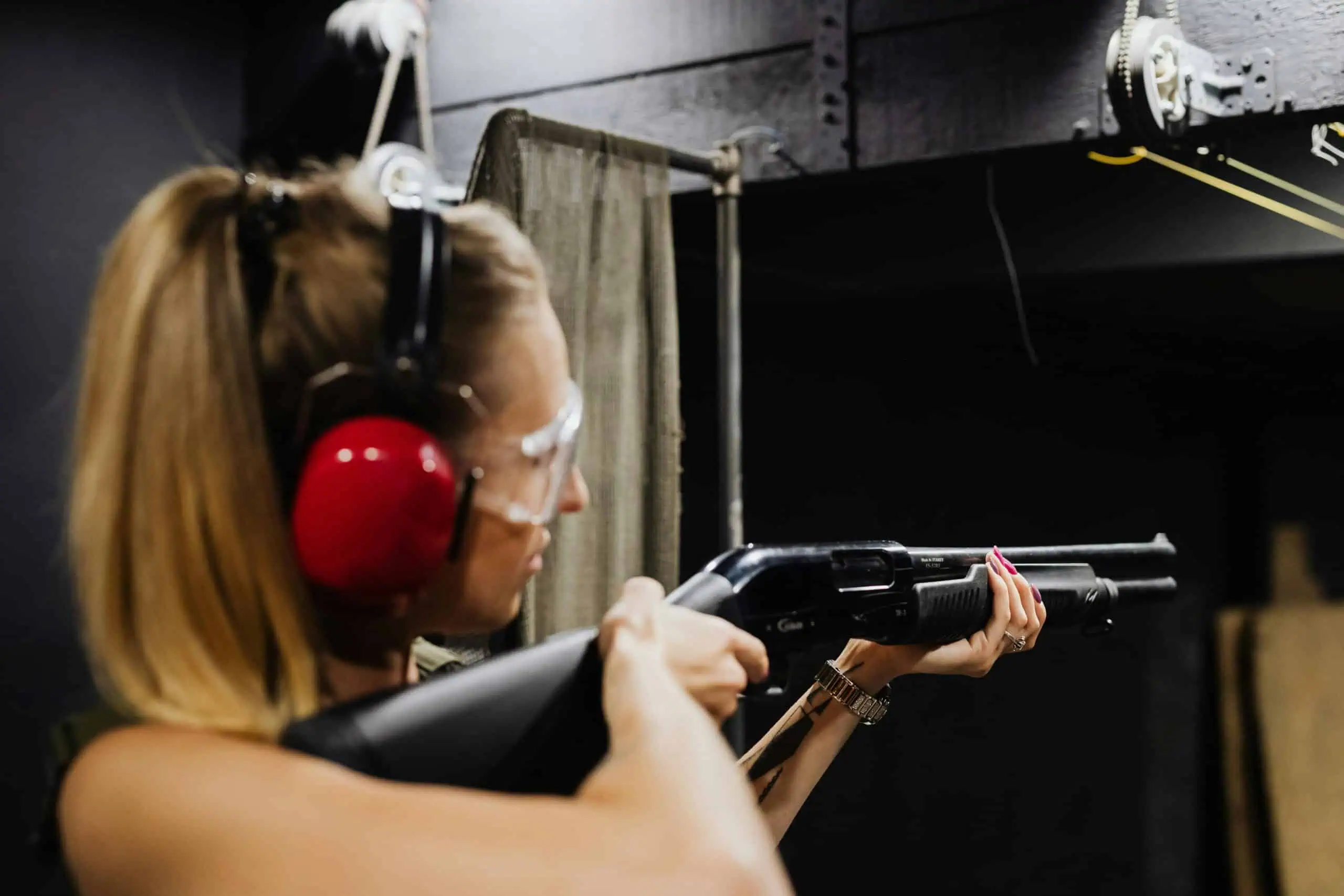
Just because semi-automatic guns fire one round per trigger pull doesn’t mean they’re not powerful. These firearms can discharge bullets incredibly quickly and with high-capacity magazines, they’re very dangerous in the wrong hands. What’s important is how they’re used–and who’s using them.
“Silencers Make Guns Completely Silent”
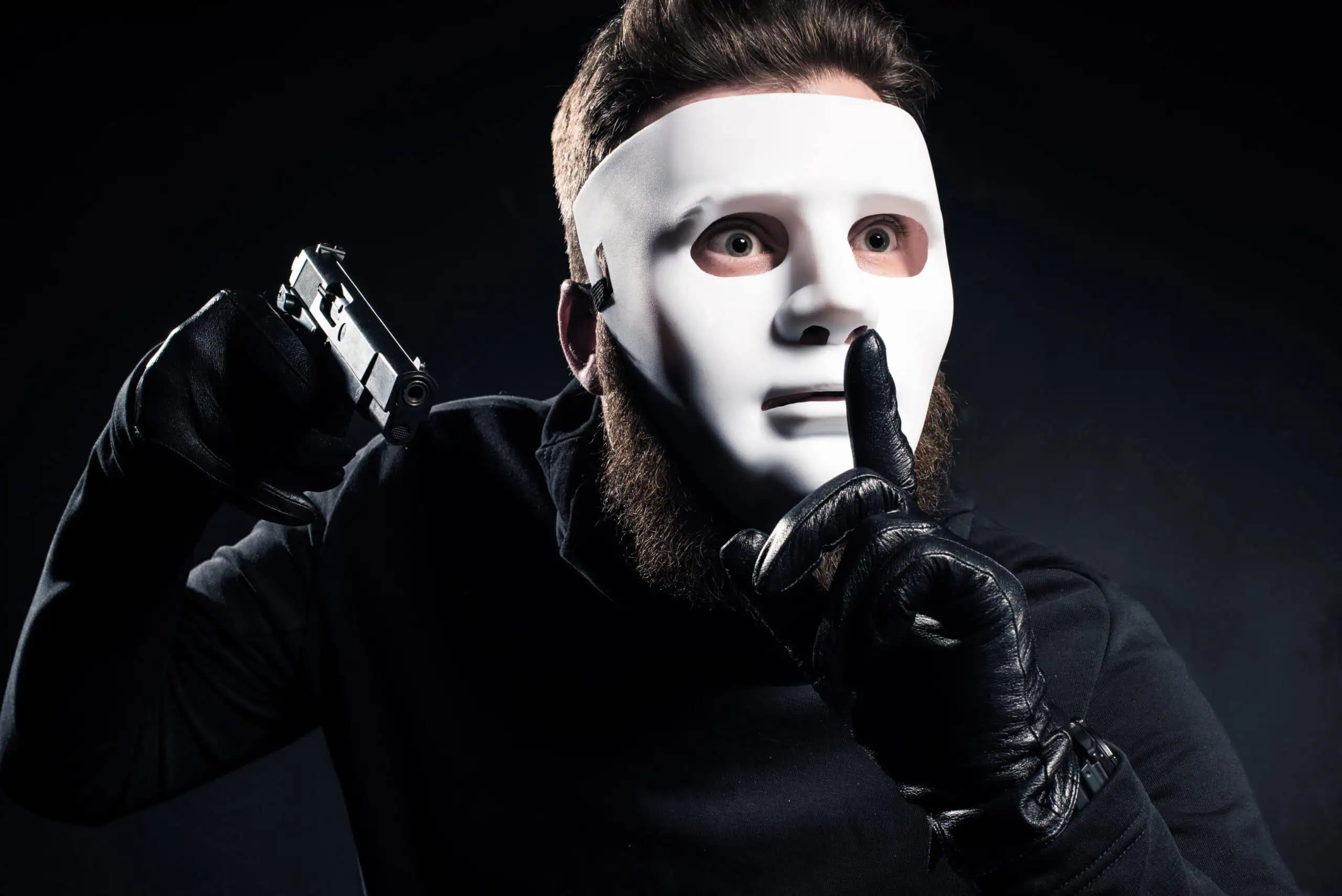
Thanks to the movies, many people think silencers turn gunfire into a gentle whisper. However in reality, while suppressors do lower the noise level, they don’t make guns silent. A suppressed gunshot is still rather loud—and definitely noticeable. It’s just not as ear-splitting as an unsuppressed shot.
“Shooting to Wound is a Good Strategy for Self-Defense”
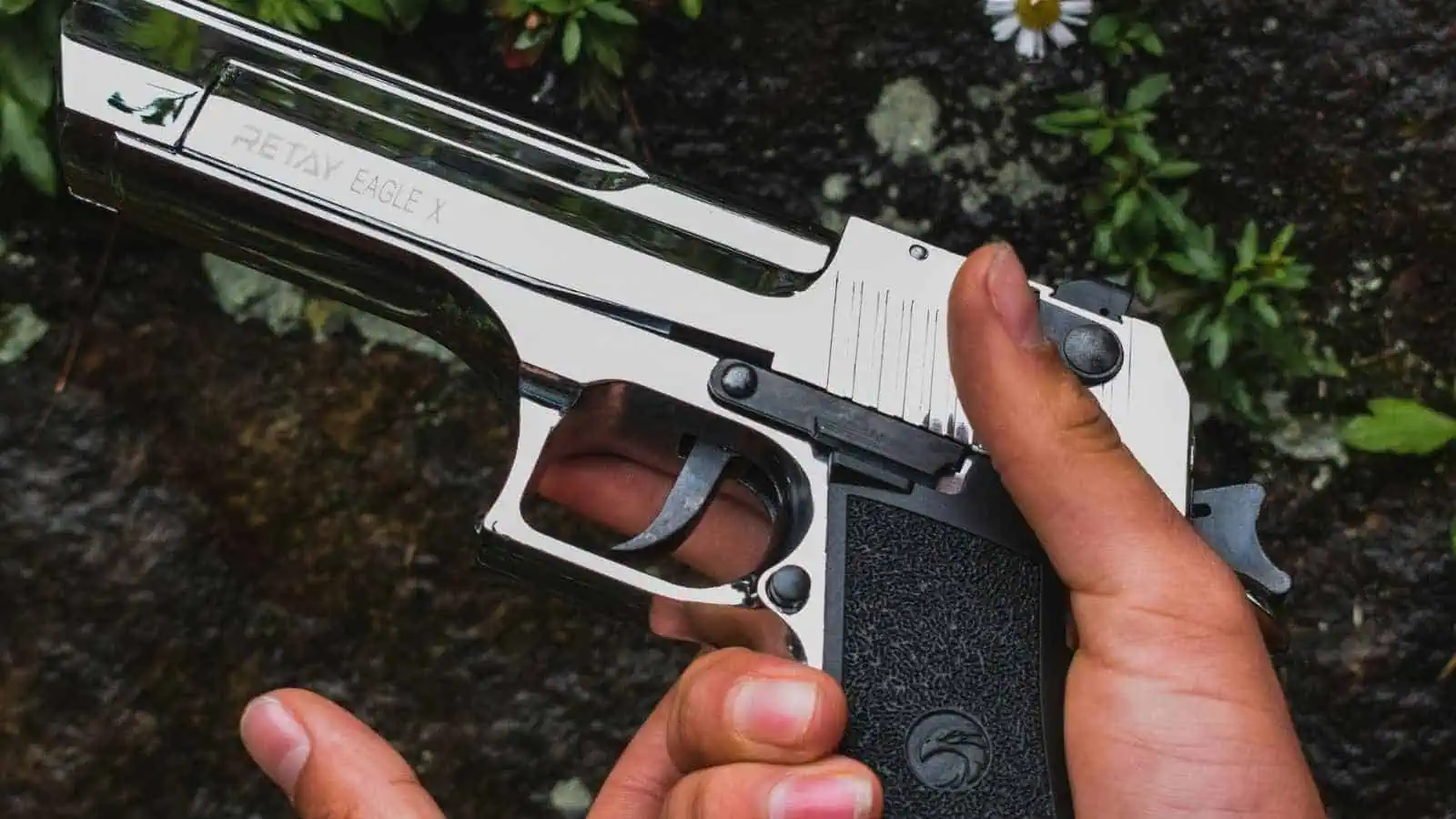
Speaking of the movies, they also love to show heroes nobly shooting the bad guy in the leg or arm. In real life, aiming to wound instead of shooting to stop the threat is incredibly risky. It’s difficult to hit a moving target precisely under stress—failing to neutralize the threat could put you in greater danger. You should try going to self-defense training to work out what to do.
“Dry Firing a Gun Damages It”

Some people believe that dry firing (pulling the trigger on an empty chamber) is bad for your gun—it’s not. For most modern firearms, dry firing will help you practice your trigger pull or check your gun’s function in a harmless way. There are some exceptions, especially with older models or certain types of guns, so make sure you do your research.
“Hollow-Point Bullets Are More Dangerous to Bystanders”

Hollow-point bullets are those that expand upon impact and there’s a common belief that they’re somehow more dangerous to everyone else around. That’s not right—these bullets are designed to stay inside their target. This reduces the risk of them passing through and hitting someone else, meaning they’re often safer for most self-defense situations.
“The Bigger the Gun, the More Effective It Is”

Size matters—but not always with guns. Despite what you’ve heard, a bigger firearm isn’t necessarily better for self-defense as it’s a lot harder to manage a larger gun. It’s a particularly bad problem for people with smaller hands or less physical strength. You also have accuracy & handling to consider which may make a smaller firearm more effective.
“Revolvers Are Old-Fashioned and Not as Good as Semi-Automatics”
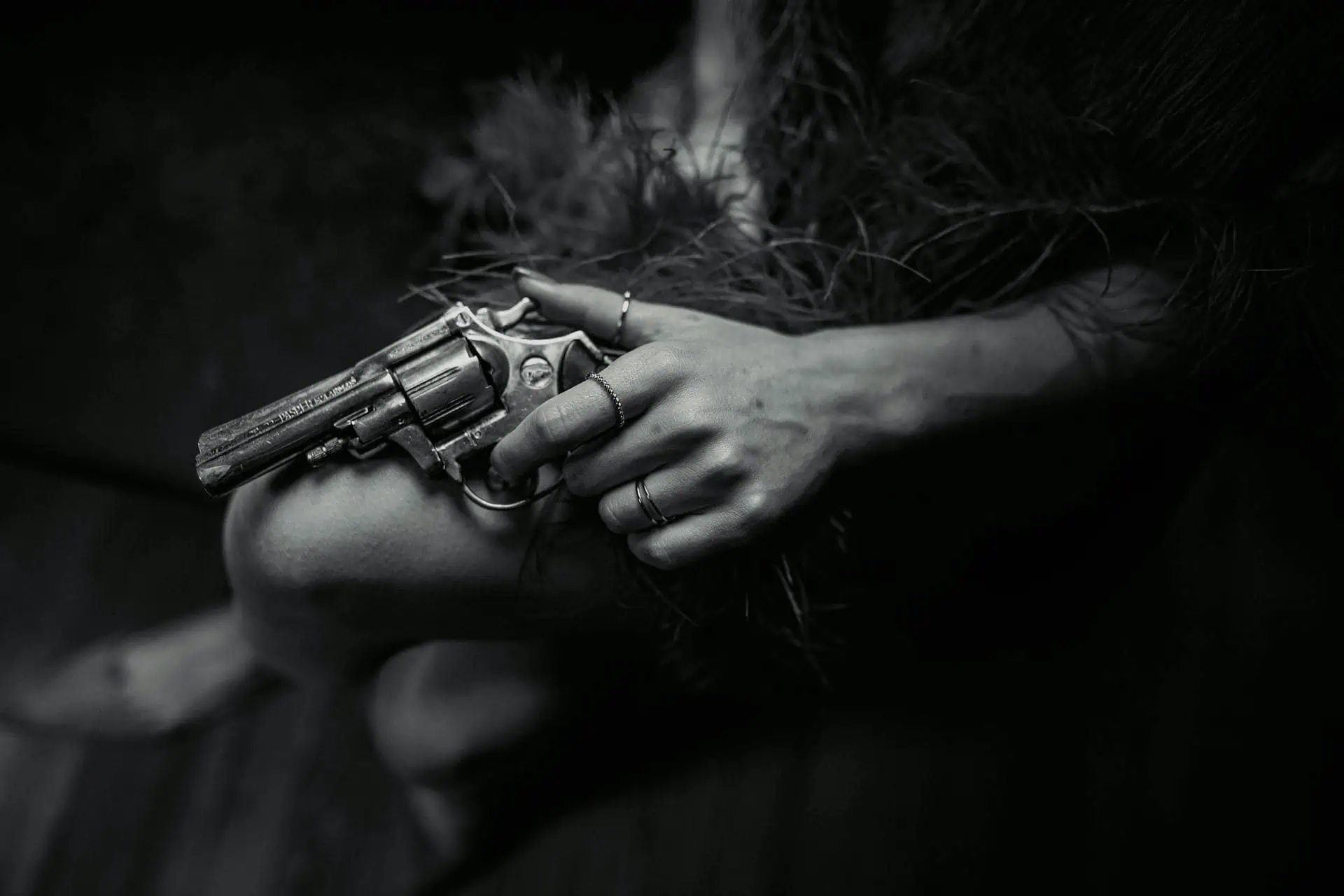
Compared to semi-automatic pistols, you might think that revolvers are just old relics. After all, semi-autos hold more rounds and they’re quicker to reload—but revolvers have their own set of advantages. They’re far more reliable & easy to use, with fewer moving parts that could jam. Don’t just write them off because they’re older!
“Using a Gun for Self-Defense Automatically Means You’re Legally Covered”
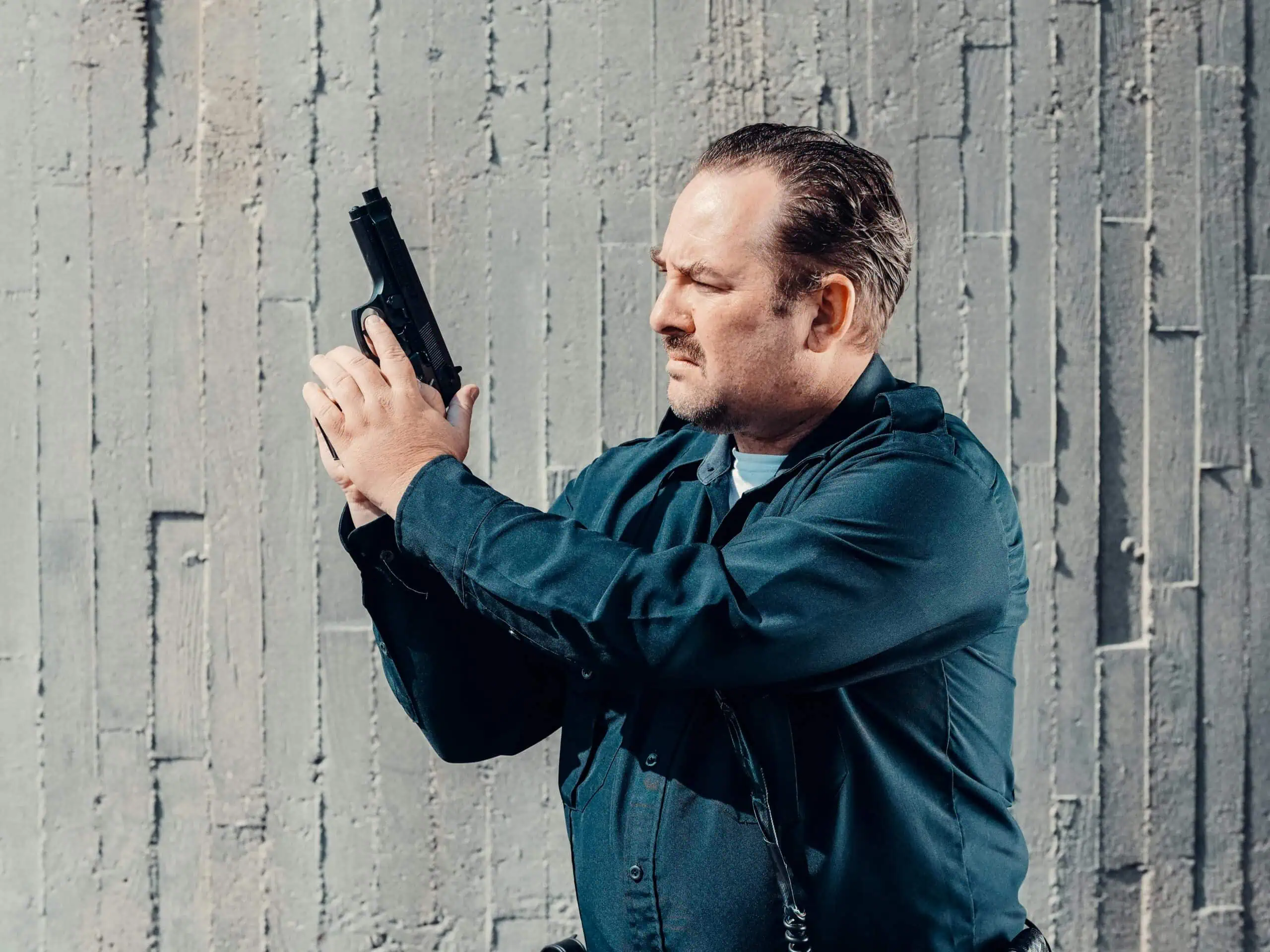
Pulling out a gun in a self-defense situation isn’t a get-out-of-jail-free card. The legalities surrounding the use of lethal force are complicated and they depend a lot on where you are. The law needs to see your actions as reasonable under the circumstances for you to use a firearm as a form of self-defense.
“The Right Ammo Means You Don’t Need to Aim Carefully”

While you might have the right kind of ammunition, you should still worry about your aim. No matter what type you’re using, aiming carefully is important to make sure you hit your target and minimize the risk of harming innocent bystanders. Proper aim is one of the central aspects of safety & effectiveness—there’s no magic bullet that lets you skip this step.
Disclaimer: This list is solely the author’s opinion based on research and publicly available information.
Like our content? Be sure to follow us.
Read More: