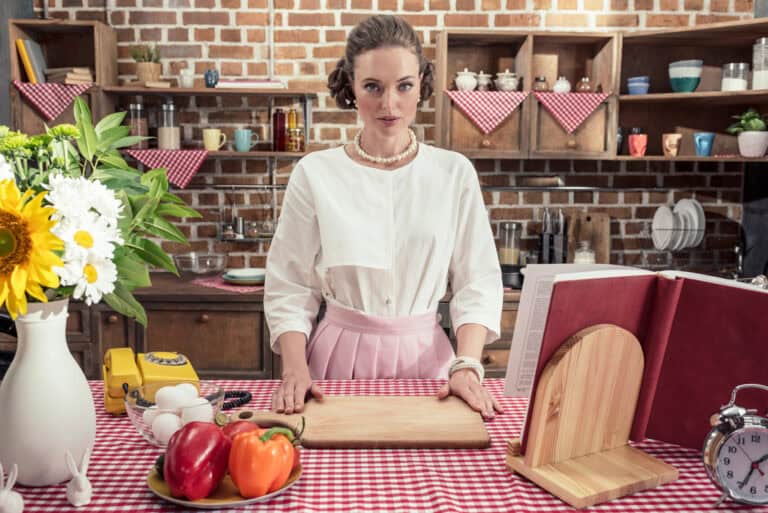

Many people are popularizing the ‘tradwife’ trend on social media – a movement that glamorizes what it was to be a 1950s traditional housewife. When we think about the 1950s housewife, we often picture a perfect image: a woman wearing a tidy dress, a smile on her face as she cleans, cooks and looks after her family. But this idealized version of the 1950s housewife was much more fantasy than reality. This image of the 1950s housewife hid pressures and frustrations and a whole lot of things that weren’t as shiny as they appeared on TV. It’s time to shatter these misconceptions and explore why modern women are never going back to those outdated roles.
Featured Image Credit: EdZbarzhyvetsky/ Depositphotos.com.
She Loved Staying Home All Day
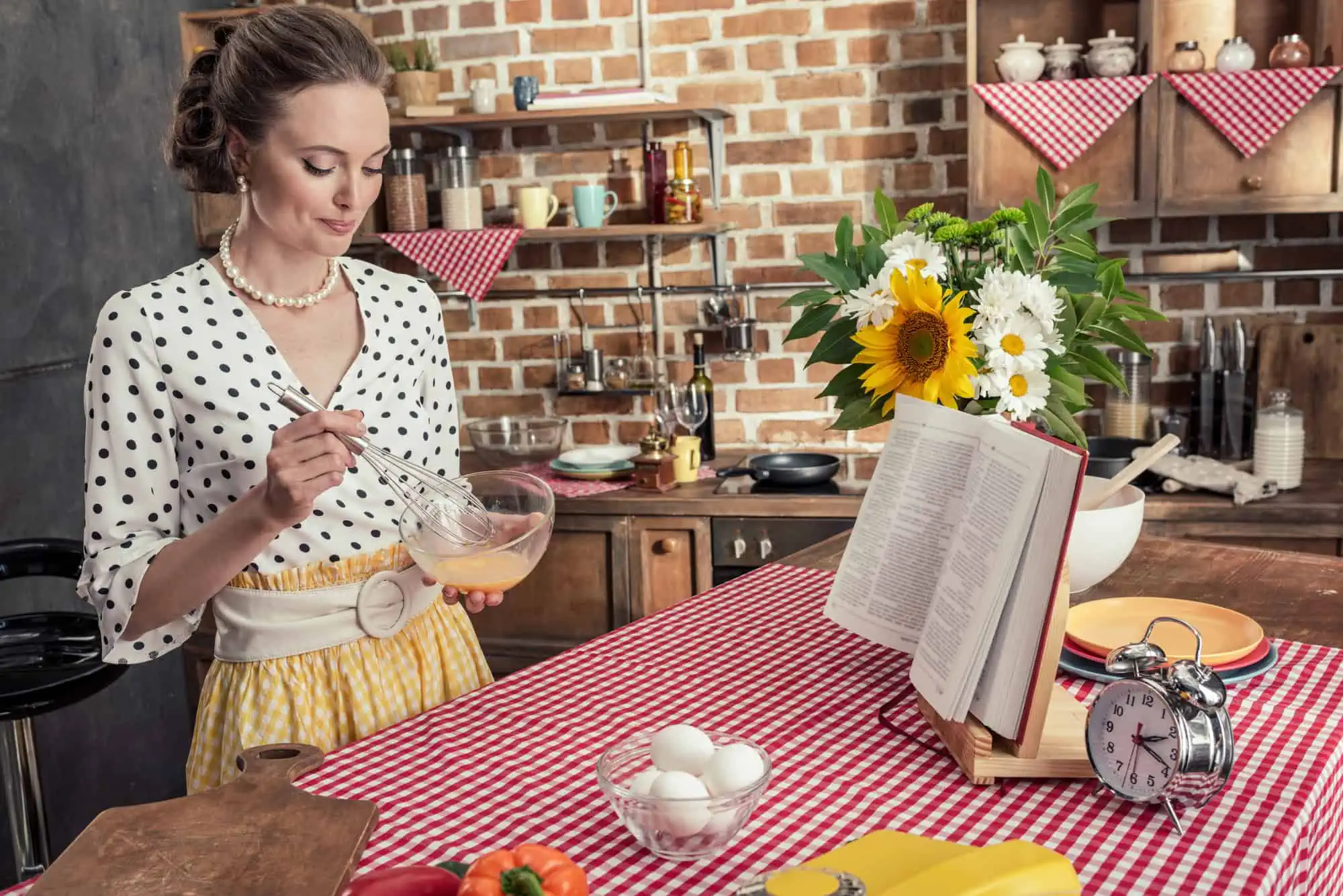
Contrary to the sitcoms, not every woman was thrilled to be stuck inside cleaning and cooking 24/7. Many were bored, isolated and craving more than spotless floors and dinner on the table by 6.
She Didn’t Want a Career

Many women in the ’50s wanted professional careers – but they had to give in to societal expectations and familial pressure and abandon their education or career paths after marriage. Dreams were shelved, not absent.
She Was Naturally Domestic
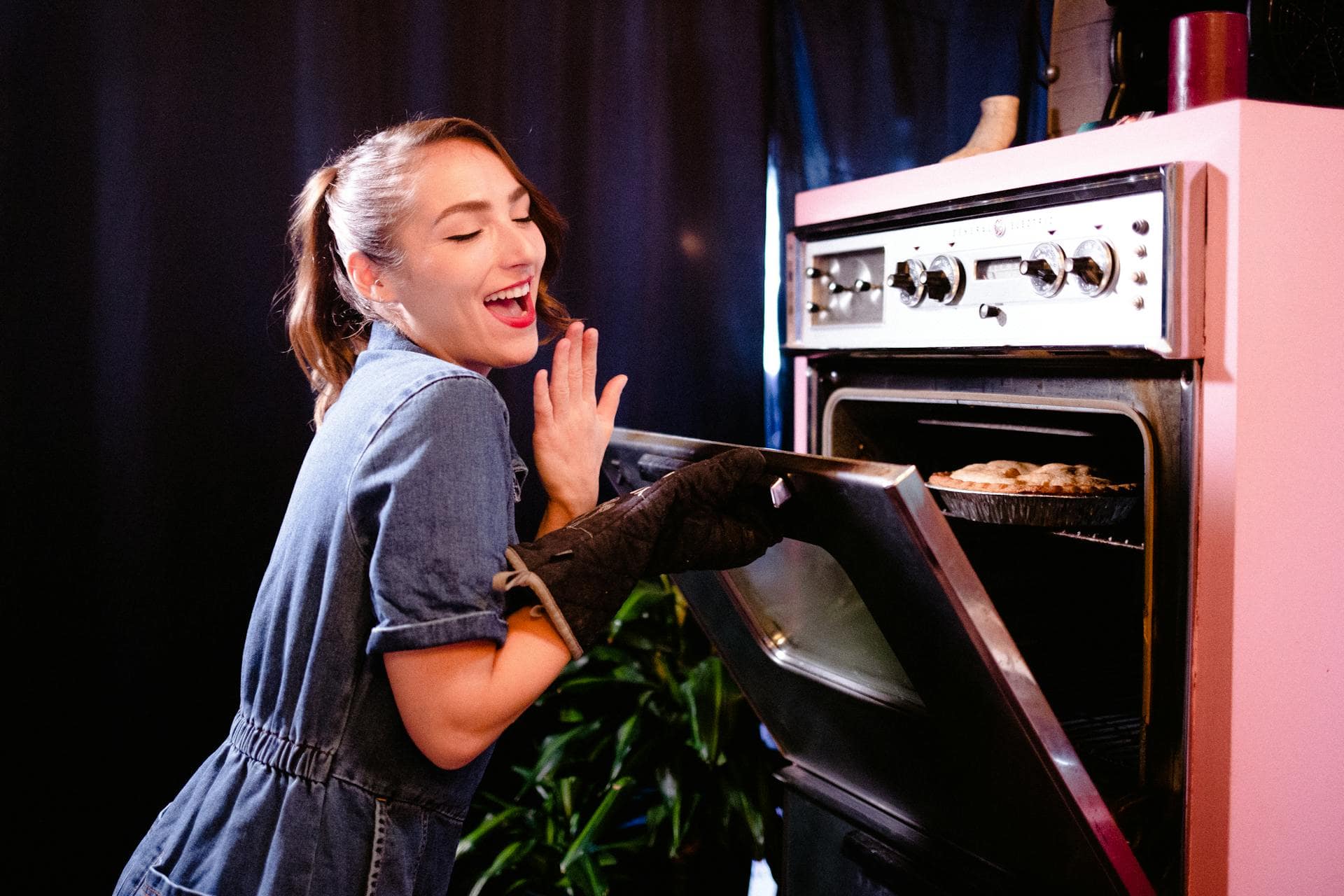
Just because women were expected to run the home like a well-oiled machine doesn’t mean it came naturally or joyfully. A lot of them had to learn how to be domestic—whether they liked it or not.
She Didn’t Mind Doing Everything Herself

Household labor wasn’t shared—at all. Women were responsible for cooking, cleaning, raising children, running errands, look good and be happy about all their responsibilities. The mental load? Off the charts.
She Was Always Happy

The glossy smiles in magazines hid many things. Women commonly experienced depression and loneliness but seldom discussed these feelings. Therapy? Taboo. Exhaustion? Just part of being a “good wife.”
She Had No Say in Family Finances—and Was Fine With That

It was normal for husbands to control the money, give their wives “allowances” and handle all financial decisions. But the reality was that some women hated it and didn’t like to live like children who had no control over their own homes.
She Didn’t Want Her Own Identity

Women were often referred to only in relation to their husbands—Mrs. John Smith, anyone? But deep down, a lot of them wanted their own names, passions, and purpose.
She Was Always Polished and Put Together
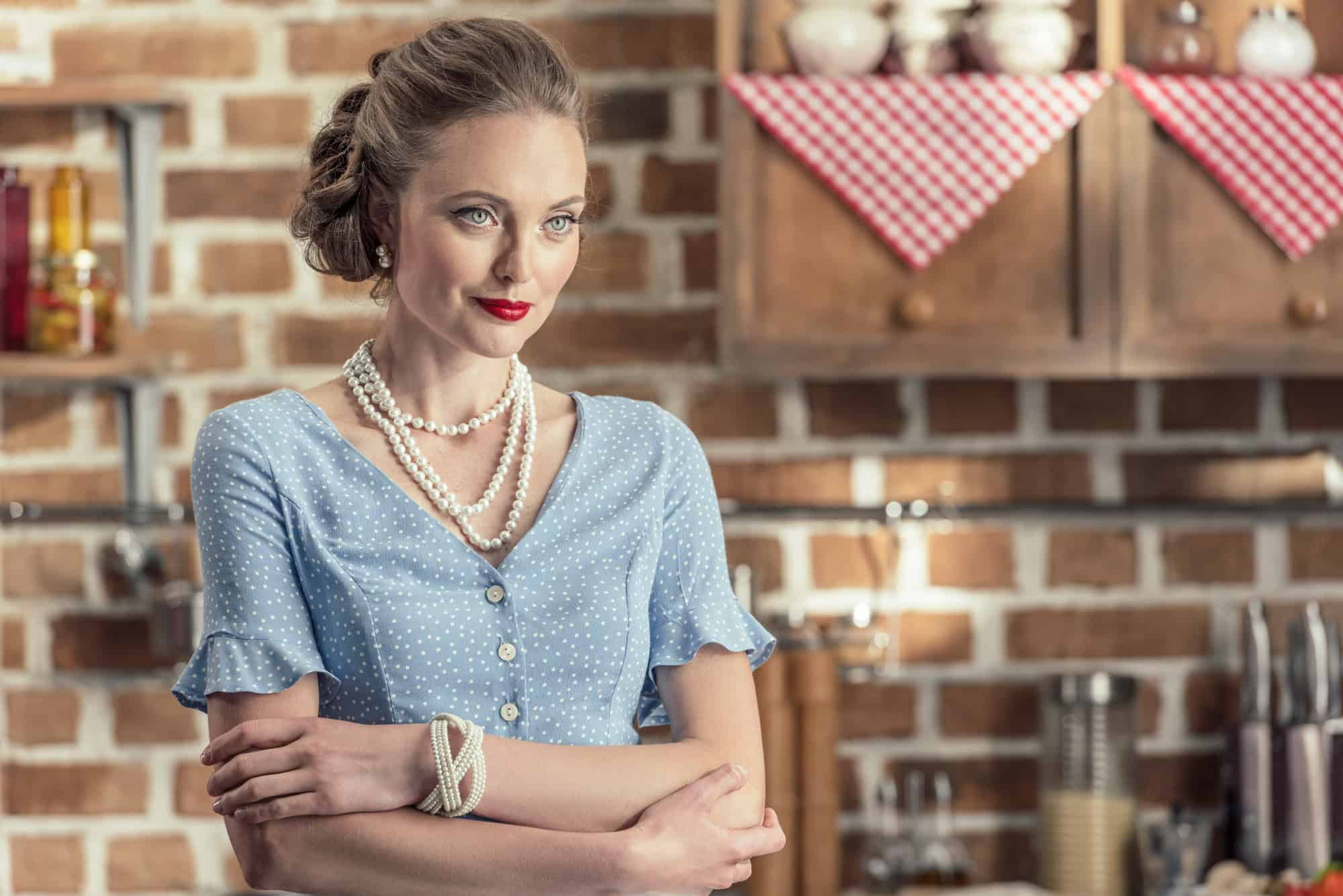
Real life wasn’t a beauty commercial. Most housewives didn’t actually vacuum in pearls and lipstick. That was just a marketing fantasy to sell more eyeliner and aprons.
She Didn’t Question Gender Roles
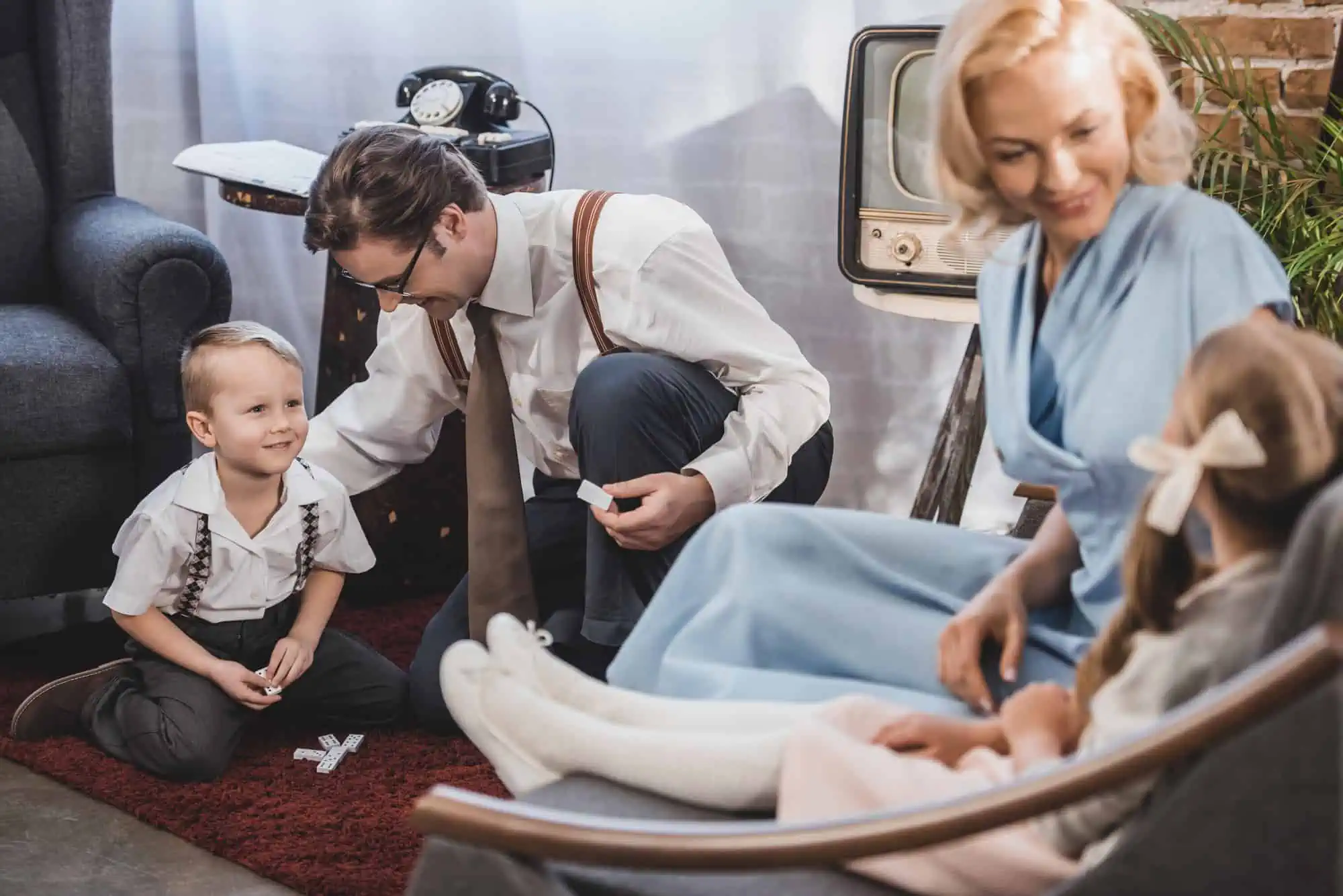
Many women did question the rules—they just didn’t have the platform to speak out like we do today. The seeds of feminism were already being planted.
She Lived for Her Husband’s Approval
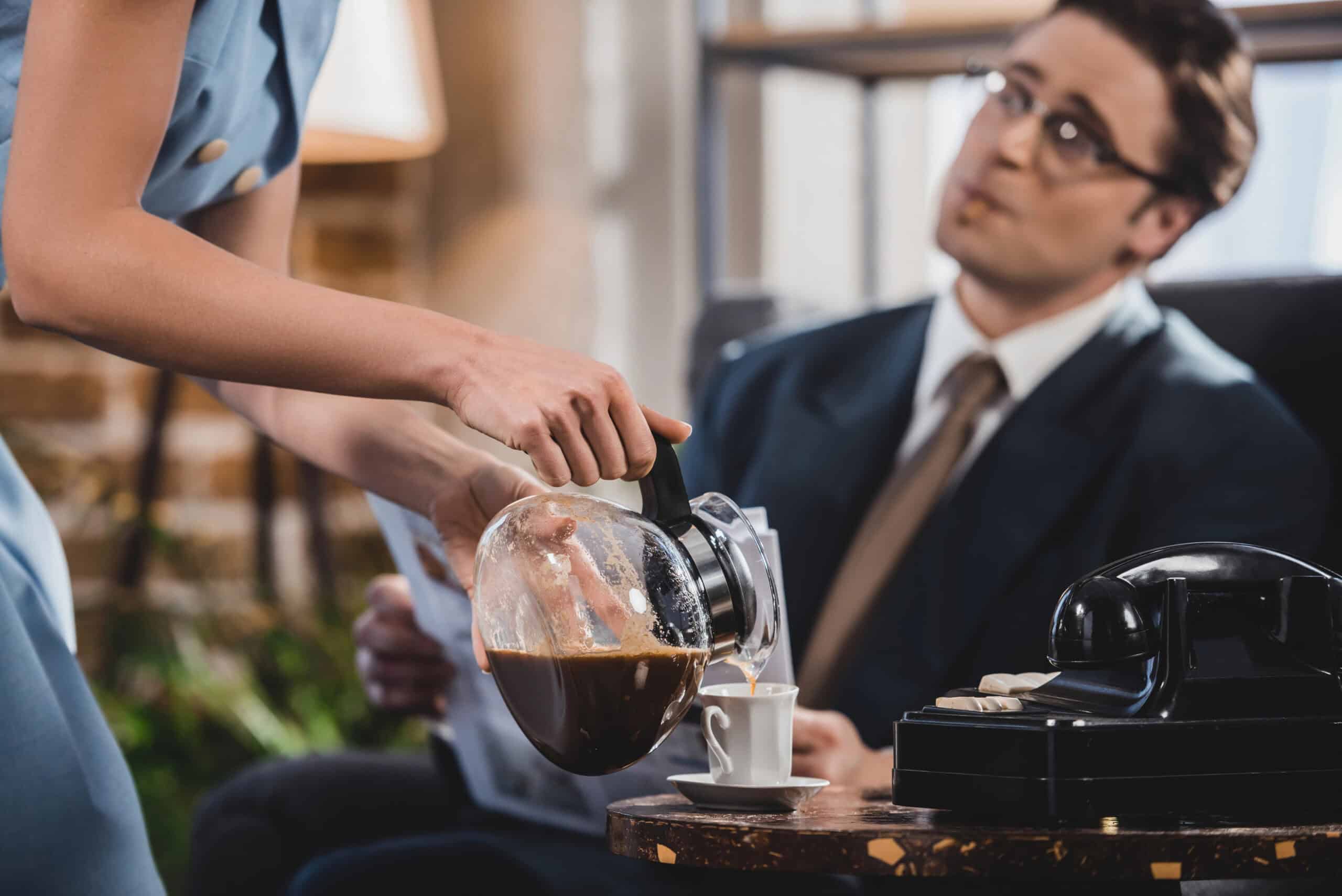
Yes, women were conditioned to be “pleasing,” but that didn’t mean they lived for it. A lot of them felt unappreciated, taken for granted, and wanted more than a pat on the back.
She Had No Sexual Desires or Needs
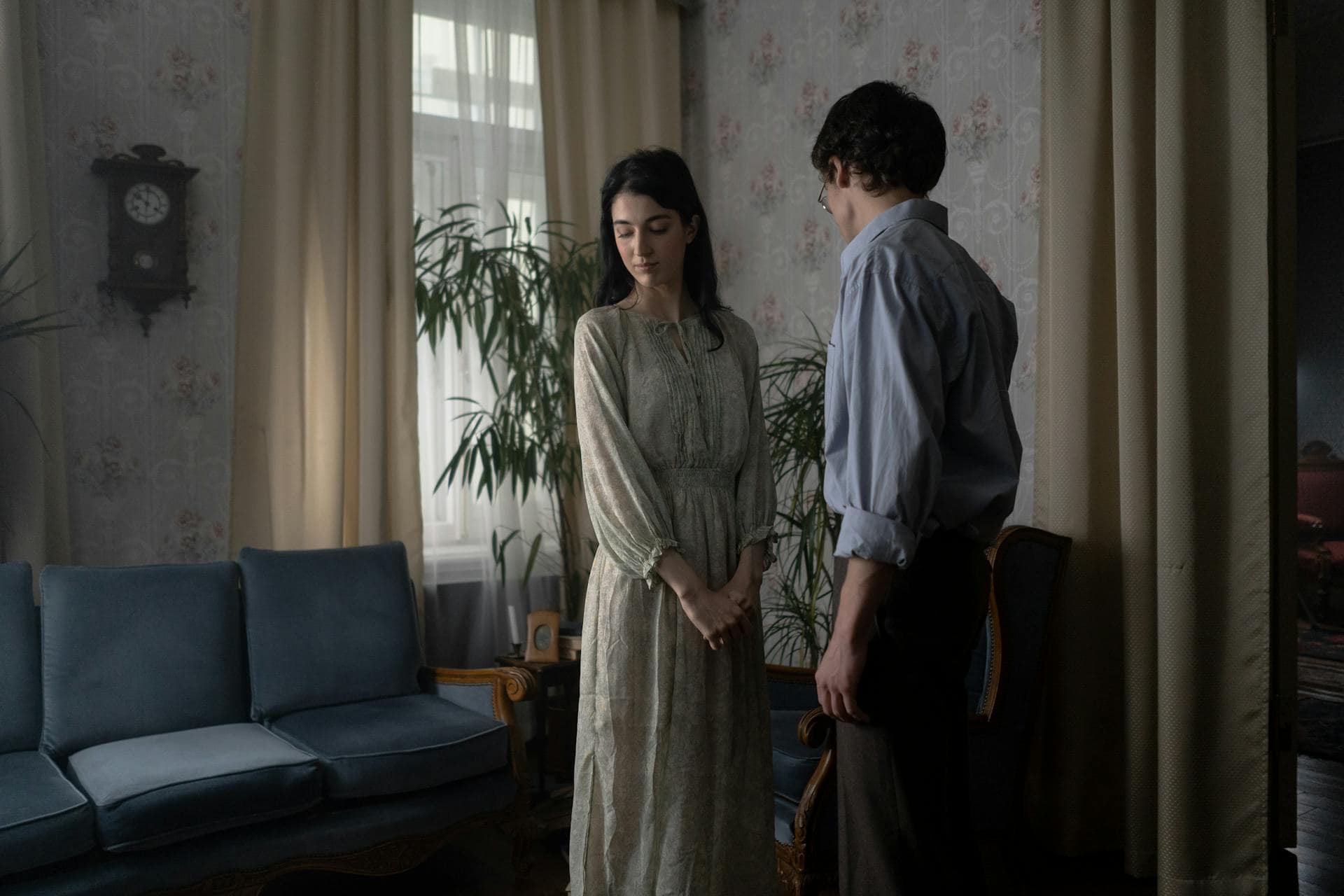
The era painted women as pure and passive—but real life didn’t match that. Women had sexual desires, frustrations, and often no outlet to talk about them.
She Was Content With Less Freedom
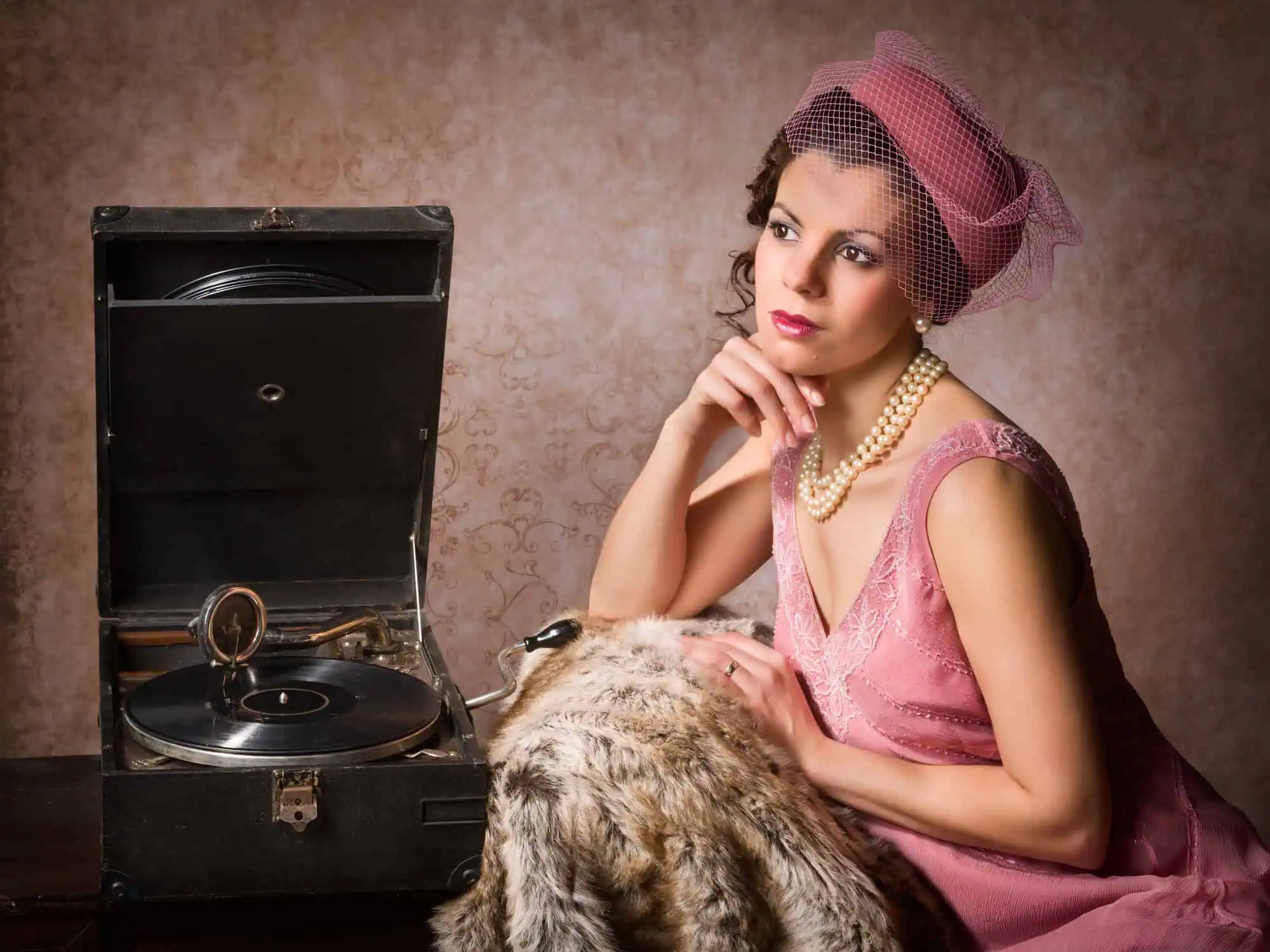
Having to ask your husband for permission to open a bank account or get a job wasn’t empowering. Women wanted independence—even if they had to wait a few decades to claim it.
She Didn’t Care About Politics or World Events
Women were often excluded from serious conversations, but that doesn’t mean they weren’t thinking about them. Many were deeply aware—and frustrated by their lack of influence.
She Thought Feminism Was Silly

Feminism wasn’t seen as “silly”—it was scary for some, empowering for others, and necessary for most. Women weren’t blind to inequality; they were just waiting for their moment.
She Wasn’t Ambitious

Ambition doesn’t disappear just because society tells you to settle down. Plenty of ’50s women had big dreams—they just didn’t have the support to chase them.
She Didn’t Get Burned Out

The concept of burnout didn’t have a name yet but it was real. Managing a home without any breaks or help and not getting any credit for it? Yeah, that’s exhaustion in heels.
She Loved Being Dependent

Being completely dependent on a man for everything caused anxiety rather than empowerment. If something happened to him, she often found herself without money or options – and didn’t know what to do next.
She Didn’t Want Change
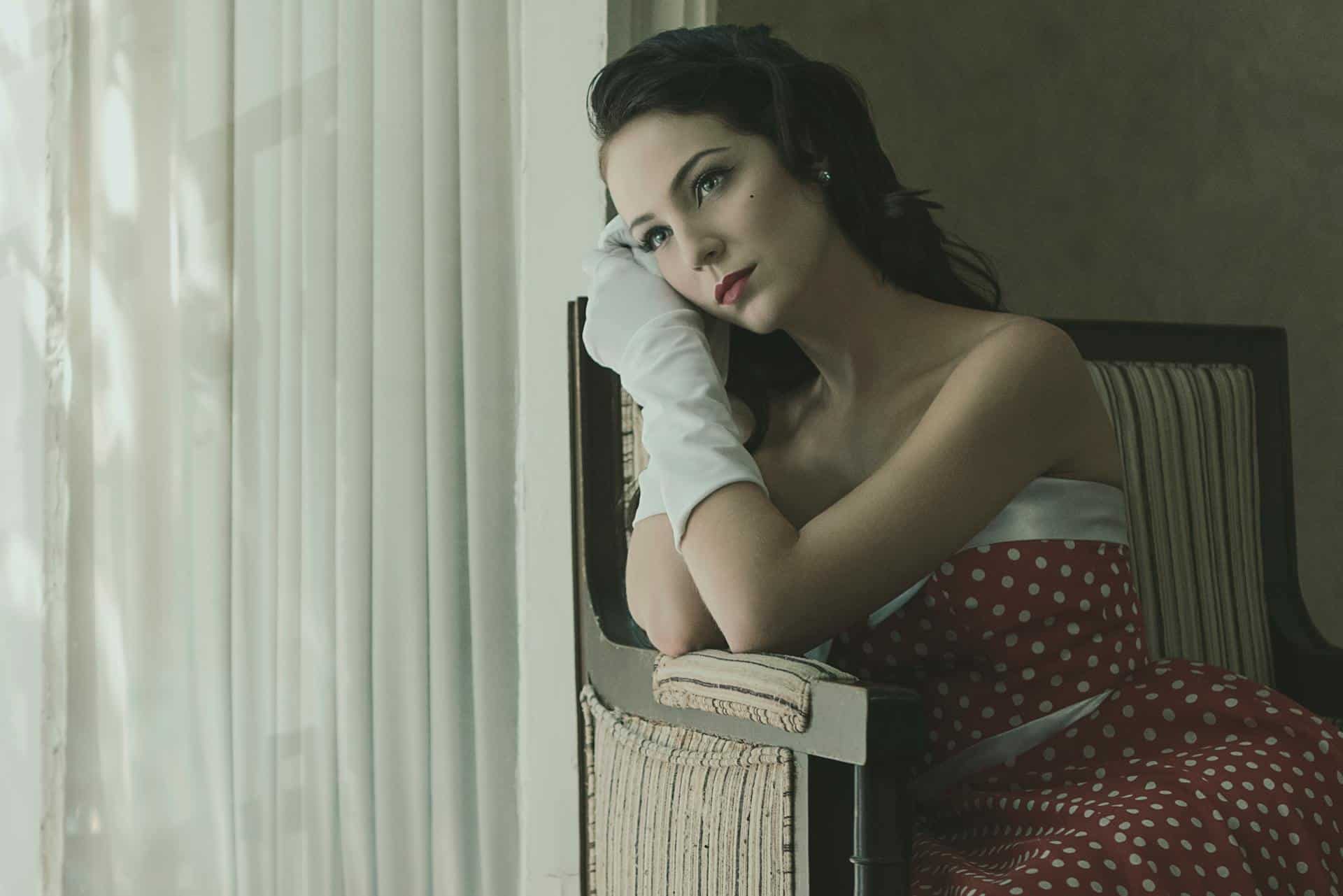
That whole “traditional values” thing? It was more survival than preference. The truth is, many women were ready for change—they just didn’t have the voice or power to push it yet. But now? They do. And they’re not going back.
Disclaimer: This list is solely the author’s opinion based on research and publicly available information.
Like our content? Be sure to follow us on MSN.