Growing up with my plumber dad was like having access to a live YouTube tutorial long before YouTube became a thing. He could repair anything and he always had the right tool for the job. I learned many plumbing techniques from him — some basic and some genius — which I now regularly use while handling tasks in my home. No panic, no calling for help, just a quick fix and back to life. Here are nine plumbing hacks I learned from my dad that have saved me countless times.
Featured Image Credit: IgorVetushko /Depositphotos.com.
Always Know Where the Main Water Shut-Off Valve Is

The first thing my dad made me learn before I moved out was to always know where the main water shut-off valve is. Why? You need to know where to shut off the water quickly when a leak or burst pipe turns your kitchen into a disaster zone. By knowing how to turn off the water quickly you can save your flooring, furniture & savings.
Don’t Overtighten Fittings

I learnt this lesson through my own mistake that led to Dad giving me “the look.” The common belief that more tight means better performance doesn’t always work when it comes to plumbing. If you over tighten fittings you could crack them or strip their threads, leading to more problems than you began with. When attaching fixtures like showerheads and pipes or even washing machine hoses, gentle handling is more effective than using excessive force.
Vinegar and Baking Soda = Natural Drain Cleaner

My father disliked store-bought chemical drain cleaners because they eventually damage pipes. He relied on the traditional baking soda and vinegar method. Pour half a cup of baking soda down the drain, add a cup of vinegar, and let the chemical reaction to work its magic. Flush the drain with hot water after waiting for 10 minutes. This method helps with small blockages & eliminates bad sink odors.
Teflon Tape is Your Best Friend

I can still hear his voice: “Use Teflon tape!” He would say this whenever we fixed pipes or installed fixtures like shower arms or hoses. You should wrap the tape around the threads several times before joining components together as it creates a tighter seal to prevent leaks. I now always have a roll stocked in my toolbox and junk drawer and even in my car.
Don’t Ignore That Dripping Faucet

A leaky faucet might not seem like a big deal, but my dad always said, “That’s your water bill dripping away.” Dripping is usually due to something small that’s easily fixable — like a worn-out washer or a loose piece inside the faucet. He showed me how to shut off the water flow and dismantle the faucet so we could check the insides and put it all back together within 30 minutes. People usually find this task frightening but after you complete it once you will never fear a faucet drip again.
Use a Shop-Vac to Unclog a Sink or Toilet

I was completely surprised the first time he showed this method to me. When our bathroom sink got completely clogged he didn’t reach for a plunger or a snake but used the wet/dry shop-vac instead. He sealed it around the drain and sucked the clog out. No mess, no chemicals, no weird smells.
WD-40 Works Wonders on Stuck Pipe Joints
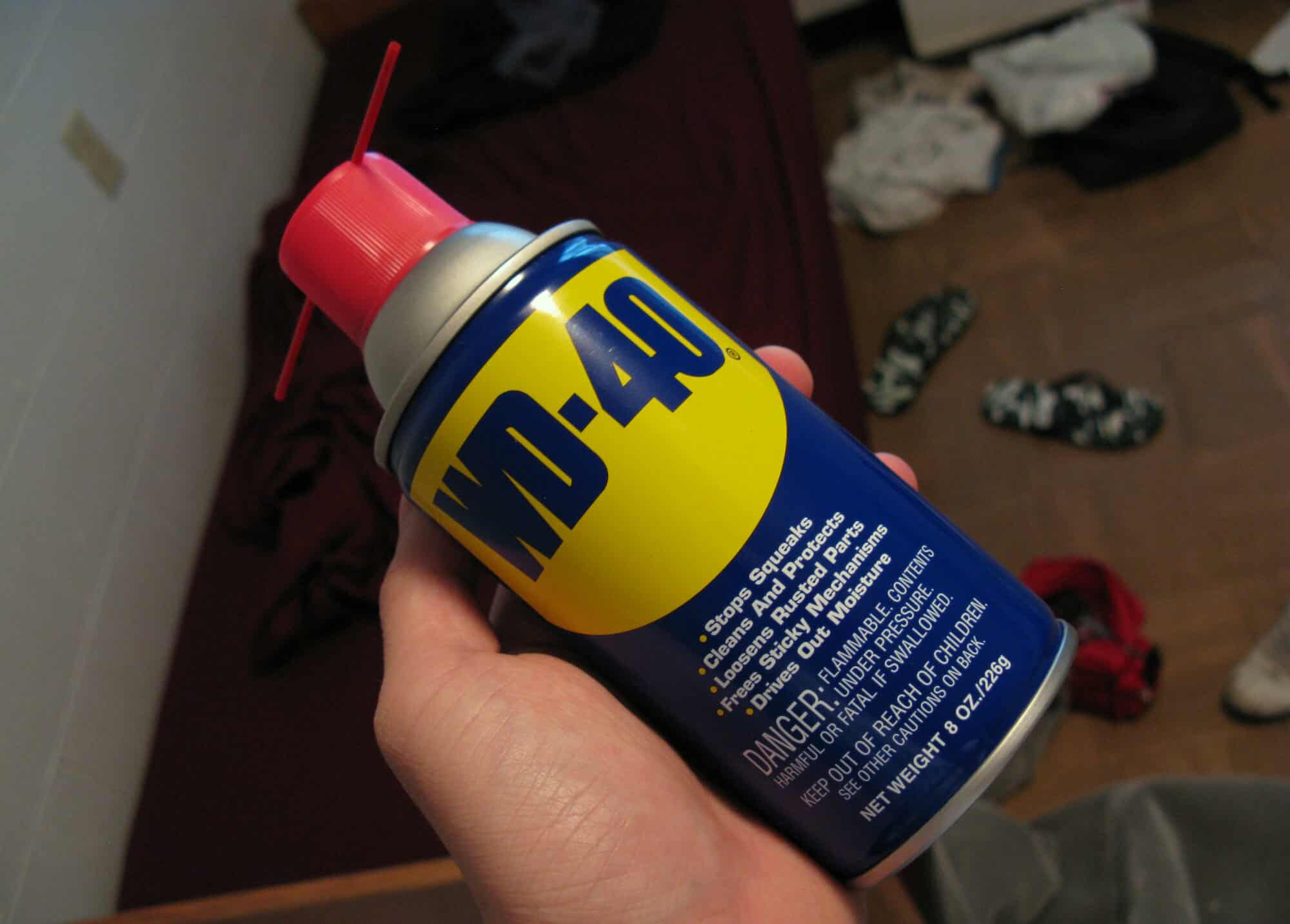
Sometimes, fittings won’t budge when they have aged or developed rust. Whenever a joint was stuck my dad would grab the WD-40 and let it sit on the threads for a few minutes before attempting to loosen it again. It’s like magic. Make sure to apply WD-40 moderately and clean the area thoroughly before putting things back together especially near any seals.
Clean the Aerator Before You Replace the Faucet
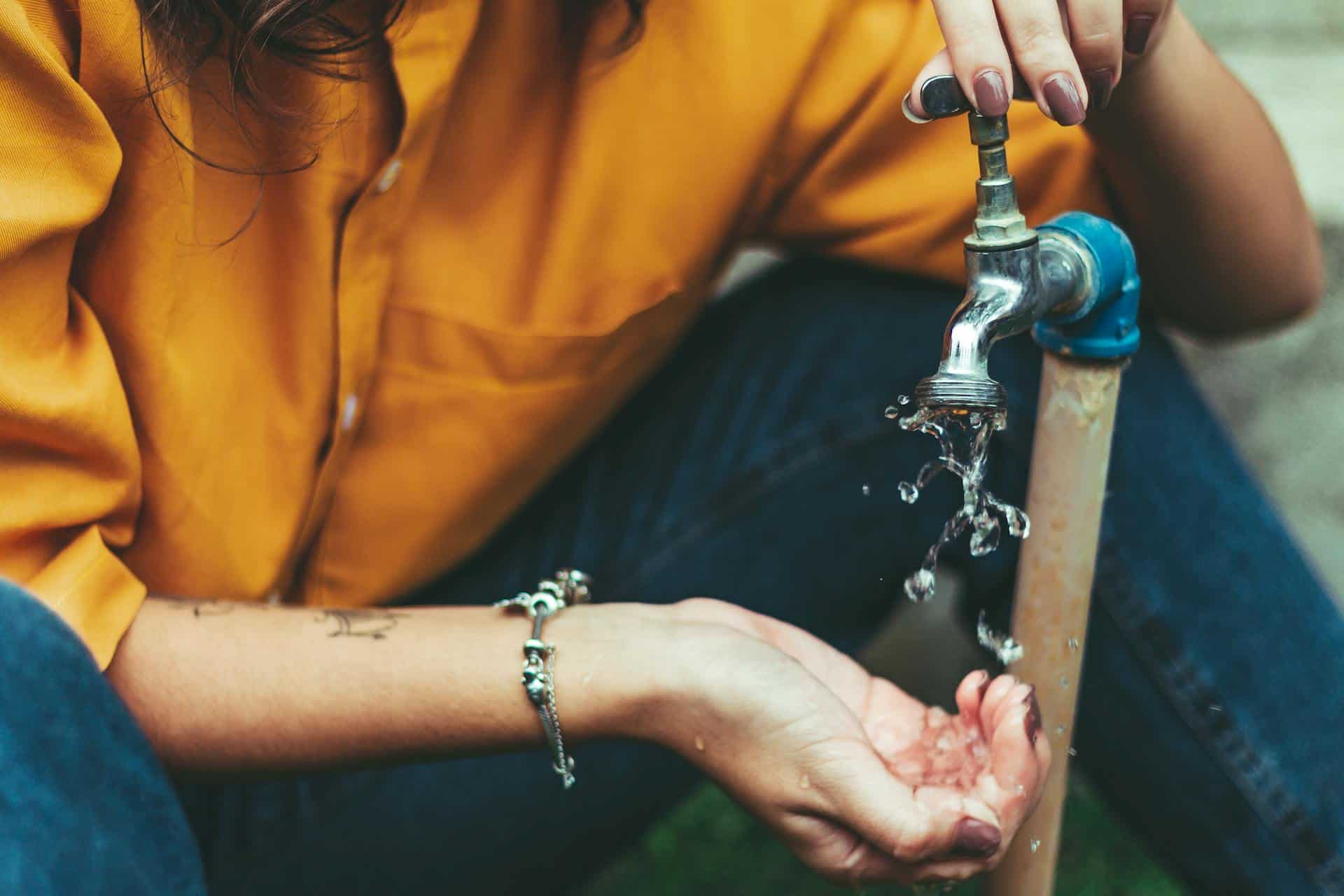
Weak water pressure from the faucet doesn’t necessarily suggest there is damage. My dad taught me that I should always look at the small mesh piece called the aerator at the faucet end before considering any other fixes. Sometimes it’s just clogged with mineral buildup. Remove the aerator and wash it thoroughly before soaking it in vinegar to remove any crusty buildup and then reattach it. In nine out of ten cases water pressure returns to normal after cleaning the faucet aerator.
Toilet Keeps Running? Check the Flapper First

That constant running sound from a toilet drives people crazy. According to my dad, the most common issue with a toilet that runs constantly is the flapper, which sits as a rubber seal over the flush valve in the tank. Water continues to flow into the bowl when the seal does not work properly. The flapper is either dirty or has become warped and old. You can replace the flapper easily without any tools and it costs next to nothing.
Disclaimer: This list is solely the author’s opinion based on research and publicly available information.
Like our content? Be sure to follow us on MSN.
Read More: