Even if you’re not religious, it’s hard to deny that some religious leaders have had a huge impact on billions of people across the world. So, let’s look at the lives of ten of the most significant ones! We’ll learn about what made these leaders stand out and how they continue to impact us today. Whether through ancient teachings or modern philosophies, these leaders have transformed countless lives across history and the world.
Featured Image Credit: Wikimedia Commons.
Jesus Christ

We couldn’t start this list without mentioning probably the most famous name of all—Jesus of Nazareth. He’s an important figure in multiple religions including Christianity and Islam. He taught people about love & kindness, encouraging them to treat others as they would like to be treated. Many people see his messages as a guide in their daily lives and moral decisions.
Mohammed
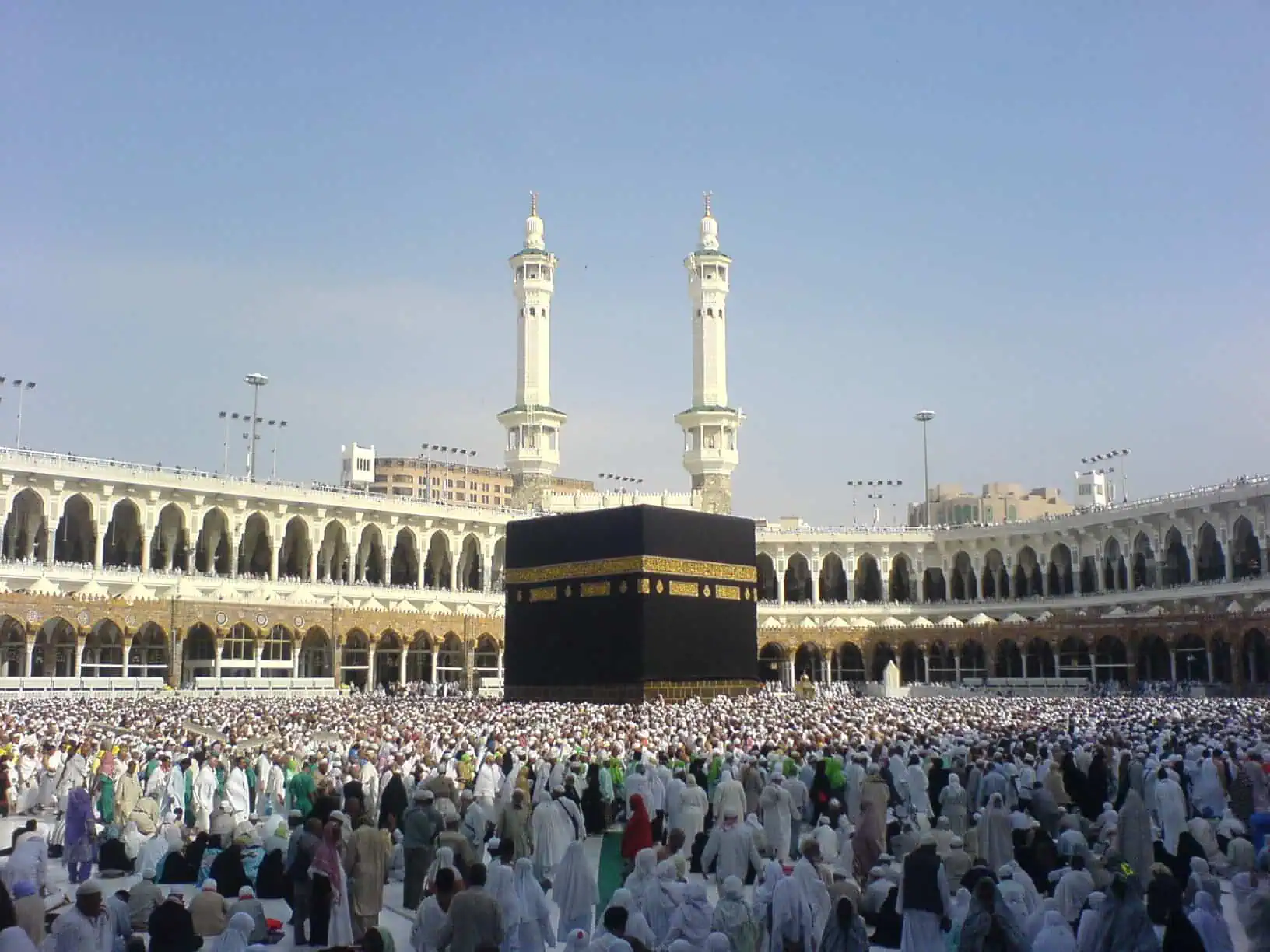
As the founder of Islam, Muslims praise Mohammed as the Prophet who received the Quran, the holy book of Islam, from God. His life and revelations have become the center of faith for nearly a quarter of today’s population. Like most religious leaders, Mohammed encouraged people to be united and to understand people of different backgrounds.
Like our content? Be sure to follow us.
Buddha (Siddhartha Gautama)

Buddha was once a prince named Siddhartha Gautama and he chose enlightenment over royalty. He founded Buddhism, a religion that teaches people to overcome suffering through self-awareness and ethical living. In fact, Buddha’s teachings on mindfulness and compassion have attracted followers all over the globe, even atheists.
Moses
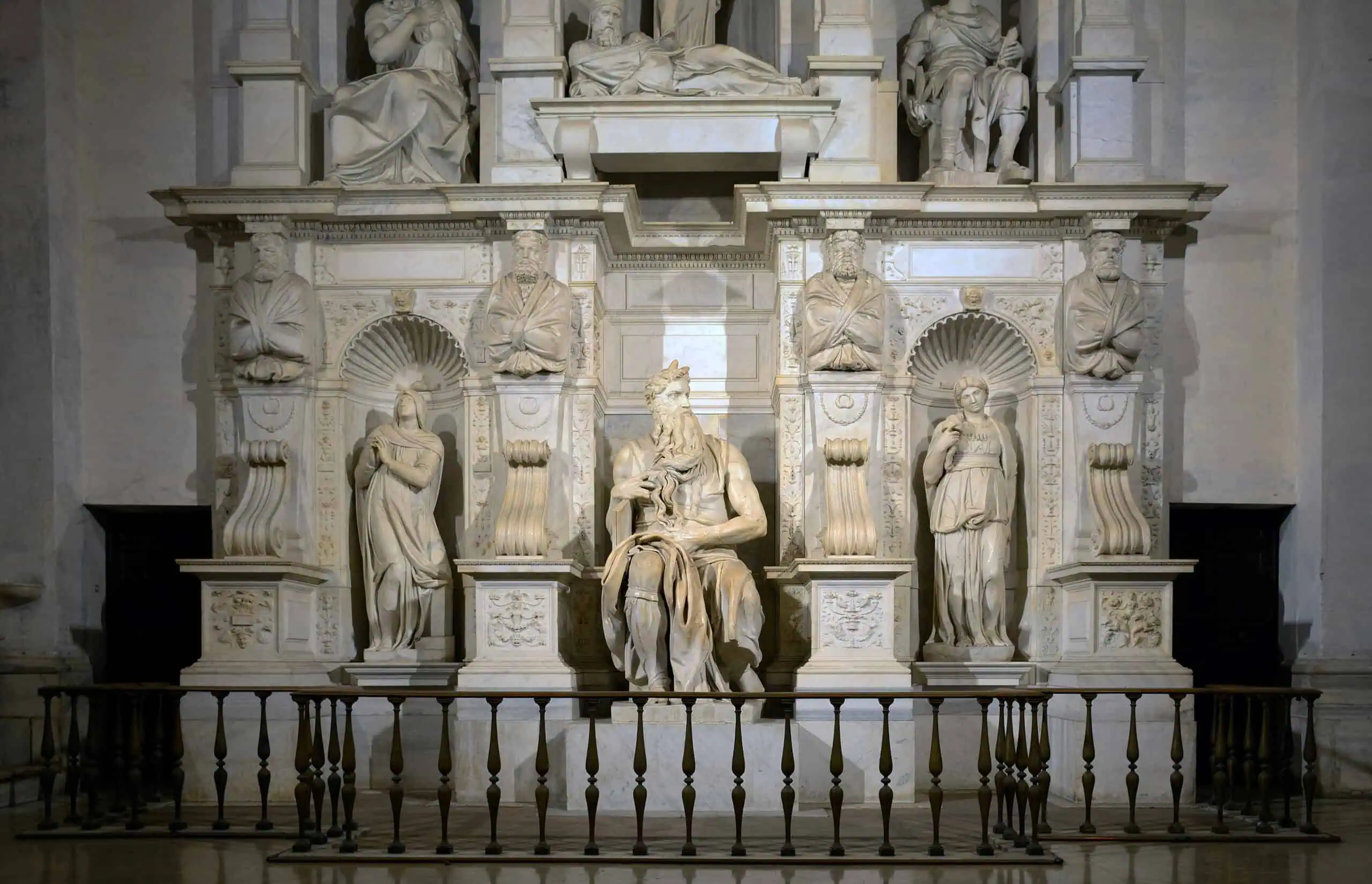
In Judaism, Moses is probably one of the most famous religious leaders because he led the Israelites out of slavery in Egypt. He also received the Ten Commandments from God. As you might expect, these commandments are pretty important to Jewish law and have also influenced other religions, like Christianity & Islam. Moses’s story is an inspiration even today.
Guru Nanak

Guru Nanak was the first of the Sikh Gurus and created the basis for Sikhism. He taught people about a single God and how all humans are equal, which challenged India’s caste system. As if that wasn’t enough, he also promoted a life of devotion, honest work & community service. Now, these beliefs have become some of Sikhism’s key principles.
Martin Luther
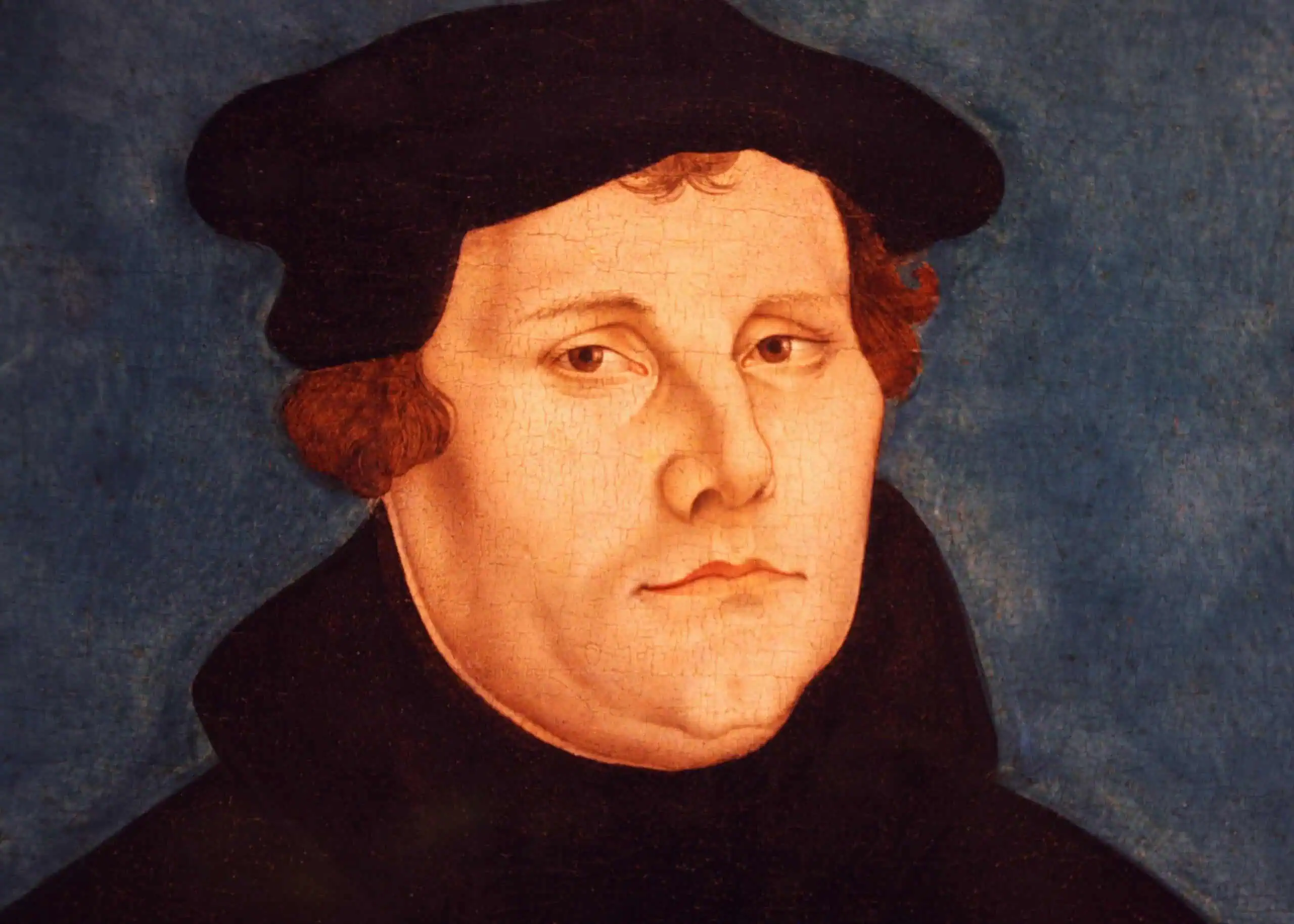
While there’s no doubt that Martin Luther King was important, we also can’t forget about his namesake. Martin Luther began the Protestant Reformation and argued for reforms in the Catholic Church. He made the Bible far more accessible to the common man, allowing people to interpret faith in their own way. Essentially, religious knowledge became something for everyone to engage in.
St. Paul
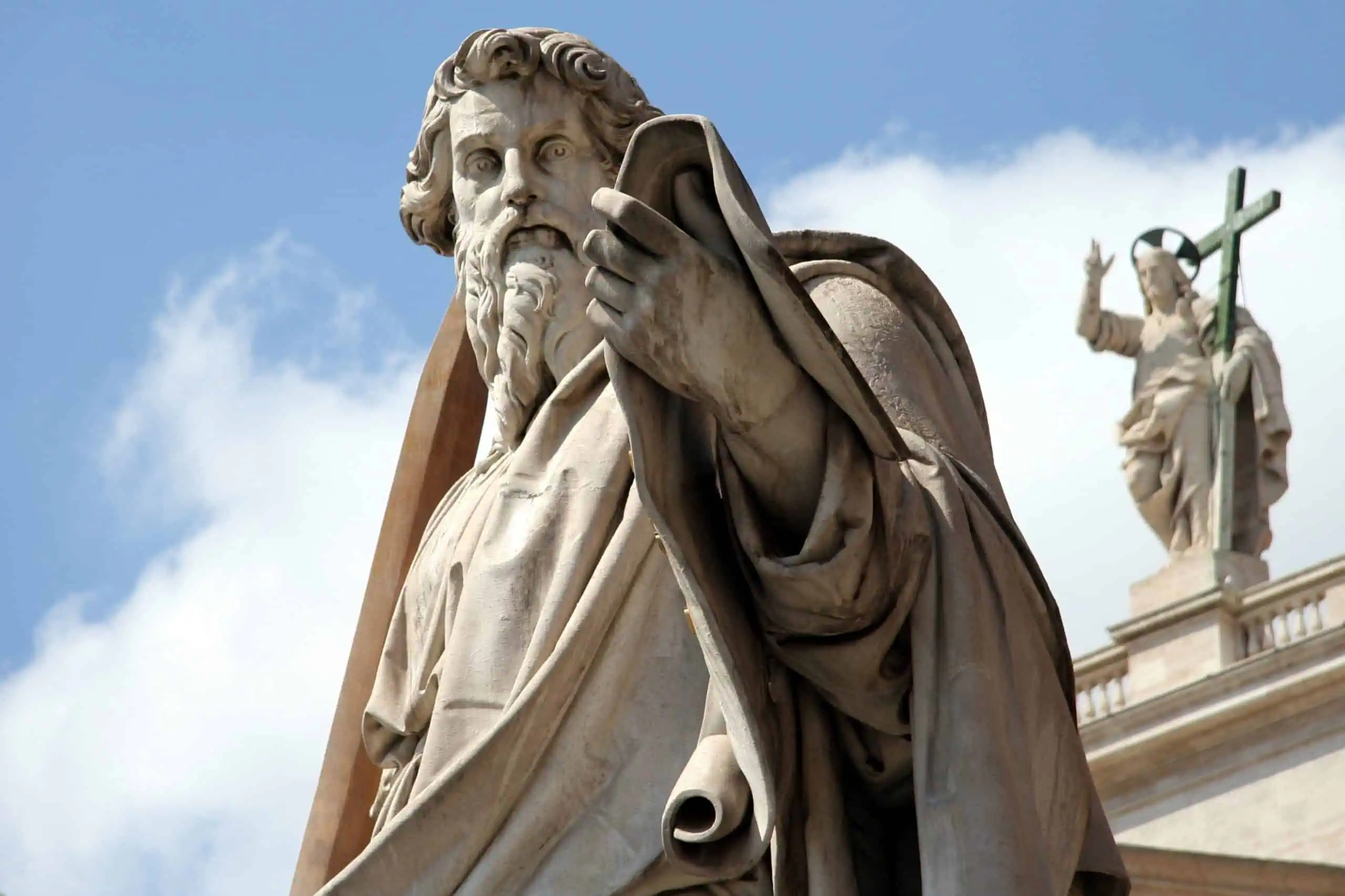
Jesus is the only Christian figure who had more impact on the church than St. Paul. That’s why so many churches are named after him! He wrote many letters to early Christian communities, which helped to create the foundation of most Christian doctrines. This also helped spread Christianity across the Roman Empire. Better yet, he included Gentiles (non-Jews) in his religion, helping Christianity grow into a global religion.
Dalai Lama (Tenzin Gyatso)

The 14th Dalai Lama, Tenzin Gyatso, is a key spiritual leader for Tibetan Buddhists but he’s also a global symbol of peace & humanitarianism. Religious and non-religious communities alike have shared his words, whether that’s about human rights or environmental issues. This has brought Buddhist perspectives into discussions on global crises.
Zoroaster

Zoroastrianism—ever heard of it? While it might not be a household name, it’s one of the world’s oldest monotheistic religions and Zoroaster, also known as Zarathustra, was its founder. He taught people about the cosmic battle between good and evil, as well as the importance of individual choice. As you might expect, these words have influenced religious thought far beyond his own tradition. It’s likely we wouldn’t have our ideas of heaven and hell without him.
Laozi

Taoism is another religion that some people may not have heard of, but it’s still very meaningful. Laozi created it and encouraged people to live in harmony with the universe. The “Tao Te Ching,” for example, speaks about the art of living, with lots of teachings about accepting the natural flow of life. With everything being so fast-paced these days, we could learn a thing or two from his words about peace and introspection.
Disclaimer: This list is solely the author’s opinion based on research and publicly available information.
Like our content? Be sure to follow us.
Read More: